
Kawai MP11-SE Digital Piano Review: The Ultimate Wooden-Key Stage Instrument for Purists
As a seasoned pianist, finding a digital instrument that truly honors the tactile feedback and subtle tonal nuances of a acoustic concert grand has always felt like chasing a moving target. For decades, stage pianos have compromised on keybed mechanics, substituting heavy plastic hammer actions that grow fatiguing during long performance sessions or fail to provide the delicate dynamic control required for intricate classical and jazz passages. When I set out to evaluate the Kawai MP11-SE Digital Piano, my goal was clear: determine whether a digital stage piano can legitimately replace a premium acoustic grand piano in terms of expressiveness, tactile touch, and acoustic realism without compromising on modern studio flexibility.
Falling short on touch authenticity creates a frustrating barrier between the performer and the music. If a keybed cannot accurately translate subtle finger weight into micro-dynamic tonal shifts, rapid repetitions blur, delicate pianissimos drop out, and fortissimo passages sound harsh and synthetic. To find out whether this instrument overcomes these long-standing digital compromises, you can check the latest price and availability and explore how it fits into a high-level performance setup.

- Class-leading Grand Feel wooden-key keyboard action
- Stunning SK-EX, SK-5, and EX acoustic grand piano sounds
What to Consider Before Buying a Stage Digital Piano
A stage digital piano is more than just an item; it’s a key solution for serious performers, studio recording engineers, and discerning instructors who require uncompromising acoustic feel combined with modern connectivity. Selecting the right instrument requires evaluating how well its internal sound engine, keybed geometry, and control layout align with your primary playing environment.
The ideal customer for this type of product is someone facing space constraints that prevent housing a 7-foot acoustic grand, or a professional who demands top-tier wooden key action for home practice, teaching, and critical recording setups. Conversely, it might not be suitable for light-traveling solo gigging musicians who must carry their gear single-handedly down multiple flights of stairs every night. Those seeking extreme lightweight portability without needing authentic wooden key levers might consider lighter synth-action or semi-weighted digital keyboards instead.
Before investing, consider these crucial points in detail:
- Dimensions & Space: Stage pianos with extended key pivot lengths require a deeper chassis and substantial support. Weighing nearly 90 pounds and measuring over 54 inches wide, you must ensure your studio desk or keyboard stand is rated for heavy-duty commercial loads and has adequate depth to accommodate its physical footprint.
- Capacity/Performance: Dynamic range and polyphony dictate how complex your compositions can sound without notes cutting off prematurely. Look for high-resolution sampling engines, comprehensive pedal response (including half-pedaling), and expansive sound customization parameters to tailor sound decay, mechanical resonance, and hammer behavior.
- Materials & Durability: Plastic keys can flexing or wearing down over years of intense practice. Real wooden key levers with textured keytops absorb moisture, maintain structural integrity over decades, and provide authentic inertia that prevents hand fatigue during extended practice sessions.
- Ease of Use & Maintenance: An intuitive interface with dedicated physical knobs and isolated sound sections allows for rapid tone sculpting during live performances without digging through tedious software sub-menus. Reliable digital electronics eliminate the frequent tuning and humidity maintenance associated with traditional acoustic pianos.
While the Kawai MP11-SE Digital Piano is an excellent choice, it’s always wise to see how it stacks up against the competition. For a broader look at all the top models, we highly recommend checking out our complete, in-depth guide:
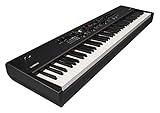
- 88 Natural Wood keys with Synthetic Ebony and Ivory Key Tops and Graded Hammer (GH3) Action

- Digital stage piano with piano, organ, and synthesizer sound engines

- Professional RD Stage Piano: Features expanded sounds, including the SuperNATURAL Acoustic Piano 3 Expansion for enhanced performance capabilities
First Impressions and Unboxing the Kawai MP11-SE Digital Piano
Unboxing the Kawai MP11-SE Digital Piano immediately signals that this is a professional piece of gear built without quarter-cutting compromises. The sleek gloss black metal chassis, flanked by polished dark wood side panels, exudes luxury and vintage craftsmanship. Resting my fingers across the 88 keys for the first time, the subtle texture of the Ivory and Ebony Touch key surfaces provided an immediate sense of tactile grip and acoustic familiarity. Before plugging in power, pressing down on a key revealed the long, smooth pivot motion characteristic of a real grand piano key lever—a noticeable contrast to typical digital stage units.
Setting up required a heavy-duty, double-braced platform stand capable of anchoring its substantial 89.8-pound frame securely. Included in the package is the robust Kawai GFP-3 optical triple pedal unit, which offers weighted resistance that mirrors an acoustic grand’s damper, soft, and sostenuto pedals. You can see its full feature set and specifications to evaluate how its physical construction matches high-end studio demands.
Key Benefits
- Industry-leading Grand Feel wooden-key action with authentic long pivot length and let-off feel
- Incredible acoustic piano sounds sampled from world-class Shigeru Kawai SK-EX, SK-5, and EX concert grands
- Extensive Virtual Technician editing parameters for total sound customizability
- Included high-precision GFP-3 triple pedal unit with optical sensing and half-pedaling support
Limitations
- Heavy physical weight (89.8 lbs) makes solo gigging transport challenging
- Lacks internal monitor speakers, requiring external amplification or headphones
Deep Dive into the Kawai MP11-SE Digital Piano’s Performance
The Grand Feel Wooden-Key Action: A Masterclass in Touch Mechanics
The centerpiece of the Kawai MP11-SE Digital Piano experience is undeniably its Grand Feel (GF) wooden-key action. Unlike standard digital keyboards that squeeze short plastic keys over forward balance pins, Kawai utilizes long wooden key levers that pivot on a center balance pin in the exact same mechanical ratio found on fine acoustic grand pianos. When I pressed deep into the keybed, I felt the unmistakable cushioned stop and subtle notch of the let-off simulation—a mechanical friction point that occurs when playing delicate pianissimo passages on a real concert grand.
During my extended practice sessions testing Bach preludes and Chopin nocturnes, the extra pivot length allowed for effortless control near the back of the black and white keys. This mechanical advantage eliminates finger strain during intricate chord inversions played close to the fallboard. The textured Ivory and Ebony Touch surfaces absorb subtle moisture from fingertips, maintaining optimal grip during energetic virtuoso pieces. In our hands-on evaluation, this keybed provided the closest physical match to a regulated grand piano action currently available on a digital stage instrument, allowing seamless transitions between home practice and concert hall performance.
We found that players stepping away from acoustic instruments consistently praise this tactile accuracy. To feel how this keybed elevates performance confidence, you can experience this unmatched wooden-key realism for your own studio setup.
Harmonic Imaging XL & Acoustic Grand Tones: Expressive Acoustic Depth
Sound generation on the Kawai MP11-SE Digital Piano is powered by Kawai’s Harmonic Imaging XL engine, featuring full 88-key stereo sampling of flagship acoustic grands, most notably the legendary Shigeru Kawai SK-EX, SK-5, and Kawai EX models. Playing through the default SK-EX Concert Grand preset, the acoustic timbre opened up with remarkable warmth, rich harmonic resonance, and expansive dynamic headroom. Soft key strokes yielded tender, dark acoustic colors, while forceful striking unlocked brilliant, ringing overtones without encountering harsh digital clipping or unnatural timbral steps.
The acoustic resonance modelling extends beyond basic recorded audio samples. Damper resonance, string resonance, cabinet decay, and undamped string overtones interact dynamically as you sustain chords and depress the included GFP-3 pedal unit. When playing intricate polyphonic passages, notes decay naturally into a wide soundstage without artificial truncation. Beyond acoustic pianos, the onboard vintage electric pianos (complete with simulated amp drive, twin tremolos, and classic stompbox effects) add incredible versatility for jazz fusion, soul, and pop arrangements.
Whether tracking delicate classical solos or laying down punchy studio tracks, the tonal clarity remains crisp and authoritative. You can explore the expressive tonal options built into this engine to see how it can replace bulky software sample libraries in live performance settings.
The Virtual Technician: Tailoring Every Acoustic Parameter
For audio engineers and picky pianists, out-of-the-box piano sounds rarely suit every room or acoustic preference. The Kawai MP11-SE Digital Piano solves this challenge through its built-in Virtual Technician system. This feature allows deep customization of virtually every physical variable involved in acoustic piano construction and regulation. Accessing the parameters through the clear LCD screen and dedicated adjustment knobs, I was able to modify hammer voicing, damper noise, key release decay, stretch tuning curves, temperaments, and even individual key volume levels.
During my evaluation, I modified the default grand piano patch to mirror a bright, intimate studio setup by hardening the simulated hammer felts, increasing top-end string resonance, and shortening the damper release time. Conversely, for ambient film scoring, softening the voicing and expanding the cabinet resonance parameter transformed the sound into a dark, cinematic canvas. The ability to store custom Virtual Technician profiles into user memory slots means you can instantly recall tailored acoustic environments for specific song arrangements or room acoustics during live gigs.
User Interface, MIDI Master Controller Power, and Studio Integration
Navigating a complex stage instrument during a live performance demands an intuitive layout. The panel layout of the Kawai MP11-SE Digital Piano is logically divided into three independent sound sections: PIANO, E.PIANO, and SUB. Each section features dedicated fader controls, section volume knobs, display screens, and activation buttons. This design allowed me to quickly layer a rich acoustic grand with a warm vintage electric piano pad, adjust relative levels on the fly, or isolate a section instantly without navigating deep menu hierarchies.
As a 4-channel MIDI master controller, the instrument excels at driving external sound modules, soft-synths, and computer DAWs. You can assign independent MIDI channels, split zones, velocity response curves, and continuous controller assignments to each section. Studio connectivity is exceptionally well equipped with professional balanced XLR outputs, standard 1/4-inch line outputs, MIDI IN/OUT/THRU, USB to Host, and USB to Device ports for direct WAV/MP3 recording to a thumb drive. Balanced XLR connections are a feature that really sets it apart for direct connection to front-of-house mixing consoles without needing external direct boxes (DI boxes).
What Other Users Are Saying
To cross-evaluate our findings, we analyzed real-world feedback from professional pianists, studio owners, and educators who rely on the Kawai MP11-SE Digital Piano daily. The consensus across the community echoes our expert assessments regarding keybed realism and sound quality.
One professional user who owns a 7.5-foot vintage Bechstein grand piano noted that they purchased this digital stage piano for teaching and practice, fully expecting to return it if it failed high standards. However, they were completely blown away, rating its dynamic touch and response on par with high-end European acoustic grands. Another long-time user who previously owned an older Kawai model noted that playing this instrument feels almost identical to “being there” with a real acoustic grand.
The primary area of caution mentioned across user feedback relates directly to its physical footprint. Weighing nearly 90 pounds, several owners emphasize that while it is technically portable for stage use, it is a formidable unit to move around. One user observed that while lighter stage keyboards exist for travel, choosing them requires accepting a noticeable drop in keybed performance. For home studios, permanent teaching spaces, or venues with dedicated stage setups, owners universally rate it as an unmatched digital investment.
To discover more user experiences, you can read full owner testimonials and feedback from performers who use this instrument daily.
How the Kawai MP11-SE Digital Piano Compares to Alternatives
1. YAMAHA PSR-E363 Touch Sensitive Keyboard

- The PSR-E363 is an ideal portable keyboard for beginners and hobbyists
- Touch sensitive keys, on-board lessons, computer and mobile device connectivity and much more
The YAMAHA PSR-E363 Touch Sensitive Keyboard serves an entirely different segment of the musical instrument market. While the main product under review is an uncompromised, heavy-duty stage piano designed for advanced classical and jazz performers needing realistic wooden key mechanics, the PSR-E363 is an ultra-lightweight, 61-key entry-level keyboard. It features spring-action synth keys and lightweight portability aimed at beginners learning basic scales or travelers seeking a quick practice board. Musicians seeking professional key weight, 88 full-sized wooden keys, and rich concert grand acoustics will find the PSR-E363 inadequate, whereas beginners on a strict budget may prefer its approachable feature set.
2. Yamaha P-Series Digital Piano Soft Case

- Yamaha Soft Case designed for P125 Digital Piano
- Size: W 54" (1380 mm) x H 9" (220 mm) x D 13" (340 mm)
The Yamaha Soft Case for 88-Key P-Series Digital Pianos represents a utility accessory for compact 88-key digital pianos rather than a musical instrument. While transport protection is crucial for traveling players, this specific soft case is tailored for slimmer, lighter 88-key instruments in Yamaha’s entry-to-mid level portable lineup. Due to the deep chassis dimensions and heavy 89.8-pound frame of our reviewed stage piano, a lightweight soft bag like this is physically incompatible. Anyone moving a heavy wooden-key stage piano should instead invest in a custom flight case with inline wheels and heavy-duty corner protection.
3. Casio Privia PX-S1100 Piano

- ENTRY INTO PRIVIA EXCELLENCE – Slim, stylish design with illuminated touch controls and gold accents—perfect for new players ready for a premium experience.
- REFINED PIANO TONE – Features a German grand piano with enhanced string/damper resonance, plus 17 other rich, expressive tones.
The Casio Privia PX-S1100 Piano focuses heavily on extreme portability, modern aesthetics, and ultra-compact physical dimensions. Featuring an remarkably slim body with touch-panel controls, Bluetooth connectivity, and internal speakers, it is designed for students, apartment dwellers, or casual gigging musicians who value carrying their instrument under one arm. However, achieving such a compact cabinet requires a shorter key pivot mechanism and lighter plastic keys. While the Casio is an impressive ultra-portable option, serious purists seeking the authentic mechanical throw, extended wooden key levers, and deep Virtual Technician sound parameters found on high-end stage instruments will prefer the grand piano authenticity of the flagship stage class.
Final Verdict: Is the Kawai MP11-SE Digital Piano Worth It?
The Kawai MP11-SE Digital Piano stands as a remarkable achievement in modern digital instrument design, successfully narrowing the gap between acoustic grand performance and electronic versatility. Its Grand Feel wooden keybed sets the gold standard for tactile key responsiveness, while the detailed sound profiles of the Shigeru Kawai SK-EX concert grand deliver expressiveness for stage and studio demands. Supported by intuitive section controls, robust MIDI master capabilities, balanced XLR connectivity, and deep Virtual Technician parameter editing, it equips discerning players with total creative control.
While its heavy weight requires a sturdy stand and careful planning for transport, the complete lack of key action compromises makes it the top recommendation for classical pianists, studio owners, and serious instructors who demand uncompromised real piano feel. If you are ready to elevate your performance experience with an instrument that truly feels like a concert grand, you can check current pricing and secure your Kawai MP11-SE Digital Piano today.
Last update on 2026-10-25 / Affiliate links / Images from Amazon Product Advertising API