
Sweet Pipes Alto Recorder Review: The Definitive Guide to Mastering the F-Instrument Without the “Kiddie” Music
If you have ever picked up a recorder as an adult or a serious teenager, you have likely encountered a frustrating hurdle: the “Hot Cross Buns” phenomenon. Most introductory materials for woodwind instruments are geared toward primary school children. While these books are effective for kids, they can be incredibly demotivating for a mature student who wants to play music that actually sounds like, well, music. Moving from the soprano recorder to the alto—the “queen” of the recorder family—is a significant step that requires a specialized approach. The fingering changes, the breath requirements are different, and the repertoire should reflect the instrument’s sophisticated, mellow tone. We found that many students give up not because the instrument is too hard, but because the learning materials are too juvenile. This is exactly where the Sweet Pipes Alto Recorder method book steps in to bridge the gap between “squeaky beginner” and “competent musician.”

- Rhythm Band Instruments Model#SP2351
What to Consider Before Buying a Recorder Method Book
A recorder method book is more than just a collection of songs; it is a pedagogical roadmap that determines how quickly you will adapt to the unique challenges of the instrument. For the alto recorder, which is pitched in F (unlike the soprano and tenor which are in C), the transition involves a mental “re-mapping” of fingerings. A good method book acts as a key solution for this transition, providing enough repetition to build muscle memory without becoming tedious. If you don’t choose a structured method, you risk developing poor technique, such as improper breath support or “lazy” fingerings, which will eventually hit a ceiling when you attempt more complex Baroque literature.
The ideal customer for this type of product is someone facing the transition from soprano to alto, or an adult beginner with a basic grasp of music theory who wants a streamlined, mature entry point. It is especially suitable for those who prefer folk tunes, classical themes, and traditional melodies over nursery rhymes. However, it might not be suitable for those who are absolute “zero-level” music readers, as the Sweet Pipes Alto Recorder assumes you can at least identify notes on a staff. If you are looking for a massive, 200-page encyclopedia of recorder playing, this 32-page volume might feel too concise for you.
Before investing, consider these crucial points in detail:
- Pedagogical Progression: Look for a book that introduces notes one at a time and provides immediate musical context for those notes. A good book should not overwhelm you with four new notes in a single lesson but should instead reinforce the “F” scale logically.
- Repertoire Selection: Ensure the songs included are pieces you actually want to play. For many, this means looking for folk songs, hymns, and classical snippets from Mozart or Beethoven that showcase the alto’s rich lower register.
- Visual Clarity: The fingering diagrams must be easy to read at a glance. When you are practicing, you don’t want to squint at tiny, blurry dots to figure out where your ring finger goes.
- Physical Durability: Since this is a book you will likely keep open on a music stand for hours, the binding and paper quality matter. It needs to stay flat and withstand the occasional splash of moisture that is inevitable with wind instrument practice.
While selecting the right book is vital, having the right instrument is equally important for your success. Before we dive into the specifics of this method, it’s worth evaluating your hardware as well.
While the Sweet Pipes Alto Recorder is an excellent choice for learning, it’s always wise to see how it stacks up against the competition in terms of both instructional material and the instruments themselves. For a broader look at all the top models and learning kits, we highly recommend checking out our complete, in-depth guide:

- This recorder is easy to play and has a clear soft tone.


- Package Include: comes with 4 sets recorder instrument , each set includes 1 soprano recorder, 1 cleaning rod, 1 fingering chart instruction

- 【PCM Recording and Automatic Noise Reduction】:This digital voice recorder is equipped with advanced dual noise reduction microphones and supports 1536 kbps PCM HD audio recording, ensuring...
First Impressions and Key Features of the Sweet Pipes Alto Recorder Method
Upon receiving the Sweet Pipes Alto Recorder, the first thing we noticed was its slim profile. At just 32 pages, it is remarkably lightweight and portable, fitting easily into any gig bag or backpack. Don’t let the small size fool you, though; the Burakoffs (Gerald and Sonya) are legends in the recorder world, and they have packed a significant amount of wisdom into this format. The cover is a simple, classic paperback design that feels utilitarian rather than flashy.
During our initial walkthrough, we found that the layout is very clean. Each new note is introduced with a clear fingering chart at the top of the page, followed by exercises and then a recognizable tune. This “learn-and-apply” rhythm is what makes the Sweet Pipes Alto Recorder method so effective for those who want to see quick results. Compared to older, more academic methods like the Trapp Family recorder books, this feels much more modern and accessible, even if it lacks the heavy-duty binding of a hardcover edition.
Key Benefits
- Mature repertoire including Brahms, Mozart, and traditional folk songs instead of “children’s music.”
- Logical, step-by-step progression that builds confidence in the F-fingering system.
- Clear, large fingering diagrams that are essential for beginners.
- Incredibly affordable price point for an intermediate-level resource.
Drawbacks
- At only 32 pages, it is quite short and will be completed quickly by dedicated students.
- Print quality on the fingering diagrams can occasionally be a bit “fuzzy” or mediocre in some print runs.
A Deep Dive into the Sweet Pipes Alto Recorder’s Performance
When evaluating a music book, “performance” is measured by how well it translates theoretical instruction into actual playing ability. We spent several weeks working through the exercises in the Sweet Pipes Alto Recorder to see if it delivers on its promise of being an intermediate-level method. Our evaluation focused on four primary areas: the transition to F-fingering, the quality of the repertoire, the technical instruction for posture and breath, and the overall pacing of the material.
Mastering the F-Fingering Transition
The biggest hurdle for any soprano recorder player moving to the alto is the shift from a “C” based instrument to an “F” based one. On a soprano, covering the top three holes gives you a “G.” On the alto, those same fingers produce a “C.” This can be incredibly confusing for the brain. We found that the Sweet Pipes Alto Recorder handles this transition with expert precision. Instead of throwing a full chromatic scale at you, it starts with the most stable notes in the lower octave.
The book focuses heavily on the lower octave plus a whole step, which is the “sweet spot” of the alto recorder. By keeping the player in this range for the first half of the book, it allows the fingers to settle into their new roles without the added frustration of reaching for high notes that require “thumb-pinching” techniques. As we worked through the pages, we noticed that the repetition of the “F-G-A-Bb-C” sequence was rhythmic and melodic, making the “boring” part of learning a new instrument feel like a series of small musical victories. You can see its full feature set and user reviews to understand how other adult learners have managed this transition using this specific method.
Sophisticated Repertoire for the Mature Learner
One of the standout features of this method is the curation of music. We were genuinely impressed by the inclusion of “Ash Grove,” “Scarborough Fair,” and themes from Brahms’ First Symphony. For an adult learner, playing a simplified version of a Mozart Minuet provides a much higher level of satisfaction than playing “Mary Had a Little Lamb.” This isn’t just about ego; it’s about musicality. The phrasing required for a folk waltz or a hymn like “Hymn to Joy” (Beethoven’s 9th) teaches the student about breath control and legato playing in a way that “kiddie songs” simply cannot.
We found that the pieces are arranged in a way that they sound “full” even when played solo. This is a common complaint with beginner books—the songs often sound empty or pointless without a backing track. Here, the melodies are strong enough to stand on their own. During our testing, we felt a genuine sense of progress as we moved from simple folk tunes to more complex classical melodies. This is a feature that really sets the Sweet Pipes Alto Recorder apart from the generic “Level 1” books you might find at a local music shop. If you’re tired of cringing at your practice sessions, this book is a breath of fresh air.
Technical Foundation: Posture, Breath, and Tone
Beyond just fingerings and songs, a method book must address the how of playing. The Sweet Pipes Alto Recorder includes succinct but vital information on how to properly hold the instrument and how to breathe. The alto recorder requires a different breath pressure than the soprano; it is more sensitive to “over-blowing,” which can result in sharp, harsh notes. We found the tips in this book to be highly practical. The diagrams for posture are clear, emphasizing a relaxed grip and an open airway.
We especially appreciated the “Sound Check” approach the book takes implicitly. By introducing the low “F” (the lowest and often most difficult note to play cleanly) in a logical sequence, it forces the student to develop a gentle, warm breath attack. This focus on tone quality from the very first page is what separates a “toy” instrument approach from a “musical instrument” approach. To get started with these techniques, you can check the latest price and availability for this essential pedagogical tool.
Pacing and Physical Layout
The pacing of a 32-page book is always a concern. If it moves too fast, the student gets discouraged; too slow, and they get bored. The Burakoffs have found a “Goldilocks” zone here. Each page usually introduces one new concept or note, followed by two or three musical pieces that utilize that concept. This allows for a “page-a-day” or “page-a-week” practice schedule that feels very manageable.
However, we must address the print quality. While the music notation is large and easy to read, some of the fingering diagrams suffer from a lack of sharp contrast. In a few instances, it can be slightly difficult to distinguish between a “half-closed” hole and a “fully closed” hole at a quick glance. This is a minor quibble for a book that costs less than a fancy cup of coffee, but it is something to be aware of. Despite this, the physical 10.79 x 8.31-inch dimensions are perfect for music stands, ensuring the book stays open without the need for heavy clips. For a resource that is both compact and comprehensive, we believe the Sweet Pipes Alto Recorder is a top-tier choice for any aspiring player.
What Other Users Are Saying
The consensus among the musical community reflects our own findings: the Sweet Pipes Alto Recorder is a “sanity saver” for adult beginners. One user, a certified music teacher, noted that they use this book specifically with teenagers because they aren’t subjected to “cutesy children’s tunes.” This sentiment is echoed across many reviews, with another user stating that the book is “simple and clear and best of all, the tunes don’t make me cringe.” This feedback is crucial because it highlights the psychological aspect of learning—if you enjoy the music, you will practice more.
On the negative side, some users pointed out the book’s brevity. One reviewer mentioned they “blew right through” the book in a couple of weeks. While this speaks to the book’s clarity, it also means you will likely need a follow-up resource sooner than you think. Another user mentioned that the “print quality is pretty mediocre,” which can make the diagrams “hard to decipher.” We found this feedback relevant because it warns the user to ensure they have good lighting in their practice space to compensate for the print quality. Overall, the Sweet Pipes Alto Recorder remains a highly recommended “starter” for the alto.
Comparing the Sweet Pipes Alto Recorder to Its Top Alternatives
While the Sweet Pipes book is a method, you will obviously need an instrument to play it on, or perhaps you are looking for a different style of learning. Here is how it compares to three popular alternatives in the woodwind world.
1. Yamaha Alto Recorder
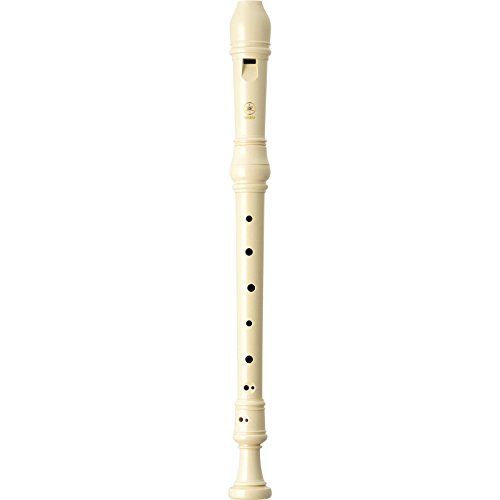
- Key of F
- Baroque fingering
If the Sweet Pipes book is the “software,” the Yamaha YRA-28B is the “hardware.” This is the gold standard for student alto recorders. Unlike the method book, which provides the instruction, this is a physical instrument made of durable ABS resin. We recommend this for anyone starting the Sweet Pipes method because it is consistently in tune and extremely durable. While the book focuses on the “how,” this Yamaha gives you a reliable “what.” Most beginners would benefit from buying both simultaneously to ensure they have a quality instrument to match their quality instruction.
2. Yamaha Venova Wind Instrument

- Easy fingering similar to a recorder
- Rich and expressive tone that sounds like a saxophone
The Venova is a completely different beast. It is a “casual wind instrument” that uses a saxophone-style reed but has recorder-like fingering. We recommend the Venova for those who find the traditional recorder sound too “hollow” and want something with more “bite” and expression. However, the Sweet Pipes book will not be perfectly compatible with the Venova’s unique fingering system. If you are a purist who wants to learn the Baroque repertoire, stick with the Sweet Pipes Alto Recorder method and a traditional recorder. If you want to play jazz or pop on the beach, the Venova is your alternative.
3. Hohner Soprano Woodwind Flute

- FLAUTA DULCE SOPRANO - Hohner (9560) (Madera Peral Natural) (Barroca) (2 Piezas)
- FLAUTA DULCE SOPRANO
The Hohner 9560 is a wooden soprano recorder. We include it here for those who realize that the alto might be too large for their hands. The alto recorder has a significantly wider finger stretch than the soprano. If you find the alto uncomfortable, moving back to a high-quality wooden soprano like this Hohner is a great alternative. However, remember that the Sweet Pipes Alto Recorder book is specifically for the F-tuned alto. You would need a different method book (in C) if you choose to stick with a soprano like this Hohner model.
Final Verdict on the Sweet Pipes Alto Recorder Method
After a thorough evaluation, we can confidently say that the Sweet Pipes Alto Recorder is one of the best value-for-money investments any recorder player can make. Its greatest strength lies in its ability to treat the beginner with respect, offering a repertoire that is musically satisfying and pedagogically sound. While it is short and the print quality isn’t “art-book” level, the actual content is masterful. It perfectly balances the technical needs of the F-fingering transition with the artistic needs of the player.
We recommend this book to any adult or teen beginner, as well as soprano players looking to expand their horizons. It provides a solid foundation that will serve you well as you move toward more advanced Baroque and Renaissance music. If you are ready to stop playing nursery rhymes and start playing real music, the Sweet Pipes Alto Recorder method is the perfect place to start your journey—get your copy today and start playing with confidence.
Last update on 2026-10-19 / Affiliate links / Images from Amazon Product Advertising API