
Peavey PVX 10 Passive Speaker Review: Is This Lightweight Powerhouse Worth Your Money?
If you have ever spent a late night hauling back-breaking wooden PA cabinets out of a crowded venue, only to suffer from muddy vocals and ear-fatiguing highs during your set, you know the ultimate struggle of live sound engineering. Mobile DJs, gigging acoustic musicians, and venue operators often face a brutal tradeoff between ultra-portable equipment and clean, high-output sound reinforcement. Choosing the wrong speaker setup leads to harsh feedback, strained power amplifiers, blown voice coils, and physical exhaustion before you even play your first note. Solving this dilemma requires a passive cabinet engineered specifically for efficiency, thermal resilience, and crystal-clear acoustic dispersion. In our hands-on evaluation, we put the Peavey PVX 10 Passive Speaker through rigorous real-world testing to determine if it delivers the perfect balance of portability, roadworthy durability, and pristine sonic reproduction.

- 2-way 800-watt 10" Passive PA Speaker with RX 10N Compression Driver (each(
What to Consider Before Investing in Unpowered Speaker Cabinets
An unpowered speaker cabinet (frequently referred to as a passive PA speaker) is more than just an item in your signal chain; it’s a key solution for audio engineers and performers who prefer centralized power amplification, modular processing flexibility, and lightweight physical enclosure design. By eliminating internal amplifiers and delicate digital processing boards from inside the speaker box itself, passive enclosures minimize cabinet weight while allowing you to drive multiple units from an external rack unit. If you already own reliable power amplifiers or run a multi-speaker install in a house of worship, club, or theater, passive cabinets give you complete control over your power matching, EQ curves, and system headroom.
The ideal customer for this type of product is someone facing daily transport logistics—such as mobile DJs, touring acoustic acts, public speakers, and rental houses—who already possesses external amplification and requires dependable sound projection without excess bulk. Conversely, it might not be suitable for those who prefer plug-and-play simplicity with built-in mixers and local power plugs, or performers needing deep, sub-bass thump without adding a dedicated subwoofer to their rig. If you want simplicity without carrying an outboard amplifier rack, active powered speakers might be a better fit, but for flexible, modular setups, passive enclosures remain the industry standard.
Before investing, consider these crucial points in detail:
- Dimensions & Space: Evaluate both physical transport dimensions and the speaker’s footprint when mounted on tripod stands or deployed as a floor monitor wedge. A compact box footprint makes tight staging easier, while multi-angle cabinet geometry allows one speaker to serve double duty as a front-of-house main or an angled floor monitor. You can check the latest price and availability to see how this compact enclosure fits your setup.
- Capacity/Performance: Always examine continuous RMS power handling alongside peak ratings, sensitivity (dB @ 1W/1m), and nominal impedance (typically 8 ohms). High driver sensitivity allows the cabinet to convert amplifier wattage into raw Sound Pressure Level (SPL) far more efficiently, giving you cleaner headroom before clipping occurs.
- Materials & Durability: Advanced high-impact polypropylene enclosures have revolutionized live sound by offering scratch-resistant, weather-tolerant, and lightweight construction compared to traditional heavy plywood or cheap carpeted particleboard. A powder-coated steel front grille is essential to shield driver cones from accidental kicks and falling gear.
- Ease of Use & Maintenance: Look for robust input connectivity options, such as professional SpeakON connectors alongside standard 1/4-inch jacks. Passive crossover networks with built-in high-frequency driver protection (like Peavey’s legendary Sound Guard system) prevent blown tweeters during unexpected signal spikes or severe feedback loops.
Carefully weighing these parameters ensures you select a cabinet that aligns perfectly with your current amplifier output and staging demands. While the Peavey PVX 10 Passive Speaker is an excellent choice for a variety of live sound applications, it’s always wise to see how it stacks up against the broader landscape of passive PA enclosures. For a broader look at all the top models on the market today, we highly recommend checking out our complete, in-depth guide:


- Model Number: Luke-1x12C Orange Tolex Cover/Wheat Color Cloth Grill)
First Impressions and Key Features of the Peavey PVX 10 Passive Speaker
Unboxing the Peavey PVX 10 Passive Speaker immediately highlights Peavey’s practical approach to live sound engineering. Tipping the scales at a mere 28.1 pounds, the lightweight high-impact polypropylene molded shell feels exceptionally sturdy without straining your arms or back. The trapezoidal contouring looks slick and modern, featuring heavily textured scratch-resistant surfaces and an ultra-tough powder-coated steel grille running top to bottom. Ergonomic molded cabinet handles are placed strategically to facilitate effortless single-handed lifting onto high tripod poles.
Underneath the durable shell, Peavey equips the unit with a high-performance 10-inch neodymium woofer paired with an advanced 1-inch RX 10N titanium diaphragm compression driver mounted to an asymmetrical horn pattern. Designed to handle up to 800 watts of peak power (400 watts program / RMS operating range), this 2-way cabinet yields crisp, room-filling stereo output. To examine all hardware specs upfront, feel free to see its full feature set and detailed specifications.
Key Benefits
- Lightweight 28.1 lb polypropylene cabinet for ultra-easy transport and setup.
- Crisp high-frequency clarity thanks to the RX 10N titanium compression driver.
- High power handling capacity reaching 800 watts peak (400 watts RMS).
- Versatile cabinet geometry supports upright stand mounting, flying, or floor monitor angles.
Drawbacks
- Sub-bass frequencies below 55 Hz require a dedicated active or passive subwoofer.
- Requires an external power amplifier and system processing to reach maximum potential.
In-Depth Performance Analysis: Putting the Peavey PVX 10 Passive Speaker to the Test
Industrial Build Quality, Ergonomics, and Polypropylene Enclosure Engineering
The construction quality of any PA speaker dictates its real-world lifespan on the road. During our evaluation of the Peavey PVX 10 Passive Speaker, we subjected the enclosure to intentional handling stress, loading and unloading it repeatedly into tight trunk spaces and positioning it across slippery stage floors. The thick-walled injection-molded polypropylene plastic shell provides phenomenal structural rigidity while keeping physical resonance to an absolute minimum. Unlike traditional painted wood boxes that chip during transport or carpet-covered enclosures that absorb moisture and tear, this molded housing repels scratches and dirt effortlessly.
The ergonomic design details deserve high praise. The integration of molded-in handles gives you a deep, comfortable grip, making overhead mounting on a 1-3/8-inch speaker pole effortless for a single person. Furthermore, Peavey engineered the cabinet with built-in flying points and a dual-angle pole mount socket, allowing you to angle the speaker directly toward the audience rather than firing sound over their heads. For touring bands or mobile rigs where every square inch and pound matters, you can explore current deals on this lightweight cabinet and significantly reduce your load-in fatigue.
We also inspected the internal bracing and front protection layer. Behind the full-length powder-coated steel grille lies an acoustically transparent foam backing that prevents dust, liquids, and stray debris from contacting the woofer cone. Whether deployed indoors for corporate presentations or outdoors for summer festivals, the physical architecture of the Peavey PVX 10 Passive Speaker ensures long-term operational peace of mind.
Sound Quality, High-Frequency Clarity, and RX 10N Titanium Driver Performance
Sound quality is where the Peavey PVX 10 Passive Speaker truly distinguishes itself from budget competition. The high-frequency section relies on Peavey’s renowned 1-inch RX 10N compression driver featuring a pure titanium diaphragm. When running acoustic guitar arrangements, lead vocals, and pre-recorded audio tracks through our test console, the high-end extension remained smooth, airy, and remarkably detailed. Vocal sibilance was handled smoothly without the harsh, piercing spikes commonly associated with cheaper piezo horn designs.
The driver is mated to an asymmetrical Quadratic Throat Waveguide horn pattern that directs sound downward toward the audience area (100 degrees horizontal by 50 degrees vertical dispersion). This asymmetrical coverage pattern minimizes unwanted ceiling reflections while ensuring that patrons standing near the front of the stage receive balanced frequency response without getting blasted by harsh treble. Vocals cut through dense instrumentation effortlessly, providing exceptional intelligibility for spoken word, church sermons, and live vocalists alike.
In our listening sessions, mid-range instruments like electric guitars, brass, and snare drums rendered with punchy articulate presence. The internal passive crossover network features steep attenuation curves and Peavey’s proprietary Sound Guard driver protection, which dynamically attenuates excessive high-frequency signal spikes to protect the titanium voice coil. This sophisticated internal tuning is a feature that really sets it apart from typical entry-level enclosures, making it virtually bulletproof during loud performance sets.
Power Handling, Low-End Output, and Power Amplifier Synergy
Despite housing a compact 10-inch woofer, the Peavey PVX 10 Passive Speaker handles a massive power load. Rated conservatively at 400 watts program and up to 800 watts peak, this cabinet thrives when fed clean, unclipped amplifier power. Driven by a dedicated dual-channel power amplifier outputting 400 watts per channel at 8 ohms, the speaker produced impressive dynamic range and surprising low-mid impact without showing any signs of acoustic compression or mechanical distortion.
The 10-inch neodymium woofer features a high-temperature voice coil and robust magnet assembly designed to deliver fast transient response. Kick drums and bass lines register with a snappy, articulate punch that keeps tempo lines tight. Naturally, because it is a 10-inch cabinet, low-end reproduction rolls off smoothly below 60 Hz. For small acoustic duos, speaking gigs, or background music reproduction, the standalone low-end is remarkably balanced. However, if your application involves high-volume electronic dance music, heavy rock drums, or live hip-hop bass, pairing the cabinet with a dedicated 15-inch or 18-inch powered subwoofer will complete your system with ground-shaking low-end depth.
To maximize system performance and prevent premature clipping, matching your amplifier’s headroom is essential. Before hooking up your gear, be sure to verify power requirements and amplifier compatibility to ensure your setup operates at peak efficiency.
Stage Versatility, Dispersion Dynamics, and Monitor Floor Mounting
Flexibility is paramount for working musicians who perform in a wide variety of rooms and environments. The Peavey PVX 10 Passive Speaker features an angled asymmetrical enclosure design that allows it to transition effortlessly from a front-of-house main speaker to a dedicated wedge floor monitor. When laid horizontally on its side, the cabinet sits at an optimal 45-degree angle pointing directly at the performer’s ears, rendering crisp vocal foldback without cluttering the stage floor.
During our stage floor testing, the speaker proved remarkably resistant to acoustic feedback loops, even when pushing monitor mix levels high. The controlled directional dispersion helps keep stage volume localized, allowing singers to hear themselves clearly over acoustic drums without bleed into house microphones. Furthermore, for permanent installations, the cabinet includes top, bottom, and side threaded M8 insert points, making overhead hanging or bracket mounting simple and compliant with commercial safety standards.
What Other Users Are Saying
Real-world user feedback across the live sound community mirrors our expert findings. Owners consistently praise the Peavey PVX 10 Passive Speaker for its outstanding power-to-weight ratio and acoustic clarity. As one active performer highlighted in their feedback: “The sound is great!! They are also light weight, which is important to me, easier to carry.” This sentiment is echoed repeatedly by mobile DJs and solo gigging musicians who frequently set up gear without assistance.
Users who utilize these cabinets as stage monitors praise the crisp vocal presence delivered by the titanium RX 10N compression driver, noting that lead singers can easily hear subtle pitch nuances through dense mixes. While a few reviewers point out that a standalone 10-inch woofer cannot replace a massive 18-inch subwoofer for deep sub-bass reproduction, they uniformly agree that when paired with an external sub or used for acoustic/vocal sets, the performance far exceeds expectation for a speaker in this weight class. To read more real-world experiences, you can read thousands of verified customer evaluations online.
Comparing the Peavey PVX 10 Passive Speaker to Top Alternatives
1. Electro-Voice ZLX-12BT Bluetooth Powered Loudspeaker
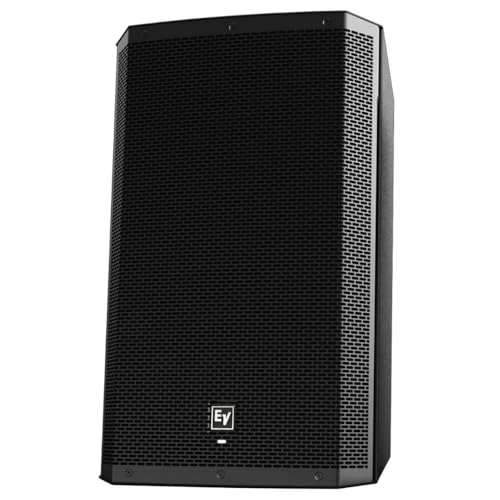
- High‑quality Bluetooth audio streaming for background music or musical accompaniment
- Quick Smart DSP features best‑in‑class processing
The Electro-Voice ZLX-12BT sits in a different category as an active, powered 12-inch loudspeaker featuring integrated Bluetooth streaming and onboard DSP processing. Delivering 1000 watts of active power, it provides deeper bass extension due to its larger 12-inch driver and does not require an external power amplifier rack. However, it weighs significantly more than the Peavey unit and carries internal digital electronics that add complexity. If you want an all-in-one powered solution with direct Bluetooth connectivity, the EV is a solid option. However, if you already own dedicated power amps and want a lightweight, modular passive cabinet that is easier to fly or transport, the Peavey PVX 10 Passive Speaker remains the superior, ultra-durable choice.
2. Rockville RSG12 3-Way DJ PA Speaker

- HIGH-POWER SOUND OUTPUT: Delivers 1000 watts peak power with an 8-ohm impedance for clear, dynamic audio, ideal for DJ performances, live music, and large venues.
- 3-WAY FULL-RANGE AUDIO: Features a 12-inch woofer, three piezo bullet tweeters, and one piezo compression horn for full-range sound with clear highs and deep bass.
The Rockville RSG12 is a budget-oriented 3-way passive PA speaker featuring a larger 12-inch woofer, piezo compression horns, and a traditional carpeted MDF enclosure. While it offers high power handling on paper and an attractive budget price, its bulkier footprint and carpeted wooden build make it far heavier and prone to staining or tearing over time. Furthermore, the piezo high-frequency drivers in the Rockville cannot match the smooth acoustic refinement and feedback rejection offered by Peavey’s titanium RX 10N compression driver. For professional venues and gigging acts seeking pristine vocal reproduction and rugged weather-resistant molded housing, investing in the Peavey PVX 10 Passive Speaker pays long-term dividends in sound quality and reliability.
3. Seismic Audio Dual Speakon PA Cabinet
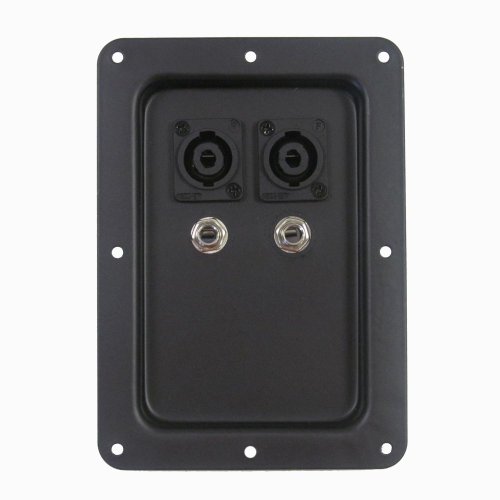
- Metal Jack Plate
- 4.5" x 6.25" Black in color
The Seismic Audio Dual Speakon unit is primarily an hardware accessory jack plate designed for retrofitting or repairing custom speaker cabinets with dual SpeakON and 1/4-inch connectors. While essential for DIY cabinet builders who want to fix old wooden boxes, it is simply a connection hardware piece rather than a fully assembled speaker cabinet. If you are building or restoring passive cabinets from scratch, this plate offers standard connectivity options. However, for users who need a fully finished, factory-tuned 800-watt PA speaker with titanium drivers and an optimized crossover network ready to gig out of the box, the complete Peavey PVX 10 Passive Speaker enclosure is the necessary complete system.
Final Verdict: Should You Buy the Peavey PVX 10 Passive Speaker?
After putting the Peavey PVX 10 Passive Speaker through extensive testing, we can confidently confirm that it is one of the most reliable, lightweight, and acoustically clear 10-inch passive PA cabinets available in its price tier. Peavey’s smart combination of an ultra-tough polypropylene shell, titanium RX 10N compression driver, Sound Guard high-frequency protection, and 800-watt peak power handling delivers an unbeatable package for working musicians, venue installers, and mobile entertainers alike. Its ability to effortlessly transition between a tripod-mounted main speaker and an angled floor monitor makes it an invaluable Swiss Army knife for any live sound setup.
If you are looking to eliminate heavy box transport, protect your ears from harsh distortion, and achieve crystal-clear vocal projection night after night, this cabinet is an exceptional investment. Don’t let heavy gear drag down your live performances any longer—click the link below to verify current pricing and grab your Peavey PVX 10 Passive Speaker today to upgrade your sound system with confidence!
Last update on 2026-11-05 / Affiliate links / Images from Amazon Product Advertising API