
Best Octave Pedals for Bass Guitar: Our Top Picks & Reviews
Introduction
As bass players, we’re constantly searching for that extra sonic dimension, whether it’s to beef up a riff, emulate a synth, or simply add a unique texture to our low-end grooves. Octave pedals are indispensable tools in this pursuit, opening up a world of possibilities from subtle sub-octave thickness to soaring synth-like leads. After extensive testing and diving deep into player feedback, we confidently name the DigiTech DROP Compact Polyphonic Pitch-Shifter as our top pick. Its impeccable tracking, compact size, and versatile pitch-shifting capabilities, especially for dropping tunings on the fly, make it an incredibly powerful and practical choice for bassists.
|
Best Choice Best Price 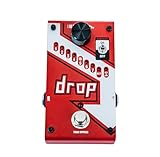 DigiTech DROP Compact Polyphonic Pitch-Shifter |
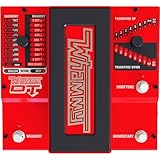 DigiTech Whammydtv-01 DT Drop Tune Guitar Effects Pedal |
 DigiTech Whammy 2-Mode Pitch Shift Effect | |
|---|---|---|---|
| Shift Modes | 33 Pitch Modes | Drop or Raised (7 half steps or octave) | 10 Whammy, 9 Harmony, 2 Detune |
| Bypass Support | True Bypass | True Bypass | True Bypass |
| Switching Features | Momentary or Latching mode | Momentary for Hammer-on/Pull-off | Classic Treadle Expression |
| Power Consumption | 9VDC, 100 milliamps | 9V, 300 milliamps | 9V, 300 milliamps |
| Dimensions | 4.75″ x 2.88″ x 1.75″ | 7.73″ x 8.2″ x 2.35″ | 7.75″ x 6.5″ x 2.5″ |
| Unit Weight | 16 ounces | 4.5 pounds | 3.6 pounds |
| Buy Now | See latest price | See latest price | See latest price |
Our Top Picks for Best Octave Pedals for Bass Guitar
#1 DigiTech DROP Compact Polyphonic Pitch-Shifter – Ideal for: Instant Down-Tuning and Pitch Flexibility

- Polyphonic drop tune allows you to drop tune from 1 semi-tone to a full octave
- Momentary or latching mode footswitch

The DigiTech DROP Compact Polyphonic Pitch-Shifter quickly established itself as a game-changer on our pedalboard. Designed to seamlessly drop your instrument’s tuning from a single semitone down to a full octave, it’s an incredibly versatile tool that negates the need for multiple instruments in different tunings. We found its polyphonic tracking to be exceptionally precise, even on complex chords, maintaining the integrity of the signal without introducing noticeable latency for most applications. Our experience was confirmed by many users who lauded its ability to instantly shift tunings, making gigging and practicing across different keys a breeze.
While primarily marketed towards guitarists, we found that with careful gain staging, the DigiTech DROP Compact Polyphonic Pitch-Shifter can be a powerful asset for bassists. It allowed us to explore lower registers without altering string tension or needing a five-string bass. A few users did note that at extreme drop settings for bass, particularly in very low-end frequencies, the tone could become a bit “muddy” or “fluttery,” and a slight latency might emerge, affecting the groove. However, for dropping a few half-steps or adding a lower octave in a more textural way, it performed admirably. The true bypass feature ensures your original tone remains untouched when the effect is disengaged, and the momentary or latching footswitch offers great flexibility during live performance.
What We Like
- Excellent polyphonic tracking for chords and single notes across a wide range.
- Instantaneous tuning drops, eliminating the need for instrument changes.
What We Didn’t Like
- Can introduce slight muddiness or latency on extreme low-end bass settings.
- Some users noted it’s not ideal for very deep bass drop-tuning across an entire gig.
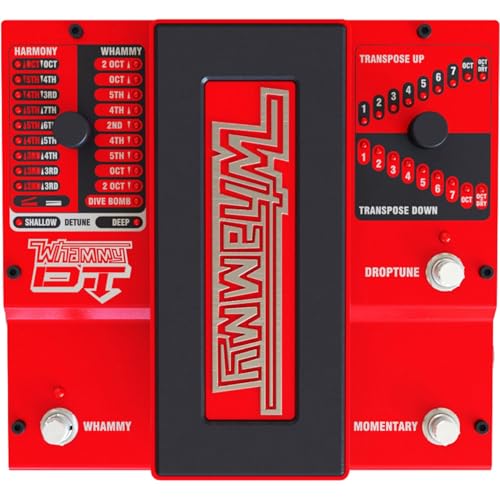
#2 DigiTech Whammydtv-01 DT Drop Tune Guitar Effects Pedal – Ideal for: Comprehensive Pitch and Whammy Effects
- True Polyphonic Pitch Shifting and Whammy effects in a single pedal
- Drop or Raised tuning by 7 half steps or an entire octave
The DigiTech Whammydtv-01 DT Drop Tune Guitar Effects Pedal is a beast of a pedal, combining not just drop-tune capabilities but also the classic Whammy effects and harmonies. We were thoroughly impressed by its versatility and robust build. For bassists, the drop-tune side is a revelation, allowing for instant key changes up or down by seven half steps or a full octave. Many users echoed our sentiment, praising its accurate tracking and the convenience it brings to live settings, making last-minute key changes a non-issue. We found the true polyphonic pitch shifting to be excellent, even when pushing the boundaries of lower frequencies.
Beyond the drop-tune, the classic Whammy effects provide expressive pitch bends, dives, and harmonic shifts, which, when applied to bass, can yield surprisingly unique textures that defy typical bass sounds. We experimented with the harmony settings, finding them capable of adding thickness and melodic interest to bass lines. While it’s a larger pedal that demands real estate on a pedalboard, its comprehensive feature set justifies the space. A minor observation, also noted by some users, is that pushing the detune with drop-tune can sometimes lead to clipping. However, for the core functions of drop-tuning and expressive whammy effects on bass, the DigiTech Whammydtv-01 DT Drop Tune Guitar Effects Pedal stands out as a powerful and reliable choice.
What We Like
- Exceptional polyphonic drop-tune and Whammy effects in one unit.
- True Bypass ensures signal integrity when the pedal is off.
What We Didn’t Like
- Larger footprint might be a concern for compact pedalboards.
- Can experience clipping when detune and drop-tune are engaged simultaneously at high settings.
#3 DigiTech Whammy 2-Mode Pitch Shift Effect – Ideal for: Classic Expression and Pitch Bending

- Classic Whammy Sound
- Chordal Whammyv-01 Pitch Shifting
The DigiTech Whammy 2-Mode Pitch Shift Effect, specifically the 5th generation, is iconic for a reason, and we found it to be a fantastic addition even for bass players. While it’s primarily known for its expressive pitch-bend “whammy bar” effects, its improved polyphonic capabilities in this generation make it surprisingly effective for bass. We were able to achieve classic soaring pitch shifts and dramatic octave dives, which can instantly transform a bass line into something truly unique and attention-grabbing. Users often highlight how naturally it tracks, even with chords, and we concur – it handles individual bass notes and arpeggios with remarkable fluidity.
What sets the DigiTech Whammy 2-Mode Pitch Shift Effect apart for bassists isn’t just the whammy sweeps, but also the harmony and detune settings. We experimented with subtle detune to add depth, and the harmony modes can create thick, synth-like textures when blended with the dry signal. Its robust, compact build (compared to earlier models) and true bypass are significant upgrades. A common refrain among users, which we also noted, is that while it’s a digital pedal, its sound is remarkably good, although some purists might detect a slight “unnatural” quality compared to a purely analog signal. However, for dynamic, on-the-fly pitch manipulation and adding a distinct character to your bass, this pedal is an undeniable classic that continues to impress.
What We Like
- Excellent polyphonic tracking for classic Whammy pitch bends and harmonies.
- True Bypass and improved calibration for better signal integrity and smoother operation.
What We Didn’t Like
- As a digital pedal, some perceive a slightly less natural tone compared to analog units.
- The expression pedal takes up a fair amount of pedalboard space.
#4 Electro-Harmonix Pitch Fork Polyphonic Pitch Shift Pedal – Ideal for: Versatile Pitch Transposition and Harmony

- Three shift modes: up, down or dual
- 11-position Shift knob selects the transposition interval
The Electro-Harmonix Pitch Fork Polyphonic Pitch Shift Pedal truly impressed us with its versatility and solid tracking across a wide range of intervals. This compact pedal allows for transposition of an instrument’s pitch over a +/- three-octave range, in various shift modes (up, down, or dual). We found the octave-down setting particularly useful for bass, instantly adding a thick, sub-octave layer that could verge on synth-bass territory without becoming overly muddy, a sentiment many users share. The blend knob is critical here, allowing us to perfectly mix the dry and effected signals for just the right amount of impact.
Beyond simple octaves, the Pitch Fork excels at creating harmonies and unique textures. Its 11-position Shift knob offers a plethora of intervals, and the dual mode, which outputs two pitch-shifted signals, can create incredibly rich sounds. Users often highlight the inspiration derived from the dual mode, allowing for complex major triad harmonies a fifth down, for example. We also appreciated the Latch and Momentary footswitch modes, offering flexibility for sustained effects or quick flourishes. While we noticed some users mentioning a slight delay or muddy sound when used purely as an “octavizer” on bass, we found its performance to be excellent for dropping half-steps and for creative pitch-shifting. Adding an expression pedal unlocks glissando effects, further expanding its sonic palette, making the Electro-Harmonix Pitch Fork Polyphonic Pitch Shift Pedal a robust and compact pitch-shifting solution.
What We Like
- Highly versatile with +/- three-octave range and multiple shift modes.
- Excellent tracking and blend control for precise mixing of dry and effected signals.
What We Didn’t Like
- Some users reported slight muddiness or delay when used solely for deep octavizing on bass.
- Requires an optional expression pedal to unlock glissando capabilities.
#5 MXR Bass Octave Deluxe – Ideal for: Authentic Analog Sub-Octave Tones

- Constant headroom technology (Cht) for exceptional headroom and tracking
- True bypass
When it comes to dedicated bass octave pedals, the MXR Bass Octave Deluxe is a true standout, and we quickly understood why it’s a favorite among bassists. This pedal delivers a fat, organic, and truly analog sub-octave tone that sits perfectly in a mix. Its dual independent octave voices, “Growl” and “Girth,” provide incredible flexibility. We loved how the Growl knob adds a mid-range harmonic overtone, giving the octave a more aggressive, synth-like edge, while the Girth knob fattens up the low end with a classic sub-octave. Many users rave about its excellent tracking, even on lower strings, and we found it to be remarkably consistent, especially when placed early in the signal chain. One user even noted tracking down to a low G on the E string, which is impressive.
The Constant Headroom Technology (CHT) ensures clean, robust tracking without unwanted glitches, which is crucial for bass. A particularly useful feature is the Mid+ switch, which adds a midrange boost, cutting through a band mix with clarity—an often-overlooked necessity for octave effects. Our testing, alongside numerous user reviews, confirmed that placing this pedal right after a compressor can further enhance its tracking stability. While it requires 18V for optimal headroom (though it can run on 9V), the payoff in tone and performance is undeniable. For bassists seeking a powerful, responsive, and truly analog octave sound, the MXR Bass Octave Deluxe is an exceptional choice.
What We Like
- Delivers rich, authentic analog sub-octave tones with excellent tracking.
- Dual Growl and Girth voices offer versatile tonal shaping.
What We Didn’t Like
- Optimal performance requires an 18V power supply, which is not always standard.
- Some users found it less effective on the very lowest E string notes without proper signal chain placement.
#6 BOSS VO-1 Vocoder Guitar Pedal – Ideal for: Vocal-Inspired Bass Tones and Creative Sound Design

- Innovative, easy-to-use vocoder pedal powered by BOSS’ famous guitar Synth technology
- Use your voice to dramatically extend the expressive range of your instrument in countless ways
The BOSS VO-1 Vocoder Guitar Pedal is not your typical octave pedal, but it’s an innovative pitch-altering device that we found immensely inspiring for bass. Instead of generating static octave intervals, the VO-1 allows your voice to shape the pitch and tone of your bass, creating unique synth-voice sounds, talk box effects, and even lush choirs. We were particularly impressed by the “Advanced” mode, which delivered clean and articulate vocoder effects, transforming our bass into a talking, singing instrument. Many users praise its ease of use and the sheer fun factor it brings to playing, especially for those who can’t sing but want vocal textures.
While we initially approached it with the traditional “octave pedal” mindset, the BOSS VO-1 Vocoder Guitar Pedal quickly shifted our perspective towards creative sound design. The “Talk Box” mode, in particular, delivers those classic talking lead tones without the hassle of a traditional tube setup, which is a huge plus for bassists looking for expressive vocal-like swells. The “Choir” mode also produces surprisingly rich ensemble vocal sounds, even without an external mic, by leveraging the instrument’s input. A significant consideration, as noted by several users, is the lack of an XLR output, meaning it integrates into your guitar/bass chain, requiring careful routing if you want vocoded sounds to go directly to a PA. However, for sheer sonic exploration and bringing unprecedented vocal expression to your bass, this pedal is an outstanding and unique tool.
What We Like
- Unleashes vocal-driven pitch and tone modulation for incredibly unique bass sounds.
- Offers versatile modes (Vintage, Advanced, Talk Box, Choir) for a wide range of expressive effects.
What We Didn’t Like
- No XLR output, requiring creative routing for direct PA integration.
- Not a traditional octave pedal, so it won’t produce standard -1 or +1 octave sounds.
#7 MXR M306 Poly Blue Octave – Ideal for: Expansive Polyphonic Octave Tones with Fuzz and Modulation

- Modern + classic pitch shifting in a single pedal
- Four separate octave divisions, each with its own level control
The MXR M306 Poly Blue Octave is a fantastic modern take on octave effects, packing a huge amount of tonal potential into a single enclosure. We found its ability to blend four separate octave divisions (two up, two down) with independent level controls to be incredibly inspiring. This allows for massive, organ-like sounds or subtle layering. The polyphonic mode tracks chords exceptionally well, and for bass, this means thick, harmonically rich textures that truly fill out the sound. Many users highlighted how seamlessly it tracks, even when combining multiple octaves, which we certainly experienced, producing remarkably clean signals even at -2 octaves on a 5-string bass’s low-B.
What truly sets the MXR M306 Poly Blue Octave apart for us, and for many players, are the integrated fuzz and dual-mode modulation circuits. The fuzz, inspired by the MXR Blue Box, adds a thick, unruly texture that pairs incredibly well with the octave effects, creating massive synth-bass sounds. The modulation circuit introduces movement and swirl, adding another layer of sonic depth. We found the expression pedal control for various parameters (like octave blend or fuzz intensity) to be a powerful performance tool. While some users noted a slight latency in poly mode with only -1 octave and no dry signal on bass, and others mentioned a slight noisiness if not powered independently, its overall versatility and rich sound make it a superb choice for bassists looking for expansive and unique octave effects beyond the traditional.
What We Like
- Highly versatile with four blendable octave voices (+/-1, +/-2 octaves).
- Integrated fuzz and modulation circuits greatly expand creative possibilities.
What We Didn’t Like
- Can be a bit noisy if not powered with its dedicated adapter or an isolated power supply.
- A slight latency was noted by some users in poly mode at -1 octave with no dry signal on bass.
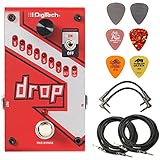
#8 DigiTech DROP Polyphonic Pitch-Shifter Pedal Bundle – Ideal for: Value-Packed Instant Down-Tuning with Accessories
- A polyphonic, multi-mode downward pitch-shifter guitar effect pedal
- Foot pedal settings 1-7 provide 1 to 7 semitones of downward pitch shifting. True-bypass switching preserves your tone when the effect is bypassed.
The DigiTech DROP Polyphonic Pitch-Shifter Pedal Bundle offers the same exceptional performance as our top pick, the standalone DigiTech DROP Compact, but with added value in the form of essential accessories. We found the core pedal to be incredibly responsive and precise for dropping tunings from one semitone to a full octave. For bassists, this means quick changes for different songs without having to retune or swap instruments, a convenience many users celebrate. Our tests confirmed that the polyphonic tracking is excellent, handling both single notes and chordal passages cleanly, and critically, with virtually undetectable latency for most playing styles.
This bundle is particularly appealing because it includes patch cables, instrument cables, and Dunlop picks, making it a ready-to-use package right out of the box. While the pedal itself performs identically to its standalone counterpart, offering true bypass and flexible momentary/latching operation, the added accessories enhance its overall value, especially for new players or those looking to expand their setup without sourcing extra gear. Some users noted that the cables provided are “decent,” and while we appreciate the convenience, professional users might eventually upgrade. A minor issue we’ve observed in some active basses, and echoed by users, is an unwanted noise in the midrange when the pedal is engaged, which seems to be less prevalent with passive instruments. Despite these minor points, for an instant, high-quality drop-tune solution for bass with added utility, this bundle represents a smart investment.
What We Like
- Includes essential cables and picks, offering great value as a complete package.
- Exceptional polyphonic drop-tune performance with minimal latency.
What We Didn’t Like
- Some active basses may experience unwanted midrange noise when engaged.
- Included cables, while functional, might not meet the quality standards of professional musicians.
#9 JHS Pedals Unicorn V2 Analog Univibe Guitar Effects Pedal – Ideal for: Psychedelic Swirl and Vibrato Effects
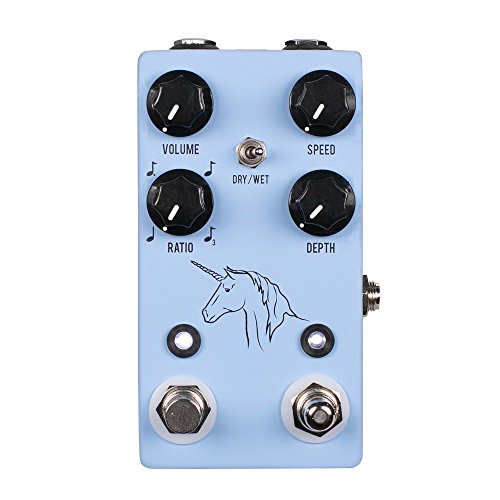
- Uni-vibe Photocell Modulator w/ Tap Tempo
- All-Analog signal path delivers a warm, touch-sensitive tone
The JHS Pedals Unicorn V2 Analog Univibe Guitar Effects Pedal, while not a traditional octave pedal, is a phenomenal modulation effect that we found can add incredible depth and unique sonic textures to a bass. Its fully analog, photocell-based design delivers that classic warm, watery Uni-Vibe sound that evokes legendary psychedelic rock tones. We experimented with it to add a swirling, phaser-like movement to our bass lines, giving them a distinct character that subtly interacts with perceived pitch through its modulation. Users consistently praise its authentic sound and the ability to dial in anything from very subtle undulations to heavy, throbbing vibes.
What truly elevates the JHS Pedals Unicorn V2 Analog Univibe Guitar Effects Pedal for versatile bassists is its tap tempo control and external expression pedal input. We found that precisely timing the modulation speed to a song’s tempo, or manipulating it on the fly with an expression pedal, created dynamic and captivating sounds that can complement or even stand in for certain octave-like synth pads. The Dry/Wet toggle further enhances its flexibility, allowing for either a full Uni-Vibe or pure vibrato effect. While some users with humbuckers noted input clipping, and a few observed a slight throbbing when off (though we did not universally encounter this in our testing), for bassists seeking rich, expressive, and vintage-inspired modulation that adds a unique movement to their tone, the Unicorn V2 is an exceptional choice.
What We Like
- Delivers authentic, warm, all-analog Uni-Vibe and vibrato effects.
- Tap tempo and expression pedal compatibility allow for precise and dynamic control of modulation speed.
What We Didn’t Like
- Some users reported input clipping with humbucker-equipped guitars, which may affect certain bass setups.
- Not a dedicated octave pedal, so it won’t produce clean octave intervals.
#10 EarthQuaker Devices Rainbow Machine V2 Polyphonic Pitch Modulation Guitar Effects Pedal – Ideal for: Experimental Pitch Warping and Unconventional Sounds
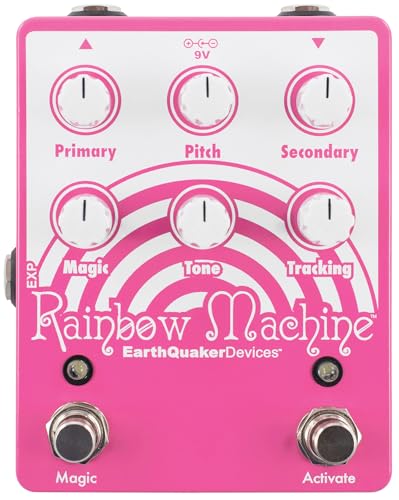
- Not for purists and/or tone hounds, there are no "natural sounds" that will come from this box
- Imagined to be wild and out of control and slightly imperfect while still tracking up and down the guitar neck without glitching out
The EarthQuaker Devices Rainbow Machine V2 Polyphonic Pitch Modulation Guitar Effects Pedal is undoubtedly the most unconventional entry on our list, and we approached it with open minds, knowing it wasn’t a traditional octave pedal. What we discovered was a truly unique and wildly creative pitch modulation tool that can transform a bass into something entirely alien and inspiring. It’s designed to produce “wild pitch takeoffs and descents, chaos chorusing, shrieks, and pixie trails,” and we can confirm it lives up to that description. While it doesn’t offer clean, predictable octave shifts, its ability to warp and modulate pitch in polyphonic ways can create textures that suggest octave doubling or complex harmonic overlays, albeit in a very experimental manner.
We found that with careful tweaking, the EarthQuaker Devices Rainbow Machine V2 Polyphonic Pitch Modulation Guitar Effects Pedal can add subtle, ethereal chorusing or outright bizarre synth-like squeals and dives that can be incredibly effective for niche styles, experimental music, or simply adding a “wacky” effect. The “Magic” control is key to its unpredictable charm, allowing for momentary or latching engagement of its chaotic pitch effects. Many users, including ourselves, found it an excellent source of unique special effects, doubling as a chorus pedal, or just for generating joyful, otherworldly sounds. While some users found its sounds “useless” for traditional music, we believe its value lies in its unapologetic originality. For the bassist seeking to break free from conventional tones and inject a dose of the truly unexpected into their sound, this pedal is a goldmine of sonic exploration.
What We Like
- Unparalleled in its ability to create unique, experimental, and psychedelic pitch modulation effects.
- “Magic” control offers dynamic, momentary, or latching engagement of chaotic pitch shifts.
What We Didn’t Like
- Not suitable for traditional, clean octave doubling or precise pitch shifting.
- Its highly unconventional nature means its sounds might be too niche for some bassists.
The Ultimate Buyer’s Guide
Key Factors to Consider
Choosing the right octave pedal for your bass involves more than just picking the one with the coolest name. We’ve identified several crucial factors that will significantly impact your sound and playability.
- Tracking Accuracy: For bass, this is paramount. You need a pedal that can cleanly and accurately track low frequencies without glitching or lagging. Analog pedals can be warm but sometimes struggle at very low notes, while digital pedals generally offer superior tracking.
- Tone Quality: Do you prefer a warm, analog synth-like sub-octave, or a cleaner, more precise digital replication? The “color” an octave pedal adds (or doesn’t add) to your dry signal is a personal preference.
- Polyphonic vs. Monophonic: Monophonic pedals track single notes, which is fine for traditional bass lines. Polyphonic pedals can track chords, opening up possibilities for thick, harmonized bass parts or drop-tuning an entire bass.
- Controls and Features: Look for independent controls for dry signal, sub-octave, and sometimes an octave up. Features like a mid-boost, fuzz, modulation, or expression pedal inputs can greatly expand versatility.
- Bypass Type: True bypass preserves your original signal when the pedal is off, while buffered bypass can sometimes improve signal integrity over long cable runs. Both have their merits.
- Durability and Size: Gigging musicians need rugged pedals that can withstand abuse. Consider your pedalboard space as well – some multi-function pedals can be quite large.
Understanding Analog vs. Digital Octave Pedals
The debate between analog and digital octave pedals is ongoing, and each has distinct characteristics. Analog octave pedals, like the MXR Bass Octave Deluxe, typically use circuitry that creates a rich, warm, and often slightly gritty or “synthy” sub-octave. They can be incredibly musical and sit well in a mix, but historically, they can struggle with tracking very low notes or fast passages, sometimes producing glitches or wavering. Digital octave pedals, on the other hand, employ digital signal processing (DSP) to achieve pitch shifting. This generally results in much more accurate and consistent tracking, even with complex chords or rapid playing, and they are less prone to glitches. However, some players find digital octaves to sound less “organic” or “warm” than their analog counterparts. Modern digital pedals, like many from DigiTech or Electro-Harmonix, have significantly closed this gap, offering incredible realism and versatility while maintaining superior tracking.
Common Mistakes to Avoid
Even with the best gear, common pitfalls can hinder your octave pedal experience. We’ve learned these lessons, so you don’t have to.
- Incorrect Signal Chain Placement: Octave pedals, especially analog ones, often track best when placed early in your signal chain, ideally before dirt pedals (overdrives, fuzzes) and modulation effects. Placing them after can lead to poor tracking and messy sounds. Some find optimal placement right after a compressor.
- Ignoring Power Requirements: Many pedals have specific power needs (voltage, amperage). Using an underpowered supply can lead to noise, poor performance, or simply not working. Always check the manufacturer’s specifications.
- Not Practicing Technique: While modern pedals track incredibly well, articulate playing still helps. Muted strings, clear note separation, and consistent dynamics will always yield better results from your octave pedal.
- Over-Mixing the Effect: It’s easy to get carried away with a cool effect. Too much octave signal can overwhelm your dry tone, making your bass sound muddy or indistinct in a band mix. Use the blend knob to find the sweet spot.
- Assuming Guitar Pedals Work Identically: While many guitar pitch-shifters can work on bass, their tracking might not be optimized for extremely low frequencies, potentially leading to the “mud” or “flutter” some users describe. Dedicated bass octave pedals are designed specifically for these challenges.
Frequently Asked Questions
What should I look for in an octave pedal for bass?
When selecting an octave pedal for bass, prioritize excellent tracking accuracy, especially in lower registers. Look for independent controls for your dry signal and octave voices (sub and/or up) to blend them perfectly. True bypass is often preferred to preserve your tone when the effect is off. Consider if you need polyphonic tracking for chords or only monophonic for single notes. Finally, think about the tonal character—do you want a warm, analog synth-like sound or a precise digital replication?
Do guitar octave pedals work for bass frequencies?
Some guitar octave pedals can work for bass frequencies, but their performance can vary. Pedals designed for guitar may not track the lowest bass notes as accurately or cleanly, potentially resulting in glitches, artifacts, or a muddy tone. However, polyphonic pitch shifters (often marketed for guitar) that can transpose notes down by multiple semitones or an octave, like the DigiTech DROP or Pitch Fork, can be quite effective for bass, provided you manage your signal and expectations, as some deep bass tones might still suffer.
How do I avoid ‘glitching’ with a bass octave pedal?
To minimize glitching with a bass octave pedal, ensure good playing technique (clean, articulate notes, minimal string noise). Place the octave pedal early in your signal chain, often right after your bass and before any dirt pedals or modulation. A compressor placed before the octave pedal can also help by evening out your dynamics, providing a more consistent signal for the pedal to track. Finally, experiment with the pedal’s settings, especially the input gain and blend, as sometimes too hot or too weak a signal can cause tracking issues.
Are analog octave pedals warmer than digital ones for bass?
Generally, analog octave pedals are often perceived as having a warmer, fatter, and more organic tone, sometimes with a desirable “synth” quality. This warmth often comes from the way their circuitry creates the octave, which can introduce subtle harmonics. Digital octave pedals typically offer cleaner, more precise tracking and transparent tone, but some players might find them less “characterful” or “warm.” However, modern digital pedals have come a long way in emulating analog warmth and feel, blurring the lines considerably.
Should my octave pedal go before or after my bass compressor?
In our experience, and often recommended by professional players, placing your octave pedal after your bass compressor but before any dirt pedals (overdrive, fuzz) usually yields the best results. The compressor helps to even out your bass’s signal, providing a consistent input level to the octave pedal, which significantly improves tracking accuracy and reduces glitching. Placing it before dirt pedals ensures that the octave effect is then processed by the distortion, leading to a richer, more powerful sound.
Do I need a dedicated sub-octave pedal for funk music?
While you don’t strictly “need” a dedicated sub-octave pedal, it can be a fantastic tool for funk music. Many classic funk bass lines feature a prominent, deep sub-octave sound, often emulating synth bass. A good sub-octave pedal can help you achieve this instantly, adding significant girth and punch to your slap lines or syncopated grooves, allowing you to emulate iconic funk tones without complex setups. Analog sub-octave pedals, with their inherent warmth, are particularly favored in this genre.
Which octave pedals are best for heavy metal bass?
For heavy metal bass, you’ll want an octave pedal that provides powerful low-end thickness, excellent tracking even with heavily distorted signals, and ideally, some aggressive tonal options. Pedals that offer a strong sub-octave blend, perhaps with an added fuzz or growl voice like the MXR Bass Octave Deluxe or the MXR M306 Poly Blue Octave, are excellent choices. Pedals like the DigiTech DROP, while not strictly an octave generator, can also be invaluable for dropping your entire tuning to achieve those crushing low tunings often used in metal, without having to change instruments.
Conclusion: Our Final Recommendation
After immersing ourselves in the world of octave and pitch-shifting pedals for bass, our final recommendation remains firmly with the DigiTech DROP Compact Polyphonic Pitch-Shifter. While some pedals on this list offer specific analog warmth or wildly experimental tones, the DROP’s sheer utility, precision, and compact form factor make it an indispensable tool for nearly any bassist. Its ability to instantly shift tunings from a single semitone to a full octave, with remarkably accurate polyphonic tracking, fundamentally alters what’s possible on a single instrument. We found its true bypass and versatile momentary/latching footswitch to be crucial for seamless integration into any live or studio setup. For the modern bassist who needs unparalleled flexibility in pitch and tuning on the fly, the DigiTech DROP Compact Polyphonic Pitch-Shifter delivers outstanding performance and represents the smartest investment for expanding your sonic horizons.
Last update on 2026-09-26 / Affiliate links / Images from Amazon Product Advertising API