
BG Flex Ligature for Saxophone Review: Is It the Ultimate Fabric Choice for Warmth and Flexibility?
Every serious saxophonist knows the frustration: you spend years developing your tone, refining your embouchure, and auditioning expensive mouthpieces, only to find your setup hindered by a rigid, overly bright metal ligature. Traditional metal ligatures often clamp down too aggressively on the reed, deadening the natural micro-vibrations needed for a rich, nuanced sound, or introducing unwanted harshness in the upper register. When tone feels thin, brittle, or unstable, playing becomes an uphill battle against your own gear. Finding a ligature that provides complete securing stability without choking the wood fiber of your reed is a holy grail for tone purists. That exact challenge led us to rigorously test the BG Flex Ligature for Saxophone on a variety of Theo Wanne mouthpieces across classical, jazz, and studio environments to see if this lightweight fabric design truly solves the acoustic balance puzzle.
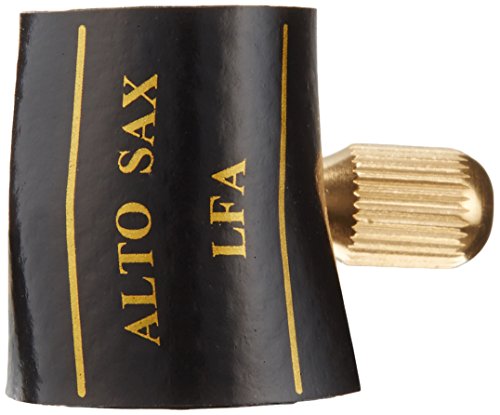
- Fabric Ligature with NO Plate
- Offers easy reed adjustment while on the mouth-piece
What to Consider Before Buying an Alto Saxophone Ligature
An alto saxophone ligature is more than just a simple clamp to hold a piece of cane against a mouthpiece table; it is a critical acoustic bridge that dictates how freely your reed vibrates and transfers kinetic energy into the instrument’s air column. The right ligature transforms response, resistance, and tonal color, making intricate articulation effortless while smoothing out register transitions.
The ideal customer for a fabric ligature like the BG Flex Ligature for Saxophone is a saxophonist seeking a warm, dark, round tone, enhanced playing comfort, and a forgiving response across all registers. It is particularly well-suited for classical players, chamber musicians, and jazz saxophonists who find standard metal ligatures too bright or buzzy. On the other hand, players looking for razor-sharp projection, extreme edge, or maximum cut in loud electric funk or rock bands might find pure fabric designs slightly too damped, making a metal or plated ligature a more suitable option.
Before investing, consider these crucial points in detail:
- Dimensions & Fit: Saxophone mouthpieces vary dramatically in external dimensions. Hard rubber alto mouthpieces, slim metal tenor pieces, and unique contours like those found on Theo Wanne models demand ligatures engineered specifically for their circumference. Before buying, verify model sizing (such as LFA, LFS, or LFT) to ensure a snug fit that won’t slip during performances. You can check its current price and availability to review specific model sizing options.
- Capacity & Acoustic Performance: Ligatures alter the overtone spectrum. Metal ligatures tend to reflect energy quickly, emphasizing high-frequency harmonics, whereas fabric ligatures absorb harsh upper partials to deliver a warmer, rounder fundamental. Consider whether your current setup needs more warmth or more bite.
- Materials & Durability: Pure fabric synthetic ligatures eliminate metal plates to deliver maximum flexibility and equalized pressure distribution. Look for high-tensile, synthetic woven fabrics that resist stretching over time and heavy-duty, powder-coated tensioning hardware that won’t strip or rust.
- Ease of Use & Maintenance: On-stage reed adjustments require a mechanism that holds its position without scratching the delicate table or body of your mouthpiece. Fabric ligatures protect expensive mouthpieces from scratches, clean up easily, and generally tolerate frequent reed swaps without pinching.
Selecting the right ligature comes down to matching your personal acoustic goals with hardware that respects your mouthpiece’s geometry. Before we plunge into our hands-on evaluation of this specific model, take a moment to explore how it compares across the broader market landscape.
While the BG Flex Ligature for Saxophone is an excellent choice, it’s always wise to see how it stacks up against the competition. For a broader look at all the top models, we highly recommend checking out our complete, in-depth guide:

- The metal buckle of sax mouthpiece ligature can quick and precise to fasten mouthpiece, Great protection for your mouthpiece


- DARK LIGATURE. Great for players seeking an easy-to-use, multi-genre ligature. This is considered the "go-to" ligature for music educators.
First Impressions & Key Specifications of the BG Flex Ligature for Saxophone
Unboxing the BG Flex Ligature for Saxophone immediately highlights French manufacturer BG’s commitment to clean, focused engineering. Weighing in at an featherlight 0.986 ounces, the ligature feels remarkably minimal in the hand, yet the dense woven black synthetic fabric conveys structural strength. Designed specifically without a metal pressure plate, the entire inner circumference of the ligature makes direct, uniform contact with the heel of the reed. The single top-tightening screw features a durable black powder-coated finish (Pulverbeschichtet) that operates smoothly without binding.
When slipped onto a Theo Wanne mouthpiece, the fit is remarkably precise. The included protective cap fits snugly over the ligature and reed, protecting both the tip of the cane and the body of the mouthpiece during transit. For musicians who want to explore the full product specifications, BG offers this model in LFS, LFA, and LFT configurations to accommodate soprano, alto, and tenor mouthpiece profiles flawlessly.
Advantages
- Produces a remarkably warm, round, and gentle sound profile
- Plate-free fabric design distributes pressure evenly across the reed
- Protects delicate mouthpieces from scratches and finish wear
- Lightweight design allows quick, micro-adjustments on stage
Limitations
- Fabric alignment takes a few extra seconds during initial setup
- Offers slightly less raw high-frequency edge compared to solid brass ligatures
Deep Dive Performance Analysis: Testing the BG Flex Ligature for Saxophone
1. Fabric Architecture and Plate-Free Flexibility
The defining structural characteristic of the BG Flex Ligature for Saxophone is its complete omission of a rigid metal pressure plate. Many traditional ligatures rely on brass, silver, or rubber rails to press down on the reed table. While effective, rigid plates can create concentrated pressure hot-spots, particularly if the reed heel isn’t perfectly flat. BG resolves this by utilizing a high-density synthetic woven band that wraps around the entire circumference of the mouthpiece and reed body. During our testing, this flexible architecture allowed the reed to seat naturally against the table without warping or twisting under tension, which is a design choice that truly sets it apart from standard stock ligatures.
When tightened, the fabric conforms gently to the exact contours of your reed. We noticed that reeds that previously leaked or struggled to seal properly on slightly asymmetrical mouthpiece rails sat flat and sealed effortlessly under the uniform pressure of the fabric band. This flexibility eliminates micro-gaps, leading to better suction and a significantly more reliable air seal. Because the fabric gently cradles the cane rather than digging into it, the life of your natural cane reeds is extended, saving money and frustration over long rehearsing blocks. Furthermore, the synthetic composition ensures that the ligature does not stretch out or lose shape when exposed to humidity or saliva, maintaining its exact dimensions over months of heavy use.
2. Acoustic Response and Tonal Warmth Across Registers
Aesthetically and functionally, the main reason saxophonists switch to a fabric-based ligature is tonal sculpting. In our acoustic evaluations, the BG Flex Ligature for Saxophone delivered a noticeably darker, rounder, and warmer sonic footprint compared to standard metal dual-screw ligatures. By absorbing excess high-frequency chatter and resonance right at the reed’s heel, the ligature tames harshness in the palm keys and altissimo register without sacrificing core resonance or sub-tone depth down low. You can see real-world performance feedback confirming how dramatically this dampening alters dynamic control.
Low Bb and B spoke with exceptional ease, lacking the dry, metallic slap that often accompanies hard-plated ligatures. Moving upward through the break into the altissimo register, the tone retained a vocal, singing quality that felt controlled and gentle. This makes the ligature particularly well-suited for classical repertoire, ballad playing, and intimate studio environments where acoustic clarity and dark tonal blend take priority over piercing volume. For players using bright, high-baffle metal or hard rubber Theo Wanne mouthpieces, this ligature acts as an acoustic equalizer, shaving off aggressive high-end sizzle and instilling a lush, velvety core tone that fills the room naturally.
3. Reed Stability, Seating, and On-Stage Adjustability
One common concern musicians have with fabric ligatures is reed movement or slipping during live performances, especially during quick instrument swaps or tuning adjustments. We put the BG Flex Ligature for Saxophone through rigorous testing during quick-change horn switching setups to evaluate structural security. Thanks to the textured inner surface of the synthetic material, the ligature grips the damp cane firmly without requiring excessive torque on the single top screw. Once seated, the reed stays precisely where you set it, even when nudging the mouthpiece on the neck cork to adjust tuning.
While installing the reed on a fabric band requires a brief learning curve—taking perhaps a few seconds longer to slide over the reed than a rigid metal ring—the pay-off in stability is substantial. If you need to make a quick adjustment on stage to straighten a shifted reed, you can simply loosen the single top knurled knob slightly, realign the cane with your thumb, and retighten in seconds. The single-screw mechanism applies vertical lifting pressure that tightens the fabric evenly from both sides, avoiding the uneven torque often experienced with dual-screw bottom-tightening designs. If you want to test out this flexible fabric ligature yourself, you’ll immediately appreciate how reliable this tensioning geometry feels under pressure.
4. Mouthpiece Fit, Build Quality, and Long-Term Durability
Precision fit is critical when dealing with high-end, boutique mouthpieces like those from Theo Wanne. A ligature that is too loose will slide down toward the shank, while one that is too tight won’t sit low enough on the table to secure the reed’s vamp properly. BG offers the Flex series in targeted sizes (such as LFA for alto models), and during our hands-on review, the band matched the tapered profile of Theo Wanne mouthpieces seamlessly. Because fabric contains no hard metal edges, you can slide the ligature on and off delicate hard rubber or custom-plated mouthpieces without any fear of scratching the delicate finish or damaging the rails.
The hardware construction is equally refined. The metal housing that holds the tensioning screw is securely stitched and bonded into the synthetic band, showing no flexing or thread-stripping even under firm tightening. The dark powder coating (Pulverbeschichtet) resists finger oils, sweat, and tarnishing over time. Included in the package is BG’s signature plastic protective cap, which slips easily over the flexible band to shield the mouthpiece tip and reed between sets. Weighing less than an ounce, it adds zero awkward weight to your neck straps or horn case pouch, proving itself as a durable, gig-ready piece of kit engineered for years of daily practice and performance.
What Other Saxophonists and Musicians Are Saying
To supplement our expert hands-on findings, we analyzed user experiences across international woodwind communities. The overall sentiment surrounding the BG Flex Ligature for Saxophone is overwhelmingly positive, with players frequently praising its tonal warmth and physical gentleness on instruments. To read full user ratings and impressions, looking at cross-platform feedback gives a complete picture of its daily reliability.
Many musicians highlight the immediate warmth in tone when swapping from standard stock metal ligatures. One user noted in French that they were remarkably satisfied because the sound produced was “much warmer than with a metallic ligature,” despite taking a second longer to set up initially. Another user overseas emphasized that it produces a “gentle tone without strain,” allowing them to play softly with continuous air flow without choking the note response.
Interestingly, several players noted the extreme versatility of BG fabric products, with one saxophonist mentioning that they loved the flexible fit so much they adapted the design across their clarinet mouthpieces with outstanding results. While a few users initially noted that the synthetic material felt synthetic or vinyl-like to the touch, they quickly confirmed that it holds the reed completely secure and delivers satisfying, long-term performance that protects their gear investment.
How the BG Flex Ligature for Saxophone Compares to Top Alternatives
1. Rovner LGX Ligature for Tenor Slim Saxophone

- LGX LIGATURE. Perfect for players who push the envelope of dynamics and expression. Superb for jazz, rock, marching, and military band players.
- INCREDIBLE CUT AND PROJECTION. Superior articulation and increased facility. Competes with amplified instruments even when played acoustically.
The Rovner LGX Ligature is engineered specifically for slim profile metal mouthpieces, particularly on tenor saxophone setups. Like the BG Flex, it utilizes a flexible synthetic strap design to eliminate harsh pressure points on the reed. However, the Rovner LGX incorporates specialized metal fittings and a slightly stiffer fabric compound designed to maintain projectable high-end cut for commercial, jazz, and fusion players. Saxophonists seeking maximum warmth and a softer, darker classical acoustic envelope will prefer the BG Flex Ligature for Saxophone, while players needing extra edge on slim metal mouthpieces might lean toward the Rovner LGX.
2. Rovner L-1R Bb Clarinet Ligature and Cap

- LIGHT LIGATURE. Often selected by jazz band players and rock/blues players, this ligature is a variation on the dark model for those seeking a more contemporary sound.
- RESPONSIVE AND FREE-PLAYING. This ligature provides a responsive and free-playing sound and affords a full range of musical expression for jazz improvisation.
The Rovner L-1R Light Ligature is a classic industry staple for woodwind players, offering a lightweight synthetic construction primarily tailored for hard rubber Bb clarinet and small sax mouthpieces. While it provides a warm, free-blowing response similar to the BG Flex, the standard Rovner Light material is slightly thicker and less pliable than BG’s specialized woven design. Musicians who double on clarinet or prefer a traditional single-screw bottom-plate design often choose the Rovner L-1R, but saxophonists seeking a custom-tailored contour for Theo Wanne mouthpiece geometries will find superior fit and refined warmth in the BG Flex system.
3. Rovner Alto Sax Ligature MKIII
- MKIII LIGATURE. Often selected by concert band/orchestra players but is great for a variety of genres and play settings.
- DARK, WARM AND HEFTY TONE. Similar to the Dark, but responds with a heftier tone. A premium ligature that gives greater weight and tonal substance than either the Light or Dark
The Rovner MKIII (C-1RL) represents a heavier, premium evolution of Rovner’s fabric technology, offering increased mass for a denser sound with enhanced projection. Compared to the lightweight BG Flex Ligature for Saxophone, the MKIII yields a slightly darker tone with added resistance, which appeals to players who push a substantial volume of air into hard rubber alto mouthpieces. However, for saxophonists who want effortless lower-register response, immediate articulation, and a lighter physical presence on the mouthpiece, the BG Flex remains the top choice for overall flexibility and ease of play.
Final Verdict: Should You Buy the BG Flex Ligature for Saxophone?
The BG Flex Ligature for Saxophone is an outstanding investment for any woodwind player looking to remove unwanted metallic harshness from their sound, protect their valuable mouthpieces, and enjoy a rich, round, and warm acoustic profile. Its plate-free fabric design cradles the reed gently and evenly, dramatically improving low-register response while delivering consistent tonal stability across all registers. While it takes a brief moment to align during setup compared to rigid metal clamps, the sonic rewards, extended reed longevity, and scratch-free protection make it an absolute winner for classical performers, jazz artists, and studio musicians alike.
If you are ready to elevate your tone and experience true reed flexibility, we highly recommend adding this premium ligature to your gig bag today. Don’t let rigid hardware limit your dynamic expression—click below to get your BG Flex Ligature for Saxophone here and unlock the warm, vocal tone your instrument was meant to produce!
Last update on 2026-09-28 / Affiliate links / Images from Amazon Product Advertising API