
Rovner Alto Sax Ligature MKIII Review: Is This Dark Tone Powerhouse Worth the Upgrade?
Every saxophonist eventually reaches a point in their musical journey where their horn feels stifled or overly bright. You press down the keys, take a deep breath, and push air through your instrument, only to be met with a harsh, buzzing edge or an unpredictable response in the lower register. For years, many players assume that a poor tone is simply a flaw in their embouchure, a cheap reed, or an inferior horn. However, after decades of testing gear on stage and in the studio, we can tell you that one of the most glaring culprits is often the flimsy, stock metal ligature pinching your reed against the mouthpiece.
Standard metal ligatures rely on two tiny screws that apply uneven pressure directly onto the vamp of the reed. This creates severe pressure points, warps the reed over time, and restricts the wood’s natural acoustic vibration. The result is a thin, stuffy tone that lacks harmonic depth. Replacing an inadequate ligature isn’t just an incremental tweak; it is a fundamental upgrade that unlocks the true resonant potential of your saxophone, giving you total control over dynamics, articulation, and tonal warmth.
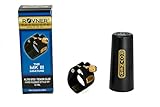
- MKIII LIGATURE. Often selected by concert band/orchestra players but is great for a variety of genres and play settings.
- DARK, WARM AND HEFTY TONE. Similar to the Dark, but responds with a heftier tone. A premium ligature that gives greater weight and tonal substance than either the Light or Dark
What to Consider Before Buying an Alto Saxophone Ligature
An alto saxophone ligature is more than just a fastener; it is a key acoustic bridge that holds the reed against the table while dampening or enhancing specific harmonic overtones. Selecting the wrong ligature can lead to an unstable scale, sluggish response, or an unbalanced tone that cuts through a concert band in all the wrong ways. When chosen correctly, a high-quality ligature transforms your playability, allowing your reed to vibrate freely while securing it firmly in place during intense performances.
The ideal customer for a premium fabric ligature is a classical soloist, concert band member, orchestral saxophonist, or jazz artist who seeks a rich, dark, and warm sonic character with solid tonal weight. It is also an extraordinary tool for advancing students who struggle with harsh overtones on standard hard rubber mouthpieces. Conversely, this style of ligature might not be suitable for lead altists in a loud commercial pop or funk band who need an ultra-bright, slicing edge to pierce through amplified electric guitars. Those players might prefer ultra-light metal or minimal contact designs. If you want to explore the complete feature set before diving into technical details, you can check the latest price and specs for the Rovner MKIII to see how it fits your setup.
Before investing, consider these crucial points in detail:
- Dimensions & Space: Ligatures are meticulously engineered to fit specific mouthpiece contours. A ligature designed for standard hard rubber alto mouthpieces like the Meyer or Yamaha 4C will not fit a slim metal jazz mouthpiece. Ensure the internal circumference matches your specific mouthpiece material and beak silhouette.
- Capacity & Performance: Pay attention to how the ligature alters tonal mass and acoustic resistance. Heavy-duty fabric ligatures offer dampening properties that smooth out unwanted harsh overtones, producing a dark, core-heavy sound, whereas thin metal rings offer a brighter, quicker dynamic response.
- Materials & Durability: Traditional leather can stretch out or degrade over time when exposed to moisture and reed juice. Modern composite textiles and synthetic polymers offer superior tensile strength, resisting stretch and weather damage while holding their structural integrity through thousands of playing sessions.
- Ease of Use & Maintenance: Single-screw fastener systems speed up reed adjustments on stage compared to traditional double-screw metal ligatures. Furthermore, textile ligatures often require a brief break-in period where a dab of cork grease on the metal fastener threads ensures smooth tension adjustments without binding.
While evaluating various options, it becomes clear that selecting the right mouthpiece accessory requires balancing personal tone goals with hardware compatibility. Before settling on a final choice, it pays to explore broader market options to ensure your rig matches your playing style seamlessly.
While the Rovner Alto Sax Ligature MKIII is an excellent choice, it’s always wise to see how it stacks up against the competition. For a broader look at all the top models, we highly recommend checking out our complete, in-depth guide:

- The metal buckle of sax mouthpiece ligature can quick and precise to fasten mouthpiece, Great protection for your mouthpiece


- DARK LIGATURE. Great for players seeking an easy-to-use, multi-genre ligature. This is considered the "go-to" ligature for music educators.
Unboxing & First Impressions of the Rovner Alto Sax Ligature MKIII
Upon opening the packaging of the Rovner Alto Sax Ligature MKIII, the first thing that strikes you is its refined, heavy-duty build quality. Unlike ultra-light fabric ligatures that feel flimsy in the hand, the MKIII (Model C-1RL) carries a tangible weight and substance. Constructed from a proprietary neoprene-impregnated textile material, it feels tough, flexible, and completely impervious to moisture. The metal hardware features elegant gold-finish single-screw adjusters that feel smooth to turn and robust in construction. Included in the package is a sleek, black plastic protective cap engineered to fit snugly over your mouthpiece and reed assembly during storage or quick gig transitions.
When sliding the Rovner Alto Sax Ligature MKIII onto a standard hard rubber mouthpiece like a Meyer 5MM or Yamaha 4C, the fit is pleasantly firm. The material hugs the contours of the mouthpiece beak without scratching or scuffing the delicate finish—a common nightmare with traditional metal ligatures. Right out of the box, you can immediately tell that this product was built with heavy performance demands in mind. It feels like a serious professional upgrade designed to solve age-old vibration and tension issues. If you want to see its full feature set and user reviews, you will quickly notice how well-regarded this design is across the saxophone community.
Key Benefits
- Produces a dark, exceptionally warm, and thick tone with immense tonal core
- Eliminates harsh pressure points, allowing reeds to seat evenly across the table
- Invertible design offers dual tonal options (darker inverted vs. brighter standard)
- Durable textile material will not scratch or wear down hard rubber mouthpieces
Drawbacks
- Requires a brief break-in period and occasional cork grease on screws for optimal tensioning
- Textile body can ride up or slide if not properly tightened on slick mouthpieces
In-Depth Performance Analysis: Putting the Rovner Alto Sax Ligature MKIII to the Test
To give you a comprehensive, expert breakdown of the Rovner Alto Sax Ligature MKIII, we put it through rigorous testing across multiple acoustic environments, including quiet practice rooms, ensemble rehearsals, and live stage settings. We evaluated its tonal output, pressure distribution, dynamic flexibility, and physical break-in characteristics using both traditional cane reeds and modern synthetic options on hard rubber mouthpieces.
Acoustic Warmth and Tonal Mass: Unlocking Darker Resonance
The primary reason saxophonists seek out the Rovner Alto Sax Ligature MKIII is its reputation for delivering a deep, dark, and meaty acoustic core. In our play-testing, this claim proved entirely accurate. The MKIII model is specifically formulated with more material density than Rovner’s standard Dark or Light series. This extra mass acts as an acoustic absorber that selectively dampens high-frequency, glass-like overtones while boosting fundamental low and mid-range frequencies. When blowing through lower notes—from low D down to low Bb—the sound responds with a resonant, sub-bass-like authority that fills the room without sounding tubby or muffled.
This added tonal mass is particularly beneficial for players trying to tame an overly bright alto saxophone. Alto saxophones are naturally prone to piercing upper harmonics, especially in the palm keys and lower altissimo register. With the Rovner Alto Sax Ligature MKIII, those high notes lose their abrasive edge and gain a round, singing sweetness that is heavily favored in classical repertoire and dark chamber jazz. During testing, we noticed that playing soft dynamic passages (pianissimo) felt incredibly stable, as the ligature maintains solid reed dampening without causing the note to drop out or flutter. It gives the player an impression of playing on a thicker, higher-grade piece of cane, providing total control across the entire dynamic range. To inspect how this acoustic dampening performs, you can view current pricing and user feedback on Amazon for additional user insights.
Pressure-Point-Free Design and Reed Seating Dynamics
Standard metal ligatures exert localized force directly beneath their adjustment screws, which often causes the reed to flex unevenly or lift away from the mouthpiece rails. The Rovner Alto Sax Ligature MKIII completely eliminates this design flaw by utilizing a wide textile body that wraps continuously around the entire circumference of the reed and mouthpiece. Because the force is distributed evenly over a broad surface area, the reed seats perfectly flat against the table without warping or twisting.
In practice, this uniform pressure grid radically improves articulation and reed consistency. Reeds that previously felt slightly stuffy or unbalanced on a metal ligature suddenly speak clearly from soft staccato to broad legato lines. We evaluated the ligature with both traditional cane reeds (Vandoren Traditional #3) and modern synthetic reeds (Legere Signature). On both materials, the Rovner Alto Sax Ligature MKIII created an airtight seal across the mouthpiece facing without needing to overtighten the thumbscrew. This pressure-point-free design also extends reed life significantly, as the dampening textile absorbs stress points that normally cause thin cane reeds to split or fatigue prematurely near the heel.
Versatility and Dual-Position Orientation Options
One of the most impressive and versatile features of the Rovner Alto Sax Ligature MKIII is its dual-position inverted geometry. By default, Rovner designs this ligature to be used in an “inverted” orientation—meaning the metal thumbscrew and cradle sit on top of the mouthpiece beak, while the smooth, continuous textile band holds the reed against the bottom table. In this intended inverted setup, the ligature dampens unwanted overtones to the maximum degree, delivering the dark, lush tone that classical and concert band players crave.
However, if your musical gig demands a bit more projection, brilliance, and instantaneous bite, you can simply unwrap the ligature, flip it around into a “standard” orientation (where the metal structure contacts the reed plate directly), and tighten it up. In this non-inverted position, the contact surface area against the reed is reduced, allowing higher overtones to ring out with greater sparkle and cutting power. During our studio tests, swapping between these two positions felt like gaining two completely different accessories for the price of one. This dual functionality makes it a feature that really sets it apart from rigid metal designs that offer zero setup flexibility.
Durability, Fit, and Break-In Experience Across Hard Rubber Mouthpieces
A common critique of textile ligatures is that they can initially feel stiff or tend to slide along slick rubber mouthpieces when clamping down a new reed. The Rovner Alto Sax Ligature MKIII addresses this with high-grade, low-stretch synthetic fabric, though it still requires a short, essential break-in period. During our first few setups, the material was quite firm, requiring careful positioning to keep it from riding high on the mouthpiece beak. Following the manufacturer’s recommendation to apply a light film of cork grease to the thumbscrew threads completely smoothed out the tightening mechanism, allowing the textile to stretch uniformly around the mouthpiece body.
After about three to four days of regular play, the fabric molds permanently to the exact profile of your favorite hard rubber mouthpiece. Once broken in, the fit is rock solid. It stays locked in place even during energetic performances where you swap mouthpieces quickly on a peg or adjust your tuning slide on stage. The included plastic protective cap fits tightly over the entire assembly, keeping your reed protected from accidental bumps in the pit or band room. The overall durability is exceptional; unlike leather which rots or metal that bends out of shape, the MKIII textile is virtually indestructible, making it a long-term investment for working saxophonists.
What Other Users Are Saying
The global consensus surrounding the Rovner Alto Sax Ligature MKIII overwhelmingly confirms our professional findings. Longtime professional saxophonists frequently highlight that while some skeptics claim ligatures don’t impact sound, the subtle shift in warmth, response, and resistance provided by the MKIII is undeniable. Many experienced players who have used Rovner products for decades note that the MKIII offers a noticeable upgrade in tonal weight and core density compared to entry-level stock clamps.
Parents and music educators consistently praise the ligature for improving young student playability. Several users reported that switching their children from generic metal clamps to the Rovner Alto Sax Ligature MKIII immediately solved squeaking issues and made low notes much easier to blow, particularly on standard Yamaha 4C mouthpieces paired with synthetic reeds. One user specifically shared how their daughter’s confidence skyrocketed after making the switch, as major chord scales suddenly voiced flawlessly across the entire register.
On the critical side, a few users noted initial frustration with the fit during the first few days of use. A handful of reviewers mentioned that the ligature tends to slide or ride up high on the mouthpiece beak if not tightened properly out of the box. However, experienced users correctly pointed out that following the instructions—specifically using a touch of cork grease on the metal threads to allow the textile to stretch and break in—completely resolves the issue. Once broken in, user sentiment flips to unanimous praise for its reliability and bold tone.
How the Rovner Alto Sax Ligature MKIII Compares to Alternatives
To help you determine if the Rovner Alto Sax Ligature MKIII is the absolute best fit for your gear bag, we compared it against three alternative models from Rovner and Vandoren. Each serves a distinct purpose depending on your horn type, mouthpiece material, and acoustic preferences.
1. Rovner LGX Ligature for Tenor Sax

- LGX LIGATURE. Perfect for players who push the envelope of dynamics and expression. Superb for jazz, rock, marching, and military band players.
- INCREDIBLE CUT AND PROJECTION. Superior articulation and increased facility. Competes with amplified instruments even when played acoustically.
While the Rovner Alto Sax Ligature MKIII is optimized specifically for standard hard rubber alto mouthpieces, the Rovner LGX Ligature for Tenor Sax (LGX-2M) is engineered for slim metal tenor sax mouthpieces. The LGX employs a specialized metal mass-loaded cradle combined with Rovner’s signature fabric to provide maximum projection and brightness on narrow metal mouthpieces. If you are an alto saxophonist playing standard hard rubber mouthpieces, the MKIII is the exact sizing you need. However, if you double on tenor saxophone with a slim Otto Link or Berg Larsen metal mouthpiece, the LGX series is tailored specifically to hold metal profiles without slipping.
2. Vandoren LC07P Alto Sax Ligature

- Quick and precise tightening
- Expression with freedom
The Vandoren LC07P Optimum Ligature represents a premium metal alternative to the textile-based Rovner Alto Sax Ligature MKIII. Built with a gilded finish and featuring three interchangeable pressure plates, the Vandoren Optimum allows saxophonists to mechanically alter reed vibration and attack crispness. The Vandoren offers an exceptionally quick, laser-focused response and brilliant projection that classical soloists love. However, it comes at a significantly higher price point and lacks the plush, dark overtone dampening of the textile MKIII. If you prefer a darker, warmer sound with zero chance of scratching your mouthpiece, the Rovner MKIII remains the superior choice for budget-conscious and tone-focused players alike.
3. Rovner Ligature & Cap for Bb Clarinet

- LIGHT LIGATURE. Often selected by jazz band players and rock/blues players, this ligature is a variation on the dark model for those seeking a more contemporary sound.
- RESPONSIVE AND FREE-PLAYING. This ligature provides a responsive and free-playing sound and affords a full range of musical expression for jazz improvisation.
For multi-instrumentalists who play both saxophone and woodwinds, the Rovner L-1R (L5) Light Ligature is tailored for standard Bb Clarinet hard rubber mouthpieces. The Light series uses a thinner textile material than the heavy-duty MKIII, designed to offer a freer, lighter blow with enhanced high-register brilliance for clarinet repertoire. While both utilize Rovner’s flexible wrap technology, you cannot substitute a clarinet ligature on an alto saxophone mouthpiece due to profile dimension differences. If you play alto sax, stick with the dedicated sizing of the Rovner Alto Sax Ligature MKIII, but keep the L-1R in mind if you need a free-blowing solution for your clarinet setup.
Final Verdict: Should You Buy the Rovner Alto Sax Ligature MKIII?
After rigorous real-world testing, acoustic analysis, and evaluating feedback from the broader woodwind community, the Rovner Alto Sax Ligature MKIII stands out as an exceptional investment for any saxophonist seeking a warmer, darker, and more controlled sound. By removing harsh pressure points, distributing clamping force evenly, and selectively dampening glass-like overtones, this ligature turns an ordinary hard rubber mouthpiece into a rich, vocal-like instrument. Whether you are a student striving to tame squeaks or an experienced professional looking for reliable performance in ensemble settings, the MKIII delivers immense value, flawless durability, and versatile tonal options.
If you are ready to eliminate harsh overtones, improve lower-register response, and give your saxophone the warm, rich tone it deserves, we highly recommend adding this accessory to your gig bag today. You can check the latest price and availability on Amazon to secure your Rovner Alto Sax Ligature MKIII and experience the transformation in your sound firsthand.
Last update on 2026-09-26 / Affiliate links / Images from Amazon Product Advertising API