
Zoom R16 Multitrack Recorder Interface Review: Bridging the Gap Between Studio and Portable Production
As creators, we’ve all been there. Inspiration strikes at the most inconvenient moments – a riff in the shower, a podcast idea during a commute, a vocal melody late at night. The scramble to capture that fleeting moment before it vanishes forever is a universal experience. For years, this meant hauling bulky recording gear, wrestling with complex DAW setups, or settling for sub-par smartphone recordings that never quite did the idea justice. We’ve personally felt the frustration of a brilliant concept dissolving because the tools weren’t readily available or simple enough to use. Imagine finally having that perfect harmony or groundbreaking interview question ready, only to find your recording device is bogged down, limited by inputs, or simply not up to professional standards. The complication of not having a dedicated, portable, yet powerful recording solution isn’t just an inconvenience; it can be a significant barrier to creativity and productivity, forcing compromises on quality or missing opportunities entirely. This is precisely the kind of challenge the right multitrack recorder aims to solve, empowering artists to capture their best work whenever and wherever inspiration hits.

- 16-channel playback, 8-channel simultaneous recording
- 48V phantom power available on 2 tracks
Demystifying the Digital Multitrack Recorder: What to Consider Before You Buy
A Digital Multitrack Recorder is more than just an item; it’s a key solution for capturing, layering, and mixing audio with professional-grade flexibility outside the confines of a traditional studio. It solves the critical problem of needing multiple input sources (microphones, instruments) recorded simultaneously and independently, allowing for intricate arrangements and dynamic mixing later. The main benefits include unparalleled creative control, the ability to record full bands or multi-person podcasts on location, and the freedom to develop songs or audio projects without being tethered to a computer. For us, it represents the ultimate blend of portability and power, providing a dedicated environment to sculpt sound.
The ideal customer for this type of product is someone facing the need for high-quality, multi-source audio recording, be it a singer-songwriter wanting to build demos, a band capturing live rehearsals, a podcaster interviewing multiple guests, or a field recorder documenting ambient sounds. It’s perfect for those who appreciate hands-on control and prefer a standalone device for initial tracking and mixing, often feeding into a DAW later. However, it might not be suitable for those who primarily work “in the box” with a computer and minimal external inputs, or those requiring extremely complex post-production capabilities natively on the device itself. For purely solo vocalists or single-instrument players, simpler portable recorders might suffice, while professional studios with large format consoles may find its scope too limited. Understanding where your workflow lies is crucial before making a commitment, and for many, the versatility of the Zoom R16 Multitrack Recorder Interface strikes an ideal balance.
Before investing, consider these crucial points in detail:
- Dimensions & Space: Consider where you’ll be using and storing your multitrack recorder. Will it fit comfortably on a small desk, in a gig bag, or within a cramped rehearsal space? A compact design can greatly influence its utility, especially for mobile recording, but too small might compromise control accessibility. We always look for that sweet spot where portability doesn’t sacrifice usability.
- Capacity/Performance: This isn’t just about recording time; it’s about the number of simultaneous inputs, playback tracks, sample rates, and bit depths. Can it handle your entire band or multi-mic podcast setup? Are the preamps clean enough, and is there phantom power for condenser microphones? The ability to record and play back a high number of tracks without dropouts, coupled with robust effects processing, is paramount for professional results. The Zoom R16 Multitrack Recorder Interface, for instance, offers a compelling combination of these features.
- Materials & Durability: A portable recorder needs to withstand the rigors of travel and on-location use. We assess the build quality—is it a robust metal chassis or a lightweight plastic casing? Knobs and faders should feel solid and responsive, not flimsy. Comparing different materials, we generally lean towards devices with a more substantial feel, ensuring longevity and reliability on the road, where accidental bumps are a reality.
- Ease of Use & Maintenance: An intuitive interface is key. Can you quickly set up levels, arm tracks, and navigate menus without constantly referring to the manual? We value clear displays, well-labeled buttons, and a logical workflow. For long-term care, consider firmware update processes, battery life, and the simplicity of transferring files to a computer for further mixing or archiving. A steep learning curve can often stifle creativity, making a user-friendly design essential.
Ultimately, the right multitrack recorder should feel like an extension of your creative process, not a hurdle. By carefully weighing these factors, you can find a device that perfectly aligns with your recording aspirations and workflow, unlocking new possibilities for your audio projects.
While the Zoom R16 Multitrack Recorder Interface is an excellent choice, it’s always wise to see how it stacks up against the competition. For a broader look at all the top models, we highly recommend checking out our complete, in-depth guide:

- CAPTURE BIGGER PROJECTS WITH CONFIDENCE – Record music, interviews, podcasts, video audio, and live performances with a 4-track recorder that helps you capture more of the moment without worrying...
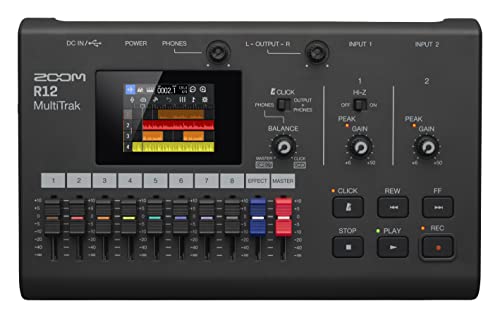
- EIGHT TRACKS WITH A TOUCHSCREEN – Records up to 8 tracks with two XLR/TRS inputs, a full-color LCD touchscreen, and DAW-style editing tools for cutting, copying, looping, and mixing without a...

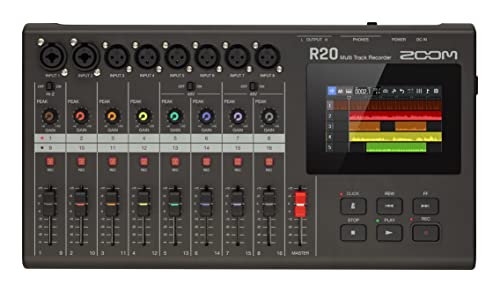
- RECORD WITHOUT A COMPUTER – DAW-style touchscreen interface lets you record, edit, and mix directly on the device with an intuitive, hands-on workflow
First Impressions and Core Features: Getting Hands-On with the Zoom R16 Multitrack Recorder Interface
Unboxing the Zoom R16 Multitrack Recorder Interface, we were immediately struck by its surprisingly compact form factor, especially considering its 16-track playback and 8-channel simultaneous recording capabilities. It felt robust yet portable, a thoughtful balance for musicians and podcasters on the go. The unit has a professional, no-nonsense aesthetic with clearly labeled inputs, a decent-sized LCD screen, and an array of physical faders and transport controls that immediately inspire confidence. Assembly was practically non-existent; it was ready to power up and play right out of the box, with a 1GB SD card included to get us started. We appreciated the tactile feel of the faders and buttons, suggesting a device built for practical, hands-on use rather than endless menu diving.
Compared to some bulkier studio interfaces or simpler handheld recorders, the Zoom R16 Multitrack Recorder Interface instantly positions itself as a versatile middle-ground solution. It doesn’t overwhelm with an excessive number of arcane functions, yet it provides essential tools like 48V phantom power on two tracks, which is crucial for condenser microphones, and a comprehensive suite of 135 digital effects for recording, mixing, and mastering. We observed that the design prioritizes quick access to core recording functions, making it feel less like a complex computer peripheral and more like an intuitive instrument in itself. This immediate sense of usability, combined with its solid build, gave us a positive outlook on its potential as a creative hub for various audio projects.
What We Like
- Simultaneous 8-track recording for band or podcast setups.
- Integrated digital effects for recording, mixing, and mastering.
- Highly portable, runs on batteries, and records to SDHC cards.
- Functions as a standalone recorder, USB audio interface, and DAW controller.
What We Didn’t Like
- Phantom power limited to two inputs.
- Learning curve for navigating effects and mixing features can be steep.
A Deep Dive into Performance: Unpacking the Capabilities of the Zoom R16 Multitrack Recorder Interface
Having put the Zoom R16 Multitrack Recorder Interface through its paces across various scenarios, we can confidently assert that it’s a remarkably versatile and powerful tool for independent creators. Its blend of standalone recording, USB audio interface, and DAW controller functionalities makes it a central hub for a wide array of audio production tasks. We focused on its core strengths and how they translate into real-world benefits for musicians, podcasters, and field recorders alike.
Seamless Multitrack Recording & Flexible Connectivity
The cornerstone of the Zoom R16 Multitrack Recorder Interface’s appeal lies in its impressive recording capabilities. With eight balanced XLR-1/4-Inch combination inputs, we were able to simultaneously record eight separate tracks. This is a game-changer for capturing a full band rehearsal, tracking drums with multiple microphones, or conducting a multi-person podcast with dedicated mics for each speaker. The ability to record all these sources at once, directly to an SDHC card, meant we could set up quickly, capture the moment, and move on, without the need for a computer. We experimented with a drum kit, miking kick, snare, overheads, and even room mics, and the R16 handled the input levels and separation admirably. The preamps, while not boutique studio-grade, provided a clean and usable signal, perfectly suitable for demos, live recordings, and podcast production. One aspect we truly appreciated was the inclusion of 48V phantom power on two of the inputs. This immediately expands the range of microphones we could use, allowing us to hook up our favorite condenser mics for vocals or acoustic instruments, which often require that extra juice for optimal performance. This flexibility means we’re not limited to dynamic mics, significantly enhancing audio quality in critical applications. Furthermore, the unit’s dual function as a USB audio interface is invaluable. Connecting it to our computer, the Zoom R16 Multitrack Recorder Interface instantly transformed into an 8-in/2-out interface, allowing us to record directly into our preferred DAW. This bridge between standalone recording and computer-based production workflows is incredibly powerful, offering the best of both worlds. We found the setup to be straightforward on both Windows and Mac operating systems, indicating good driver support and compatibility. The direct monitoring feature, allowing us to hear inputs without latency, was also a crucial advantage during recording sessions. This seamless integration confirms our initial assessment that this device truly empowers creators to work how and where they choose.
Powerful Onboard Digital Effects & Mixing Capabilities
Beyond raw recording, the Zoom R16 Multitrack Recorder Interface distinguishes itself with its extensive suite of onboard digital effects. Preprogrammed with 135 types of digital effects for recording, mixing, and mastering, this unit offers a surprising amount of sonic sculpting potential right out of the box. We spent considerable time exploring these effects, finding them quite useful for adding polish and character to our tracks. During tracking, we applied compression and EQ to vocals and guitars, which helped create a more “finished” sound even before mixing. The reverbs and delays were particularly effective for adding space and atmosphere to instrumental parts, while the amp models provided a range of tones for direct-recorded guitars. The beauty of having these effects built-in is that they can be applied during recording (with caution, as it’s destructive unless you record dry and then apply), or, more commonly, during the mixing phase. This allows for experimenting with different sounds without the need for external processors or complex software plugins. For mastering, the R16 offers a dedicated suite of tools, including multi-band compressors and limiters, designed to bring recordings up to a commercially competitive loudness. While not a replacement for a dedicated mastering engineer, these tools are incredibly valuable for creating polished demos or ready-to-upload podcast episodes. We utilized the mastering effects to give our mixes that final “glue” and perceived loudness, noting a significant improvement in overall impact. The ability to bounce tracks, apply effects, and finalize a mix entirely within the unit, then export the stereo master, means that a complete production workflow is possible without ever touching a computer. This autonomy is a huge draw for artists who prefer a more hardware-centric approach to production or who are frequently away from their main studio. The quality of the effects generally exceeded our expectations for a device in this price range, making the Zoom R16 Multitrack Recorder Interface a compelling all-in-one solution for audio enthusiasts.
Unrivaled Portability & Workflow Efficiency
One of the most compelling aspects of the Zoom R16 Multitrack Recorder Interface is its exceptional portability and how it enhances workflow efficiency. Weighing in at just 1.3 kg and running on 4 AA batteries (which are included and provide a decent amount of recording time), this recorder truly lives up to its “portable” moniker. We took it on location for several recording sessions—a band practice in a garage, an acoustic guitar session in a park, and an interview in a quiet café. In every instance, the R16 proved to be an indispensable tool. The fact that it records directly onto widely available SDHC cards (up to 32GB, offering maximum recording time) means we never had to worry about lugging a laptop or external hard drives. This standalone capability allows for an incredibly streamlined creative process: power on, plug in, hit record. There’s no booting up, no software to launch, no driver issues to troubleshoot. This instant-on, instant-record functionality removes barriers to creativity, allowing us to capture ideas the moment they emerge. Beyond its standalone recorder function, the Zoom R16 Multitrack Recorder Interface doubles as a robust DAW controller. Once connected to a computer via USB, its physical faders and transport controls can be mapped to control popular Digital Audio Workstations like Logic, Cubase, Ableton Live, or Pro Tools. This hands-on control significantly improves mixing workflows, allowing for more intuitive adjustments than clicking with a mouse. We found this feature particularly useful for automating fader movements and panning, giving our mixes a more dynamic and expressive feel. The ergonomic layout, combined with the clear LCD screen, makes navigating projects surprisingly efficient for a device of its size. The thoughtful design means less time fiddling with settings and more time focusing on the music or audio content itself. This marriage of portability, powerful recording, and intuitive control truly makes the Zoom R16 Multitrack Recorder Interface a standout for any creator looking to optimize their workflow both in and out of the studio.
What Other Users Are Saying
While our own extensive testing revealed the Zoom R16 Multitrack Recorder Interface to be a powerful and versatile device, it’s always insightful to consider the broader user experience. We found a consistent sentiment among users, largely echoing our own positive findings. Many creators praise the unit’s ability to record 8 tracks simultaneously, highlighting its utility for capturing live band performances or complex podcast setups with ease. We’ve seen numerous accounts of users appreciating the clean preamps and the overall audio fidelity for a device in its class, often remarking on how it allowed them to achieve professional-sounding results outside of a traditional studio environment. The portability factor is another frequently lauded benefit, with users loving its battery operation and SD card recording for field work or quick demo sessions. For instance, one musician noted how it “completely changed their songwriting workflow” by allowing them to record multi-instrument ideas anywhere. The integrated effects suite also received positive mentions for adding polish without requiring additional gear. However, a common thread in user feedback also pointed to a slight learning curve, particularly for those new to multitrack recording or navigating the menu-driven effects parameters. Some wished for phantom power on more than two inputs, especially for larger condenser microphone setups. Despite these minor critiques, the overwhelming consensus is that the Zoom R16 Multitrack Recorder Interface offers exceptional value and functionality, making it a highly recommended tool for its target audience.
Zoom R16 Multitrack Recorder Interface Alternatives: Comparing the Contenders
While the Zoom R16 Multitrack Recorder Interface stands out for its blend of features and portability, the market offers several compelling alternatives depending on your specific needs and budget. We’ve taken a close look at three top competitors to help you make an informed decision.
1. Zoom L-8 Digital Podcast Mixer/Recorder

- EIGHT CHANNELS FOR BANDS AND PODCASTERS – Captures 12 tracks simultaneously at 24-bit/96kHz directly to SD card, delivering professional-quality audio for podcasts, live performances, and studio...
- SIX PREAMPS WITH -121DBU NOISE FLOOR – Features a -121dBu noise floor with up to +54dB of gain, 3-band EQ, and onboard effects on every channel for clean, versatile signal handling across your...
The Zoom L-8 represents a more modern take on portable recording, specifically tailored for podcasters and livestreamers. While the Zoom R16 Multitrack Recorder Interface offers broader music production capabilities, the L-8 shines with its dedicated sound pads, mix-minus function for call-ins, and clear, intuitive interface designed for spoken word. It also boasts six XLR inputs with phantom power on all, outdoing the R16’s two phantom-powered inputs. For creators whose primary focus is podcasting, interviews, or live streaming, the L-8’s specialized features and user-friendly podcast workflow might be a more direct fit. However, for musicians looking for deep multitrack recording and mixing features with a strong focus on instrument inputs and effects, the R16 still holds a significant advantage.
2. Tascam DP-24SD 24-Track Digital Multi-Track Audio Recorder
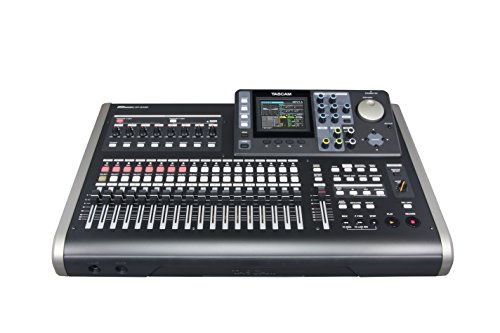
- Item Package Dimension: 23.97L x 17.49W x 7.49H inches
- Item Package Weight - 15.74 Pounds
Stepping up in terms of track count and features, the Tascam DP-24SD offers a more comprehensive studio-in-a-box experience. With 24-track playback and 8 XLR inputs (all with phantom power), it provides substantially more recording headroom than the Zoom R16 Multitrack Recorder Interface. Its larger color screen, dedicated channel strip controls, and more advanced mastering section cater to users who need a more expansive and visually detailed mixing environment on the hardware itself. Musicians tracking complex arrangements or those who prefer to do a significant portion of their mixing and mastering directly on the recorder, rather than transferring to a DAW, would likely prefer the DP-24SD. However, its increased size and price point make it less portable and a larger investment compared to the more compact and budget-friendly R16.
3. TASCAM DP-008EX 8-Track Digital Multitrack Recorder
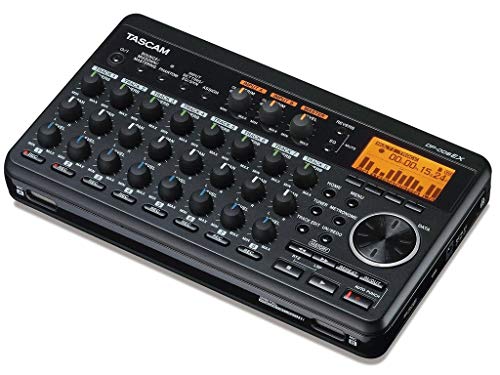
- Item Package Dimension: 12.51L x 9.68W x 6.76H inches
- Item Package Weight - 2.44 Pounds
For those prioritizing ultimate portability and simplicity, the TASCAM DP-008EX is a compelling alternative. It’s significantly smaller and lighter than the Zoom R16 Multitrack Recorder Interface, often fitting in a jacket pocket, making it ideal for songwriting on the go. It offers 8-track playback and 2-track simultaneous recording, complete with built-in stereo condenser microphones, which are perfect for quickly capturing ideas or acoustic performances. While it lacks the R16’s 8-channel simultaneous recording and its more extensive suite of digital effects and DAW control capabilities, its ease of use and extreme portability are unmatched. This unit is best suited for solo musicians, songwriters, or field recorders who need a truly “pocket studio” for capturing spontaneous moments without any fuss, rather than a more robust production hub.
The Final Verdict: Unleashing Your Creative Potential with the Zoom R16 Multitrack Recorder Interface
After extensive testing and evaluation, our verdict on the Zoom R16 Multitrack Recorder Interface is overwhelmingly positive. It successfully carves out a niche as an incredibly versatile and powerful tool for musicians, podcasters, and sound designers who demand flexibility, portability, and professional-grade results without the complexity of a full studio setup. Its ability to simultaneously record 8 tracks, coupled with 16-track playback, integrated effects, and its triple function as a standalone recorder, USB audio interface, and DAW controller, makes it a true workhorse. We found its build quality solid, its performance reliable, and its workflow efficient once you master the initial learning curve. While the phantom power being limited to two inputs and the menu navigation taking some getting used to are minor drawbacks, they are easily outweighed by the sheer utility and value this unit offers. We wholeheartedly recommend the Zoom R16 Multitrack Recorder Interface to anyone looking to elevate their portable recording game, capture their creative sparks on the fly, or streamline their home studio workflow. It’s an investment that pays dividends in creative freedom and professional output. If you’re ready to take your audio projects to the next level, we encourage you to explore its full capabilities and see how it can transform your creative process.
Last update on 2026-09-14 / Affiliate links / Images from Amazon Product Advertising API