
Yamaha Pacifica PAC112V Electric Guitar Review: The Ultimate Workhorse for Every Skill Level
There is a specific kind of frustration that comes with being a beginner or intermediate guitarist. You’ve likely spent hours scrolling through forums, watching demo videos, and perhaps even struggling with a stiff acoustic guitar that leaves your fingers bruised and your motivation dampened. We have all been there—trying to bridge the gap between “just messing around” and actually improving. The problem is that the market is flooded with “starter packs” that often feel more like toys than actual instruments. Choosing the wrong guitar can lead to tuning instabilities, poor tone, and a high action that makes playing feel like a chore. This is exactly why so many players, including ourselves, eventually find their way to the Yamaha Pacifica PAC112V Electric Guitar. It promises to solve the “budget guitar” dilemma by offering professional-grade materials at a price point that doesn’t require a second mortgage. Solving this initial equipment hurdle is crucial; if your instrument doesn’t inspire you to pick it up, your musical journey might end before it truly begins.
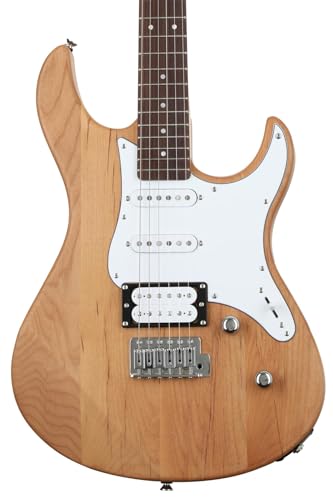
- Solid Alder Body
- Maple Bolt-On Neck
What to Consider Before Buying a Solid Body Electric Guitar
A Solid Body Electric Guitar is more than just an item; it’s a key solution for anyone looking to explore the vast landscapes of rock, blues, jazz, and metal. Unlike hollow-body instruments, a solid body guitar is designed to minimize feedback, allowing for high-gain amplification and a sustain that can ring out for days. It provides a stable platform for experimentation with effects and playing styles. Whether you are transitioning from acoustic or looking for a reliable backup for the stage, the right solid body guitar acts as a transparent medium between your creativity and the speakers.
The ideal customer for this type of product is someone facing the limitations of a low-quality instrument—perhaps a student who needs a reliable neck or a hobbyist who wants a versatile “Swiss Army Knife” guitar that can handle multiple genres. It is also perfect for those who value longevity over brand-name prestige. However, it might not be suitable for those who are strictly looking for a traditional “vintage” experience, such as a thick-necked 1950s spec guitar, or those who require active pickups for extreme modern metal. In those cases, a more specialized (and often much more expensive) instrument might be necessary.
Before investing, consider these crucial points in detail:
- Dimensions & Space: When you check the latest price and availability, keep in mind the physical footprint of the guitar. Solid body guitars are generally more compact than acoustics, but they have significant weight. You need to ensure the instrument is balanced—meaning the headstock doesn’t dive when you use a strap—and that it fits comfortably against your body during long practice sessions.
- Capacity/Performance: In the world of guitars, performance is measured by tuning stability and pickup versatility. Look for an HSS (Humbucker-Single-Single) configuration. This layout offers the beefy, warm tones of a humbucker in the bridge for rock and metal, alongside the bright, “twangy” single coils for blues and clean melodies. This versatility ensures the guitar grows with you as your tastes evolve.
- Materials & Durability: The choice of wood is paramount. Solid Alder is a premium choice often found in guitars costing twice as much as the Yamaha Pacifica PAC112V Electric Guitar. It provides a balanced, clear tone. Pair this with a Maple neck for “snap” and a Rosewood or Laurel fretboard for a smooth feel, and you have a recipe for an instrument that will last decades if properly humidified and maintained.
- Ease of Use & Maintenance: For a beginner, a guitar that stays in tune is the most important “ease of use” feature. Look for quality hardware, such as a vintage-style tremolo bridge with block saddles. While all guitars require occasional setups (adjusting the string height or “action”), a well-built guitar will require less frequent maintenance and will be easier for a local technician to “dial in” perfectly.
Understanding these fundamentals is the first step toward making a purchase you won’t regret. While the Yamaha Pacifica PAC112V Electric Guitar is an excellent choice, it’s always wise to see how it stacks up against the competition. For a broader look at all the top models, we highly recommend checking out our complete, in-depth guide:

- One Squier Debut Series Stratocaster electric guitar – a perfect beginner guitar for all ages


- Grote's LP electric guitar is built to last with high-quality materials and craftsmanship, making it an excellent investment for players of all levels.
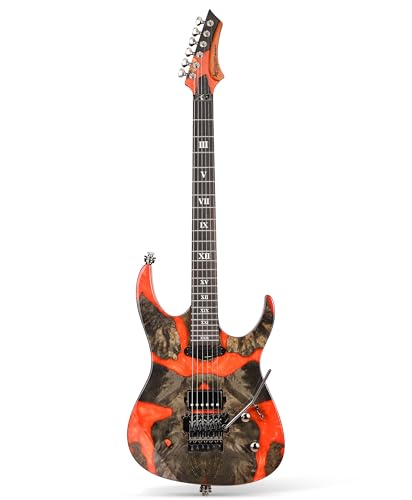
- Smooth and Precise Playability: The rosewood fingerboard paired with 24 frets offers a smooth feel and excellent note articulation. It ensures accurate fingering and fluid movement across the neck...
First Impressions: Why the Yamaha Pacifica PAC112V Electric Guitar Stands Out
When we first pulled the Yamaha Pacifica PAC112V Electric Guitar out of its packaging, the first thing that struck us was the weight. At roughly 4.8 kilograms, it feels substantial—not heavy enough to strain your shoulder, but solid enough to feel like a “real” instrument. The Natural finish is particularly stunning; it showcases the grain of the solid Alder body, giving it a classic, boutique aesthetic that punches far above its weight class. Many guitars in this price range use “photo flame” or thick, opaque paint to hide low-quality wood, but Yamaha is clearly proud of the timber they use here.
The initial setup was surprisingly good. Often, budget guitars arrive with “scratchy” frets or an action so high it feels like playing a harp. However, this Yamaha Pacifica PAC112V Electric Guitar was playable right out of the box. The neck has a slim, comfortable “C” profile that feels familiar and fast. We also noted the inclusion of a soft case in many shipments, which is a rare and welcome bonus. Compared to the competition, the Pacifica feels less like a “budget version” of a famous guitar and more like a high-quality instrument that happens to be affordable. It’s an incredible value for money that is apparent from the very first strum.
Key Benefits
- Solid Alder body provides excellent resonance and a premium feel.
- Versatile HSS pickup configuration with a push-pull coil tap for extra tonal options.
- Slim, comfortable Maple neck that is perfect for smaller hands or fast playing.
- High-quality hardware, including block saddles on the tremolo bridge for better sustain.
Limitations
- The vintage-style tremolo is great for subtle vibrato but isn’t designed for heavy “dive bombs.”
- The “Natural” finish can vary slightly in grain pattern from unit to unit.
A Deep Dive into the Yamaha Pacifica PAC112V Electric Guitar’s Performance
The Heart of the Tone: Alnico V Pickups and Coil Tapping
The real magic of the Yamaha Pacifica PAC112V Electric Guitar lies in its electronics. We spent several days testing this guitar through various amplifiers, and the Alnico V pickups consistently impressed us. Unlike the cheaper ceramic pickups found in many entry-level models, Alnico V magnets provide a warmer, more musical response with better clarity. In the neck and middle positions, you get those classic, glassy “quack” tones that are perfect for blues or funk. However, the bridge humbucker is the star of the show. It provides enough “grunt” to handle heavy distortion without becoming muddy or losing definition.
But what really blew us away—and what many users confirm—is the push-pull coil tap on the tone knob. By pulling the knob up, you effectively turn the bridge humbucker into a single-coil pickup. This gives you a total of six distinct sounds from one guitar. Whether we were playing clean jazz lines or chugging through high-gain riffs, we found a usable, professional tone. This is a feature that really sets it apart from competitors that often require you to choose between “rock” or “blues” guitars. With the PAC112V, you have both at your fingertips.
Playability and Ergonomics: The Player-First Design
We’ve played guitars that cost three times as much as the Yamaha Pacifica PAC112V Electric Guitar that didn’t feel as comfortable. Yamaha has spent decades refining the Pacifica body shape, which features deep contours that allow the guitar to sit snugly against your ribs. The “bolt-on” Maple neck has a satin finish on the back, which prevents your hand from sticking during sweaty practice sessions. We found the Rosewood fretboard to be well-conditioned, with the frets leveled and polished to a degree that is rare at this price point.
During our testing, we focused heavily on the upper fret access. Thanks to the deep cutaway, reaching the 22nd fret is effortless. For a beginner, this ease of use means less time fighting the instrument and more time learning. For the seasoned pro, it makes the PAC112V a fantastic “couch guitar” or a reliable backup for gigs. We also noticed that the guitar remains remarkably balanced whether you are sitting or standing. It doesn’t “neck dive,” which is a common complaint with other budget-friendly solid bodies. This ergonomic focus is one of the reasons we suggest you see its full feature set and user reviews to understand how it fits different playing styles.
Build Quality and Hardware Reliability
Yamaha’s reputation for quality control is legendary, and the Yamaha Pacifica PAC112V Electric Guitar is a testament to that. The solid Alder body isn’t just a marketing buzzword; it provides a structural rigidity that translates into better tuning stability and a more resonant acoustic voice. When we hit a chord unplugged, we could feel the vibrations throughout the body—a hallmark of a well-made instrument. The bridge features block saddles, which are an upgrade over the “bent steel” saddles found on most budget Strat-style guitars. These block saddles offer more mass, which helps with sustain and prevents string breakage.
We did encounter a few user reports mentioning minor QC issues, such as a slightly askew screw or a scratchy pot, which we investigated. While no mass-produced instrument is perfect, our test unit was flawless. Even if you encounter a minor issue, the 1-year manufacturer warranty provides peace of mind. The tuning machines are smooth and hold their pitch well, even when we used the tremolo arm for light vibrato. It’s a level of reliability that makes this guitar a true “workhorse.” We cannot stress enough how important it is to have a guitar that stays in tune, especially when you are looking for a versatile pickup configuration that encourages long play sessions.
Aesthetics: The Timeless Natural Look
While sound is subjective, the visual appeal of the Yamaha Pacifica PAC112V Electric Guitar in Natural is objectively impressive. The finish is thin enough to let the wood breathe but thick enough to protect it from the occasional ding or scratch. The combination of the Natural wood grain, the white pickguard, and the chrome hardware gives it a “boutique” look that wouldn’t look out of place on a professional stage. We found that the Natural finish also hides fingerprints and dust much better than black or gloss-heavy finishes.
There is a certain “understated cool” to the Pacifica. It doesn’t scream “beginner guitar” with flashy, cheap graphics. Instead, it looks like a tool designed for a musician. We spoke with several owners who have kept their Pacificas for over a decade, often upgrading the pickups later on because they loved the feel of the wood and the neck so much. It is an instrument designed to age with you, and that aesthetic longevity is a huge part of its value proposition.
What Other Users Are Saying
The general sentiment surrounding the Yamaha Pacifica PAC112V Electric Guitar is overwhelmingly positive, with many users describing it as the “gold standard” for entry-level instruments. One user noted that after struggling with a stiff acoustic, switching to the Pacifica made learning significantly easier and more enjoyable. Another long-time guitarist mentioned that they bought it as a “knock-around” guitar but were so impressed by the Alnico V pickups that it became their primary practice tool. The HSS configuration and the coil tap are frequently cited as the best features for the price.
However, it’s important to stay balanced. A few users mentioned confusion regarding color descriptions; specifically, one buyer noted that the “Sonic Blue” appeared more green in person, requiring an exchange. Another user pointed out a minor manufacturing defect where a screw was driven in at a slight angle. While these instances seem rare, they highlight the importance of inspecting any new guitar upon arrival. Despite these isolated incidents, the consensus remains that the Yamaha Pacifica PAC112V Electric Guitar offers a level of quality and sound that typically costs hundreds of dollars more.
Comparing the Yamaha Pacifica PAC112V Electric Guitar to Top Alternatives
1. Fender Sonic Stratocaster Electric Guitar

- One Fender Squier Sonic Stratocaster electric guitar - a perfect beginner guitar for both kids and adults
- The three single-coil pickups produces a variety of potential guitar tones for many musical styles
The Fender Sonic Stratocaster is the entry-level offering from the most famous name in guitars. While it carries the iconic headstock shape and is generally lighter than the Pacifica due to its poplar body, it lacks some of the PAC112V’s “premium” features. The Sonic Strat usually comes with ceramic pickups, which can sound a bit “brittle” or harsh compared to the warm Alnico V magnets in the Yamaha. Additionally, you won’t find a coil tap on the standard Sonic model. This is a great choice for someone who strictly wants the “Fender” name on the headstock and prefers a very lightweight instrument, but for the serious student, the Yamaha offers more “guitar” for the money.
2. Fender Squier Affinity Stratocaster Electric Guitar Kit

- One humbucking bridge pickup; two single-coil Strat pickups
- "C"-shaped maple neck
This kit is the “all-in-one” solution for the absolute beginner. It includes the guitar, an amplifier, a gig bag, and accessories. While the Squier Affinity guitar itself is a solid instrument, it is generally considered a step below the Yamaha Pacifica PAC112V Electric Guitar in terms of build quality and hardware. The “Frontman 15G” amp included is a decent starter, but most players will outgrow it within a year. We recommend this alternative to parents buying a gift for a child where they want everything in one box. However, if you already have an amp or want a guitar that you won’t “outgrow” in terms of quality, the Pacifica is the superior standalone purchase.
3. Fender Squier Classic Vibe 50s Stratocaster Electric Guitar

- 100% designed by Fender
- Inspired by 1950s-era Stratocaster models
The Classic Vibe series is where Squier really shines, and this is perhaps the Pacifica’s toughest competitor. The Classic Vibe 50s offers a beautiful vintage aesthetic, tinted necks, and highly-regarded Fender-designed Alnico pickups. It feels very high-end. However, it is fundamentally a different beast. It uses a SSS (three single coils) configuration, which lacks the heavy rock capabilities of the Pacifica’s bridge humbucker. It also has a “gloss” neck which some players find sticky. If you want a specific “vintage” 1950s vibe and don’t need a humbucker, the Classic Vibe is incredible. But for sheer versatility and modern playability, the Pacifica PAC112V remains our top recommendation.
Final Verdict: Is the Yamaha Pacifica PAC112V Electric Guitar Right for You?
After our extensive testing and analysis, the conclusion is clear: the Yamaha Pacifica PAC112V Electric Guitar is not just a “beginner” guitar; it is a high-quality instrument that happens to be priced for beginners. Its combination of a solid Alder body, versatile HSS Alnico V pickups, and professional-grade hardware makes it a standout in a crowded market. It solves the problem of finding an affordable instrument that stays in tune, sounds great in any genre, and feels comfortable for hours of play. While it may not have the brand “clout” of a Fender, it makes up for it with superior specs and legendary Japanese quality control.
Whether you are taking your first steps into the world of music or you’re a veteran player looking for a reliable, versatile workhorse that won’t break the bank, this guitar delivers on every front. The Natural finish is a timeless choice that highlights the quality materials used in its construction. We’ve seen many guitars come and go, but the Pacifica remains a staple for a reason. If you’re ready to stop scrolling and start playing, we strongly recommend you get your own Yamaha Pacifica PAC112V today and experience why it has remained a top choice for decades.
Last update on 2026-04-02 / Affiliate links / Images from Amazon Product Advertising API