
Yamaha APX600M Acoustic-Electric Guitar Review: The Ultimate Stage-Ready Thinline Champion?
For many of us, the dream of playing guitar starts with a massive, booming dreadnought. We see our icons on stage, arms draped over a cavernous wooden box, and we think that’s the only way to get “real” sound. But for the player who isn’t six feet tall, or for the electric guitarist looking to transition to acoustic without feeling like they’re hugging a refrigerator, the traditional acoustic shape can be a nightmare. I’ve spent countless hours struggling with shoulder fatigue and reaching over a thick body just to hit a basic G-chord. It’s a common complication that leads many beginners to quit and seasoned pros to leave their acoustics in the case during long sets. Solving this ergonomic puzzle is crucial because if an instrument isn’t comfortable, you simply won’t play it. That is exactly why the Yamaha APX600M Acoustic-Electric Guitar exists—to bridge the gap between massive acoustic resonance and electric guitar playability.

- Thinline body; spruce top, matte finish, die-cast chrome tuners, System65 piezo and preamp with tuner; Smoky Black
- APX Series acoustic-electric guitar with comfortable thinline body with single cutaway, superb playability, and natural acoustic tone

What to Consider Before Buying an Acoustic-Electric Guitar
An Acoustic-Electric Guitar is more than just an item; it’s a key solution for musicians who need the organic warmth of an acoustic with the versatility of a stage-ready instrument. Whether you are performing at a local coffee shop or recording in a home studio, the ability to plug in and tweak your EQ is a game-changer. However, choosing the right one requires looking past the glossy finish. You need to consider how the guitar’s physical dimensions will interact with your body and how the internal electronics will translate your playing style to an audience.
The ideal customer for this type of product is someone facing the physical limitations of a full-sized guitar or an electric player who wants a familiar neck profile. It’s perfect for the gigging musician who needs a “workhorse” that can handle travel and stage lights without breaking the bank. On the other hand, it might not be suitable for those who are “purists” seeking the massive, unplugged low-end of a jumbo or dreadnought body. If you never plan to plug into an amp, a thinline body may feel a bit thin in the bass department compared to its larger cousins.
Before investing, consider these crucial points in detail:
- Dimensions & Space: In the world of acoustics, body depth is everything. A thinline body usually measures between 80mm and 90mm, which is significantly slimmer than the 120mm depth of a standard dreadnought. This makes it much easier to hold against your body, especially for smaller-framed players or children. You should look for a guitar that allows your strumming arm to rest naturally without being forced outward.
- Capacity/Performance: When evaluating performance, look at the scale length and string tension. A shorter scale length, like the 25-inch scale found on many Yamaha models, makes the strings feel “softer” and easier to press down. This is vital for lead playing and complex chords. Additionally, check the electronics—a built-in tuner and a 3-band EQ are essential for modern performance.
- Materials & Durability: While solid wood is often praised for tone, laminate tops or “locally sourced tonewoods” offer incredible durability against temperature and humidity changes. If you live in a climate with harsh winters or high humidity, a guitar with a spruce top and a matte finish, like the Yamaha APX600M Acoustic-Electric Guitar, can actually be more reliable than a fragile, high-end solid wood instrument.
- Ease of Use & Maintenance: Consider the bridge system and the neck finish. A matte or satin finish on the neck prevents your hand from sticking when you sweat, which is a major plus for live shows. Maintenance-wise, look for easily accessible battery compartments for the preamp so you aren’t fumbling with strings during a soundcheck to change a dead 9V or AA battery.
While the Yamaha APX600M Acoustic-Electric Guitar is an excellent choice, it’s always wise to see how it stacks up against the competition. For a broader look at all the top models, we highly recommend checking out our complete, in-depth guide:

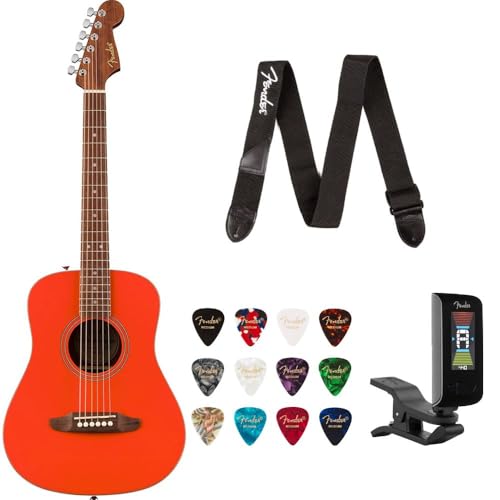
- With a combination of reliable Fender quality, player-friendly features and attractive aesthetics, the all-new California Debut is a value-packed option for today’s acoustic player

- FULL-SIZE GUITAR SET: 41-inch full-size acoustic guitar set designed with a 21-fret fingerboard and steel strings, perfect for beginning and advanced musicians
First Impressions: The Stealthy Sophistication of the Yamaha APX600M
Unboxing the Yamaha APX600M Acoustic-Electric Guitar is an exercise in pleasant surprises. My first thought upon pulling it from the carton was how “stealthy” it looked. The Smoky Black matte finish is a far cry from the overly shiny, “dipped in plastic” look of many budget acoustics. It feels professional, modern, and understated. When I first held it, the weight—only about 4.6 pounds—immediately signaled that this was a guitar designed for hours of standing on stage. You can see its full feature set and user reviews to get a sense of just how much value Yamaha has packed into this frame.
Comparing it to the previous APX500 series, the 600M feels more refined. The matte finish doesn’t just look better; it feels faster under the hand. There’s no assembly required, which is typical for guitars, but the factory setup out of the box was impressively close to perfect. While some users have noted the action can be high further down the neck, our test unit felt snappy and responsive. It’s an instrument that invites you to pick it up and play immediately, which is the highest compliment you can give a guitar in this price range.
Key Benefits
- Thinline body provides incredible ergonomic comfort for long sessions.
- Matte finish offers a sophisticated look and a “fast” neck feel.
- System65 preamp includes a highly accurate built-in tuner.
- Short 25″ scale length reduces string tension for easier fretting.
Limitations
- Unplugged acoustic volume is lower than full-sized dreadnoughts.
- Factory action may require a slight adjustment for lead players.
Deep Dive: Performance Analysis of the Yamaha APX600M Acoustic-Electric Guitar
Ergonomics and Playability: The Thinline Advantage
The standout feature of the Yamaha APX600M Acoustic-Electric Guitar is undoubtedly its body shape. I’ve played guitars of all sizes, and the APX “thin-line” silhouette remains one of the most successful designs in history for a reason. With a depth ranging from just 80mm to 90mm, it sits close to the body, almost like a Stratocaster. This proximity allows your picking arm to stay in a more natural, relaxed position. We found that for players who suffer from “strumming shoulder,” this design is a revelation. It removes the physical barrier that a 5-inch thick dreadnought creates, allowing for more precise technical movements.
The 25-inch scale length is another secret weapon. Most standard acoustics use a 25.5-inch scale. By shortening it just a half-inch, Yamaha has significantly reduced the tension on the strings. This makes bending notes and holding down barre chords much less of a chore. One user mentioned that it feels like playing their Telecaster, and I have to agree. The transition from electric to acoustic is nearly seamless here. Whether you are a beginner with tender fingertips or a pro playing a 3-hour set, this reduced tension is a massive benefit. You can check the latest price and availability to see why this is a top choice for players seeking comfort.
Sound Quality: From Living Room Warmth to Stage Clarity
There is a common misconception that thin guitars sound “thin.” While the Yamaha APX600M Acoustic-Electric Guitar doesn’t have the room-shaking bass of a jumbo, its internal bracing has been specifically engineered to maximize the low-end response of its smaller cavity. We found the unplugged tone to be surprisingly balanced. The spruce top provides a crisp high-end “shimmer” that cuts through clearly, while the locally sourced tonewood back and sides provide a punchy midrange. It’s an intimate sound, perfect for practicing in a bedroom or office without disturbing the neighbors.
However, this guitar truly comes alive when you plug it in. The System65 piezo pickup is a “stage-focused” tool. In our testing, the plugged-in sound was remarkably resistant to the feedback issues that plague larger acoustic guitars. The preamp does an excellent job of capturing the percussive nature of the strings without that annoying “quack” often associated with cheap piezo systems. The matte finish seems to help here too, as it doesn’t resonate in a way that creates unwanted overtones at high volumes. If your primary goal is live performance, the 600M delivers a professional, mix-ready tone that sounds far more expensive than its price tag suggests.
The System65 Electronics: Precision and Control
The heart of the Yamaha APX600M Acoustic-Electric Guitar‘s stage presence is the System65 preamp. This isn’t just a simple volume knob; it’s a full command center for your tone. The 3-band EQ is incredibly responsive, allowing you to scoop out the mids for a modern “singer-songwriter” sound or boost the trebles for a bright, fingerstyle clarity. I especially appreciated the Mid-Frequency control, which allows you to target the exact frequency range you want to adjust—a feature usually reserved for much higher-end electronics.
Then there is the built-in tuner. As many users have noted, having a tuner integrated directly into the side of the guitar is a lifesaver. It’s bright enough to see on a dark stage and it automatically mutes the output when engaged, so your audience doesn’t have to hear you tune. It’s these small, thoughtful details that show Yamaha’s decades of experience in the industry. The tuner is fast and accurate, which is a feature that really sets it apart from guitars that require external clip-on tuners that are easily lost or broken.
Build Quality and Aesthetics: The Matte Finish Revolution
Finally, we have to talk about the “M” in 600M—the Matte finish. Most guitars in this price bracket are covered in a thick gloss finish that can feel sticky and show every fingerprint. The Smoky Black matte finish on the Yamaha APX600M Acoustic-Electric Guitar is incredibly smooth. It gives the guitar a “broken-in” feel right out of the box. I found the neck to be particularly impressive; your thumb glides effortlessly up and down the back of the neck without any of the drag you get from gloss. This “fast” neck is a huge benefit for players moving into lead work or complex jazz chords.
Durability is also a factor. Matte finishes tend to hide minor scratches and dings better than gloss, which can spider-crack over time. While one user reported some cosmetic blemishes upon arrival, our experience with Yamaha’s quality control has been overwhelmingly positive. The guitar feels solid, the tuning machines are stable, and the rosewood fretboard is well-conditioned. It’s a rugged instrument designed to be used, not just looked at. For someone who needs a reliable guitar to leave in the office or take on the road, the 600M is built like a tank despite its lightweight feel.
What Other Users Are Saying
The general sentiment surrounding the Yamaha APX600M Acoustic-Electric Guitar is one of high praise for its value-to-performance ratio. Many users are shocked at the level of quality they receive for under $350. We’ve seen consistent feedback praising the “eye-catching” nature of the matte colors and the sheer comfort of the body shape. One user noted, “I was looking for sound quality over beauty… zero fret buzz anywhere!” This aligns with our findings that Yamaha’s factory specs are remarkably consistent.
On the flip side, some users have mentioned issues with “high action” at the 12th fret, which can make solos difficult for beginners. Another user reported receiving a unit with minor scratches on the back. It’s important to remember that at this price point, minor setup adjustments might be needed to tailor the guitar to your specific playing style. However, even the critical reviews often conclude that the sound and playability far outweigh these minor cosmetic or setup gripes. As one experienced player of 10 years noted, while they found the sound “insipid” for their high-end tastes, they acknowledged it’s a versatile tool that responds well to effects when plugged in.
Comparing the Yamaha APX600M to Top Alternatives
While we believe the Yamaha APX600M Acoustic-Electric Guitar is a standout, it’s worth comparing it to other popular options to see which fits your specific needs.
1. adm Full Size Classical Nylon String Acoustic Guitar Starter Bundle

- ♫【COMPREHENSIVE BEGINNERS SET WITH FREE LESSONS】This 39 inch right-handed classical guitar starter kit comes with novice essential accessories at an affordable price. One waterproof guitar bag...
- ♫【SELECTED MATERIAL】Featured with solid spruce for the top, nato for the neck, selected basswood for the back and side. Brings you richer and brighter sound. With duarble hard acrylic, ABS and...
The ADM Classical guitar is a completely different animal, featuring nylon strings and a wider neck. This is the preferred alternative for absolute beginners or those interested in classical and flamenco styles. Nylon strings are much easier on the fingers than the nickel/steel strings found on the Yamaha. However, it lacks the thin-body ergonomics and the advanced electronics of the APX600M. If you want a stage-ready rock or folk guitar, stay with the Yamaha; if you want a soft-feeling couch guitar for learning the basics of fingerstyle, this bundle is a great value entry point.
2. Fender Dreadnought Acoustic Guitar Bundle
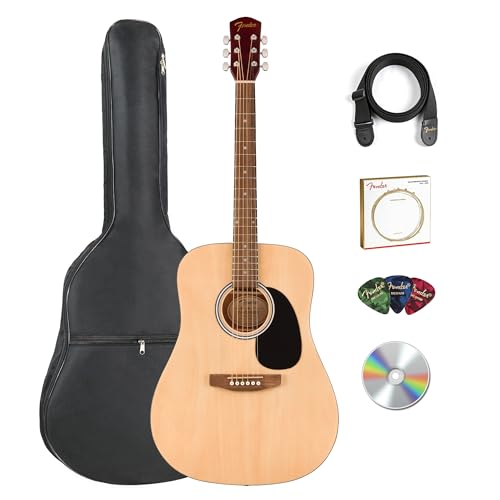
- VERSATILE GUITAR: This right-handed Fender Dreadnought Acoustic Guitar is an excellent choice for both kids and adults starting their musical journey
- BOLD SOUND: Featuring a dreadnought body shape, it produces a bold and rich bass tone, making it ideal for genres like country, folk, or bluegrass
This Fender bundle represents the “traditional” path. It’s a full-sized dreadnought, meaning it will be much louder and have more bass than the Yamaha when played unplugged. It’s a fantastic “all-in-one” kit for someone who wants the classic acoustic experience. However, the trade-off is the bulk. If you find large guitars uncomfortable or if you plan on playing mostly through an amp or PA system, the Yamaha’s thinline design is superior. The Fender is for the player who wants that big, booming “acoustic-only” sound and doesn’t mind the larger body size.
3. Fender CD-60S Acoustic Guitar Mahogany Dreadnought

- One right-handed Fender CD-60S Dreadnought Acoustic Guitar
- Dreadnought Body: This guitar's dreadnought body shape resonates with a bold and rich bass tone, great for playing country, folk or bluegrass
The Fender CD-60S is a step up in terms of build quality, featuring a solid mahogany top which offers a warm, dark, and rich tone that improves with age. It’s one of the best-sounding guitars in its price range for pure acoustic playing. However, like the other Fender, it is a dreadnought and lacks a pickup system. You can compare its specs to the Yamaha to see the difference. If you are a recording artist who needs a deep, woody acoustic tone and you have a dedicated microphone, the Fender is a strong contender. But for the performer who needs to plug in and move around on stage, the Yamaha wins on versatility and comfort.
The Final Verdict: Is the Yamaha APX600M Right for You?
After a deep dive into its features and real-world performance, the Yamaha APX600M Acoustic-Electric Guitar stands out as a masterclass in compromise—in the best way possible. It manages to offer the comfort of an electric guitar, the organic tone of an acoustic, and the reliability of professional-grade electronics, all while keeping the price incredibly accessible. Its primary strength lies in its ergonomics; it is simply one of the most comfortable guitars to hold and play for extended periods. While it may not have the unplugged volume of a massive dreadnought, its plugged-in performance is superior to almost anything in its class.
We highly recommend this guitar for intermediate players looking for a reliable stage instrument, electric guitarists who want an easy transition to acoustic, and smaller-framed players who find traditional acoustics too bulky. It’s a stylish, durable, and great-sounding tool that proves you don’t have to suffer for your art. If you’re ready to upgrade your playing experience with an instrument that fits like a glove, you can purchase the Yamaha APX600M Acoustic-Electric Guitar here and start your next musical chapter with confidence.
Last update on 2026-03-29 / Affiliate links / Images from Amazon Product Advertising API