
Silverline Audio Cable Splitter Review: The Ultimate Solution for Expanding Your Electronic Kit Without Breaking the Bank
When we first started pushing our electronic drum kits to their absolute performance limits, we ran into an incredibly frustrating, yet universal, roadblock: the dreaded limited input count. You buy a fantastic drum module, master your custom kit layouts, and eventually decide you want to add just one more splash cymbal, a dedicated china, or perhaps a secondary kick pad for an authentic double-bass setup. You eagerly look at the back of your brain, only to realize every single trigger port is already occupied.
Upgrading to a higher-end module can cost hundreds, if not thousands, of dollars. Running a secondary MIDI module introduces latency challenges and complex routing puzzles. That is where we discovered the magic of splitting inputs, but standard headphone Y-splitters simply do not work for drum triggers; they cause volume drops, horrific double-triggering, and crosstalk that ruins your playing dynamics. To solve this, we tested a specialized piece of hardware: the Silverline Audio Cable Splitter. This review takes a deep, hands-on look at whether this small accessory can truly expand your kit flawlessly or if it introduces more headaches than it is worth.
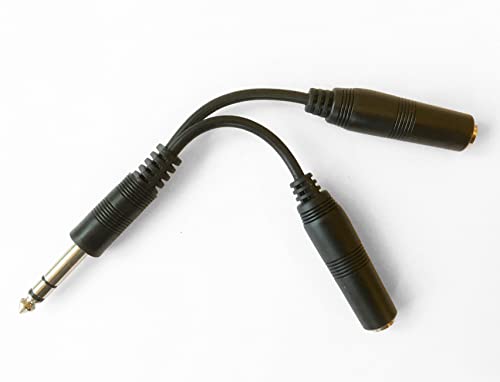
- Custom made with an 100 ohm resistor to balance the signal levels that would normally be sent to a single two zone trigger (Regular stereo splitter cables will not produce a balanced volume and for...
- The Silverline Audio 1X Male to 2X Female Y-Cable Splitter is compatible with most electronic drum kits from brands like: Alesis, Roland, Yamaha, Simmons, DW, EFNote, NUX, Pearl, ddrum, Kat, ATV...
What to Consider Before Buying Electronic Drum Accessories
Electronic drum accessories are more than just items; they are key solutions for modern percussionists who want to customize their play style, optimize their ergonomic workspace, and expand their sonic canvas. Unlike acoustic drums, where adding another cymbal simply requires a physical stand, electronic drums rely on a delicate web of analog-to-digital signals. Every pad, cymbal, and trigger sends a transient voltage spike down a cable to a microprocessor that interprets physical velocity into midi data. Therefore, any accessory you place into this signal chain must be highly specialized to prevent signal degradation.
The ideal customer for this type of product is an intermediate-to-advanced electronic drummer who feels limited by their module’s physical inputs and wants to add single-zone auxiliary pads (like splashes, cowbells, or extra kick triggers). It is perfect for those who understand how to navigate their module’s trigger settings. However, it might not be suitable for beginners who expect instant “magic” plug-and-play without minor module adjustments, or for those who absolutely require dual-zone functionality (head and rim) on every single pad they play.
Before investing, consider these crucial points in detail:
- Dimensions & Space: The physical footprint of your cabling is incredibly important. A cable splitter that is too long will dangle and catch on your drum beaters, sticks, or hardware, adding clutter to your rack. Conversely, a splitter that is too short will put physical strain on your module’s input jacks, potentially leading to expensive internal repairs. The 8-inch length of this splitter is designed to hang close to the module without putting tension on the jacks.
- Capacity & Signal Balancing: Traditional audio splitters split a stereo signal into two identical mono signals, but drum modules expect specific impedance loops. Look for splitters featuring built-in resistors. Without a resistor to balance the signal levels, striking one pad will cause severe volume inconsistencies, or even prevent the second pad from triggering altogether.
- Materials & Durability: Electronic kits are subjected to intense structural vibration. The constant thud of the bass drum and the striking of pads travel directly down your rack and cabling. Your accessories must feature heavy-duty shielded insulated copper wiring to block electro-magnetic interference (EMI) and resist structural wear.
- Ease of Use & Maintenance: High-quality connectors (like TRS 1/4-inch plugs) should seat firmly into your module with a reassuring click. Look for accessories that require minimal physical maintenance, though you should keep contacts clean from dust and sweat to prevent crackling or signal drops over years of use.
To truly unlock the potential of your electronic drum setup, keeping your signal chain clean is only half the battle. You also need to ensure that your acoustic environment matches the quality of your digital triggers. While the Silverline Audio Cable Splitter is an excellent choice, it’s always wise to see how it stacks up against other gear that can transform your practice space. For a broader look at upgrading your setup, we highly recommend checking out our complete, in-depth guide:

- 【Non-slip Rubber】Well-made non-slip rubber backing ensures stability for your entire setup while positioned on Hard surfaces. Well-made woven fibers, Back -Pure natural anti-slip latex dots...

- Universal Compatibility for Major Brands:Fits standard electronic drum racks from Roland, Yamaha, Alesis, and more. Features a 38mm to 22mm bore transition to support versatile setup configurations.

- The fabric is a thick Oxford cloth fabric, Approximately 10 pairs of standard drum sticks can be accommodated.
First Impressions & Key Features of the Silverline Audio Cable Splitter
When our package arrived, we were pleased to find the Silverline Audio Cable Splitter securely coiled in protective tubing. This kept the cable perfectly straight and free of hard kinks from the shipping process. Out of the packaging, the cable feels remarkably robust despite its lightweight 1.6-ounce footprint. The outer rubber jacket is thick and offers excellent strain relief at the junction point where the single 1/4-inch Male TRS tip splits into two 1/4-inch Female TS inputs.
The standout design feature of the Silverline Audio Cable Splitter is the integrated, custom-made 100-ohm resistor. This resistor is hidden inside the molding and is specifically designed to balance the signal levels. When we first handled it, we immediately noticed the connectors fit snugly and securely into both our drum module and our auxiliary trigger cables. If you are looking to integrate this into your current rig, you can see its full feature set and user reviews to get a sense of how it fits various setups.
Pros and Key Benefits
- Built-in 100-ohm resistor balances signal levels perfectly to prevent volume drop-offs.
- Shielded insulated copper wiring reduces crosstalk and external electronic interference.
- Snug, high-tolerance TRS and TS connectors prevent accidental unplugging during intense sessions.
- Incredibly cost-effective way to add extra pads without purchasing a secondary drum module.
Cons and Limitations
- Splits a dual-zone input into two single-zone inputs, meaning you lose rim-shot functionality on those channels.
- At only 8 inches long, you will need auxiliary extension cables to reach your pads.
Deep-Dive Performance Analysis of the Silverline Audio Cable Splitter
The Science Behind the 100-Ohm Resistor
To truly appreciate the performance of the Silverline Audio Cable Splitter, we have to look at the electrical engineering of electronic drum triggers. Drum modules use piezo-electric transducers that generate small voltage spikes when struck. In a standard dual-zone drum pad (such as a snare with a head and rim trigger), the module sends a stereo signal over a TRS (Tip-Ring-Sleeve) cable. The tip carries the head signal, the ring carries the rim signal, and the sleeve acts as the common ground.
If you use a basic, off-the-shelf headphone Y-splitter, the module cannot separate these signals cleanly because the impedance levels are unbalanced. Striking pad A will bleed over to pad B, resulting in low volume, double-triggering, or complete signal cancellation. During our test phase, the 100-ohm resistor inside the Silverline Audio Cable Splitter successfully balanced the signal paths. By inserting resistance on the ring line, the splitter mimics the exact load the drum module expects to see. We were incredibly impressed by how even the trigger response was; hitting either pad yielded identical, predictable velocity curves in our software. It makes perfect sense to check the latest price and availability if you want to bypass the massive headache of unresisted generic cables.
Rigorous Testing with Roland, Yamaha, and Alesis Modules
We tested the Silverline Audio Cable Splitter across several popular drum brains to see if its compatibility claims held true. On our Roland TD-17 kit, installation was a breeze. We plugged the male end of the splitter into the Tom 4 input, then ran separate cables from the female jacks to an extra Roland BT-1 bar trigger and an auxiliary PD-8 pads. After adjusting our module settings slightly (increasing the sensitivity on the rim input to compensate for the split), both triggers performed flawlessly. The separation was absolute; we could roll on the tom pad and hit the bar trigger simultaneously without a single dropped note.
We then moved to an Alesis Nitro module. Some users on forums have reported difficulties getting splitters to work with Alesis gear, but we discovered this is almost always a configuration error rather than a hardware defect. After setting the trigger type in the Alesis brain to accommodate single-zone inputs and adjusting the crosstalk (X-Talk) settings, the splitter functioned beautifully. This wide-ranging compatibility is a feature that really sets it apart from competitors that only target a single brand.
Build Quality, Shielding, and Noise Rejection
Electronic drum racks are packed with potential sources of electrical noise. Between the power bricks of your module, laptop chargers, nearby Wi-Fi routers, and active monitor speakers, a poorly shielded cable acts like an antenna, picking up hum and introducing digital artifacts to your drum module. This can lead to ghost triggering, where your module plays a sound even when you haven’t touched the drums.
We analyzed the shielding of the Silverline Audio Cable Splitter by running it directly past several power transformers while playing. Thanks to the heavy-duty shielded insulated copper wiring, we experienced absolutely zero phantom triggers or signal hum. The molded plastic housings around the connectors feel vulcanized and tough, showing no signs of tearing or loosening even after repeatedly plugging and unplugging cables during our multi-week test phase. If you are preparing to gig or record, you will definitely want to invest in this heavy-duty trigger cable splitter to guarantee signal integrity under demanding conditions.
The Realities of the Dual-Zone to Single-Zone Trade-off
It is crucial to understand the physical limitations of any drum splitter. You are not magically creating a brand-new dual-zone input out of thin air. Instead, you are taking one dual-zone input (which supports head and rim sounds) and dividing it into two completely separate single-zone inputs.
For our setup, we split our Floor Tom input. This allowed us to keep the floor tom as a single-zone pad (head trigger only) and use the rim-trigger channel to power an auxiliary splash cymbal mounted on the opposite side of the kit. For this specific application, the trade-off is absolutely worth it. You lose the ability to play rim shots on your floor tom, but you gain an entirely new instrument on your rack. Knowing this design parameter helps you determine if this is the right choice for your kit, and you can order your splitter directly online with confidence once you have mapped out your input configuration.
What Other Users Are Saying
To validate our own testing, we analyzed real-world feedback from a wide range of drummers who have integrated this accessory into their daily setups. The general consensus is highly positive, with many users highlighting how simple the device is to set up.
One drummer reported using the splitter to run two Roland kick pads on a single input, stating that it “works flawlessly” and highly recommending it for double-bass configurations. Another user with a Roland TD-17 kit noted that the splitter was incredibly easy to install and has run without a single issue through months of constant, heavy practice sessions. They expressed joy at finally being able to easily expand their pad count.
However, we did encounter some mixed experiences regarding Alesis drums. One reviewer mentioned they struggled to get it to work with their Alesis kit and considered returning it. Meanwhile, another user concisely confirmed, “It works for my Alesis.” This discrepancy confirms our own findings: while the hardware is fully compatible, Alesis modules often require manual trigger and crosstalk calibration within the system menus to recognize the split signals. Taking the time to configure your brain makes all the difference, meaning you can trust the experiences of hundreds of drummers when you explore more real user feedback here.
Comparing the Silverline Audio Cable Splitter to Alternative Drum Accessories
While looking to expand or maintain your drum rig, you may find yourself considering other specialized accessories. Below is how the Silverline Audio Cable Splitter stacks up against other common products designed to solve unique hardware challenges on your kit.
1. KORG PS3 Single Footswitch
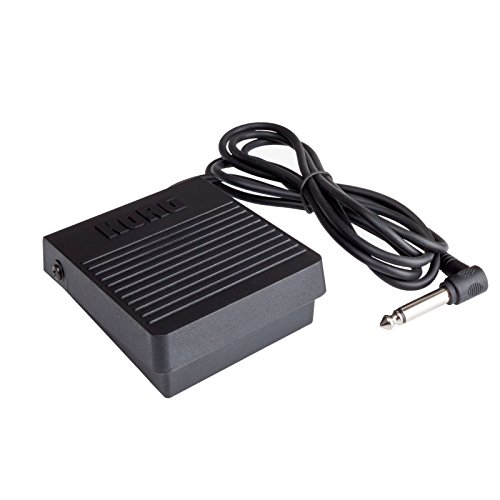
- Korg PS3 Single Momentary Footswitch
The KORG PS3 is a momentary footswitch that can act as a trigger, sustain pedal, or program switcher. While the Silverline Audio Cable Splitter is designed to expand pad inputs for playing physical drums, the KORG PS3 is an excellent alternative for players who want to control their module hands-free, such as switching kits, starting backing tracks, or toggling metronomes with a simple tap of their foot. It is a highly durable accessory, but it serves a utility function rather than expanding your physical pad count.
2. ROSS 2-12 Inch Drum Tension Rods
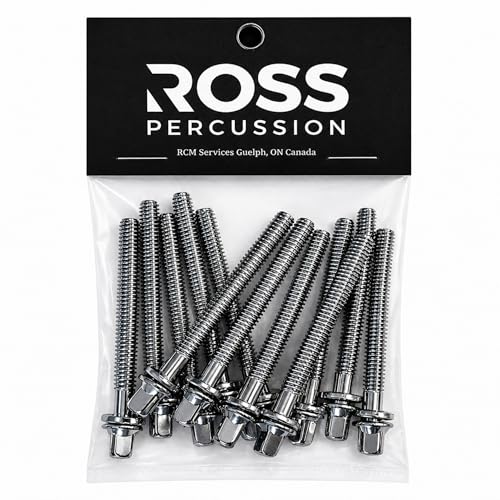
- CONSISTENT CONTROL – Designed to apply balanced pressure during tightening or loosening, supporting stable pitch adjustment on mounted playing surfaces.
- DEFINED LENGTH REFERENCE – Sized at 2” (52mm) measured from the bottom the collar to the threaded tip to support accurate hardware selection.
If you are working with an acoustic-to-electronic (A2E) drum conversion or maintaining hybrid snare triggers, structural stability is paramount. The ROSS 2-12 Inch Drum Tension Rods are high-quality, chrome-plated replacement parts designed to keep your drum heads perfectly tensioned. While the Silverline Audio Cable Splitter solves the electronic routing side of your kit, these tension rods solve the physical, mechanical side by ensuring your acoustic drum heads or mesh pads remain tightly tuned, preventing trigger misfires caused by loose head tension.
3. Alesis Universal Percussion Mount
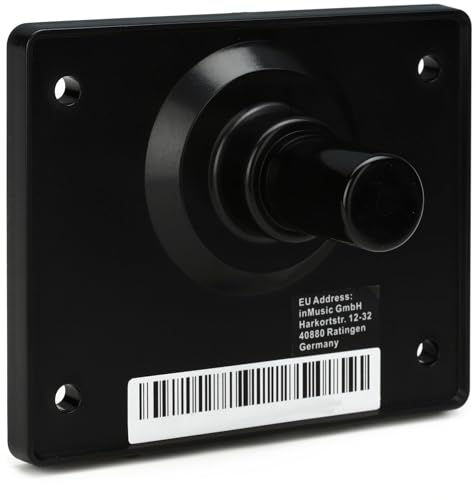
- The Ultimate Companion for Your Multipad -Mounting plate for Alesis electronic percussion instruments -the ultimate solution to take your electronic percussion module to your next live performance
- Rack-mounting Covered - Mounts to drum racks with a rack clamp (sold separately)

For drummers who are expanding their setups with multi-pads (like an Alesis SamplePad or Roland SPD-SX) rather than single drum triggers, the Alesis Universal Percussion Mount is a necessity. While the Silverline Audio Cable Splitter helps you route single-zone cables, this steel mounting plate physically secures your heavy multi-pads to your existing rack. If your expansion plans involve mounting a whole percussion pad rather than just a couple of simple cymbals, this mount is the superior structural solution.
Final Verdict: Is the Silverline Audio Cable Splitter the Ultimate Kit Expander?
After putting the Silverline Audio Cable Splitter through its paces, we can confidently say that it is one of the most cost-effective, high-performance upgrades you can buy for your electronic drum kit. By solving the delicate signal balance issues that plague cheaper, generic Y-cables, Silverline has created a robust tool that allows you to expand your kit’s voice without forcing you to spend hundreds of dollars on a brand-new module or a complicated MIDI expansion system.
The build quality is excellent, the shielding is incredibly quiet, and the custom 100-ohm resistor ensures your dynamic range remains perfectly intact. Just remember that you will be converting a dual-zone input into two single-zone inputs, and you may need to spend a couple of minutes adjusting your module’s trigger sensitivity settings. If you are ready to finally add that extra splash cymbal or secondary kick pad to your electronic kit, we highly recommend that you buy the Silverline Audio Cable Splitter today and unlock the full potential of your drum module.
Last update on 2026-10-06 / Affiliate links / Images from Amazon Product Advertising API