
Orange OBC-112 Bass Cabinet Review: A Lightweight Heavyweight for Serious Tone
For decades, the standard for professional bassists was the “fridge”—the massive 8×10 or 4×10 cabinets that required two people and a large van just to move to a local pub gig. We’ve all been there: staring at a flight of stairs with a 100-pound cabinet, questioning our life choices as musicians. The problem is simple yet devastating: you need the volume and low-end “thump” to compete with a loud drummer, but your back (and your car’s suspension) can no longer handle the traditional gear. If you compromise too much on size, your tone becomes thin and boxy. If you don’t compromise, you’re looking at a lifetime of chiropractor visits. This is precisely why we decided to put the Orange OBC-112 Bass Cabinet through its paces. It promises to solve the “schlep” factor without sacrificing that legendary British growl that made Orange famous. Choosing the wrong cabinet doesn’t just hurt your back; it kills your inspiration on stage when you can’t hear the fundamental of your low E string.

- 8-ohm Bass Speaker Cabinet with 1 x 12" Neodymium Speaker - Black
- 400-watt
What to Consider Before Buying a Bass Guitar Amplifier Cabinet
A Bass Guitar Amplifier Cabinet is more than just a box with a speaker; it’s the final voice of your instrument and the physical interface between your electricity and the air in the room. It is a key solution for translating the subtle nuances of your playing into a physical force that the audience can feel. Unlike guitar cabinets, which often focus on mid-range “honk,” a bass cabinet must manage massive excursions of air while maintaining clarity. If a cabinet is poorly designed, it will rattle, “fart out” on low notes, or simply lack the projection needed to fill a room. Before you see its full feature set and user reviews, you must understand how a cabinet interacts with your specific amplifier head and playing style.
The ideal customer for this type of product is the “weekend warrior” or touring professional who needs a modular setup. It’s perfect for someone playing clubs, theaters, or studios who wants a high-quality sound that can fit in the trunk of a sedan. However, it might not be suitable for those who play in extreme metal bands without PA support, where the sheer surface area of a 4×10 or 8×10 is required to move enough air. For those players, a larger enclosure is usually the only way to achieve the necessary stage volume.
Before investing, consider these crucial points in detail:
- Dimensions & Space: You must measure your vehicle and your storage space. A compact cabinet like the Orange OBC-112 Bass Cabinet is designed to be highly portable, but it still needs to be sturdy enough to provide a stable base for your amplifier head. Look for recessed handles and a footprint that doesn’t easily tip over on uneven stages.
- Capacity/Performance: Check the wattage and impedance. A cabinet rated for 400 watts at 8 ohms is versatile because it allows you to run a single cab for small rooms or stack two of them to get the full power out of your amplifier at 4 ohms. Always ensure your cabinet can handle more power than your head can put out to avoid blowing the driver.
- Materials & Durability: The industry standard is 13-ply (18mm) birch plywood. Avoid MDF or particle board, as they are heavy and lack the resonant “snap” of real wood. High-quality vinyl or Tolex covering and a metal or heavy-duty cloth grill are essential for protecting the internal components during transport.
- Ease of Use & Maintenance: Consider the weight. Neodymium magnets are significantly lighter than traditional ferrite magnets without sacrificing magnetic strength. For long-term care, ensure the inputs (usually Speakon or 1/4″) are high-quality and won’t loosen over time from the vibrations of low frequencies.
Understanding these variables will help you determine if a 1×12 configuration is the right tool for your musical journey or if you need to scale up.
While the Orange OBC-112 Bass Cabinet is an excellent choice, it’s always wise to see how it stacks up against the competition. For a broader look at all the top models, we highly recommend checking out our complete, in-depth guide:
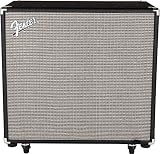
- Revoiced cabinet for superior level of sonic detail and low-frequency translation

- Fire the roadie due to the featherweight portability of a the plywood ported enclosure and inset durable handles
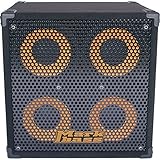
- 4 x 10" Rear-ported Straight Bass Amp Cabinet with Markbass Neodymium Speakers
First Impressions and Key Features of the Orange OBC-112 Bass Cabinet
Unboxing the Orange OBC-112 Bass Cabinet is an experience in itself. Even in the black vinyl finish, it exudes that classic, rugged “Orange” aesthetic. The first thing we noticed was the weight—or lack thereof. At just about 26 lbs (approx. 11.8 kg), lifting it out of the box was surprisingly easy. It feels incredibly solid, thanks to the 15mm birch plywood construction. There is no rattling, no loose components, just a dense, well-engineered piece of musical gear. When you check the latest price and availability, you’ll see it sits in a premium bracket, and the initial build quality certainly justifies that positioning.
The cabinet features a single 12-inch Lavoce Neodymium speaker, which is the secret sauce behind its lightweight profile. The basketweave vinyl and the solid black acoustic grill cloth give it a professional, understated look that fits on any stage, from a jazz lounge to a rock club. Unlike some “budget” 1x12s that feel like toys, this feels like a shrunken version of Orange’s legendary AD200 stack. It is specifically designed to be the perfect companion for the Terror Bass or other compact heads, providing a “round” bottom end that is often missing from smaller 10-inch speakers.
Key Benefits
- Incredible weight-to-power ratio (400W at only 26 lbs)
- Neodymium Lavoce speaker provides punchy, modern clarity
- Exceptional build quality using 15mm birch plywood
- Compact footprint ideal for small stages and easy transport
Limitations
- Single 1×12 might struggle in very loud, un-mic’d outdoor settings
- 8-ohm impedance requires a second cab to get maximum volume from most heads
A Deep Dive into the Orange OBC-112 Bass Cabinet’s Performance
The Portability Revolution: Build Quality and Design
We’ve spent a significant amount of time lugging gear through narrow hallways, and the design of the Orange OBC-112 Bass Cabinet is a breath of fresh air. The use of 15mm birch plywood is a critical choice. Many manufacturers use thinner wood or composite materials to save money, but Orange has stuck to their guns here. Birch provides a natural compression and a focused mid-range that helps a bass guitar sit perfectly in a mix. When we knocked on the side of the cabinet, we heard a high-pitched “thud” rather than a hollow ring, which indicates a very rigid enclosure that won’t absorb your low-end energy.
The dimensions (approximately 17″ tall) make it remarkably easy to handle. We found that it fits comfortably on the front seat of a car, making it a dream for quick rehearsals. The recessed handle is positioned perfectly for a balanced one-handed carry. This isn’t just about convenience; it’s about the longevity of your career. Being able to invest in a cabinet that respects your physical health while delivering professional results is a major win. The black Tolex is thick and resistant to scuffs, and the skid feet on the bottom are rugged enough to handle being dragged across concrete stages without peeling off.
Sonic Characteristics: The Neodymium Advantage
The heart of the Orange OBC-112 Bass Cabinet is the 12-inch Lavoce Neodymium driver. In our testing, we found that this speaker has a very distinct personality. Neodymium is often criticized for being “too bright” or “sterile,” but that isn’t the case here. Orange has tuned this cabinet to emphasize a “round” bottom tone. It has more “girth” than a 10-inch speaker but more “snap” and transient response than a 15-inch speaker. It occupies the “Goldilocks” zone of bass frequencies.
When we pushed the cabinet with a 500-watt head, it handled the 400-watt peak with grace. The low B string on a five-string bass remained articulate and didn’t turn into a muddy mess. This is likely due to the rear-porting design, which allows the cabinet to breathe and extends the low-frequency response without the turbulence noise often found in front-ported designs. The Orange OBC-112 Bass Cabinet delivers a mid-range growl that is synonymous with the Orange brand, making it particularly effective for rock, blues, and funk where you need your bass to cut through a dense mix of guitars and drums. It’s a feature that really sets it apart from more generic, flat-response cabinets.
Versatility and Stacking: The 8-Ohm Strategic Edge
One of the most important aspects we evaluated was how the Orange OBC-112 Bass Cabinet performs in different environments. On its own, at 8 ohms, it is an incredible tool for low-to-medium volume situations. We used it for a small club gig with a drummer and a guitarist, and it held its own beautifully. However, the real magic happens when you realize this is a modular system. Because it is an 8-ohm cabinet, you can easily add a second Orange OBC-112 Bass Cabinet to create a vertical 2×12 stack.
This configuration is a game-changer. It brings the top speaker closer to your ears, allowing you to hear your articulation clearly, while the combined surface area of the two 12-inch speakers moves a serious amount of air. When stacked, the impedance drops to 4 ohms, allowing most modern Class D heads to deliver their full rated wattage. This versatility means you can bring one cab to rehearsal and two to the show. We found that the footprint is stable enough that even when stacked, there is no fear of the top unit sliding off during a high-energy performance. This modularity is why many professionals are moving away from single large cabinets toward “mini-stacks” like this one.
Real-World Reliability and Roadworthiness
In our weeks of testing, we didn’t just play through it in a clean studio; we took it on the road. The Orange OBC-112 Bass Cabinet survived being loaded and unloaded in various weather conditions. The Speakon connectors on the back are high-quality and provide a secure, locking connection that won’t fail mid-set. We also noted that the cabinet’s internal bracing is substantial. Even when playing high-output active basses with significant bass boost, the cabinet remained vibration-free.
The “basketweave” vinyl is surprisingly easy to clean, which is a plus for those who want their gear to look new for years. More importantly, the acoustic grill cloth is thick enough to protect the precious Neodymium driver from stray drumsticks or mic stands. We’ve seen many cabinets with flimsy grills that result in punctured speakers; Orange has clearly built this to withstand the rigors of the road. It’s the kind of reliability you expect from a brand with such a deep heritage in rock and roll history.
What Other Users Are Saying
The general sentiment from the bass community confirms our findings. One user summarized it perfectly, stating it offers “Fantastic quality as expected. Very loud and full.” This echo of “loud and full” is a common thread. Many users are shocked that such a small box can produce such a “big” sound. We found that bassists who switched from heavier 4×10 setups are the most vocal supporters, often mentioning how they can now carry their entire rig in one trip from the car.
While negative feedback is rare, some users mention that a single unit may not be enough for a metal band with two guitarists using half-stacks. This is a fair assessment; a 1×12 has physical limits. However, most users who encounter this simply buy a second unit to complete the stack. The consensus is clear: the Orange OBC-112 Bass Cabinet provides a premium, punchy tone that belies its diminutive size. It is widely considered one of the best “pound-for-pound” cabinets available today.
Comparing the Orange OBC-112 Bass Cabinet to Its Top Alternatives
While the Orange OBC-112 Bass Cabinet is a top-tier choice for traditional bass amplification, it’s helpful to see how it compares to other solutions on the market, ranging from high-tech powered cabs to traditional large enclosures.
1. Positive Grid Spark CAB Powered FRFR Cabinet

- Spark CAB is an FRFR powered guitar amp speaker cabinet optimized to work seamlessly with Spark, Spark MINI and Spark GO amps, as well as other modelers, intruments or amps.
- Get gig-level sound anywhere with 140-Watts (RMS) / 400-Watts (Peak) of clear and accurate dynamic sound reproduction powered by a 10-inch woofer and 2 high-frequency dome tweeters – perfect for...
The Positive Grid Spark CAB is a completely different beast. It is a powered FRFR (Full Range Flat Response) cabinet designed specifically for modelers like the Spark series or Kemper/Helix units. With 140W and a 10″ woofer plus dual tweeters, it’s meant to reproduce the “finished” sound of a studio monitor on stage. If you are a digital-only player who needs a powered solution, this is a great choice. However, for those who want the raw, organic “grunt” of a real bass speaker and the ability to use their own high-wattage bass head, the Orange OBC-112 Bass Cabinet is far superior in terms of pure bass headroom and traditional “air movement.”
2. Palmer CAB M Passive Guitar Speaker Simulator
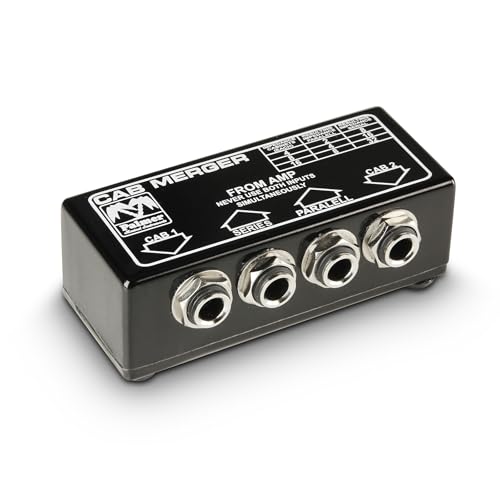
- Inputs: 2
- Input connectors: 6.3 mm jack

The Palmer CAB M isn’t actually a speaker cabinet that moves air; it’s an analog speaker simulator and DI box. It’s an excellent tool for recording or going direct to a PA system without a mic. We recommend this for players who want to “silent stage” or record at home. However, it cannot replace a physical cabinet like the Orange OBC-112 Bass Cabinet during a live performance where you need to feel the bass behind you. These two products actually complement each other well; you could use the Palmer for your DI signal while using the Orange for your stage monitoring.
3. Peavey Headliner 410 Bass Enclosure

- Get more bass for less with 4 x 10" speakers
- Four custom designed 10" ceramic magnet woofers-8 ohms impedance-18mm ply cabinet with internal bracing and steel corners
The Peavey Headliner 410 is the traditional alternative. It is a 4×10 cabinet that provides massive volume and a very “standard” bass tone. It’s significantly heavier and larger than the Orange. If you are on a strict budget and don’t mind the heavy lifting, the Peavey offers more speaker surface area for the money. However, you lose the portability and the refined Neodymium clarity of the Orange OBC-112 Bass Cabinet. For the modern bassist who values back health and premium tone, the Orange is a much more sophisticated investment, even if it has fewer speakers.
Final Verdict: Is the Orange OBC-112 Bass Cabinet Right for You?
After extensive testing and comparison, the Orange OBC-112 Bass Cabinet stands out as a masterclass in modern cabinet design. It successfully bridges the gap between portability and professional performance. Its main strengths lie in its incredible weight-to-power ratio, its robust birch construction, and that signature Orange mid-range that helps you be heard in any musical context. While it might require a second unit for the loudest of stages, its modular nature makes it a future-proof investment.
We recommend this cabinet to any bassist who is tired of heavy gear but refuses to compromise on their “voice.” Whether you are a jazz player needing a clean, warm low end or a rock bassist needing a punchy growl, this cabinet delivers. It’s time to stop dreading the load-in and start enjoying your tone again. If you’re ready to upgrade your rig to a lightweight powerhouse, you should definitely check out the Orange OBC-112 Bass Cabinet today and experience the difference for yourself.
Last update on 2026-10-16 / Affiliate links / Images from Amazon Product Advertising API