
Koldot Electronic Wind Instrument Stand Review: Is It the Perfect Budget Companion for Your Wind Synth?
For modern digital woodwind players, finding a secure resting place for our expensive gear is a constant source of anxiety. Unlike traditional saxophones or flutes, electronic wind instruments (EWIs) like the Akai EWI series or Roland Aerophone models have unique, elongated cylindrical shapes, delicate touch-sensitive keys, and bottom-mounted MIDI or audio cables. For years, we have had to improvise. Many of us have resorted to balancing our digital instruments on precarious guitar stands, or even combining a heavy cymbal stand with a drummer’s drink holder just to keep our instrument upright. One accidental bump, and hundreds of dollars of sophisticated electronics can crash to the floor. When we heard about the Koldot Electronic Wind Instrument Stand, we wanted to see if this dedicated, budget-friendly option could finally solve this persistent problem for digital musicians, or if it was simply too good to be true.
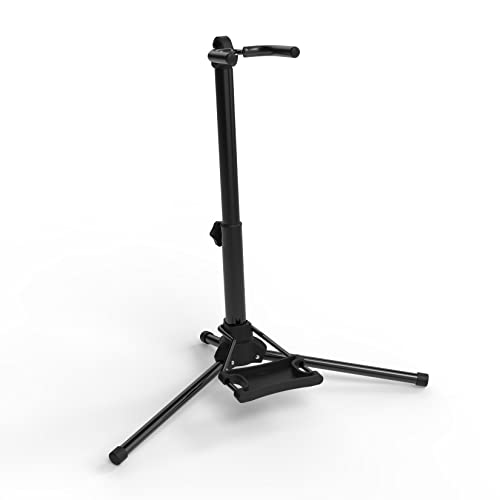
- Universal stand tailored for electric wind instruments, suitable for digital wind instruments such as aerophone, etc.
- Product size after installation: 15.7 inches in height
What You Must Consider Before Choosing an Instrument Stand
An instrument stand is far more than just a metal accessory; it is a vital safety net for your musical investment. For electronic woodwind players, a dedicated stand ensures that your instrument remains upright, plugged in, and ready to play at a moment’s notice. It prevents moisture from pooling inside the delicate internal sensors and eliminates the constant hassle of packing your instrument back into its gig bag during short practice breaks. By keeping your instrument visible and accessible, a reliable stand naturally encourages more frequent practice sessions and streamlines your creative workflow.
The ideal customer for this type of product is a home-studio musician, a casual hobbyist, or a gigging digital woodwind player who needs a lightweight, dedicated mount for a standard-sized digital wind synthesizer. Conversely, this product might not be suitable for professional musicians who constantly tour and subject their gear to rugged road conditions, nor is it designed for players of oversized digital saxophones that require a wider, heavy-duty support cradle. If you are looking for a stand that can accommodate traditional heavy brass instruments, you may want to look toward beefier, traditional saxophone stands instead.
Before investing in a stand, consider these crucial points in detail:
- Dimensions & Space: Consider the physical footprint of the stand relative to your practice area. A compact, low-profile tripod design is essential if you work in a cramped home studio or perform on a crowded stage where floor space is at a premium.
- Capacity & Performance: Evaluate how well the cradle matches the specific contours of your instrument. A digital wind stand must support the elongated body of a wind controller without putting unnecessary pressure on sensitive keys, side rollers, or bottom cable ports.
- Materials & Durability: Look for robust metal construction with anti-rust finishes. While lightweight materials are fantastic for transport, the joints, screws, and folding mechanisms must be durable enough to withstand repeated setup and teardown cycles without striping or breaking.
- Ease of Use & Maintenance: The stand should be incredibly simple to assemble and fold down. Maintenance should be minimal, requiring nothing more than an occasional tightening of the tension screws and a quick wipe-down of the protective foam padding to prevent dust buildup.
Choosing the right support system is a highly personal decision based on your specific instrument model and performing environment.
While the Koldot Electronic Wind Instrument Stand is an excellent choice, it’s always wise to see how it stacks up against the competition. For a broader look at all the top models, we highly recommend checking out our complete, in-depth guide:

- HIGH QUANLITY METAL MATERIAL:Saxophone instrument stand is anti-rust,wear-resistant and durable for long term use


- The Folding Yoke has a Locking Pin that secures the upper yoke in position.

- SOLID HARDWOOD BUILD - No particle board or laminate. Dependable wooden stand with a heavy base and anti-slip rubber, firmly in place to prevent tipping.
Unboxing and First Impressions of the Koldot Electronic Wind Instrument Stand
Upon opening the box, the first thing we noticed about the Koldot Electronic Wind Instrument Stand was how remarkably light it felt. Weighing in at just one pound, it is an incredibly lightweight piece of gear that won’t add any noticeable bulk to your gig bag. The packaging is minimalist, and setting up the stand takes less than a minute. Out of the box, you simply unfold the three-legged tripod base, adjust the height to your preference, and secure the top cradle. To see how it looks and fits in a real studio setup, you can see its full feature set and user reviews online.
The sleek, black, brushed metal finish gives the stand a professional, understated aesthetic that blends seamlessly into a dark stage environment or a modern home studio setup. However, its lightweight construction immediately tells you that this is a light-duty stand. While the metal feel is clean and anti-rust treated, the overall structural density is clearly optimized for portability rather than heavy-duty, high-impact abuse. For casual home use and light travel, the initial impression is highly positive, offering a specialized shape that traditional heavy woodwind stands simply cannot match.
Key Benefits
- Extremely lightweight and easy to carry in any backpack or gig bag.
- Designed specifically for the unique cylindrical shape of digital wind instruments.
- Quick, tool-free assembly and folding mechanism.
- Low-profile matte black finish looks great on stage.
Limitations
- The top cradle is too narrow to securely hold wider instruments like the Roland Aerophone AE-20 or AE-30.
- Lightweight metal joints may wear out quickly if subjected to constant travel and rough handling.
An In-Depth Performance Analysis of the Koldot Electronic Wind Instrument Stand
To truly understand how this stand performs, we spent several weeks testing it in various environments—from quiet living room practice spaces to active home studio recording sessions. Here is our detailed breakdown of how the stand holds up under real-world conditions.
1. Tailored Form Factor for Digital Synthesizers
The standout feature of the Koldot Electronic Wind Instrument Stand is its specialized cradle design. Traditional saxophone stands are built with wide, sweeping yokes meant to support the large, flared bell of an acoustic brass horn. When you try to place a narrow, straight digital wind controller like an Akai EWI into one of those traditional stands, the instrument slides around, tilts dangerously, or falls right through. Koldot has addressed this by narrowing the top support bracket specifically to cradle the slim, cylindrical chassis of a digital wind instrument.
In our testing, we found that standard-sized EWIs and slim wind controllers slide into this cradle perfectly. The soft padding on the bracket prevents the plastic body of the instrument from getting scratched, and the lower support cup keeps the instrument from slipping downward. Because digital wind controllers often have touch-sensitive keys and delicate pitch-bend plates on the back, having a stand that holds the instrument securely by its main structural frame without putting pressure on these sensitive controls is a massive benefit. If you are tired of improvising with generic stands, you can check the latest price and availability to see if this dedicated design fits your setup.
2. Base Stability and Center of Gravity on Stage
Stability is the number-one priority for any instrument stand. The Koldot stand utilizes a classic three-legged triangle base design. When fully deployed, the legs spread out widely enough to create a low center of gravity. Given that the stand stands at a modest 15.7 inches tall after installation, it keeps your instrument low to the ground. This low-profile stance is highly effective at preventing tipping from side-to-side bumps.
Because the overall weight of the stand is only one pound, the base relies heavily on the physical geometry of the tripod rather than sheer mass to stay upright. On hard surfaces like wood or tile, the rubber feet on the legs do a great job of gripping the floor and preventing sliding. However, on thick studio carpeting, we noticed that the lightweight nature of the stand makes it slightly more susceptible to rocking if brushed against aggressively. Overall, for a static environment like a home studio or a controlled stage corner, the physical stability is more than adequate for supporting lightweight digital wind synths.
3. Portability, Weight, and Materials Longevity
For the traveling musician, gear weight is everything. The folding design of the Koldot Electronic Wind Instrument Stand is a feature that really sets it apart from bulkier woodwind stands. The legs fold upward parallel to the main shaft, reducing the stand to a highly compact package that can easily slide into the side pocket of an instrument bag. The brushed metal construction is treated to be water-resistant and anti-rust, ensuring that sweat or spilled drinks on stage won’t ruin its sleek look over time.
However, we must address the trade-offs of this ultra-lightweight construction. While the metal tubing is resilient, the tension screws and joints are made of lighter materials. In our hands-on evaluation, we felt that these joints require a gentle touch. If you are a musician who gig multiple times a week, constantly tightening and loosening these plastic-capped adjustment screws could lead to early wear and tear. We recommend setting the stand to your preferred height and leaving it there whenever possible, rather than constantly over-tightening the joints, to ensure its long-term durability. To get a closer look at the materials and build, you can explore the construction details online.
4. Sizing Bottlenecks and High-End Instrument Compatibility
While the product is marketed as a universal folding tripod stand for various digital wind instruments, our real-world testing revealed some critical limitations regarding larger digital models. The top cradle is designed with standard, slimmer controllers in mind. If you are playing a Roland Aerophone AE-20 or AE-30, you will find that the body of these particular instruments is significantly wider and deeper than an Akai EWI or a Yamaha YDS-series controller.
When we attempted to place larger wind synths into the Koldot stand, we found that they simply did not fit comfortably into the narrow top bracket. You can make them “sort-of” fit by balancing them precariously on the edges, but this completely defeats the purpose of having a secure stand. For owners of wider, premium digital woodwinds, this sizing bottleneck is a crucial factor to keep in mind. However, for players of slim EWIs, casual digital recorders, or standard electronic casual wind instruments, the fit is exceptionally snug and reliable. You can read the detailed sizing specs to confirm if your specific instrument matches the stand’s dimensions.
What Other Users Are Saying: Real-World Performance Reports
When we looked at the experiences of other musicians who have integrated the Koldot Electronic Wind Instrument Stand into their setups, we found a very clear and consistent consensus that matches our own findings. Many users expressed immense relief at finally finding a dedicated solution for their electronic instruments. One reviewer shared that this stand successfully replaced an old, bulky guitar stand combined with a drummer’s drink holder that they had been using for years, noting that the Koldot holds their EWI wonderfully without any of the old DIY hassles.
Another common point of praise is how incredibly lightweight and portable the unit is, making it a favorite for casual players who move between rooms in their homes. However, the feedback is also highly honest about the stand’s limitations. Multiple users pointed out that this stand is strictly for digital wind instruments and is not heavy-duty enough for traditional brass. Furthermore, owners of the larger Roland AE-20 and AE-30 wind synths confirmed our findings, warning others that the top cradle is simply too narrow to accommodate these wider instruments. Lastly, some users noted that the stand can feel fragile under heavy use, warning that if you move it around constantly or handle it roughly, the joints may fail. Before making your final decision, you can browse through all the user reviews to see how other wind players evaluate its everyday performance.
How the Koldot Electronic Wind Instrument Stand Compares to Top Alternatives
While the Koldot stand is a highly focused, budget-friendly option for digital wind players, it is helpful to see how it compares to some of the industry-standard traditional woodwind stands on the market. Below, we compare the Koldot to three highly popular alternatives.
1. Hercules Alto Saxophone Stand
- The Folding Yoke has a Locking Pin that secures the upper yoke in position.
- The Adjustable Backrest safely supports the instrument.
The Hercules Alto Saxophone Stand (DS530BB) is a legendary piece of gear renowned for its rock-solid stability and heavy-duty steel construction. Unlike the ultra-lightweight Koldot stand, the Hercules is built to hold heavy acoustic alto or tenor saxophones. It features folding yellow yoke arms that wrap securely around a traditional saxophone bell. While it is incredibly durable and comes with a high-quality carrying bag, it is designed for a completely different class of instruments. If you play a traditional saxophone or a very large, heavy digital wind instrument, the Hercules is the superior, heavy-duty choice. However, for standard, slim digital wind controllers, the Hercules cradle is far too wide, whereas the Koldot offers a much more tailored, snug fit at a fraction of the weight.
2. Stagg Alto Saxophone Stand

- Functionality : This stand can be used to safely hold your saxophone and is adjustable to support both Alto and Tenor sizes.
The Stagg Alto Saxophone Stand is an adjustable, all-metal folding stand that provides a great middle-ground for musicians on a budget. It is incredibly stable, quick to set up, and features adjustable locking pins to accommodate various heights. While it is fantastic for traditional woodwind players in classroom or home environments, it suffers from the same compatibility issues as the Hercules when it comes to electronic wind controllers. Its support brackets are shaped specifically for acoustic instrument bodies. If your primary instrument is a slim digital wind controller, the Stagg stand’s wider arms won’t hold your gear securely. However, if you are a multi-instrumentalist who plays both traditional saxophone and digital wind instruments, the Stagg offers a sturdier base that can be customized with aftermarket padding.
3. Hercules Alto Saxophone Stand with Auto Grip

- Folding Stand for Alto/Tenor Saxophone with Auto Grip System Carrying Bag
For the ultimate in instrument security, the Hercules Alto Saxophone Stand with Auto Grip (DS630BB) features an innovative auto-locking yoke system. When you place your instrument into the cradle, the weight of the instrument triggers safety gates that automatically close around the neck to prevent it from falling out. This is an incredibly safe option for high-traffic stages or busy home studios. Compared to the Koldot stand, this Hercules model is far heavier, bulkier, and more expensive. It is designed for maximum security on professional stages. While the Auto Grip system is fantastic, it is optimized for traditional alto and tenor saxophones. For lightweight digital EWIs, the trigger mechanism may not engage properly due to the instrument’s low weight, making the simpler, lightweight Koldot stand a more practical and cost-effective choice for standard digital players.
The Final Verdict: Is the Koldot Electronic Wind Instrument Stand Right for You?
Ultimately, the Koldot Electronic Wind Instrument Stand is a highly specialized, budget-friendly accessory that does exactly what it is designed to do, provided you understand its limitations. If you are a digital woodwind player who owns a standard, slim electronic wind instrument like an Akai EWI, and you want a dedicated, lightweight, low-profile stand to keep your instrument safe in a home studio or a quiet practice room, this stand is an absolute steal. It successfully replaces precarious DIY setups and offers a tailored fit that traditional saxophone stands cannot match.
However, if you own a larger digital wind synth like the Roland Aerophone AE-20 or AE-30, or if you need a rugged, heavy-duty stand that can withstand the daily abuse of a touring professional, we recommend investing in a heavier, more customizable option. For the casual digital musician seeking convenience, ease of use, and a dedicated design, this stand is a fantastic asset. If you are ready to upgrade your practice space and give your wind controller the dedicated home it deserves, we highly recommend that you order the Koldot Electronic Wind Instrument Stand today.
Last update on 2026-10-07 / Affiliate links / Images from Amazon Product Advertising API