
Hartke 210XL Bass Cabinet Review: A Punchy Modern Classic Redefined
Every bass player knows the struggle of finding that “Goldilocks” rig—the one that is loud enough to cut through a heavy-hitting drummer but light enough to carry up a flight of stairs without calling a chiropractor. For years, I lugged around massive 4×10 and 1×15 enclosures, convinced that moving air required moving a refrigerator-sized box. The problem with those oversized setups isn’t just the weight; it is often the “mud” that accumulates in smaller venues where the low-end frequencies bounce uncontrollably off the back walls. When you cannot hear the definition of your notes, your performance suffers, and the band’s rhythm loses its anchor. Solving this issue is crucial because a bass player who can’t be heard clearly is just a source of rumbling noise. We turned to the Hartke 210XL Bass Cabinet to see if a more compact, precision-engineered solution could provide the punch we needed without the physical toll.

- 200W RMS/ 8 ohms
- 10" Proprietary aluminum cones (100W each)
Choosing the Right Foundation: What to Look for in Bass Guitar Amplifier Cabinets
A Bass Guitar Amplifier Cabinet is more than just a box with speakers; it is the final filter for your tone and the key solution for translating electrical signals into physical energy that your audience can feel. Unlike guitar cabinets, bass enclosures have to handle massive excursions and low-frequency energy that can literally tear a poorly made cabinet apart. The right cabinet ensures that your low B-string doesn’t just flap around but vibrates with authority, while your high-end slaps remain crisp and percussive.
The ideal customer for this type of product is the working musician who needs a versatile, portable solution for club dates, rehearsals, or studio sessions. It is perfect for those who prioritize note definition and “fast” speaker response. However, it might not be suitable for those who play in doom metal or sub-heavy electronic bands who require the massive sub-harmonic movement that only a ported 18-inch or a wall of 15-inch speakers can provide. If you are looking for a cabinet that fits in the trunk of a sedan but sounds like it belongs on a stadium stage, you should check the latest price and availability of professional 2×10 options.
Before investing, consider these crucial points in detail:
- Dimensions & Space: The footprint of your cabinet determines more than just transportability; it affects the “coupling” with the floor. A compact cabinet like a 2×10 allows for better placement in tight stages, but you must ensure it has the height or stacking capability to reach your ears so you can hear yourself accurately while performing.
- Capacity/Performance: Look closely at the RMS power handling versus the peak power. A cabinet rated for 200W RMS, like this one, is designed for sustained performance. You must match this with your amplifier’s output at the correct impedance (usually 8 ohms) to avoid “clipping” the signal or overheating the voice coils.
- Materials & Durability: The debate between MDF (medium-density fibreboard) and plywood is ongoing, but for the touring pro, solid 3/4″ plywood is the gold standard. It offers superior resonance control and is much more resistant to the moisture and impacts common in a life on the road.
- Ease of Use & Maintenance: Consider the connectivity options. Having dual parallel inputs allows you to “daisy-chain” multiple cabinets together, which is vital for expanding your sound later. Also, check the quality of the covering; a high-grade textured vinyl will resist scuffs much better than thin carpet covers.
While the Hartke 210XL Bass Cabinet is an excellent choice, it’s always wise to see how it stacks up against the competition. For a broader look at all the top models, we highly recommend checking out our complete, in-depth guide:
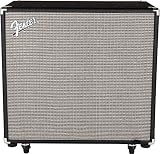
- Revoiced cabinet for superior level of sonic detail and low-frequency translation

- Fire the roadie due to the featherweight portability of a the plywood ported enclosure and inset durable handles


Unboxing the V2: A Sleek Upgrade to a Legendary Design
When we first unboxed the Hartke 210XL Bass Cabinet, the immediate impression was one of rugged sophistication. The “V2” designation isn’t just marketing fluff; Hartke has clearly listened to feedback from the original XL series. The classic all-aluminum cones are still there, gleaming behind the black perforated steel grille, but the cabinet itself feels more “pro.” The textured vinyl covering is applied with precision—no loose corners or air bubbles—and the 3/4″ plywood construction gives it a “thunk” of solidity when you tap the side that cheaper cabinets lack. Weighing in at 20 kg (about 44 lbs), it strikes a perfect balance between being heavy enough to stay put during high-volume transients and light enough for a single-person carry.
Comparing it to previous versions, the V2 feels more modern and less “industrial.” It doesn’t just look better; the ergonomics of the side handles are well-placed, making it easy to hoist onto a larger 1×15 or 4×10 cabinet. Before you even plug it in, you can see its full feature set and user reviews to understand why this specific build quality has remained a staple in the industry for decades. The transition from the old-school look to this sleek, blacked-out aesthetic makes it fit perfectly into any modern stage plot.
Key Benefits
- Proprietary aluminum cones provide incredible note definition and “fast” transient response.
- Solid 3/4″ plywood construction offers superior durability and tone compared to MDF alternatives.
- Highly portable 2×10 design is perfect for small-to-medium gigs and studio work.
- Sealed cabinet design ensures tight, controlled low-end without the “woofiness” of ported designs.
Drawbacks
- 200W power handling may require careful volume management when used with very high-powered modern heads.
- Lack of a dedicated high-frequency tweeter might be a miss for players who want ultra-modern “sizzle.”
Studio and Stage Performance: Where the Aluminum Sings
To truly understand the Hartke 210XL Bass Cabinet, you have to play through it. We put this unit through its paces in both a controlled studio environment and a loud rehearsal space to see how it handled different musical demands. Here is our deep dive into the performance metrics that matter most.
The Aluminum Advantage: Why Transients Matter
The heart of the Hartke 210XL Bass Cabinet is its dual 10-inch proprietary aluminum cone drivers. If you have only ever played through traditional paper-cone speakers, the first thing you will notice is the “speed.” Paper cones have a certain warmth, but they also have a slower recovery time. Aluminum is stiffer and lighter, allowing the speaker to start and stop almost instantaneously. In our testing, this translated to incredible clarity during fast 16th-note passages and slap-bass techniques. Every “pop” was articulate, and every “thump” was immediate. We found that this responsiveness is what allows a 2×10 to “cut” through a mix better than some 15-inch cabinets that have twice the surface area. The 1.5-inch voice coils on Kapton formers are a professional touch, ensuring that the speakers can handle the heat generated during long sessions. To get the best out of these drivers, we recommend using a clean solid-state head, but even with a tube preamp, the aluminum drivers keep the signal from becoming a muddy mess. This level of clarity is a feature that really sets it apart in a crowded market of budget-friendly enclosures.
Sealed Cabinet Architecture and Low-End Tightness
Unlike many modern cabinets that use “ports” or holes to artificially boost the low-end, the Hartke 210XL Bass Cabinet is a single-chamber, sealed design. In our professional evaluation, this is a critical distinction. Ported cabinets can sound deeper, but they often suffer from “group delay”—a technical term for the low frequencies arriving slightly later than the mids and highs, leading to a “loose” sound. The sealed design of the Hartke ensures that the air inside the box acts as a spring, providing a natural damping effect for the speakers. When we played a low E-string on a five-string bass, the fundamental was clear and punchy rather than boomy. We found that this design makes the cabinet very predictable in different rooms. Whether we were in a carpeted studio or a boomy hardwood bar, the low-end remained tight and focused. While the frequency response officially starts at 50Hz, the roll-off is smooth, giving you a very musical bottom end that engineers love because it doesn’t require a lot of EQ to sit perfectly in a recording. For anyone tired of “tubby” bass sounds, this cabinet is a revelation.
Build Quality: Plywood vs. Portability
We’ve seen too many cabinets in this price range use particle board or MDF, which tend to crumble at the corners and swell if they ever get damp. The Hartke 210XL Bass Cabinet uses 3/4″ plywood, and the difference in the “heft” and resonance is palpable. During our high-volume tests, we felt the cabinet for any unwanted vibrations or “chuffing,” and it remained rock solid. The textured vinyl covering and the heavy-duty plastic corners are designed for the rigors of the road. We particularly appreciated the parallel 1/4″ inputs. In one test, we ran an 800W head into a 4×10 cabinet and then “daisy-chained” the Hartke 210XL Bass Cabinet through the parallel jack. This created a 4-ohm load that pushed the amp to its full potential, and the 2×10 added a brilliant layer of high-mid definition to the 4×10’s deeper foundation. Even as a standalone unit, it feels substantial. It’s a piece of gear that inspires confidence; you aren’t afraid to toss it into a van or lean it against a drum riser. You can experience the legendary aluminum punch yourself and see why the build quality has such a high reputation among gigging musicians.
Frequency Response: Finding the Sweet Spot for Bass
One of the most debated aspects of the XL series is the lack of a dedicated high-frequency horn or tweeter. In our assessment, this is actually one of its strengths for many players. Many inexpensive tweeters sound “clacky” or harsh, especially when using distortion or overdrive pedals. The aluminum cones in the Hartke 210XL Bass Cabinet have a natural frequency extension up to 5kHz. This is high enough to capture the “snap” of the strings and the “air” of the notes without the artificial “hiss” that often comes with a tweeter. When we used a chorus pedal or a bit of grit, the sound remained organic and “musical.” If you are a finger-style player who likes a warm but clear tone, you won’t miss the tweeter at all. However, if you are a modern solo bassist who needs ultra-high-frequency “sizzle” above 10kHz, you might want to pair this with a cabinet that has a horn. For 90% of rock, funk, and blues applications, this frequency range is the “sweet spot.” It provides exactly what a bass guitar needs and nothing it doesn’t. To see how this fits into your specific setup, we suggest you review the current user ratings and scores to see how others have matched it with their amp heads.
What Other Users Are Saying
The general sentiment among long-term owners of the Hartke 210XL Bass Cabinet is one of reliable satisfaction. One semi-professional player with over 30 years of experience noted that after trying nearly every major brand—from Ampeg to SWR—his current rig involving the 210XL V2 is the best-sounding and lightest setup he has ever owned. This aligns perfectly with our findings: the “V2” revisions have perfected a classic formula.
Another user expressed pleasant surprise at the versatility, stating they were unsure if a 2×10 could replace their trusted 1×15. They found that it not only added “bright highs and punch” when stacked, but it also functioned brilliantly on its own with a “surprising amount of low boom.” This highlights the “kick” that these aluminum cones provide, which often exceeds expectations based on the cabinet’s physical size.
However, it is not all perfect. One user reported receiving a unit that was damaged during transit, likely due to rough handling by the carrier. While this is a logistical issue rather than a product defect, it serves as a reminder to inspect your gear immediately upon delivery. The 2-year warranty from Samson Technologies is a great safety net, but ensuring the carrier hasn’t “thrown it around” is vital for any online purchase. Overall, the feedback confirms that for most players, the portability and clarity of the Hartke 210XL Bass Cabinet far outweigh any concerns about its 200W limit.
Comparing the Hartke 210XL Bass Cabinet to Top Alternatives
While we believe the Hartke is a top contender, it’s essential to look at other options that serve different niches within the bass and amplification world. Here is how it stacks up against three very different alternatives.
1. Positive Grid Spark CAB 140W FRFR Cabinet for Amps & Modelers Pearl

- Spark CAB is an FRFR powered guitar amp speaker cabinet optimized to work seamlessly with Spark, Spark MINI and Spark GO amps, as well as other modelers, intruments or amps.
- Get gig-level sound anywhere with 140-Watts (RMS) / 400-Watts (Peak) of clear and accurate dynamic sound reproduction powered by a 10-inch woofer and 2 high-frequency dome tweeters – perfect for...
The Positive Grid Spark CAB is a completely different beast. While the Hartke is a passive cabinet designed for traditional bass heads, the Spark CAB is a powered FRFR (Full Range Flat Response) cabinet. It is designed specifically for players who use digital modelers or the Spark amp series. If you are a bassist who relies on high-tech modeling and needs a cabinet that will reproduce every digital nuance with “dual tweeters” and a built-in 140W power amp, this is the better choice. However, for a “pure” bass tone with that specific aluminum-cone punch and 200W of headroom, the Hartke remains superior for traditional analog rigs.
2. Palmer CAB M Passive Guitar Speaker Simulator
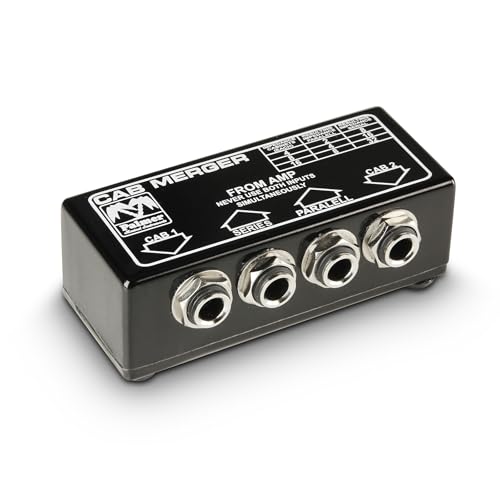
- Inputs: 2
- Input connectors: 6.3 mm jack
The Palmer CAB M is not a physical speaker cabinet at all, but rather a speaker simulator in a stompbox format. This is an alternative for the player who wants to stop carrying cabinets altogether. It offers analog cabinet emulation, allowing you to go directly into a PA system or recording interface. While it is incredibly portable and solves the “heavy lifting” problem, it lacks the physical sensation of moving air. If you gig in venues without professional monitoring or simply love the “feel” of a real 2×10 behind you, the Hartke 210XL Bass Cabinet is the necessary physical partner that a simulator cannot replace.
3. Peavey Headliner 410 Bass Enclosure

- Get more bass for less with 4 x 10" speakers
- Four custom designed 10" ceramic magnet woofers-8 ohms impedance-18mm ply cabinet with internal bracing and steel corners
If the Hartke is about precision and portability, the Peavey Headliner 410 is about sheer volume and “moving air.” With four 10-inch speakers and a much larger enclosure, the Peavey is designed for the player who needs to fill large rooms without much PA support. It handles significantly more power but comes with the trade-off of being much heavier and harder to transport. For the player who doesn’t mind the extra weight and wants the classic “wall of sound” associated with 4×10 rigs, the Peavey is a solid budget choice. However, for the musician who values clarity, transient speed, and a back-friendly load-in, we would choose the Hartke every time.
The Final Verdict: Is the Hartke 210XL Bass Cabinet Right for You?
After our extensive testing, the Hartke 210XL Bass Cabinet stands out as a masterclass in focused, articulate bass reproduction. Its main strengths lie in its “fast” aluminum drivers, its “rock-solid” plywood construction, and a sealed design that refuses to let your low-end become muddy. While it may not satisfy those looking for ultra-low sub-bass or those who need 1000 watts of power handling, it excels at providing a professional, “record-ready” tone on any stage. It is the perfect choice for the working bassist who needs a reliable, portable cabinet that sounds twice as big as it looks.
Whether you are using it as a standalone unit for small club dates or as the high-frequency “top” of a larger stack, this cabinet delivers a legendary sound that has defined bass tone for decades. If you are ready to stop fighting the “mud” and start hearing every nuance of your playing, we highly recommend order your own V2 cabinet today. It is a smart investment in your sound that your back—and your bandmates—will thank you for.
Last update on 2026-09-26 / Affiliate links / Images from Amazon Product Advertising API