
EMG B289 Toggle Switch Review: A Solderless Game-Changer for Modern Guitar Electronics
Every electric guitar player eventually faces the dreaded intermittent signal loss. Picture this: you are deep into a passionate solo at a live gig or tracking an important take in the studio, and suddenly, the bridge pickup drops out entirely, replaced by an annoying crackle or total silence. Toggling back and forth furiously brings the sound back temporarily, but you know the hardware is failing. When we recently encountered this frustrating issue on a heavily modified double-cutaway electric guitar paired with a high-output active pickup set, our initial troubleshooting sent us down a rabbit hole of pedalboard signal tracing and amp cable checks. Ultimately, the culprit was hiding right beneath the control cavity cover: a worn-out, poorly contacting mechanical selector switch.
Fixing this issue traditionally required pulling out a heavy-duty soldering iron, risking scorched guitar finishes, messing with messy grounding wires, and hoping you didn’t accidentally bridge a delicate terminal. For players who either lack the time, the tools, or the confidence to solder complex circuits, dealing with standard guitar wiring can feel like defusing a bomb. That is precisely where upgraded drop-in solutions become invaluable. In this review, we examine whether a modern plug-and-play approach can completely eliminate installation headaches while delivering pristine, reliable signal routing. If you want to see its full feature set and user reviews, we’ll break down exactly how this unit performs under real-world pressure.
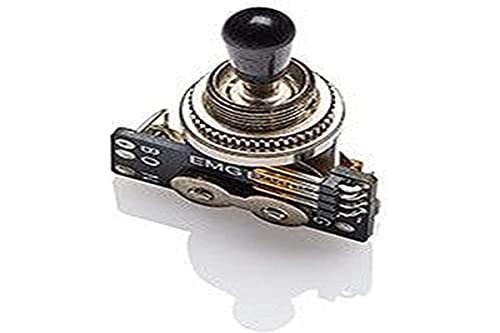
- Low Profile
- 3-Position Design
What to Consider Before Buying Electric Guitar Electronics
Electric guitar electronics are much more than simple wires and passive resistors; they form the absolute nervous system of your instrument. The primary purpose of upgrading or replacing components like a 3-way toggle switch is to ensure clean, transparent signal transmission from your magnetic fields straight to your amplifier inputs, free from unwanted microphonics, ground hum, or resistance drop-offs. A pristine electronic component preserves the natural voice and dynamics of your pickups, whether you play pristine vintage jazz tones or modern saturated metal leads.
The ideal customer for this type of product is a guitarist looking to upgrade, repair, or convert their instrument to a solderless active pickup layout—especially owners of single-cutaway styles like Les Pauls or similar dual-humbucker axes who value quick, clean maintenance. On the other hand, traditionalists who strictly demand vintage-spec open-frame spring contacts or those playing guitars with non-standard routing might find proprietary plug systems restrictive. Before investing in a replacement, you should carefully weigh several physical and electrical factors to ensure total compatibility with your specific instrument.
Before investing, consider these crucial points in detail:
- Dimensions & Space: Physical cavity clearance is the most common hidden trap when replacing guitar switches. You need to verify both the depth of your control cavity and the top-plate thickness, as some thick-carved maple tops can leave threads exposed or prevent low-profile switches from seating correctly without clearance issues.
- Capacity/Performance: Electrical reliability under repeated switching matters immensely. Look for low-resistance brass contacts and robust mechanical detents that guarantee clean channel separation without signal bleed or unexpected static bursts when flipping between neck and bridge configurations.
- Materials & Durability: Cheap switches often feature flimsy stamped metal housings that loosen up after a few months of aggressive rhythm playing. High-quality materials like heavy-duty brass internal contacts ensure long-term oxidation resistance and a crisp, positive tactile click every time you change positions.
- Ease of Use & Maintenance: Consider whether you prefer traditional solder joints that require thermal equipment or modern plug-and-play connectors. Solderless systems dramatically reduce installation time and make future pickup swaps or electronics troubleshooting entirely modular and stress-free.
Taking these variables into account ensures you select hardware that fits seamlessly into your playing ecosystem without requiring unexpected guitar body modifications or professional luthier intervention.
While the EMG B289 Toggle Switch is an excellent choice, it’s always wise to see how it stacks up against the competition. For a broader look at all the top models, we highly recommend checking out our complete, in-depth guide:

- 5.8GHz Clear & Stable Sound with Low Latency: Advanced 5.8GHz digital transmission delivers 48K/24bit high-resolution audio quality, low noise and imperceptible latency under 6ms. Enjoy responsive...
- 2 Pack Pure Tone PTT1 Mono Full-contact Output Jacks
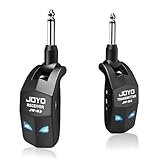
- 2.4GHz CLEAR QUALITY SIGNAL: Reliable wireless system delivers clean tone with less than 5ms low latency and <0.02% distortion. Over 20m (65ft) range in open areas. Perfect for home practice, studio...
First Impressions, Design, and Core Features of the EMG B289 Toggle Switch
Unboxing the EMG B289 Toggle Switch, our immediate impression was one of robust engineering and thoughtful packaging. Unlike generic factory switches that often feel loose or mushy right out of the box, this unit features a notably tight, reassuring mechanical action. Outfitted with a sleek black knob and built specifically for Gibson-style layout requirements, it immediately presents as a serious performance upgrade. Weighing in at a mere 1.27 ounces, it avoids adding unnecessary weight to the upper shoulder of your instrument while maintaining a solid physical presence.
What sets this component apart right away is its inclusion of both short and long cables, anticipating the wildly different cavity layouts found across various single-cutaway and double-cutaway electric guitars. Whether your switch sits deep in a dedicated top route or right inside the main control cavity, the modular wiring harness handles the routing cleanly. To check the latest price and availability, you can examine how its price point compares favorably against traditional custom wiring jobs.
Key Benefits
- Completely solderless design utilizes snap connectors for fast, error-free installation
- Includes both short and long cables to accommodate diverse guitar body routings
- Low-profile mechanical construction prevents clearance issues inside tight control cavities
- Constructed with durable brass contact material for reliable, long-lasting signal transfer
Drawbacks
- Proprietary connector system is optimized for specific active ecosystems
- Initial mechanical switch action is noticeably stiffer than traditional vintage switches
Deep Dive into the EMG B289 Toggle Switch Performance
Solderless Installation and Modular Wiring Flexibility
The single greatest selling point of the EMG B289 Toggle Switch is its revolutionary approach to installation. For players who break out in a cold sweat at the mere sight of a soldering iron, this unit transforms a potentially intimidating bench job into a simple five-minute plug-in procedure. During our hands-on testing, we found that snapping the included cables into place was remarkably secure, eliminating the risk of cold solder joints or stray wire strands touching internal shielding paint and causing ground loops. The package thoughtfully includes both short and long wiring leads, making it trivial to install whether you are working on a traditional top-mounted switch cavity or a rear-routed layout like those found on many modern single-cutaway modern beasts. Furthermore, real users frequently highlight how forgiving the system is; as one player noted, the included instructions even explain how to easily reverse the cable orientation if your pickup selection initially appears backward. This level of user-centric design makes a feature that really sets it apart from old-school wiring harnesses.
Mechanical Precision, Tactile Feel, and Signal Integrity
Beyond simple installation convenience, a toggle switch must perform flawlessly under heavy physical use. Traditional mechanical switches often loosen up over time, developing a sloppy, rattling feel that can result in accidental pickup switching during aggressive rhythm playing. We immediately noticed that the EMG B289 Toggle Switch offers a much tighter, more resolute physical throw. When you flick between the bridge, middle, and neck positions, the detent is firm, positive, and completely devoid of slack. Electrically, the high-quality brass contact material ensures that the signal path remains pristine, completely banishing the random static, drop-outs, and microphonic hum that plague worn-out stock switches. Whether paired with standard active setups or high-output modern humbucker kits, the switch maintains crystal-clear channel separation with zero signal coloration or loss of high-end clarity.
Long-Term Reliability and Cavity Clearance Compatibility
Hardware modifications always carry the risk of hidden compatibility roadblocks, particularly regarding physical depth inside the guitar body. Thanks to its low-profile mechanical footprint, the EMG B289 Toggle Switch fits effortlessly into shallow control cavities and tight spaces without risking contact with conductive shielding or copper tape walls. Long-term durability is another major victory here; evaluating components that have been active in touring instruments for over a year reveals zero degradation in switching crispness or electrical continuity. The contacts remain free of oxidation, and the robust mechanical housing withstands thousands of aggressive pickup shifts without developing loose play. If you are tired of constantly cleaning scratchy contacts with chemical sprays, exploring this durable wiring upgrade offers a permanent, set-it-and-forget-it solution for your primary stage guitar.
What Other Users Are Saying
Gathering feedback from the broader guitar community confirms our hands-on findings regarding the reliability and ease of the EMG B289 Toggle Switch. Reviewers consistently praise the straightforward plug-and-play nature of the unit, emphasizing how it saves time and frustration for anyone lacking professional soldering equipment. One user noted that after installing it in an LP-style copy paired with an active pickup kit, the switch fit with zero height clearance issues and remained completely free of hum. Another musician shared that even after a year and a half of heavy gigging, the hardware still functions like brand new, praising its tight, high-quality mechanical feel compared to flimsy stock parts. On the minor downside, a couple of users pointed out that shipping fees can occasionally add unexpected cost, and one player mentioned that the switch action is noticeably stiffer out of the box than a traditional loose Switchcraft component, though most agree this translates to better long-term durability and prevents accidental switching during aggressive performances.
Comparing the EMG B289 Toggle Switch to Top Alternatives
When upgrading your electric guitar electronics, looking at alternative signal path solutions helps ensure your entire signal chain is optimized from pickups to amplifier. Here is how the EMG B289 Toggle Switch stacks up against three popular electronic upgrades available on the market.
1. JOYO 5.8GHz Wireless Guitar System
- 5.8GHz Clear & Stable Sound with Low Latency: Advanced 5.8GHz digital transmission delivers 48K/24bit high-resolution audio quality, low noise and imperceptible latency under 6ms. Enjoy responsive...
- Portable Charging Case with 18-Hour Total Playtime: Up to 6 hours of play per charge, plus 2 full recharges from case for 18H total battery life. Flashing red light states low battery. Charging tip...
While the EMG B289 Toggle Switch fixes internal guitar switching and signal routing, the JOYO 5.8GHz Wireless Guitar System eliminates the physical cable between your instrument and your amplifier entirely. Featuring ultra-low latency, 24-bit audio resolution, and a convenient charging case providing up to 18 hours of total battery life, this plug-and-play wireless system gives stage performers complete freedom of movement. Players who are happy with their internal guitar wiring but want to cut the cord will find this wireless rig to be an incredible performance upgrade, whereas guitarists battling internal static or failing pickup selectors will still need a hardware switch replacement like the B289.
2. PT PURE TONE Full-Contact Guitar/Bass Jack
- 2 Pack Pure Tone PTT1 Mono Full-contact Output Jacks
- US Spec - Requires a 3/8 inch mounting hole
If you are addressing weak points in your guitar’s internal electronics, the output jack is another critical failure point. The PT PURE TONE Full-Contact Jack takes a revolutionary approach by utilizing multiple contact fingers instead of a single bendable metal prong, vastly increasing surface area connection and eliminating intermittent drop-outs. While the EMG B289 Toggle Switch handles pickup selection, pairing it with a Pure Tone full-contact output jack creates an entirely bulletproof internal signal chain from end to end. Players looking for maximum output reliability across their entire guitar circuit should seriously consider combining both upgrades for ultimate peace of mind.
3. Switchcraft Mono Output Jacks 6-Pack
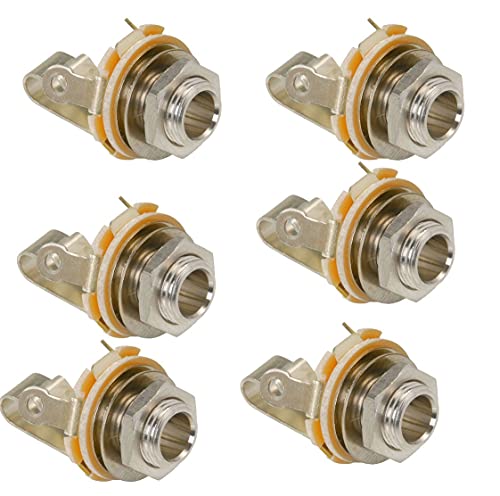
- Experience Seamless Connectivity: Mates with standard 1/4" plugs, ensuring a perfect fit.
- Excellent Audio Quality: Enjoy enhanced durability and superior sound with nickel-plated contacts for better signal transfer.
For purists and workbench technicians who prefer traditional, industry-standard components over modular plug systems, the Switchcraft Mono Output Jacks 6-Pack is a staple workshop item. Switchcraft is renowned for building rugged, long-lasting hardware that has stood the test of time in professional guitars worldwide. Unlike the solderless, active-optimized EMG ecosystem, these traditional jacks require standard soldering skills and are designed primarily for passive circuits or general repairs. If you manage multiple guitars on a workbench and want a bulk supply of gold-standard repair jacks, this 6-pack is hard to beat, whereas players seeking quick, solder-free active conversions will prefer the dedicated EMG ecosystem.
Final Verdict on the EMG B289 Toggle Switch
The EMG B289 Toggle Switch proves that upgrading guitar electronics does not have to be a stressful, solder-stained ordeal. By combining a completely solderless modular connection system with rugged brass contacts and a satisfyingly tight mechanical throw, it successfully eliminates the static, drop-outs, and installation dread associated with traditional wiring. Its inclusion of both short and long cables ensures seamless compatibility across a wide variety of guitar body routings, making it an essential upgrade for anyone running active pickups in a single-cutaway or similar layout. While it features a stiffer mechanical feel than loose vintage switches, this translates directly to superior long-term reliability and zero accidental slips on stage. If you are ready to banish intermittent signal loss and streamline your guitar maintenance, grab yours today and experience total signal reliability.
Last update on 2026-09-15 / Affiliate links / Images from Amazon Product Advertising API