
Electro-Harmonix 15 Watt Guitar Amp Pedal Review: Big Tube-Style Tone in a Micro Enclosure?
As performing and recording guitarists, many of us have spent years lugging heavy 50-watt tube combos or 4×12 speaker cabinets up narrow venue staircases. There is an undeniable satisfaction in feeling air move behind you, but for modern gigging, bedroom practice, and home studio recording, traditional amplifier setups can be cumbersome, overly loud, and demanding to maintain. When a gig requires a fast setup or when space on a studio desk is at an absolute premium, hauling a full-sized head and cabinet setup simply isn’t practical.
This exact frustration led us to test pedalboard-mounted amplifiers. The promise is simple: downsize your entire rig into something that sits right alongside your overdrive and delay units, while still delivering authentic amp responsiveness directly into a speaker cabinet. We put the Electro-Harmonix 15 Watt Guitar Amp Pedal through its paces to see whether a Class D ultra-compact unit can truly serve as a primary amplifier platform or an indispensable emergency backup. If you are looking to streamline your rig, you can check the latest price and availability of this compact rig to see how accessible modern pedal amps have become.

- 15 watts of power, but small enough to fit on a pedalboard or pack in a gig bag
- A full set of sound shaping controls: Volume, Gain, Bass, Mid and Treble
What to Consider Before Buying a Pedalboard Power Amp
An electric guitar power amp pedal is more than just a convenient gadget; it is a central tone engine and utility hub designed to bridge the gap between traditional pedalboards and physical speaker cabinets. By embedding a preamplifier and solid-state power output section directly inside a standard pedal enclosure, this gear category allows musicians to eliminate traditional amp heads entirely. It solves critical challenges regarding setup speed, transportation weight, and low-volume tone shaping, giving players access to consistent EQ and output dynamics without needing to crank a multi-tube monster.
The ideal customer for this type of product is a gigging guitarist seeking an emergency backup amp, a bedroom musician needing a compact desktop setup, or an active fly-date performer who wants to plug directly into whatever house cabinet is provided at the venue. Conversely, it might not be suitable for high-gain metal guitarists who rely entirely on raw, unassisted amplifier distortion to get heavy drop-tuned saturation, or for players who demand the pure high-volume clean headroom of a 100-watt tube stack. Those seeking digital modeling, built-in wireless, or smartphone app integration may want to look toward digital modeling desktop units instead.
Before investing, consider these crucial points in detail:
- Dimensions & Space: Consider the exact footprint on your pedalboard. A pedal amp must leave adequate room for patch cables, power connections, and top-mounted audio jacks without crowding your favorite drive or modulation pedals. Measuring your pedalboard layout beforehand ensures seamless integration without requiring a larger board layout.
- Capacity/Performance: Evaluate output wattage, headroom, Class D power delivery, and speaker impedance compatibility. Ensure the unit can safely drive an 8-ohm or 16-ohm speaker cabinet with enough dynamic range to suit your musical style. You can explore the detailed specifications and technical parameters to confirm how it matches your existing speaker setup.
- Materials & Durability: Look for heavy-duty metal chassis construction, high-grade jacks, and resilient control pots that can withstand stepping on during live performances, frequent packing in gig bags, and road travel.
- Ease of Use & Maintenance: Opt for intuitive control layouts—such as a three-band EQ and bright switch—that mimic standard amplifier controls. Solid-state design eliminates tube wear, re-biasing, and fragile glass components, making long-term maintenance virtually zero.
Understanding these variables will help you decide whether a dedicated pedalboard power amp meets your tonal expectations and practical needs on stage or in the studio.
While the Electro-Harmonix 15 Watt Guitar Amp Pedal is an excellent choice, it’s always wise to see how it stacks up against the competition. For a broader look at all the top models, we highly recommend checking out our complete, in-depth guide:

- Pure Analog Technology for Crystal-Clear Sound: Featuring full analog technology with a precise frequency response of 100Hz-20kHz @ ±3dB, delivering exceptional clarity and natural tone. With 10W...

- 🎸[Built-in 4 Effects] This portable guitar amp is suitable for electric guitar, and has 4 effects, clean, distortion, overdrive, reverb, which cater to your need of daily practice.

- A professional-grade, powerful electric guitar amplifier: We have completely upgraded this 20-watt amplifier to deliver all the power needed for both practice and performance. It comes with a...
First Impressions & Key Features of the Electro-Harmonix 15 Watt Guitar Amp Pedal
Unboxing the Electro-Harmonix 15 Watt Guitar Amp Pedal, the first thing that strikes you is its remarkable size-to-weight ratio. Housed in a die-cast chassis measuring 4.75″ D x 4″ W x 2.25″ H and weighing just under 1.75 pounds, it feels solid, robust, and unmistakably built for real-world stage use. The classic Electro-Harmonix graphics and industrial layout inspire immediate confidence. It comes complete with its dedicated power supply, ready to be mounted directly onto a pedalboard or sit neatly on a home recording studio desk.
Connecting the unit is simple: plug your guitar into the input, run a standard 1/4-inch speaker cable from the main output into an 8-ohm or 16-ohm cabinet, and power it up. Right out of the box, the control layout feels instantly intuitive. Featuring Volume, Gain, Bass, Mid, and Treble knobs, alongside a dedicated Norm/Bright switch, it functions exactly like a classic single-channel guitar amplifier. Before plugging in, players often want to see its full feature set and user reviews to understand how it performs under different playing conditions.
Key Benefits
- Highly portable micro footprint ideal for pedalboards or desktop recording setups
- Fully equipped 3-band tone stack with a versatile Bright/Norm toggle switch
- Dedicated FX Loop (Send/Return) for clean placement of delay and reverb pedals
- 15 watts of efficient Class D power easily drives 8 to 16-ohm speaker cabinets
Limitations
- Gain section offers vintage warm breakup rather than modern high-gain metal distortion
- Clean headroom is limited at maximum volume levels when driven hard
Deep Dive Performance Analysis: Real-World Testing
1. Tone Shaping Capabilities and the Fender-Style Tone Stack
During our extensive playtesting, the tone stack on the Electro-Harmonix 15 Watt Guitar Amp Pedal proved to be one of its standout highlights. Rather than utilizing a simplified single-knob tone contour found on many mini amps, Electro-Harmonix equipped this unit with a full 3-band interactive EQ (Bass, Mid, Treble) paired with a Norm/Bright toggle switch. In operation, the frequency curves closely resemble classic American fender-style circuit topologies, offering clean, articulate frequency sculpting that responds organically to subtle control tweaks.
When running the pedal with a Stratocaster into a 1×12 open-back cabinet, setting the EQ controls to 12 o’clock with the Bright switch engaged delivered a chiming, glassy top-end that immediately brought vintage clean tones to life. Flipping the toggle to the ‘Norm’ position smoothed out harsh upper-harmonics, making it an ideal setting for bridge humbuckers or dark-sounding archtops. To fine-tune your overall signal chain, you can test out its versatile active EQ controls to see how easily it cuts through a dense track mix.
The interaction between the Gain and Volume controls offers considerable tonal range. Sweeping the Gain control up to around 10 to 11 o’clock provides pristine clean tones with plenty of detail and punch. Pushing the Gain beyond 1 o’clock introduces a warm, vintage-style overdrive that responds nicely to guitar volume knob roll-offs. While it won’t produce saturated high-gain metal soundscapes on its own, it acts as a remarkably musical canvas for standalone overdrive and fuzz pedals placed in front of its input.
2. Power Output, Headroom, and Speaker Cabinet Matching
The fundamental job of any pedal amp is delivering adequate power and clean headroom to drive a physical speaker cabinet. The Electro-Harmonix 15 Watt Guitar Amp Pedal utilizes an efficient Class D solid-state power section rated at 15 watts. In modern amplifier terminology, 15 Class D watts translate into surprisingly high sound pressure levels when paired with the correct speaker setup. We tested the pedal across multiple speaker configurations, including a 1×12 isolation cab loaded with a Celestion Greenback and a standard 2×12 closed-back cabinet.
In a home studio or desktop practice setup, 15 watts is more than enough volume to fill a room. The pedal easily pushes small-to-medium cabinets into energetic physical motion without pushing the power section into harsh digital clipping. However, headroom considerations must be kept in mind for loud live drum environments. If you require absolute pristine, high-volume clean tone alongside a hard-hitting live drummer, the 15-watt power ceiling means you will experience mild natural breakup as you crank the master Volume knob toward its maximum output.
For isolation cabinets and recording setups, this lower ceiling becomes an asset. It allows you to dial in natural harmonic warmth and mild compression at volume levels that won’t disrupt neighbors or overwhelm sensitive studio microphones. The pedal operates safely with both 8-ohm and 16-ohm speaker loads, providing flexiblity when connecting to backline cabinets at venues or practice facilities.
3. Effects Loop Integration and Pedalboard Synergy
One feature that elevating the Electro-Harmonix 15 Watt Guitar Amp Pedal above basic power amplification devices is its integrated Effects Loop with dedicated Send and Return jacks. In traditional amp setups, placing time-based effects like delay, reverb, and modulation *after* the preamp stage is essential to prevent ambient tails from turning muddy when the amp begins to breakup. Having a true FX loop directly on a pedalboard power amp is a feature that really sets it apart from basic micro-amps.
We tested this signal flow by routing overdrive, boost, and wah pedals directly into the main front-end input, while placing analog delays and stereo reverbs within the Howitzer’s Send and Return loop. The results were impressive. Delay repeats remained crisp, clean, and distinct, even when the front end of the Howitzer was pushed into mild crunch by a heavy drive pedal. The buffered loop maintains signal strength without introducing noticeable impedance loading or tone suck.
Furthermore, the FX Return jack can act as a direct power amp input. If you prefer to use a separate external preamp pedal, direct amp modeller, or multi-effects unit, you can bypass the Howitzer’s internal preamp stage entirely by plugging directly into the Return jack, using the Howitzer solely as a clean 15-watt power station for your cabinet.
4. Portability, Ergonomics, and Backup Utility
Measuring less than 5 inches deep, this pedal amp fits effortlessly onto standard pedalboards (such as Pedaltrain or Temple Audio boards). Its top-mounted control knobs are clear, easy to grab, and tactile. For home studio producers, having access to full amp EQ and gain controls directly on top of a desktop workstation—without needing to bend down to tweak a traditional combo amp on the floor—is a major workflow improvement.
For gigging musicians, the primary appeal often lies in peace of mind. Amp failures on stage can derail a gig instantly. Carrying a spare tube amp head as a backup is exhausting and impractical, but keeping the Electro-Harmonix 15 Watt Guitar Amp Pedal in your gig bag or permanently mounted on your pedalboard provides instant insurance. If your primary amp fails, you simply patch the end of your pedalboard into the Howitzer, connect the speaker cable, and resume playing in under two minutes.
What Other Users Are Saying
Analyzing widespread user feedback reveals a consistently positive consensus, particularly regarding versatility, studio convenience, and value for money. Many musicians highlight how well the pedal integrates into bedroom recording rigs and home studios. Users frequently celebrate being able to keep the pedal on a desktop alongside external processors, praising the three-band EQ and Bright switch for easily shifting between warm, dark jazz textures and sparkling clean rhythm tones. Players interested in community sentiment can read authentic musician reviews on current store listings.
Multiple users who pair the pedal with isolation cabinets—such as 1×12 enclosures with Celestion speakers—note that 15 watts provides ideal power management for getting full speaker movement without exceeding sensible studio volume limits. Interestingly, non-traditional instrumentalists have also adopted the unit; one custom harmonica player noted that running the preamp of the pedal into vintage-style tube circuits creates an exceptionally thick, driving overdrive tone for high-impedance bullet microphones.
On the critique side, critical feedback centers mainly around power expectations and extreme distortion demands. A few players noted that 15 watts of power does not yield endless clean headroom at stage volumes, pointing out that pushing the volume high causes early signal breakup. Others mentioned that heavy metal players will definitely need external high-gain distortion pedals, as the built-in gain circuit caps out at classic blues/rock crunch. Occasional shipping or delivery issues from third-party logistics were also mentioned, though these do not reflect the physical performance of the gear itself.
How the Electro-Harmonix 15 Watt Guitar Amp Pedal Compares to Alternatives
1. Leo Jaymz 20W Electric Guitar Amp

- 20W electric guitar amplifier with crunch and clean channel.
- Very soft but solid fixing and comfortable handle, leather surface.
The Leo Jaymz 20W Electric Guitar Amp offers a standalone desktop combo design featuring a built-in 6.5-inch speaker, clean/distortion channels, and a CD/Line input. While the Leo Jaymz unit provides a self-contained practice solution with slightly higher rated wattage (20W), it serves a completely different setup purpose than the Electro-Harmonix unit. The Electro-Harmonix 15 Watt Guitar Amp Pedal is engineered specifically as an ultra-compact pedalboard power engine meant to drive external 8-16 ohm stage cabinets and includes a dedicated FX loop. Players who want a traditional desktop practice box with an integrated speaker might look at the Leo Jaymz, but guitarists seeking pedalboard integration and professional FX routing will strongly prefer the Electro-Harmonix.
2. Donner Mini Electric Guitar Amp
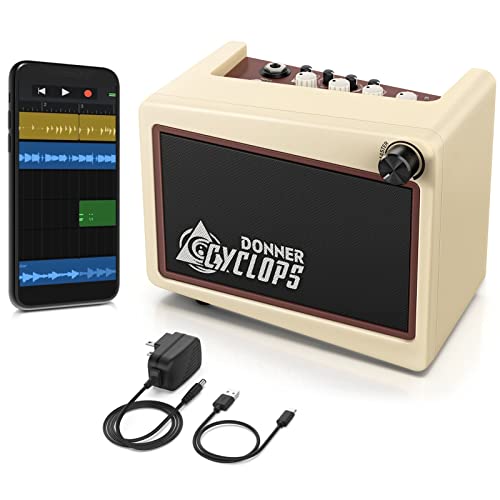
- 【7 Amplifier Models 】6 guitar amps models (based on world-famous classic/boutique/modern amplifiers) and a "flat" model with an unprocessed transparent sound. (Clean x2 - Overdrive x2 - Higain x...
- 【Drum Machine】40 drum patterns (incl. 10 metronome types) TAP button to set drum tempo.POP/ROCK/FUNK/METAL/BLUES/FUSION/METRO.
The Donner Mini Electric Guitar Amp (Cyclops) is a 5-watt desktop practice amplifier packed with digital modeling features, including 7 amp models, modulation effects, and a built-in drum machine. For absolute beginners or players who want a tiny, self-contained desktop unit for late-night silent practice, the Donner offers wide digital variety. However, its modest 5-watt power output and tiny internal speakers cannot compete with the raw power, dynamic punch, and external cabinet-driving capabilities of the Electro-Harmonix 15 Watt Guitar Amp Pedal. The Electro-Harmonix unit provides authentic analog tone stack feel and high power throughput, making it a true performance tool rather than a mini digital desktop toy.
3. Keen Eye Fly 3 Amplifier Power Supply
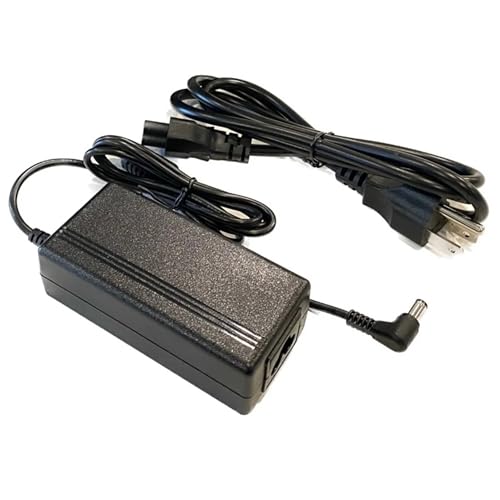
- Works with Blackstar Fly 3 Series Amps.
- Blackstar Fly 3
The Keen Eye Fly 3 Power Supply adapter is a dedicated replacement AC/DC power supply manufactured specifically for Blackstar Fly 3 mini amplifiers. While vital for powering small desktop Blackstar amplifiers via wall outlets, it is purely an accessory power component rather than an active amplifier or preamp pedal. When comparing gear setups, players looking for a fully functional amplifier pedal equipped with tone shaping EQ, gain staging, and Class D power output to drive guitar cabinets must choose the Electro-Harmonix 15 Watt Guitar Amp Pedal over replacement power components.
Final Verdict: Is the Electro-Harmonix 15 Watt Guitar Amp Pedal Worth It?
The Electro-Harmonix 15 Watt Guitar Amp Pedal delivers an impressive balance of portability, functional tone controls, and dependable solid-state power. By packing a full 3-band Fender-style EQ, an active FX loop, a versatile Bright switch, and 15 watts of efficient Class D power into a standard pedal enclosure, Electro-Harmonix has created an essential Swiss Army knife for the modern guitarist. Whether used as the centerpiece of a lightweight pedalboard fly-rig, an ergonomic desktop studio amp, or a lifesaver backup for live gigs, it performs admirably.
While high-gain metal players will need to rely on drive pedals for saturated distortion and players needing stadium clean headroom might require higher wattage, its tonal flexibility and ease of use are exceptional for its price point. If you are ready to downsize your gigging rig without sacrificing flexible EQ control and cabinet connectivity, we highly recommend adding this unit to your setup. Take the next step in streamlining your guitar gear and secure your own Electro-Harmonix 15 Watt Guitar Amp Pedal today.
Last update on 2026-09-17 / Affiliate links / Images from Amazon Product Advertising API