
Dean Acoustic-Electric Bass Review: Is This Budget 4-String Worth Your Money?
If you are anything like us, you have spent countless hours sitting on the couch with an acoustic guitar, trying to work out basslines or sketch out low-end ideas, only to find yourself wishing you had true low-end resonance without having to haul a heavy amplifier and an electric solid-body out of the closet. The search for a reliable, full-sized instrument that bridges the gap between couch practicing and casual unplugged jamming can be surprisingly frustrating. You want something that booms with natural warmth, feels comfortable in your hands, and doesn’t require a second mortgage.
Choosing the wrong instrument in this category can leave you with weak acoustic projection, unplayable fret buzz, or electronics that sound thin and lifeless when plugged into a venue’s sound system. Fortunately, instruments like the Dean Acoustic-Electric Bass aim to solve this exact dilemma, offering an accessible entry point into the world of acoustic low-end frequencies. Let’s dive deep into what makes this popular model tick and whether it deserves a spot in your gear collection.
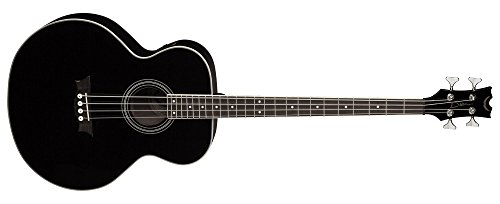
- 34-inch mahogany neck with rosewood fretboard and pearl dot inlays
- Dean passive preamp with volume and treble controls
What to Consider Before Buying an Electro-Acoustic Bass Guitar
An Electro-Acoustic Bass Guitar is more than just an item; it’s a key solution for musicians who need portable, unplugged practice capability combined with the flexibility to plug into an amplifier or PA system when the situation calls for it. Unlike solid-body electric basses, these instruments rely on a large hollow wooden body to amplify string vibrations acoustically, making them the ultimate companions for acoustic campfire jams, living room songwriting sessions, and unplugged rehearsals.
The ideal customer for this type of product is someone facing the need for mobile low-end practice or a beginner looking to explore bass playing without investing in a full amplifier rig right away. However, it might not be suitable for those who play exclusively in loud, full-band settings with unamplified acoustic instruments, as purely acoustic bass guitars naturally struggle to cut through the heavy projection of steel-string acoustic guitars and percussion without amplification. If you are looking for stage-shaking volume purely from wood and air, you might need to look at specialized high-end jumbo models or stick to electric rigs.
Before investing, consider these crucial points in detail:
- Dimensions & Space: Acoustic bass guitars feature significantly larger bodies and longer scale lengths than standard acoustic guitars. You must ensure you have adequate storage space and that the full-scale neck length feels comfortable for your reach and hand size.
- Capacity/Performance: Evaluate how well the instrument projects acoustically versus how its onboard electronics perform when plugged into an audio interface, DI box, or bass amplifier. Balanced output and tonal clarity are essential.
- Materials & Durability: Look closely at top woods like spruce paired with mahogany bodies. These tonewoods dictate the warmth, brightness, and overall structural resilience of the instrument against environmental temperature changes.
- Ease of Use & Maintenance: Consider the out-of-the-box setup. Many budget-friendly instruments require minor truss rod adjustments or string swaps to achieve optimal action and eliminate unwanted fret buzz, so basic setup knowledge is handy.
Keeping these factors in mind ensures you select an instrument that matches your playing environment, physical comfort, and musical goals, helping you get the absolute most out of your investment.
While the Dean Acoustic-Electric Bass is an excellent choice, it’s always wise to see how it stacks up against the competition. For a broader look at all the top models, we highly recommend checking out our complete, in-depth guide:

- ACOUSTIC-ELECTRIC BASS: Equipped with a 4-band EQ-7545R preamp to produce high-quality audio for hours of musical practice and play

- ACOUSTIC-ELECTRIC BASS: Equipped with a 4-band EQ-7545R preamp to produce high-quality audio for hours of musical practice and play

- One right-handed Fender Kingman Acoustic Bass Guitar

First Impressions, Unboxing, and Design of the Dean Acoustic-Electric Bass
Upon unboxing the Dean Acoustic-Electric Bass, the first thing that immediately grabs your attention is its striking, highly polished Classic Black finish. It looks sleek, modern, and far more expensive than its modest price tag suggests. The instrument arrives as a full-sized 4-string bass featuring a select spruce top paired with a mahogany body and neck, giving it a solid visual presence. Out of the box, you’ll notice the generous body proportions designed to maximize acoustic resonance.
The initial feel in hand is surprisingly robust. The 34-inch scale mahogany neck features a smooth rosewood fretboard adorned with subtle pearl dot inlays. Aesthetic touches like the celluloid rosette and crisp body binding elevate the overall visual appeal. While budget instruments often require a bit of fine-tuning straight out of the box—such as a quick truss rod tweak using the included allen wrench—the baseline craftsmanship is impressive. To explore current pricing and see why so many players give it a look, check the latest price and availability.
Key Benefits
- Deep, full acoustic tone driven by a large select spruce and mahogany body
- Comfortable 34-inch scale mahogany neck with a smooth rosewood fretboard
- Versatile dual-operation mode for both pure acoustic practice and plugged-in performance
- Sleek, polished Classic Black finish with stylish body binding and rosette details
Drawbacks
- Factory-installed strings may produce excessive buzz and benefit from an immediate upgrade
- Onboard passive preamp requires careful gain staging on external mixers or amplifiers
Deep Dive Into Performance, Setup, and Sound
Acoustic Resonance and Projection
When you sit down on the couch and start playing the Dean Acoustic-Electric Bass without plugging it in, the most striking attribute is its surprisingly robust acoustic volume. The combination of the select spruce top and the deep mahogany body acts as a natural amplifier for the low-end frequencies. We found that practicing unplugged offers a rich, satisfying thump that allows you to hear every nuance of your fingerstyle playing without disturbing the entire household. It forces you to focus closely on note articulation, melody, and finger placement in a way that solid-body electric basses simply cannot match when running dry.
However, physics dictates the limits of unamplified acoustic bass guitars. As many users have pointed out, while this instrument easily holds its own in solo practice sessions or when paired quietly with a solo acoustic guitar, it can struggle to project over a heavy, full acoustic band setup that includes aggressive cajon percussion or strumming steel-string guitars. If you plan to jam in louder acoustic circles, keeping your plucking hand positioned correctly over the soundhole or slightly toward the middle of the strings helps mitigate fret buzz and maximizes clean acoustic output.
Neck Comfort and Playability
The playing experience of any bass guitar is heavily dictated by its neck geometry and fretwork. The Dean features a generous 34-inch scale length, giving it the exact same spatial feel as a traditional full-sized electric bass. We appreciated how the mahogany neck feels substantial yet approachable, paired smoothly with a rosewood fingerboard. Navigating up and down the neck is fluid, though players transitioning from short-scale instruments will need a moment to adjust to the standard long-scale stretch.
Like many instruments in this price tier, setup out of the box can vary. We discovered that a minor adjustment to the truss rod—easily accomplished using the included allen wrench—went a long way in dialing in the perfect action and eliminating minor string buzz. Furthermore, we strongly echo the sentiment of numerous experienced players who recommend swapping out the factory strings shortly after unboxing. Upgrading to lighter tapewound or specialized acoustic bass strings completely transforms the playing feel, taming unwanted fret clack and making long practice sessions an absolute joy.
Electronics and Plugged-In Performance
Transitioning from acoustic practice to amplified performance is where the onboard passive preamp comes into play. Equipped with straightforward volume and treble controls mounted discreetly on the side, the system lets you shape your tone quickly before sending the signal through the 6.35mm jack. When we plugged the bass into an external amplifier and audio interface, we noticed that the passive electronics deliver a clean, honest representation of the instrument’s natural wooden voice without coloring the tone too aggressively.
It is worth noting that because the electronics are passive, you may need to adjust your preamp or mixer gain slightly higher than you would with an active electric bass equipped with a high-output battery-powered preamp. Turning up the gain or utilizing a direct injection (DI) box properly unlocks a warm, woody tone that sits surprisingly well in a mix. If you want a feature that really sets it apart in terms of value and dual-purpose utility, its onboard pickup system offers dependable plug-and-play capability for casual gigs and open mic nights.
What Other Users Are Saying
Gathering insights from a wide range of real-world owners reveals a remarkably consistent picture of what to expect from the Dean Acoustic-Electric Bass. Many players praise its incredible value, noting that finding a full-scale acoustic bass with this kind of build quality and aesthetic polish under the $200 mark is a rarity. One experienced multi-instrumentalist highlighted how durable the instrument is, noting that it survived a few accidental drops while retaining its structural integrity and holding its tuning remarkably well through seasonal temperature shifts.
On the flip side, critical feedback frequently centers around two main areas: the factory strings and initial setup requirements. Several users strongly advise purchasing a replacement set of strings right away, claiming that the stock strings contribute heavily to unwanted fret buzz and lack the ideal bronze warmth expected from acoustic instruments. Additionally, a few beginners struggled with fret buzz until they learned proper plucking technique—avoiding plucking too aggressively—and made minor adjustments to the neck relief. Overall, the consensus is clear: manage your expectations regarding price, invest five minutes into a basic setup, and you will have an exceptionally rewarding practice tool.
Comparing the Dean Acoustic-Electric Bass to Its Top Alternatives
If you are exploring the market for an acoustic-electric bass, it is helpful to look at how competing models stack up against the Dean in terms of features, scale length, and overall design philosophy.
1. Best Choice Products 4-String Electric Bass Guitar
- ACOUSTIC-ELECTRIC BASS: Equipped with a 4-band EQ-7545R preamp to produce high-quality audio for hours of musical practice and play
- 4-BAND PREAMP: Experiment and customize your sound with built-in volume control! A 4-band equalizer lets you adjust bass, middle, treble, and presence with ease
The Best Choice Products 4-String Acoustic Bass Guitar is another budget-friendly contender that often comes bundled with useful accessories like a padded gig bag, making it an attractive all-in-one package for beginners on a strict budget. While it offers a similar full-size playing experience and decent acoustic volume, the Dean tends to edge it out slightly in terms of hardware reliability and the richness of its polished Classic Black aesthetic. If you need a complete starter kit with a gig bag right out of the gate, this alternative is worth considering, though purists looking for classic Dean styling will likely prefer our main review model.
2. Ibanez PCBE12MHOPN 4-String Acoustic Bass Guitar

- Ibanez Under Saddle Pickup
- Maple Neck
The Ibanez PCBE12MHOPN is a heavyweight competitor in the affordable acoustic bass category, featuring an all-mahogany construction with an open-pore natural finish. While the Dean relies on a spruce top for brighter projection, the Ibanez leans into a darker, earthier, and woodier tonal profile due to its mahogany top. It is exceptionally well-built and appeals heavily to players who prefer a natural wood grain look over a glossy black finish. Both instruments offer stellar value, but your choice will ultimately come down to whether you prefer the crisp articulation of spruce or the warm, woody mid-range of all-mahogany construction.
3. Cordoba Mini II Acoustic Electric Bass MHE
- The Mini II Bass is here to expand your horizons and your registers!
- Features an extended 580mm (22 7/8”) scale length so it tunes perfectly to Standard E
For players who find full-scale 34-inch instruments unwieldy or difficult to travel with, the Cordoba Mini II offers a brilliant scaled-down alternative. Featuring a compact body and shorter scale length, it is infinitely more portable and comfortable for players with smaller hands or those who want a couch bass that doesn’t feel like a giant piece of furniture. However, it trades away some of the booming low-end depth and traditional string tension found on full-scale instruments like the Dean. If ultimate portability is your primary goal, the Cordoba is fantastic; if you want an authentic full-scale bass experience, stick with a full-size model.
Final Verdict on the Dean Acoustic-Electric Bass
The Dean Acoustic-Electric Bass successfully carves out a niche as an affordable, stylish, and remarkably capable instrument for players seeking unplugged practice freedom and casual plugged-in performance. While it shares the common quirks of budget acoustic basses—such as benefiting greatly from a quick setup adjustment and a fresh set of strings—its deep acoustic resonance, comfortable 34-inch mahogany neck, and striking Classic Black finish make it an absolute steal for the price. If you want to expand your musical horizons, work on fingerstyle grooves away from an amplifier, or add a unique low-end voice to your songwriting sessions without spending a fortune, see its full feature set and user reviews to decide if it’s the right fit for your musical journey.
Last update on 2026-10-09 / Affiliate links / Images from Amazon Product Advertising API