
dbx DriveRack PA2 Professional Loudspeaker Management System Review: The Definitive Verdict on Professional Sound Optimization
We have all been there: you arrive at a venue, set up your expensive speakers, plug everything in, and the sound is… just okay. Maybe the bass is boomy, the highs are piercing, or worse, the dreaded ring of feedback starts to howl the moment you push the faders. Achieving a professional, studio-quality sound in a live environment is an uphill battle against physics, room acoustics, and equipment limitations. For years, the only solution was a massive rack filled with individual compressors, equalizers, and crossovers—a logistical nightmare for the modern mobile performer or small venue owner.
The quest for “perfect” sound often leads to frustration and inconsistent results. Without precise control over your signal chain, you are essentially at the mercy of the room’s architecture. This is why the dbx DriveRack PA2 Professional Loudspeaker Management System has become such a legendary piece of gear. It promises to condense a room full of outboard gear into a single rack space, offering a smarter, faster way to ensure your PA system sounds its absolute best, regardless of where you are performing. In this review, we dive deep into whether this processor truly delivers on its promise of sonic perfection.
A Multieffects Processor in the context of live sound—specifically a loudspeaker management system—is more than just an item; it’s a key solution for the chaos of live audio. Think of it as the “brain” of your PA system. It sits between your mixer and your power amps (or powered speakers), cleaning up the signal, protecting your hardware, and tailoring the output to the specific acoustic environment. Without a centralized processor, you are forced to rely on the basic EQ on your mixer, which is rarely enough to fix room resonances or properly time-align your subwoofers with your tops.
The ideal customer for this type of product is someone facing inconsistent room acoustics—DJs, touring bands, and house of worship sound techs who need a repeatable, professional sound without carrying a literal ton of gear. It is perfect for those who want to “set it and forget it” thanks to automated tuning features. However, it might not be suitable for those who prefer a purely analog signal path or those with extremely simple setups (like a single speaker for a solo acoustic act) where the complexity might outweigh the benefits. For those looking for smaller, instrument-specific units, you might consider different types of professional signal processors depending on your specific needs.
Before investing, consider these crucial points in detail:
- Dimensions & Space: In a world of shrinking gear footprints, the 1U rack-mountable design of the dbx DriveRack PA2 Professional Loudspeaker Management System is a godsend. It measures 19 inches wide and only 5.75 inches deep, making it easy to fit into shallow racks or even a heavy-duty laptop bag. Consider if you have the rack space available and how its depth will affect your cable management behind the unit.
- Capacity & Processing Power: Look for a unit that can handle the specific configuration of your speakers. The PA2 offers a 2-input, 6-output architecture. This means you can run a standard stereo setup, a 2-way system (Stereo tops + mono sub), or even a full 3-way active system. The processing power should be high enough to run AutoEQ, Feedback Suppression, and Compression simultaneously without latency.
- Materials & Build Quality: Professional gear takes a beating. The dbx DriveRack PA2 Professional Loudspeaker Management System features a rugged stainless steel enclosure. When comparing processors, look for metal chassis over plastic. The connectors—specifically the XLR inputs and outputs—should be high-quality and chassis-mounted to prevent board-level damage during frequent plugging and unplugging.
- Ease of Use & Remote Connectivity: This is where modern processors win. You should look for systems that offer mobile control. Being able to walk around the venue with a tablet and adjust the EQ from the middle of the dance floor is a massive advantage over being stuck behind a rack in a dark corner. Check for compatibility with iOS, Android, Mac, and Windows to ensure your existing devices will work.
While the dbx DriveRack PA2 Professional Loudspeaker Management System is an excellent choice for managing your entire PA, it’s always wise to see how it stacks up against the competition. For a broader look at all the top models and various types of audio processing, we highly recommend checking out our complete, in-depth guide:
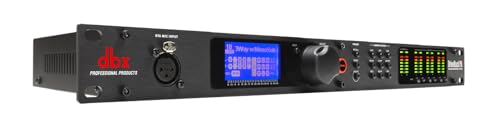
- New, improved Auto EQ algorithm ensures an extremely accurate, fast, and non-intrusive automatic EQ experience.
- Enhanced AFS algorithm for faster, more precise feedback elimination, without adversely affecting your system's tone.
First Impressions and the “Magic” of the Wizard
Unboxing the dbx DriveRack PA2 Professional Loudspeaker Management System feels like handling a serious piece of industrial equipment. It is surprisingly lightweight at 5.3 pounds, but the stainless steel chassis feels incredibly rigid. The front panel is clean, featuring a bright LCD screen, a large data wheel, and individual six-segment LED meters for inputs and outputs. There is a sense of “pro-level” utility here—no unnecessary flash, just functional design. Before you even power it up, you can see its full feature set and user reviews to understand the pedigree of the dbx brand.
The initial setup is where the PA2 separates itself from the older, more intimidating rack gear of the 90s. The “Wizard” function is the star of the show. Instead of forcing you to manually calculate crossover points or hunt for feedback frequencies, the unit guides you through a series of questions: What speakers are you using? What amps? Is it a mono or stereo sub? We found that even for seasoned pros, the speed at which you can get a baseline tune is impressive. It feels less like a piece of hardware and more like a dedicated sound engineer living in your rack. For many, this is a feature that really sets it apart from the cheaper, manual-only processors on the market.
Key Benefits We Love
- Incredible AutoEQ that tunes the room in seconds using a reference mic.
- Robust mobile control via Ethernet, allowing for remote mixing from a tablet.
- Highly effective AFS (Advanced Feedback Suppression) that stops squeals before they start.
- A massive internal library of speaker and amp tunings for instant optimization.
Considerations & Limitations
- Requires an external router for wireless mobile control (no built-in Wi-Fi).
- The RTA-M reference microphone is essential for AutoEQ but usually sold separately.

- Advanced Digital Audio Processing with Dual Wireless Microphones: Equipped with a professional pre-effects processor and dual wireless microphones, this system features built-in DSP digital reverb and...

- Professional KTV Digital Pre-Effects Multi-Band Audio Effect Adjustment Karaoke Mixer Reverb with DSp Effect Echo USB MP3 Bluetooth Optical .4 Microphone Input with Remote Control
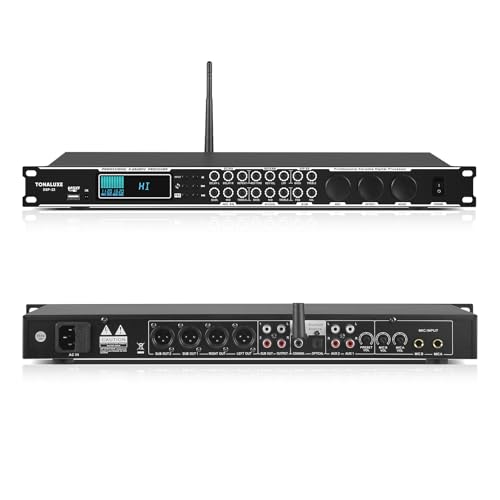
- Professional DSP Audio Processing with 4-Level FBX Suppression: Built-in professional DSP sound engine delivers clearer vocals, richer music detail, and more immersive audio. The 4-level FBX feedback...
Deep Dive: Professional Performance and Real-World Application
The Power of AutoEQ and the Reference Microphone
The crown jewel of the dbx DriveRack PA2 Professional Loudspeaker Management System is undoubtedly the AutoEQ algorithm. In the past, “Auto-EQ” functions were notoriously slow and often resulted in a “thin” sound because they tried to over-correct. The PA2 uses a new algorithm that is significantly faster and more “musical.” When we paired the unit with the optional RTA-M microphone, the process was seamless. The unit sends a burst of pink noise through the speakers, “listens” to the room through the mic, and automatically creates a parametric EQ curve to flatten the response.
We found that this doesn’t just make the system sound “flatter”; it makes it sound more clear. By removing the natural resonances of a boomy gym or a cavernous bar, the vocals suddenly sit on top of the mix without having to push the gain. This is a crucial benefit for any performer who has struggled with “muddy” sound. One thing we noted, which echoes user sentiment, is that while the Wizards are powerful, having a basic understanding of EQ helps you fine-tune the “flavor” of the sound after the Wizard does its work. You can check the latest price and availability for the unit and the mic to ensure you get the full experience.
Remote Connectivity and “Mix from Anywhere”
Perhaps the most modern feature of the dbx DriveRack PA2 Professional Loudspeaker Management System is its networkability. By plugging a standard Ethernet cable from the back of the PA2 into a cheap Wi-Fi router, you unlock full control via the DriveRack PA2 app. We tested this on both an iPad and an Android phone, and the response time was nearly instantaneous. This is a game-changer for solo performers or sound techs. You can walk to the very back of the room, hear exactly what the audience hears, and adjust the subwoofer levels or the master EQ right there on your screen.
This remote capability eliminates the “back and forth” dance between the stage and the back of the house. During our testing, the app interface was intuitive, mirroring the signal flow of the hardware. You can toggle the compressor, adjust the crossover points, and even mute individual outputs. As one user noted, using a small “matchbox-sized” router makes this setup incredibly portable. It turns a static rack unit into a dynamic, mobile-controllable powerhouse that adapts to your needs as the night progresses.
Advanced Feedback Suppression (AFS) and Protection
Nothing kills a vibe faster than a piercing feedback loop. The dbx DriveRack PA2 Professional Loudspeaker Management System includes dbx’s legendary AFS algorithm, and in our evaluation, it is one of the most transparent systems we have used. It doesn’t just “blanket” the sound; it uses narrow “notch” filters that only target the offending frequency. We found that we could push the system 3-6dB louder than usual before feedback became an issue. This provides a massive safety net for live performances where mic placement might be less than ideal.
Beyond feedback, the PA2 acts as a guardian for your speakers. The built-in dbx Limiters are excellent. We configured them to “ceiling” the output, ensuring that even if the DJ pushes the mixer into the red, the PA2 prevents the amplifiers from clipping and blowing the drivers. For anyone using expensive powered speakers or custom-built passive rigs, this protection alone justifies the investment. It’s about peace of mind—knowing your gear is safe while sounding its best.
Sonic Versatility: From Pro Audio to Hi-Fi
While designed for PA systems, we were surprised by how well the dbx DriveRack PA2 Professional Loudspeaker Management System performs in a high-end home audio environment. Interestingly, some users have adopted this “Pro” gear for their living room setups to fix room acoustics where traditional Hi-Fi gear falls short. Because it uses high-quality 24-bit AD/DA converters, the signal remains clean and transparent. We found that the Subharmonic Synthesis feature—which adds a synthesized low-frequency octave—can breathe new life into older speakers or thin recordings.
The 8-band parametric EQ on the outputs allows for incredibly surgical adjustments. Whether you are trying to time-align a subwoofer in a home theater or trying to get a pair of 15-inch mains to sound “punchy” rather than “boxy” in a club, the tools are there. The crossover section is also top-tier, offering various filter types (Linkwitz-Riley, Butterworth) and slopes. This level of control is usually reserved for processors costing three times as much, making the PA2 a high-value proposition for anyone serious about audio fidelity.
What Other Users Are Saying
The general sentiment among users is one of high praise, often bordering on “how did I live without this?” Many active performers with over a decade of experience highlight that while the unit is professional-grade, the “Wizards” make it accessible even to those who aren’t audio engineers. One user mentioned that it made their “homemade” speakers sound better than expensive brand-name ones, thanks to the precision of the crossover and limiting functions. You can read more about these transformative experiences in the detailed user feedback sections online.
However, it isn’t without its learning curves. A common “complaint” (which is more of a warning) is that users *must* read the manual or watch a few tutorials, especially regarding cable routing and network setup. Some were disappointed that a Wi-Fi module wasn’t built directly into the box, requiring the extra step of adding a router. There was also a note from a long-time user comparing it to older Crown processors, stating that while the PA2 is more “user-friendly,” the parametric EQ might feel slightly different to those used to legacy analog systems. Overall, the consensus is clear: the PA2 is an essential upgrade for any serious PA setup.
Comparing the dbx DriveRack PA2 Professional Loudspeaker Management System to the Competition
While the PA2 is a powerhouse, the world of signal processing is vast. Depending on your budget and specific needs, one of these alternatives might catch your eye. Let’s see how they compare to the dbx DriveRack PA2 Professional Loudspeaker Management System.
1. Behringer VIRTUALIZER 3D FX2000 Multi-Engine Effects Processor

- Awesome modulation, dynamic, psychoacoustic and EQ algorithms
- Authentic amp simulation, distortion and special effects
The Behringer FX2000 is a very different beast compared to the PA2. While the DriveRack focuses on system management (EQ, Crossovers, Protection), the Virtualizer is a traditional multi-effects unit focused on “flavor” (Reverb, Delay, Chorus). We found that the Virtualizer is better suited for a musician looking to add creative effects to their instrument or vocals. However, it lacks the AutoEQ, Feedback Suppression, and Crossover capabilities that make the PA2 a “loudspeaker management” system. If you need to fix your room, get the dbx; if you want to add 3D reverb to your synth, the Behringer is a budget-friendly alternative.
2. Dayton Audio DSP-408 Digital Signal Processor
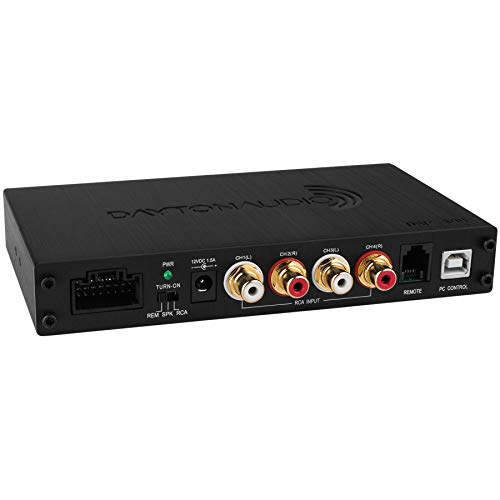
- Real-time signal processing for ultimate control
- Complete audio customization for application specific installations
The Dayton Audio DSP-408 is a strong contender for those who need more outputs (8 vs. the PA2’s 6) and are working in a more “DIY” or car audio environment. It offers incredible flexibility for the price, but it lacks the rugged 1U rack-mount form factor of the dbx DriveRack PA2 Professional Loudspeaker Management System. We found the DSP-408’s software to be quite capable, but it lacks the “Wizard” simplicity and the professional AFS algorithms found in the dbx. It’s a great pick for home hobbyists, but for a touring rack, the dbx feels much more “road-ready.”
3. SONICAKE Pocket Master Multi Effects Pedal

- White-Box Digital Modeling Technology delivering organic living tone, 3rd party IR support (5 user slots) for creating Custom Unique Sounds; Supports NAM A2 files (Soniclink APP V1.7.2/Sonicake...
- 100+ Built-in Guitar/Bass/Acoustic Effects with 20 legendary amp models, 24-bit 44.1kHz signal processing, 99 Built-in Drum Rhythms and Looper, 100 Presets, adjustable signal chain with maximum...
This is a bit of an outlier but worth mentioning for solo artists. The SONICAKE Pocket Master is a tiny, portable multi-effects pedal for guitar and bass. It obviously doesn’t manage a PA system or offer 2×6 routing. However, we included it here because many people search for “multi-effects” and get confused between “system processors” and “instrument pedals.” If you are a guitarist looking for amp models and IRs, this is a fun, ultra-portable tool. But if you want your whole band to sound good through the speakers, the SONICAKE won’t help you—that’s where you need to invest in the DriveRack PA2.
The Final Verdict: Is the DriveRack PA2 Right for You?
After putting the dbx DriveRack PA2 Professional Loudspeaker Management System through its paces, our conclusion is definitive: it is the single most impactful upgrade you can add to a live sound rack. It effectively replaces a rack full of gear, protects your expensive speakers from damage, and uses “smart” technology to make you sound like you have a professional engineer on staff. The combination of AutoEQ, AFS, and mobile control creates a workflow that is both fast and incredibly effective.
While the requirement for an external router and the separate purchase of the RTA-M microphone are minor hurdles, they are well worth the effort for the results achieved. Whether you are a DJ looking for that perfect “thump,” a church tech seeking vocal clarity, or even a Hi-Fi enthusiast wanting to tame a difficult listening room, this unit delivers. It is a professional-grade tool that has been thoughtfully designed for the modern era of audio. We highly recommend you grab the dbx DriveRack PA2 today and experience the difference in your sound quality—your audience (and your speakers) will thank you.
Last update on 2026-09-20 / Affiliate links / Images from Amazon Product Advertising API