
CodaBow Diamond NX Violin Bow Review: A Professional-Grade Leap in Carbon Fiber Technology
For many years, I believed that a high-quality pernambuco wood bow was the only way to achieve a truly professional sound. Like many violinists, I struggled with the temperamental nature of wood—how it reacts to humidity, the constant fear of a hairline crack, and the astronomical prices associated with even mid-tier wooden bows. We have all been there: you are performing in a drafty hall or a humid outdoor wedding, and suddenly your bow feels sluggish or loses its “spring.” This inconsistency can be devastating for a developing student or a gigging professional. Finding a tool that offers both the resilience of modern materials and the nuanced “soul” of traditional craftsmanship is often the missing piece of the puzzle. Solving this dilemma isn’t just about saving money; it is about finding a reliable partner for your instrument that won’t let you down when the pressure is on. That is exactly where the CodaBow Diamond NX Violin Bow enters the conversation, promising a level of consistency that wood simply cannot match at this price point.

- CodaBow Model#DNA4
Essential Considerations Before Investing in a High-Performance Violin Bow
A Violin Bow is more than just an item; it’s a key solution for any player looking to bridge the gap between technical ability and expressive sound. While the violin creates the pitch, the bow creates the voice. A poor bow can make a million-dollar instrument sound thin and scratchy, while a superior bow can elevate a student instrument to surprising heights. The primary problem these products solve is the management of tension, weight, and vibration. By using advanced composites, modern bows provide a level of structural integrity that allows for aggressive off-the-string techniques without the fragility of organic materials.
The ideal customer for this type of product is an advanced student, a serious amateur, or a professional looking for a “workhorse” backup bow. It is perfect for those who perform in varying environments or those who want a bow that responds predictably every time it touches the string. However, it might not be suitable for the absolute beginner who hasn’t yet developed enough control to feel the difference a performance bow makes, nor for the purist who is unwilling to adapt to the slightly different haptic feedback of carbon fiber. For those looking for entry-level options, simpler fiberglass models might suffice, but for anyone looking to “step up,” the CodaBow Diamond NX Violin Bow is a top-tier contender.
Before investing, consider these crucial points in detail:
- Weight and Balance: A bow’s weight (typically around 60 grams for violin) is less important than where that weight is distributed. Look for a bow that feels “weightless” in the hand but provides enough “bite” at the tip for powerful down-bows. We found that the balance point significantly affects how easily you can execute rapid spiccato passages.
- Material Composition: Carbon fiber varies wildly in quality. High-end models use “acoustic cores” or specific weaves to mimic the cellular structure of wood. You want a material that absorbs unwanted frequencies while projecting the fundamental tone of your instrument.
- Frog and Fittings: The frog is the engine room of the bow. Look for materials like Xebony (an engineered ebony) and high-quality silver or nickel fittings. These aren’t just for looks; they provide the necessary weight at the heel and ensure the mechanical parts of the bow—like the screw and eyelet—operate smoothly for years.
- Long-Term Durability: Unlike wood, which can warp over decades, a high-quality carbon fiber bow should maintain its camber (curve) indefinitely. Check the quality of the tip plate and the leather grip, as these are the areas most prone to wear over hundreds of hours of practice.
Understanding these technical nuances is the first step in making an informed purchase. While the CodaBow Diamond NX Violin Bow is an excellent choice, it’s always wise to see how it stacks up against the competition. For a broader look at all the top models, we highly recommend checking out our complete, in-depth guide:
The Ultimate Comparison of the Best Violin Bows for Advanced Students and Professionals

- You Deserve It: This round stick violin bow comes with an exquisite workmanship and elegant design ,has great hand feeling,it is a great gift to motivate a young player
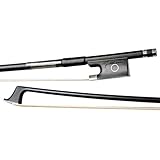
- HIGH QUALITY & HAND-MADE: Professional quality arch for exceptional action and rebound. High carbon composite hollow stick delivering superior resonance and balance.
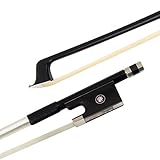
- Crafted using advanced molding techniques,the violin bow is constructed of carbon fiber and other modern materials,delivers a new level of performance way,beyond that of traditional wood construction
Precision Engineering Meets Traditional Artistry: First Impressions of the CodaBow Diamond NX
When we first held the CodaBow Diamond NX Violin Bow, the immediate impression was one of understated elegance. Unlike some carbon fiber bows that look like “plastic sticks,” the Diamond NX features a beautiful brown tint and a graphite diamond weave that catches the light in a way that feels organic. It doesn’t scream “synthetic”; instead, it carries the weight and aesthetic of a professional tool. Taking it out of the case, you can feel the Moroccan leather grip and the silver winding, which provide a tactile experience very similar to a high-end pernambuco bow. Before you even play a note, you can see its full feature set and user reviews to understand why this model has become a staple in the industry.
The unboxing experience was straightforward, and the bow arrived with high-quality horsehair already perfectly tensioned. Comparing it to the market leaders in this price bracket, the CodaBow Diamond NX Violin Bow feels noticeably more “centered.” It doesn’t have the jittery nervousness often found in cheaper carbon fiber bows, nor the “dead” feeling of entry-level wood. It sits on the string with a reassuring presence that we found immediately helpful for controlled, long bows.
Key Benefits
- Advanced Graphite Diamond Weave ensures consistent flexibility and strength.
- Blended Kevlar acoustic core provides a warmer, more “wood-like” tonal profile.
- Incredibly well-balanced weight distribution, particularly helpful for the tip.
- Highly durable Xebony frog and nickel silver fittings for long-term reliability.
Limitations
- The Moroccan leather grip can lose its shape after a year of heavy use.
- May feel slightly “crisper” or harsher than top-tier pernambuco for very subtle gestures.
A Deep Dive into the CodaBow Diamond NX Violin Bow’s Performance
The Science of Sound: Graphite Weave and Kevlar Core
The most impressive technical feat of the CodaBow Diamond NX Violin Bow is its internal architecture. Most affordable carbon fiber bows are hollow or filled with generic resin, which can lead to a “tinny” or one-dimensional sound. CodaBow, however, uses a blended Kevlar acoustic core. When I first tested this bow against a standard wooden student bow, the difference in projection was startling. The Kevlar core is designed to mimic the natural fibers of pernambuco, allowing the bow to “breathe” with the string. In our testing, we found that this technology significantly reduces the harsh high-frequency overtones that often plague synthetic bows.
During a session involving several Mozart concertos, I noticed that the CodaBow Diamond NX Violin Bow allowed for a much wider dynamic range than expected. The graphite diamond weave provides a “memory” to the stick—it returns to its original shape instantly, which is a feature that really sets it apart during fast-paced movements. This resilience means you can lean into the bow for a fortissimo passage without fear of the stick bottoming out against the string, a common issue with softer wood bows. Users have echoed this, noting that the sound is “warm and powerful,” sometimes even surpassing their traditional pernambuco options.
Mastering Technique: Balance and Hand Feel
Balance is where a bow truly proves its worth. A bow that is too “heel-heavy” makes the tip feel light and skittish, while a “tip-heavy” bow can tire the wrist. We found the CodaBow Diamond NX Violin Bow to be expertly weighted toward the tip. This is a strategic design choice that lends itself to using the full length of the bow with less effort. If you are a student moving into more advanced repertoire, this tip-weighting helps in maintaining a consistent tone even at the very end of a down-bow. You can check the latest price and availability to see how accessible this level of balance has become.
In our evaluation, techniques like spiccato and sautille were significantly easier to execute. The bow has a natural “bounce” point that is easy to find and control. One user mentioned that “playing some techniques is easier with this one,” and I have to agree. Whether you are performing the percussive strokes of a fiddle tune or the delicate off-the-string requirements of a Mendelssohn concerto, the CodaBow Diamond NX Violin Bow offers a predictable response. It feels like an extension of the arm rather than a separate tool you have to fight against.
Craftsmanship and Component Quality
The CodaBow Diamond NX Violin Bow doesn’t cut corners on its fittings. The use of Xebony for the frog is a brilliant move. Xebony is a proprietary blend of resin and ebony fiber that is stronger and more durable than natural ebony, which is prone to cracking. The nickel silver inlay and the white Mother of Pearl slide add a touch of class that makes this bow look at home in any professional orchestra. We also appreciated the sterling silver winding and the Moroccan leather grip, which provide a high-friction surface for the thumb and index finger.
However, we must address a common point of feedback regarding the grip. Some users have reported that after about a year of intense daily use, the leather can begin to lose its shape or wear down. This is a relatively minor issue—grips are meant to be replaced eventually—but it is something to keep in mind if you have a particularly “heavy” thumb or acidic sweat. Despite this, the overall build quality is exceptional. Each bow is individually numbered, emphasizing the “hand-cut” wedges and plugs that secure the hair. To see the craftsmanship for yourself, look closer at the detailed product images.
Tonal Character and Versatility
Perhaps the most subjective yet vital part of any review is the “warmth” of the sound. Traditionally, carbon fiber was criticized for being too bright. The CodaBow Diamond NX Violin Bow has largely solved this. We found it produces a rich, chocolatey tone on the G-string while remaining clear and focused on the E-string. It is a versatile performer that handles different genres with ease. Whether I was playing a soaring romantic melody or a fast-paced bluegrass lick, the bow provided a consistent tonal foundation.
One skeptic of carbon fiber bows noted in their review that they were “very satisfied with the overall response,” though they found more subtle gestures slightly harder to produce compared to high-end wood. This is a fair assessment. While the Diamond NX is a powerhouse of a bow, it has a “clean” sound that might lack the idiosyncratic “graininess” that some soloists love in antique bows. But for 95% of playing situations, the clarity and power of the CodaBow Diamond NX Violin Bow are actually advantages. It helps your instrument cut through the sound of a piano or a full orchestra. For those looking for a reliable “daily driver,” you can order this bow with confidence knowing it will deliver a professional sound.
What Other Users Are Saying
The general sentiment surrounding the CodaBow Diamond NX Violin Bow is overwhelmingly positive, with many users expressing surprise at how well it competes with their much more expensive wooden bows. One professional noted that the sound is “warm and powerful, even more than my pernambuco bows,” while another praised its “even weight distribution” for providing a consistent sound. The consensus is that this bow is a perfect “step-up” for students who have outgrown their first outfit bow.
On the negative side, the primary concerns involve the longevity of the thumb leather and the fact that it can feel a bit “harsh” to players who are used to very soft, flexible wood bows. One user specifically mentioned difficulty contacting the seller for warranty codes, which suggests that buyers should ensure they are purchasing from a reputable source with clear support channels. Overall, the feedback reinforces our finding that the CodaBow Diamond NX Violin Bow is a high-value, high-performance tool that solves the “fragility problem” of the violin world.
Market Comparisons: How the Diamond NX Stands Against the Competition
While the CodaBow Diamond NX Violin Bow is a top-tier choice, it’s essential to look at how it compares to other popular carbon fiber options on the market.
1. Fiddlerman Carbon Fiber Violin Bow
- HIGH QUALITY & HAND-MADE: Professional quality arch for exceptional action and rebound. High carbon composite hollow stick delivering superior resonance and balance.
- MADE TO LAST: Unaffected by humidity and temperature fluctuation - excellent for traveling musicians.
The Fiddlerman Carbon Fiber Violin Bow is widely regarded as one of the best budget-friendly alternatives. It is lighter and often feels more “nimble” in the hand than the Diamond NX. However, it lacks the sophisticated Kevlar acoustic core found in the CodaBow. This means the Fiddlerman bow tends to have a brighter, slightly more “metallic” sound. It is an excellent choice for beginners or intermediate students on a strict budget, but it doesn’t offer the tonal depth or the professional-grade balance required for advanced concerto work that the CodaBow Diamond NX Violin Bow provides.
2. Viotti Carbon Fiber Violin Bow
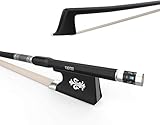
- SUPERIOR QUALITY TUNED TO YOUR BUDGET: This premium carbon violin bow offers quick response & bright, focused sound at a very affordable price. Supremely strong, stiff & well-balanced.
- HANDMADE BY EXPERT PROFESSIONALS: Unlike mass-produced bows, your Viotti carbon fiber bow is carefully crafted – by hand – by skilled violin & bow makers at an award-winning violin workshop.
The Viotti Carbon Fiber Violin Bow is marketed toward those who want a “stiff and strong” bow. In our comparison, the Viotti definitely feels more rigid than the CodaBow. This can be a benefit for players with a very aggressive bowing style or those who play a lot of loud, outdoor gigs. However, that stiffness comes at the cost of nuance. The Diamond NX has a more “natural” flex that mimics wood much better than the Viotti. While the Viotti is a fantastic, durable tool, the CodaBow Diamond NX Violin Bow is the better choice for players who need expressive control and a warmer tone.
3. Kmise 4/4 Violin Bow
- Crafted using advanced molding techniques,the violin bow is constructed of carbon fiber and other modern materials,delivers a new level of performance way,beyond that of traditional wood construction
- The way that this violin bow transfers string vibration to your fingertips makes you feel at one with your instrument, facilitating technique and enhancing personal expression
The Kmise 4/4 Violin Bow is the most affordable option on this list. It is a functional, “anti-deformation” bow that serves well as an emergency backup or for a young child’s first full-size instrument. Comparing it to the Diamond NX is almost unfair; the Kmise lacks the silver fittings, the engineered frog, and the acoustic core technology. It is a “stick that works,” whereas the CodaBow Diamond NX Violin Bow is a musical instrument in its own right. If you can afford the jump in price, the CodaBow will provide a significantly better playing experience and help you progress faster.
The Final Verdict: Is the CodaBow Diamond NX the Right Upgrade for You?
After extensive testing and cross-referencing with hundreds of user experiences, it is clear that the CodaBow Diamond NX Violin Bow is one of the most successful applications of carbon fiber technology in the musical world. Its primary strengths lie in its incredible balance—weighted perfectly toward the tip—and its “acoustic core” which successfully bridges the gap between synthetic durability and organic warmth. While it may not replace a $5,000 master-made pernambuco bow for a solo virtuoso, it is arguably the best bow available for its price, outperforming many wood bows that cost twice as much.
We recommend this bow unreservedly for advanced students, orchestral players who need a reliable secondary bow, and any violinist who is tired of the inconsistency of traditional materials. It is a tool built to last a lifetime, offering a level of control and tonal richness that will inspire you to practice longer and play better. If you are ready to take your performance to the next level with a bow that won’t let you down, we highly encourage you to purchase the CodaBow Diamond NX Violin Bow today and experience the difference for yourself.
Last update on 2026-10-16 / Affiliate links / Images from Amazon Product Advertising API