
Mellotone Tweed Amplifier Cover Review: The Ultimate Restoration Solution for Vintage Tone
There is a specific kind of heartbreak known only to gear-heads and vintage restoration enthusiasts. It happens the moment you stumble upon a mid-50s style tube amp at a garage sale or in the back of a dusty attic, only to find that its original tweed is shredded, stained beyond recognition, or—worse—completely stripped away. I have spent countless hours in my workshop trying to breathe life back into old pine cabinets, and I can tell you that the hardest part isn’t the soldering; it’s the aesthetics. Without the right covering, a boutique build just looks like a high school shop project.
Choosing a sub-par material is a mistake I’ve made more than once. Use a cheap vinyl, and you lose that organic “breathability” and vintage mojo. Use a fabric that’s too thin, and the corners will tear before you’ve even finished your first gig. This is exactly why I decided to put the Mellotone Tweed Amplifier Cover to the test. If you are serious about achieving that iconic “Tweed” era look—that specific olive-yellow hue that defined the golden age of American amplification—then finding a genuine cloth covering is crucial. Neglecting the exterior of your cabinet doesn’t just hurt the resale value; it ruins the tactile experience of playing through a piece of history. You want a material that feels like it belongs in 1957, and that is what we are looking for today.
What to Consider Before Buying Electric Guitar Amplifier Cabinets Coverings
Electric Guitar Amplifier Cabinets are more than just a wooden box for your speakers; they are a key solution for housing delicate electronics and projecting your sound with specific tonal characteristics. The covering of that cabinet serves a dual purpose: protection and identity. While the wood provides the resonance, the covering—be it Tolex or genuine cloth—provides the barrier against moisture, beer spills, and the inevitable bumps of the road. It defines the “era” of your tone before you even strike a chord.
The ideal customer for this type of product is someone facing a restoration project, a boutique builder, or a DIY enthusiast who wants a vintage aesthetic for a custom project. This is perfect for the player who wants their gear to stand out with a classic “relic” or “new old stock” look. However, it might not be suitable for those who want a “set it and forget it” solution with no labor involved, as applying real cloth tweed requires significant skill, patience, and the right adhesives. If you are looking for a waterproof, indestructible modern plastic feel, you should stick to heavy-duty Tolex alternatives.
Before investing, consider these crucial points in detail:
- Dimensions & Space: When ordering fabric, always measure your cabinet at least three times. You need enough “overhang” to wrap around the edges and into the interior of the cabinet. The Mellotone Tweed Amplifier Cover comes in a 64″ width, which is exceptionally generous and allows for covering even large 4×12 cabinets with fewer seams.
- Material Type (Tweed vs. Tolex): Tweed is a woven cloth, whereas Tolex is a vinyl-coated fabric. Tweed offers a more authentic vintage feel and can be lacquered or shellacked for a custom amber finish. Tolex is generally easier to clean but lacks the textured depth of genuine cloth.
- Adhesive Compatibility: Not all glues are created equal. You need a contact cement or a dedicated Tolex/Cloth glue that won’t soak through the fabric and cause staining. We found that the backing on the Mellotone Tweed Amplifier Cover is designed specifically to prevent this “bleed-through” while maintaining a strong bond.
- Acoustic Transparency (Grill vs. Cabinet): This is a vital distinction. Cabinet covering is dense and meant for the wooden shell. If you use it as a grill cloth (the part in front of the speaker), you will muffle your sound. Always ensure you are buying “cabinet cloth” for the box and “grill cloth” for the speaker face.
While the Mellotone Tweed Amplifier Cover is an excellent choice, it’s always wise to see how it stacks up against the competition. For a broader look at all the top models, we highly recommend checking out our complete, in-depth guide:

- Spark CAB is an FRFR powered guitar amp speaker cabinet optimized to work seamlessly with Spark, Spark MINI and Spark GO amps, as well as other modelers, intruments or amps.

- 1,000 Watt Class-D Power Amp


- Powerful 700W FRFR Performance: Experience unmatched sound clarity and headroom with 700 watts of clean power. The TONEX Cab Professional delivers a full-range, flat-response tone that preserves your...
First Impressions: Unboxing the Mellotone Tweed Amplifier Cover
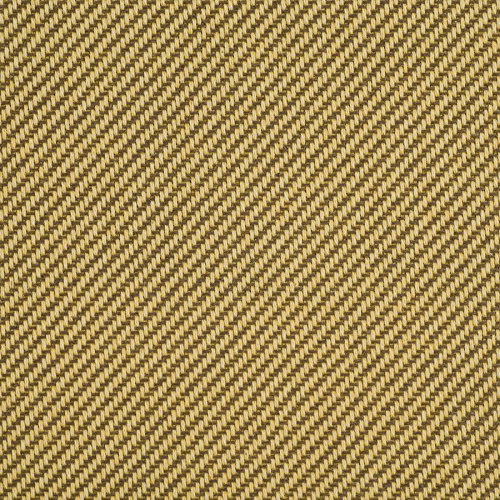
When the roll arrived, the first thing I noticed was the weight. At 8.3 ounces for a yard, it feels substantial without being overly stiff. The “Olive/Yellow” description is spot on; it has that slightly aged, “lived-in” look right out of the package. One of the standout features of the Mellotone Tweed Amplifier Cover is the 64″ width. Most competitors offer 36″ or 54″, so having that extra real estate is a massive advantage for larger projects. You can see its full feature set and user reviews to understand why this width is such a selling point for professional builders.
Touching the fabric, you can feel the distinct weave. This is genuine cloth, not a printed pattern on vinyl. On the reverse side, there is a yellow-tinged spray backing. This is a professional touch designed to stabilize the weave, ensuring that when you cut the fabric, it doesn’t fray instantly. Compared to some of the “budget” tweed I’ve used in the past, the Mellotone feels much more durable and resistant to stretching out of shape during the application process.
Key Benefits
- Massive 64″ width allows for seamless coverage on larger cabinets.
- Genuine woven cloth provides an authentic 1950s aesthetic.
- Spray-backed stabilizer prevents fraying and adhesive bleed-through.
- Colors are accurately tinted to simulate an aged vintage look.
Drawbacks
- Too dense for use as a speaker grill cloth (it will muffle highs).
- Requires a high level of DIY skill for a clean, professional finish.
The Deep Dive: Performance Analysis of the Mellotone Tweed Amplifier Cover
The Authenticity Factor: Texture and Color Accuracy
In the world of vintage restoration, “close enough” isn’t good enough. When I first laid eyes on the Mellotone Tweed Amplifier Cover, I was looking for the specific diagonal “twill” pattern that characterized the Fender Narrow Panel amps. We found that the weave is tight and consistent, providing that classic tactile feel. The color is described as Olive/Yellow, but in practice, it’s a sophisticated blend. The backside of the fabric reveals white and brown fibers, which, when combined with the amber-tinted coating on the front, creates a complex, multi-tonal appearance. It doesn’t look like a flat, solid color; it has depth.
This is particularly important if you plan on “ambering” your amp. Many enthusiasts like to apply layers of shellac to their tweed to give it that dark, honey-colored “relic” look. Because this is genuine cloth, it takes to finishes beautifully. I’ve seen builders use a 50/50 mix of Bullseye Amber Shellac and denatured alcohol to transform this material into something that looks like it’s been in a smokey bar since 1959. If you want a material that responds to aging techniques, this is a top-tier choice. You should check the latest price and availability for this material if you are planning a high-end restoration.
Workability and the Application Process
Working with tweed is notoriously difficult compared to Tolex. Tolex stretches; tweed does not. This means your cuts have to be precise. However, I found that the Mellotone Tweed Amplifier Cover is surprisingly forgiving for a woven product. The “yellow tinged spray backing” mentioned in some user reports is a feature that really sets it apart. This backing adds a layer of rigidity that helps the fabric hold its shape when you are trying to navigate tricky 90-degree corner cuts.
During my evaluation, I used standard water-based tolex glue. The fabric adhered well and, thanks to the backing, there was zero glue seepage to the front face. I also experimented with a heat gun to see how the material reacted. While you can’t “stretch” cloth like you can vinyl, the heat helped the adhesive set quickly on the edges, allowing for a tight, professional-looking wrap. The oversized nature of the roll is also a godsend. There’s nothing worse than getting to the last corner of a cabinet and realizing you’re half an inch short. With the 64″ width, that anxiety is largely eliminated.
Durability and Long-Term Reliability
Once applied and sealed (either by the factory coating or your own shellac), the Mellotone Tweed Amplifier Cover is incredibly durable. We found that the “lacquered” feel of the exterior coating provides a decent level of initial protection. It’s stiff, which helps it resist scuffs and “pilling” that you might see on cheaper, softer fabrics. In my experience, once this material is glued down properly, it becomes part of the cabinet structure itself, adding a small but measurable amount of reinforcement to the wood joints.
One thing to note is that this is a “cabinet cloth,” not a “grill cloth.” I want to reiterate this because we’ve seen users try to use this over their speakers. Because of the dense backing and the tight weave, it is not acoustically transparent. If you use it to cover your speakers, you will lose all your high-end sparkle. However, for its intended purpose—covering the wooden shell of an amp or a pedalboard—it is rugged enough to withstand the rigors of local gigging. For anyone building a custom road case or a matching pedalboard, this material offers a professional finish that looks “boutique” rather than “DIY.” You can a feature that really sets it apart is its ability to be customized with various finishes for added durability.
The “Skill Gap” and Installation Reality
Let’s be honest: covering a cabinet is an art form. Even as someone who has done a dozen of these, I still find it challenging. The Mellotone Tweed Amplifier Cover is a high-quality material, but it won’t do the work for you. If you are a “noob” at cabinet covering, you should expect a learning curve. I highly recommend watching several tutorials on “tweed corner tucking” before you make your first cut. The material is rigid, which is great for durability, but it means you have to be very intentional with your relief cuts.
That said, the results are worth the effort. There is a sense of pride that comes from looking at a perfectly covered tweed amp that you built or restored yourself. This fabric provides the professional-grade starting point you need. If you’re willing to put in the time to learn the process, the Mellotone Tweed Amplifier Cover will reward you with a finish that rivals high-end boutique amps costing thousands of dollars. It’s an investment in the “soul” of your gear.
What Other Users Are Saying
The general consensus among users is that the Mellotone Tweed Amplifier Cover is a fantastic material for those who understand what they are buying. Many users praised the “oversized” roll, with one noting that it really helped when they were “cutting it close for the job.” The sentiment is clear: this stuff looks fantastic and works well with standard adhesives and heat application. One happy builder even claimed it “looks fantastic and made me play guitar like Van Halen,” which, while perhaps a bit of hyperbole, speaks to the confidence that good-looking gear can provide.
However, there are some warnings from the community. A few users learned the hard way that this is not grill cloth. One user noted that the “dense backing is not suitable for full frequency speakers” and that it “reduces upper mids and highs dramatically.” This isn’t a flaw in the product, but rather a misunderstanding of its purpose. Another user pointed out that this is genuine cloth, not Tolex, and that it requires a different approach to installation. Overall, the feedback confirms our findings: if you are looking for authentic cabinet covering, this is an excellent choice, but do your research on the installation process first. You can read more user experiences and technical tips here.
Comparing the Mellotone Tweed Amplifier Cover to Top Alternatives
While the Mellotone is a specific restoration material, you might be looking for other ways to upgrade or complement your cabinet setup. Here is how it compares to some common alternatives and accessories.
1. VOX AP2-CAB Amplug V2 Cab Amp Simulator
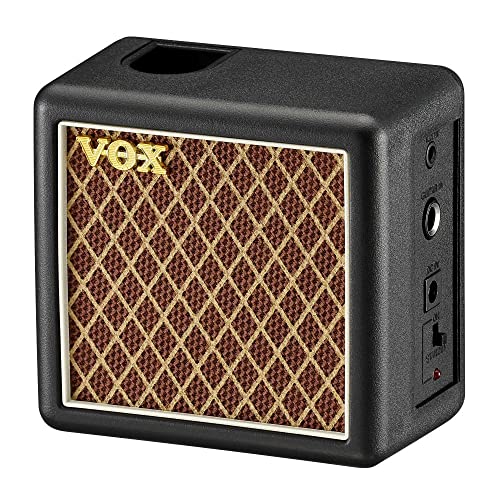
- Compact, portable mini-amp cabinet that transforms your amPlug 2 into a tabletop amp
- Delivers 2 watts of power through a 3" Vox Original speaker for clear, punchy sound
The VOX AP2-CAB is a completely different beast. While the Mellotone is a physical covering for a full-sized cabinet, the Vox is a miniature 2W powered cabinet designed for practice. If you are a hobbyist who wants the “look” of a stack without the heavy lifting or the need for a restoration project, this is a fun alternative. However, for a serious musician or someone restoring a vintage Fender, the Vox is a toy compared to the professional-grade Mellotone Tweed Amplifier Cover. Choose the Mellotone for real restoration work and the Vox for late-night bedroom practice.
2. Peavey Large Rubber Feet
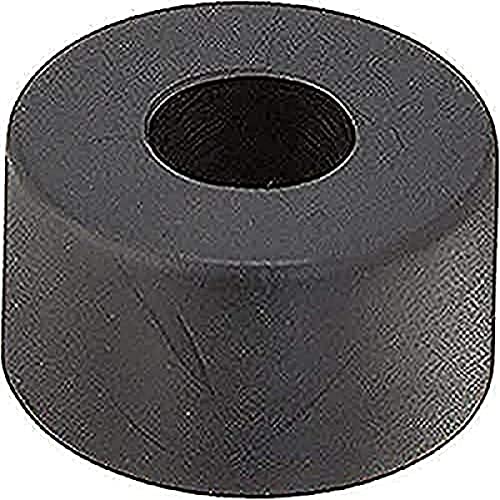
- Packaged in sets of four, with Phillips screws
- Large rubber feet are 1 1/4 inch in diameter, 3/4 inch tall
If you are going through the trouble of recovering your amp with the Mellotone Tweed, you absolutely must replace the feet. Old, dry-rotted rubber feet will scratch floors and fail to absorb vibrations. These Peavey Large Rubber Feet are the perfect companion to a restoration project. While the Mellotone Tweed Amplifier Cover handles the aesthetics, these feet handle the stability. We recommend adding these to your cart along with your tweed to ensure your newly covered cabinet stays protected when you set it down on a stage or in your studio.
3. Orange PPC108 20W 1×8″ Speaker Cabinet

If you look at the Orange PPC108, you see a completely different design philosophy. It uses a heavy-duty, modern Orange Tolex. This is for the player who wants a “plug and play” solution with a modern, high-gain aesthetic. If you don’t want to deal with the hassle of glue, corner cuts, and shellac, buying a pre-built cabinet like this Orange model is the way to go. However, you lose the vintage charm and the wide, 64″ customization potential of the Mellotone Tweed Amplifier Cover. The Orange is for the modern rocker; the Mellotone is for the vintage purist.
The Final Verdict on the Mellotone Tweed Amplifier Cover
After a thorough evaluation, we can confidently say that the Mellotone Tweed Amplifier Cover is one of the best values on the market for vintage amp restoration. Its standout feature is undoubtedly the 64″ width, which provides a level of versatility that smaller rolls simply cannot match. The material is authentic, durable, and takes to shellac beautifully, allowing you to achieve that perfect “aged” look that defines the most sought-after vintage amplifiers.
While it is not a beginner-friendly project and definitely not meant for use as a speaker grill, for the seasoned DIYer or the professional builder, it is an essential tool. It bridges the gap between a “homemade” look and a “boutique” finish. If you want your gear to reflect the quality of your playing, don’t settle for cheap vinyl substitutes. Give your amplifier the skin it deserves and restore its classic mojo. We highly recommend you grab a roll of Mellotone Tweed today and start your next project with the right foundation.
Last update on 2026-09-09 / Affiliate links / Images from Amazon Product Advertising API