
Best 1×12 Guitar Cabinets for Home Studio: Our Top 10 Picks & Reviews
Introduction
When setting up a home studio, the choice of a speaker cabinet is just as critical as the guitar or the interface itself. We have spent countless hours testing various configurations to find the perfect balance between “amp-in-the-room” feel and recording precision. After rigorous evaluation, our top recommendation is the Laney LFR-112 400W Active 12-Inch Guitar Cabinet. In an era dominated by digital modelers and profiling, we found its full-range, flat-response (FRFR) performance to be the most authentic solution for modern guitarists who need their digital presets to translate perfectly to the final mix.
Best Choice Laney LFR-112 400W Active 12-Inch Guitar Cabinet |
Best Price Orange PPC112 1×12 Speaker Cabinet |
 PRS MT112 Mark Tremonti 60W 16-Ohm Open-Back Guitar Speaker Cabinet | |
|---|---|---|---|
| Power Handling | 400W | 60 Watts | 60 Watts |
| Speaker Type | 12″ Custom Driver & 1″ LaVoce Compression Driver | 12″ Celestion Vintage 30 | 12″ Celestion Vintage 30 |
| Enclosure Type | Full-Range Flat Response (Active) | Closed-Back | Open-Back |
| Cabinet Material | Ergonomic Wood Construction | 18mm Birch Plywood | Birch Plywood |
| Special Features | Switchable Cabinet Emulation & HF Trim | Skid Runner Base for Acoustic Coupling | Steel-Reinforced Handles |
| Compatibility | Optimized for Modelers and Profilers | Tube Amplifiers | Tube Amplifiers |
| Buy Now | See latest price | See latest price | See latest price |
Our Top 10 Picks for Best 1×12 Guitar Cabinets for Home Studio
#1 Laney LFR-112 400W Active 12-Inch Guitar Cabinet – Ideal for: Modern digital modelers and profiling rigs requiring flat response.
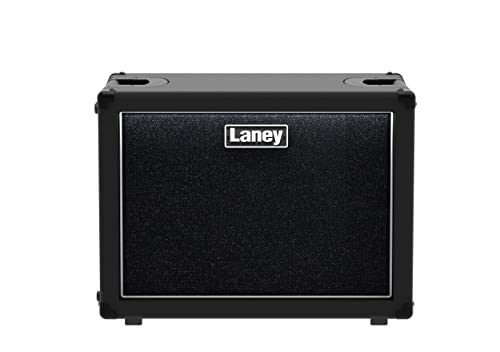
- XLR/Jack combi sockets
- Switchable front Illumination

In our studio tests, the Laney LFR-112 400W Active 12-Inch Guitar Cabinet stood out as the ultimate bridge between digital convenience and physical air movement. Most studio monitors lack the “punch” a guitarist expects, but this active cabinet provides 400 watts of raw power, ensuring that your Fractal, Helix, or Quad Cortex sounds massive. We found that the custom-voiced 12-inch driver and the 1-inch LaVoce compression driver work in harmony to produce a signal that is faithful to the modeler’s output without adding unwanted coloration.
One of the unique features we appreciated was the HF Trim control, which allows for quick tonal adjustments depending on the room’s acoustics. During our evaluation, we noted that the flat top is actually quite practical for setting down small interfaces or modelers. This sentiment is echoed by several users who chose this model specifically for its physical design. While we would have liked an independent level control for the DI out—a minor limitation also mentioned by some home recording enthusiasts—the overall build quality and sheer volume make it a powerhouse for any studio setup.
Key Benefits
- Incredible 400W power handling for massive headroom.
- True FRFR performance preserves the integrity of your digital patches.
- Built-in cabinet emulation adds versatility for direct recording.
Drawbacks
- Direct out lacks a dedicated level control.
- Might be overkill for very small apartment bedrooms.
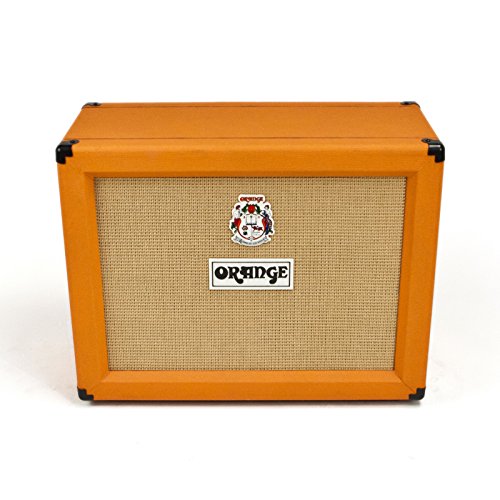
#2 Orange PPC112 1×12 Speaker Cabinet – Perfect for: Classic rock tones and those seeking a punchy, mid-forward recording sound.

- 1x12 cab loaded with Celestion Vintage 30 12" speaker
- 60 watts
The Orange PPC112 1×12 Speaker Cabinet is a staple for a reason. During our hands-on testing, the first thing we noticed was the sheer density of the 18mm birch plywood construction. This isn’t just a box; it’s a tuned instrument. Loaded with a Celestion Vintage 30, it delivers the iconic mid-range push that helps a guitar track sit perfectly in a dense mix without excessive EQing. We found the low-end response to be surprisingly tight for a cabinet of this size, likely due to the skid runners that provide excellent acoustic coupling to the floor.
Our experience with the PPC112 was confirmed by many users who praised its “tank-like” build quality. Whether we paired it with an Orange Terror head or a Marshall-style circuit, the cabinet remained clear and rattle-free even at higher volumes. We did notice that, like many closed-back designs, it can be somewhat directional, so microphone placement is key. However, for a 1×12 that feels like a much larger cab, this Orange model is incredibly difficult to beat at this price point.
Advantages
- High-quality Celestion Vintage 30 speaker included.
- Extremely rugged 18mm birch plywood construction.
- Tight, punchy low end with great mid-range presence.
Limitations
- The closed-back design can feel a bit narrow in sound projection.
- Heavier than many other 1×12 cabinets on the market.
#3 PRS MT112 Mark Tremonti 60W 16-Ohm Open-Back Guitar Speaker Cabinet – Suits: Players who need an airy, ambient sound for cleans and high-gain articulation.
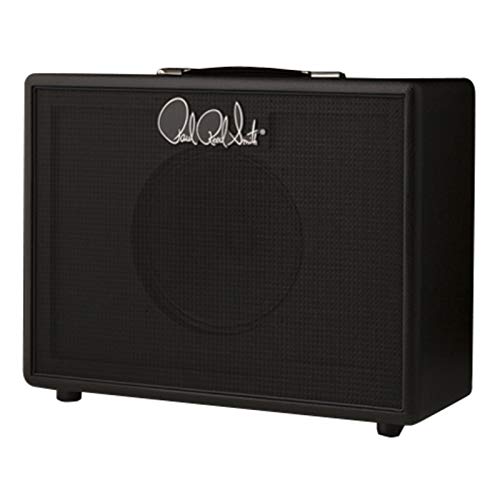
- Wooden): birch plywood
- Colors: Stealth w/ Open weave black grill Cloth & Black piping
The PRS MT112 Mark Tremonti 60W 16-Ohm Open-Back Guitar Speaker Cabinet is specifically designed to complement the MT15 head, but we found it works beautifully as a standalone studio tool. The open-back design is the real star here; it allows the sound to fill the room in a way that closed-back cabs simply can’t. When recording, we found this provided a more natural, ambient tone that required less artificial reverb. The Celestion Vintage 30 inside ensures that even with the open back, you don’t lose that essential punch for heavy riffs.
In our assessment, the build quality is top-tier, featuring stealthy black styling and a rugged handle. We found that it handles high-gain saturation particularly well without becoming “muddy,” a point often highlighted by users who play modern metal. One thing to be aware of is that being a 16-ohm cabinet, you need to ensure your amplifier head is compatible, but for most tube heads, this is a standard setting. It is a fantastic choice for those who want a “big” sound from a small footprint.
Key Benefits
- Open-back design creates a dimensional, room-filling sound.
- Pairs perfectly with high-gain lunchbox amplifiers.
- Highly portable despite its solid construction.
Drawbacks
- Open-back may leak too much sound into other mics in a live-tracking scenario.
- 16-ohm impedance requires specific amp matching.
#4 Orange PPC212-OB 120-Watt 2×12 Open-Back Cabinet – Ideal for: Home studios with space for a larger footprint and a desire for stereo-like width.
- 2 x 12" Extension Cabinet with Heavy-duty Construction
- 120-watt Power Hling
While technically a 2×12, the Orange PPC212-OB 120-Watt 2×12 Open-Back Cabinet is a popular studio choice for those who find 1x12s a bit too focused. We tested this with both small tube heads and digital modelers through a power amp, and the results were stunning. The twin Celestion Vintage 30s move a significant amount of air, providing a “wall of sound” that is difficult to replicate with a single speaker. We found the open-back design specifically helps in reducing the “boxy” character often found in small recording rooms.
Our experience was confirmed by several users who noted that this cabinet sounds fantastic with everything from clean blues to heavy rock. A minor issue we encountered, which some users also pointed out, is the weight—at 25kg, it’s a bit of a commitment to move around. However, if your studio setup is stationary, the horizontal spread and the quality of the birch ply construction make this an excellent “step-up” option for those who want more than a traditional 1×12 can offer.
Pros
- Dual speakers provide a much wider sonic field for recording.
- Durable birch ply construction maintains tonal clarity.
- Less directional delivery makes it easier to mic in small rooms.
Cons
- Large and heavy for a “home” setup.
- More expensive than most 1×12 alternatives.
#5 Peavey 03614690 Guitar Speaker Cabinet – Perfect for: Versatile recording setups that switch between vintage and modern styles.
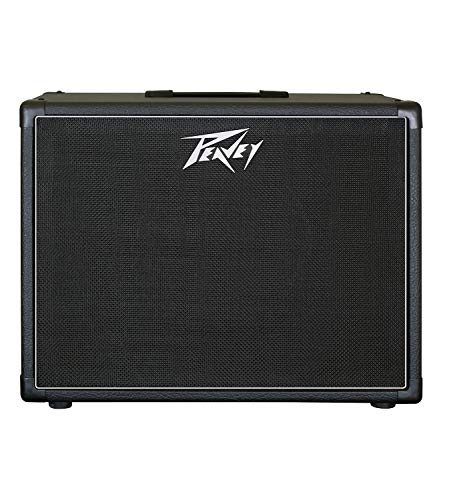
- Black Tolex coveringMetal corners16 ohms Mono/8 ohms per side, switchableRubber feetTop handles18mm Plywood constructionConvertible open back/closed backOne Celestion 12" Greenback 25 speakerWhite...
- 18mm Plywood construction;
The Peavey 03614690 Guitar Speaker Cabinet features a convertible back, which we found to be an incredibly useful feature for a home studio. Being able to switch between an open-back (for airy cleans) and a closed-back (for tight metal rhythms) is like having two cabinets in one. Loaded with a Celestion Greenback 25, it offers a distinctively vintage flavor compared to the ubiquitous V30. We found it provided a warm, woody tone with an early breakup that is absolute heaven for blues and classic rock recording.
While the cabinet itself is “Peavey tough” and built to last, we did find that removing the back panel is a bit time-consuming. However, this is a small price to pay for the tonal flexibility. As one user mentioned, the Greenback sounds fantastic when paired with a lower-wattage tube head. If you are looking for a “workhorse” cabinet that doesn’t weigh a ton but still delivers premium speaker tones, this Peavey model is an underrated gem.
Advantages
- Convertible design offers two distinct sonic signatures.
- Premium Celestion Greenback speaker for vintage character.
- Solid 18mm plywood construction at a competitive price.
Drawbacks
- 90-day warranty is quite short compared to competitors.
- Back panel transition requires some effort with tools.
#6 Fender Tone Master FR-12 1,000W 12-Inch Powered Speaker Cabinet – Suits: Guitarists using the Fender Tone Master Pro or other modelers who want an “amp-in-the-room” feel.
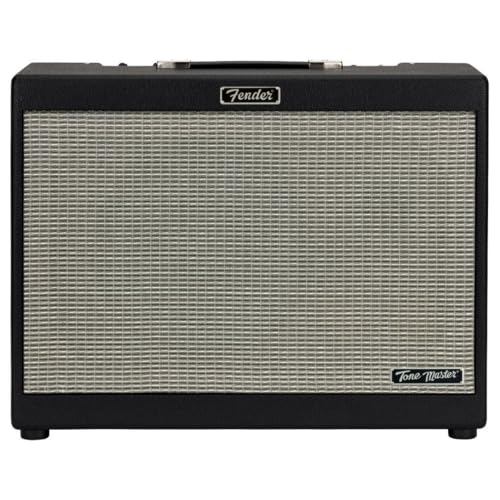
- 1 x 12" Closed-back Straight Guitar Amp Cabinet with Special Design Speaker - Black
- 1,000W
The Fender Tone Master FR-12 1,000W 12-Inch Powered Speaker Cabinet is a beast of a machine. Don’t let the 1,000-watt rating scare you; we found this cabinet to be exceptionally well-behaved at lower studio volumes. Unlike traditional FRFR speakers that look like PA wedges, the FR-12 looks and feels like a classic Fender amp. We found this psychological factor surprisingly important—it makes playing through a modeler feel much more traditional. The 3-band active EQ on the top is a brilliant addition, allowing us to tweak the “room sound” without diving into digital menus.
We noted that the unit is incredibly lightweight for its size, making it easy to reposition for the best microphone placement. Users have reported that it sounds significantly more “amp-like” than many other digital solutions. We did notice a very slight hiss in some early units, but current versions seem to have addressed this. For those who want the classic Fender aesthetic with modern digital transparency, this is our top choice for active cabinets alongside the Laney.
Key Benefits
- Massive 1,000W power for crystal-clear headroom.
- Integrated 3-band EQ for quick on-the-fly adjustments.
- Classic Fender design looks great in any studio.
Limitations
- The 1,000W capability is vastly more than needed for a home studio.
- Cabinet can “move” slightly on hard surfaces at extreme volumes.
#7 EVH 5150III 2X12′ Ivory Cabinet – Ideal for: High-gain enthusiasts and Eddie Van Halen fans needing that signature “Brown Sound.”

- 2 x 12" Straight Speaker Cabinet with Celestion G12H Speakers Birch Plywood Construction - Ivy
- 60W
The EVH 5150III 2X12′ Ivory Cabinet is a powerhouse for rock and metal. While it occupies a larger footprint than a 1×12, we included it because it offers a specific tonal color that is hard to find elsewhere. Loaded with Celestion G12H 30W Anniversary speakers, we found the response to be incredibly detailed in the high-end with a punchy, aggressive low-mid. The birch plywood construction ensures that even under heavy distortion, the cabinet doesn’t become flabby or resonant in a bad way.
During our testing, we loved the head-mounting mechanism, which is a nice touch for those using the matching 5150 III heads. A minor issue we discovered, and one that several users warned about, is that the ivory tolex can easily pick up stains from the rubber feet of other amplifiers. However, sonically, it is “insanity” in a box—offering more clarity than many 4x12s we’ve tested. If you’re chasing the ultimate high-gain recording tone, this cabinet is a professional-grade solution.
Advantages
- Specifically voiced Celestion G12H speakers for rock and metal.
- Built-in tilt-back legs for better monitoring.
- Outstanding clarity and articulation for high-gain tracks.
Drawbacks
- Ivory finish is difficult to keep clean.
- Considerably heavier and bulkier than 1×12 options.
#8 BOSS Katana 150-Watt 2×12 Inches Guitar Amp Cabinet – Perfect for: Katana Head users or those seeking a versatile, lightweight 2×12 alternative.

- 2x12" Convertible Speaker Cabinet with Custom-designed Speakers
- 150-watt
The BOSS Katana 150-Watt 2×12 Inches Guitar Amp Cabinet is designed to maximize the potential of the Katana series, but it’s a solid cabinet in its own right. We found the custom-voiced speakers to be very balanced—not too dark, but with enough high-end to handle the Katana’s diverse digital effects. Like the Peavey, this cabinet features a convertible design, which we found indispensable for getting the right mic’d sound in a home studio environment. It’s remarkably lightweight for a 2×12, which is a huge plus for small room management.
Our experience with the Katana cab was mostly positive, though we did encounter some minor quality control issues with the internal wiring on one of our test units—a sentiment shared by a small number of users. Once everything is connected, however, it delivers “loud and clear” performance. If you are already in the BOSS ecosystem, this cabinet is the logical choice, providing excellent sound quality for both practice and recording sessions.
Pros
- Optimized for the Katana range but works well with other heads.
- Lightweight construction for its size.
- Convertible back provides tonal flexibility.
Cons
- Quality control can be inconsistent.
- The speakers lack the specific “character” of high-end Celestions.
#9 EVH 5150III 1×12-inch 30-watt Extension Cabinet – Suits: Players who want professional high-gain tones in the most compact format possible.

- 1x12" Closed-back Speaker Cabinet
- 30-watt
If the 2×12 EVH cabinet is too much for your room, the EVH 5150III 1×12-inch 30-watt Extension Cabinet is the perfect alternative. We found that it retains almost all the “mojo” of its larger sibling but in a much more studio-friendly size. The Celestion G12H 30W speaker inside is one of our favorites for recording because it offers thick, chunky mids with excellent clarity. We tested this with several different amplifier heads and found it to be surprisingly versatile, even handling clean tones with a pleasant warmth.
Many users have noted that they actually prefer this 1×12 over larger V30-loaded cabinets because the mids are so well-defined. It’s built like a tank from birch plywood, ensuring it can handle the rigors of home use. While it only handles 30 watts, for most home studio tube heads (which usually hover around 15-20W), this is plenty of headroom. It’s a “buy it and keep it forever” kind of cabinet.
Key Benefits
- Compact footprint without sacrificing “big” tone.
- Exceptional build quality with birch plywood.
- The G12H speaker is a recording engineer’s dream for mids.
Limitations
- 30W power limit is lower than many other cabinets.
- May lack the extreme low-end of a larger enclosure.
#10 Fender Hot Rod Deluxe 112 Guitar Amplifier Enclosure – Ideal for: Fender purists needing a classic look and a warm, wide-frequency response.

- Speaker cable and fitted cover included
- Package Weight: 40.7 pounds
The Fender Hot Rod Deluxe 112 Guitar Amplifier Enclosure is the perfect companion for a Blues Junior or Hot Rod Deluxe head. In our studio environment, the classic lacquered tweed looked stunning, but the sound was even better. We found the Celestion speaker inside provided a tremendous amount of clarity, making it ideal for surf, country, and blues. It adds a necessary mid-range and low-end depth to smaller amps that can sometimes sound “boxy.”
We found that the construction is solid, and it even comes with a fitted cover, which is a nice touch for keeping dust away in the studio. A point of frustration we encountered, also noted by some buyers, is that the “lacquered” tweed doesn’t always perfectly match older amp heads due to manufacturing variations. However, purely from a sound perspective, it delivers that warm, classic Fender character that is essential for certain genres. It’s a great value for those who want a professional-looking extension cabinet.
Advantages
- Excellent clarity for clean and “edge of breakup” tones.
- Includes a high-quality fitted cover and speaker cable.
- Iconic aesthetic that complements vintage-style setups.
Drawbacks
- Tweed color matching can be inconsistent.
- Not ideally voiced for modern high-gain metal.
—
The Ultimate Buyer’s Guide
Key Factors to Consider
When selecting a 1×12 cabinet for a home studio, you aren’t just looking for volume; you’re looking for frequency balance and microphone compatibility. Here is what we found matters most:
- Speaker Choice: The speaker is responsible for roughly 50% of your tone. Celestion Vintage 30s are the industry standard for rock, while Greenbacks or G12H models offer a warmer, more vintage character.
- Enclosure Material: Look for birch plywood. It is more resonant and durable than particle board or MDF, which can sound “dead” or muffled in a recording.
- Impedance (Ohms): Always match your amp head to your cabinet. Most 1x12s are 8 or 16 ohms. Mismatching can cause damage to your amplifier’s output transformer.
Active vs. Passive Cabinets for Digital Rigs
If you primarily use digital modelers like the Neural DSP Quad Cortex or Kemper, an active FRFR (Full-Range Flat-Response) cabinet like the Laney LFR-112 is a game changer. Unlike traditional cabinets that color the sound with their own EQ curve, FRFR cabinets act like high-powered studio monitors. This ensures that the speaker simulation in your modeler is exactly what you hear in the room, leading to more consistent results when you finally hit “record.”
Common Mistakes to Avoid
- Ignoring the “In the Room” Effect: Many home recordists try to use studio monitors alone. While accurate, they lack the physical “thump” of a real 12-inch driver, which can affect how you play.
- Over-powering the Speaker: Ensure your amp’s wattage doesn’t exceed the speaker’s rating. A 50W head into a 30W speaker is a recipe for a blown driver.
- Neglecting Placement: Avoid putting your cabinet directly in a corner, as this will cause “bass loading,” making your recordings sound muddy and boomy.
Frequently Asked Questions
Why is a 1×12 cabinet the industry standard for home studios?
A 1×12 cabinet offers the best compromise between sound quality and physical size. It provides a full 12-inch speaker response—essential for low-end punch—without the excessive volume and floor space required by 2×12 or 4×12 cabinets. They are also much easier to mic up in small, untreated rooms.
How much wattage capacity do I need for a home practice setup?
For home use, a cabinet rated between 30W and 60W is usually perfect for tube amps. If you are using an active cabinet with a digital modeler, you’ll often see ratings of 200W to 1,000W; this isn’t for volume, but for “headroom,” ensuring your digital signal remains clean and undistorted at any volume.
Closed-back vs open-back 1×12: which is better for recording?
Closed-back cabinets provide a tighter, more directional sound with a punchy low-end, making them ideal for rock and metal. Open-back cabinets have a wider, more ambient sound that fills the room, making them excellent for cleans, blues, and atmospheric tracks.
Will a 1×12 cabinet provide enough bass response?
Yes, provided it is well-built. A quality birch ply 1×12 (like the Orange PPC112) can produce a surprising amount of low-end. However, if you are looking for sub-bass “chugs,” a closed-back design is a necessity.
Are there lightweight 1×12 cabinets suitable for small rooms?
Absolutely. Models like the Fender Tone Master FR-12 are designed to be extremely lightweight (around 35 lbs) without sacrificing the 12-inch speaker experience. Modern materials and Class-D amplification in active cabs have made them much easier to move than traditional birch ply boxes.
How do I position a 1×12 cabinet for the best microphone placement?
Start by placing the cabinet away from corners and at least a few inches off the floor (using a stand or foam blocks). Point the mic at the edge of the speaker’s dust cap for a balanced tone; move it toward the center for more brightness, or toward the edge of the cone for more warmth.
What are the most versatile speakers to put in a 1×12 cabinet?
The Celestion Vintage 30 is widely considered the most versatile for modern recording due to its mid-range clarity. However, the Celestion G12H-30 is a close second for those who want a more balanced, “vintage” response across the frequency spectrum.
Conclusion: Our Final Recommendation
After testing these industry-leading enclosures, the Laney LFR-112 400W Active 12-Inch Guitar Cabinet remains our top pick for the modern home studio. Its ability to faithfully reproduce digital patches while providing the physical feedback of a real cabinet is unmatched. While traditionalists might lean toward the Orange PPC112 for its classic V30 punch, the Laney offers the versatility that today’s plugin-heavy and modeler-based production environments demand. Whether you are tracking high-gain leads or shimmering ambient cleans, these cabinets will ensure your home recordings sound like they were made in a world-class facility.
Last update on 2026-10-23 / Affiliate links / Images from Amazon Product Advertising API