
Roland PD-140DS 14-Inch Electronic Drum Pad Review: The Ultimate Digital Snare Evolution
For years, electronic drummers have faced a persistent, frustrating hurdle: the “toy” factor. We have all been there, sitting behind a kit that sounds like a million dollars through the headphones but feels like hitting a collection of dinner plates and rubber mats. The disconnect between the physical strike and the sonic result has long been the primary reason purists shy away from electronic percussion. As someone who has spent decades transitioning between basement rehearsals on mesh heads and stadium stages on maple shells, I know the struggle of trying to execute a subtle ghost note or a delicate cross-stick on a pad that simply cannot “hear” the nuance of my hands. This is precisely why the search for a truly responsive snare pad is so critical; it is the heart of the kit. Without a snare that breathes, the entire performance feels mechanical. When we first got our hands on the Roland PD-140DS 14-Inch Electronic Drum Pad, we were looking for a solution that finally bridged that gap between digital convenience and acoustic soul.
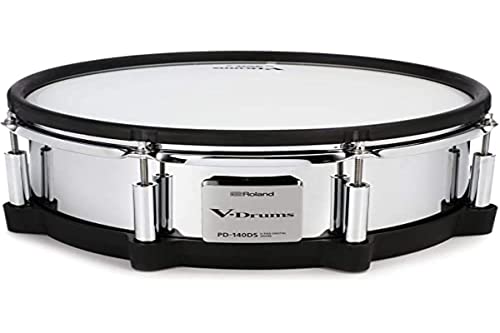
- High-resolution sound triggering with accurate positional detection
- Designed for use with the flagship TD-50 sound module

What to Consider Before Buying Professional Electronic Drum Pads
An electronic drum pad is more than just a trigger; it is the primary interface between your artistic intent and the sound module’s output. Choosing the right pad is a key solution for drummers who need to practice silently without sacrificing their technique, or for session players who require the infinite tonal possibilities of a digital brain while maintaining the muscle memory of an acoustic kit. If you are serious about your pocket and your groove, you cannot settle for standard analog triggers that rely on a single piezo sensor. The right pad should disappear under your sticks, allowing you to forget you are playing an electronic instrument altogether.
The ideal customer for this type of product is a professional or advanced hobbyist who owns a compatible Roland digital module (like the TD-50 or TD-27) and demands high-resolution triggering. It is perfect for those who have grown tired of the small, 10-inch pads that feel cramped and unrealistic. However, it might not be suitable for beginners on a tight budget or those using older, non-digital Roland modules, as the proprietary USB connection requires specific hardware. For those users, more traditional analog pads might be the necessary, though less expressive, path forward. Before you check the latest price and availability, you should evaluate your current module’s compatibility.
Before investing, consider these crucial points in detail:
- Dimensions & Space: Unlike most electronic pads that hover around 8 to 12 inches, the Roland PD-140DS 14-Inch Electronic Drum Pad is a full-sized snare. You need to ensure your snare stand can accommodate the weight and width, and that your kit’s footprint has enough room for a standard acoustic-sized shell.
- Triggering Technology: Look for “digital” versus “analog.” Digital pads like this one use high-speed processing and multiple sensors to detect positional data across the entire head, which is a massive leap forward from the center-focused hot spots of cheaper pads.
- Mesh Quality: The number of plies in a mesh head determines the rebound and the “sink” of the stick. A three-ply head is the gold standard, offering enough resistance to prevent the “trampoline effect” while remaining durable enough for heavy hitters.
- Ease of Use & Maintenance: Consider how the pad handles specialized techniques like rimshots and cross-sticks. If you have to flip a switch on your module every time you want to play a cross-stick, it breaks the creative flow; you want a pad that detects your hand placement automatically.
Understanding these factors will help you appreciate why the Roland PD-140DS 14-Inch Electronic Drum Pad sits at the top of the food chain. While this pad is an excellent choice, it’s always wise to see how it stacks up against the competition. For a broader look at all the top models, we highly recommend checking out our complete, in-depth guide:
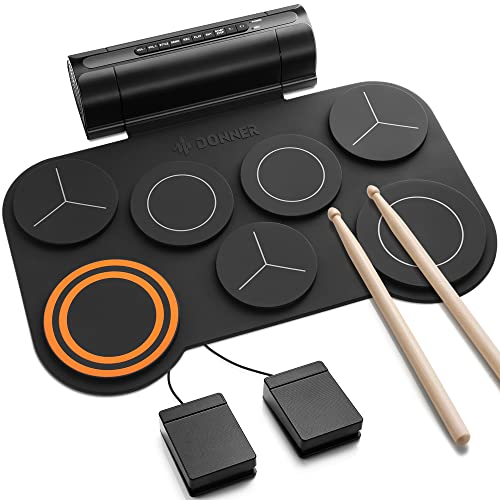
- [Fun Drum Pad Machine] DED-20 electronic drum pad 's high-quality sound source sample is taken from a real drum source, faithfully reproducing the acoustic drum's sound. 7 drum sets(1 SNARE, 1 CRASH...
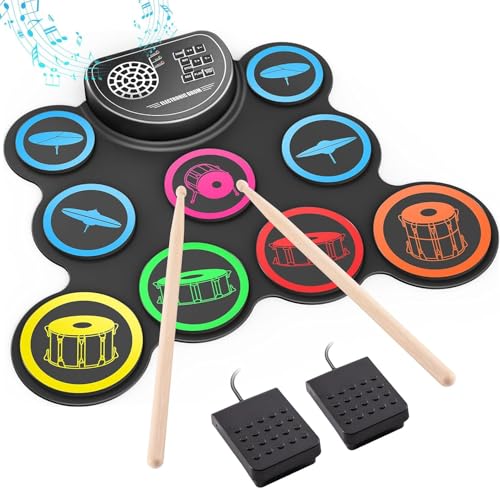
- 【Professional 9 Pads Electric Drum Pad】Sboet electronic drum set includes 3 TOMS, 2 CRASHES, 1 HI-HAT, 1 RIDE, 1 SNARE, 1 BASS and 2 Pedals, offers 7 Timbres, 10 DEMO Songs and 9 Rhythms, it...
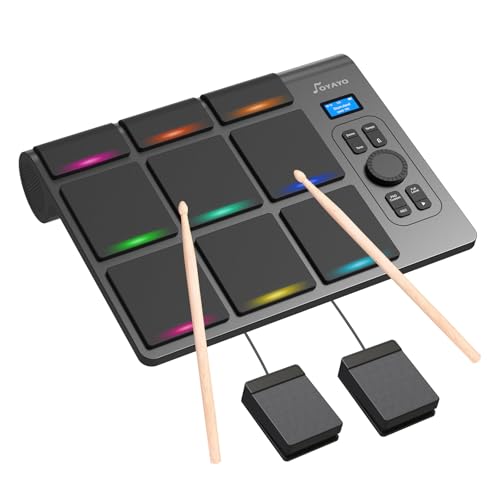
- 【Versatile Tabletop Drum Kit】The Portable Electronic Drum Kit features 9 Velocity-Sensitive Pads with LED light, hi-hat and kick bass drum pedal controller to reproduce full drum set sound with...
First Impressions and the Revolutionary Digital Connection
When we first pulled the Roland PD-140DS 14-Inch Electronic Drum Pad out of the box, the immediate reaction was one of pure familiarity. It doesn’t look like a piece of computer equipment; it looks like a premium snare drum. The chrome-finished steel shell has a satisfying heft (weighing in at 10 pounds), and the 14-inch diameter instantly made our test kit feel “real.” Setting it up was a departure from the norm; instead of a standard 1/4-inch trigger cable, this pad uses a high-speed digital USB connection. This is the secret sauce. While standard pads struggle to communicate complex data, this digital link allows for an incredible amount of information to pass to the module instantaneously.
Key Benefits We Discovered
- Unprecedented positional sensing that tracks every millimeter of stick movement.
- Automatic cross-stick detection—just lay your hand on the head and play.
- The 3-ply mesh head feels remarkably close to a medium-tuned acoustic head.
- Full 14-inch diameter allows for traditional snare stand mounting and natural reach.
Limitations to Consider
- Only compatible with specific high-end Roland modules (TD-27, TD-50, VAD series).
- The premium price point reflects its status as a professional-grade tool.
Deep Dive: Why the PD-140DS Changes the Drumming Experience
Unmatched High-Resolution Digital Triggering
The core of the Roland PD-140DS 14-Inch Electronic Drum Pad lies in its multisensor system. In traditional pads, you usually have one or two sensors that try to guess where you are hitting based on vibration intensity. In our testing, this often leads to “machine-gunning” (where every hit sounds the same) or awkward volume spikes if you hit a “hot spot.” However, the PD-140DS uses a sophisticated array of sensors that work in tandem with a dedicated digital processor inside the drum itself. When we played a slow, building roll from the edge of the drum to the center, the transition was seamless. There were no audible “steps” in the sound; it was a smooth, organic crescendo just like you would hear on a high-end Ludwig or Gretsch snare.
We found that this high-resolution sensing is particularly evident when playing ghost notes. Often, electronic pads miss those tiny, subtle taps that occur between the main backbeats. With the PD-140DS, every flick of the wrist was captured. We felt we could finally play “into” the drum rather than playing “at” it. This level of detail is exactly why many professionals choose to see its full feature set and user reviews before committing to a kit upgrade. It transforms the electronic kit from a practice tool into a legitimate instrument capable of nuanced performance.
The 14-Inch Form Factor and Three-Ply Mesh
Size matters more than we often care to admit in the drumming world. Moving from a standard 10-inch pad to the 14-inch Roland PD-140DS 14-Inch Electronic Drum Pad completely changed our physical approach to the kit. Your muscle memory for rimshots, where the stick angle is crucial, remains intact here. You don’t have to “adjust” your reach. The drum fits perfectly on any standard snare stand, which also means you get the benefit of a stable, non-wobbling base—something that rack-mounted pads often lack.
The mesh head itself is another area where Roland has excelled. Most budget pads use single or double-ply mesh, which can feel “bouncy” or like playing on a tennis racket. The three-ply mesh on the PD-140DS has a certain “give” and texture to it. It provides a natural rebound that allows for effortless double-stroke rolls without the stick flying away from you. One user noted that they even use this as a floor tom pad because the larger size provides such a better stick feel than smaller 8 or 10-inch pads. This versatility is a feature that really sets it apart from the rest of the V-Drums lineup. Whether you are using it as a primary snare or a large floor tom, the tactile response is consistently professional.
Natural Cross-Stick and Expressive Rim Work
Perhaps the most “magic” moment during our evaluation was the cross-stick functionality. On almost every other electronic drum on the market, you have to hit a specific zone or press a button on the module to toggle between a snare hit and a cross-stick. With the Roland PD-140DS 14-Inch Electronic Drum Pad, you simply lay your palm on the mesh and strike the rim with your stick, just as you would on an acoustic drum. The multisensor array detects the presence of your hand and automatically switches the trigger logic. It sounds like a small detail, but in the heat of a performance, it is a game-changer for your creative flow.
The rim itself is covered in a durable rubber that is designed to take a beating while remaining quiet. The “click” of the rim-shot is meaty and satisfying, and because of the digital connection, the module knows exactly how much “rim” and how much “head” you are hitting simultaneously. This allows for those fat, “barking” rimshots that are essential for funk and rock. We’ve used this in practice sessions that lasted hours, and the reliability was flawless. As another user confirmed, they have played multiple shows with this pad with no issues, proving that the build quality is stage-ready.
Aesthetic Brilliance and Stage Presence
Let’s be honest: appearance matters when you are on stage. The Roland PD-140DS 14-Inch Electronic Drum Pad with its chrome shell looks stunning under stage lights. It has the “presence” of a real snare. When we integrated it into a hybrid kit—mixing acoustic cymbals with electronic shells—it didn’t look out of place. The chrome finish is high-quality and resistant to fingerprints, and the overall construction feels like it could survive a decade of touring.
The weight of the drum also helps in dampening unwanted vibrations. Cheaper, lighter pads often suffer from “crosstalk,” where hitting one pad triggers another because the vibrations travel through the rack. Because this is a heavy, stand-mounted drum, crosstalk is virtually non-existent. It’s a self-contained unit of precision engineering. If you are looking to elevate the look of your setup, we suggest you check the current pricing for this chrome masterpiece. It’s an investment in both your sound and your professional image.
What Other Users Are Saying
The general sentiment among users is one of overwhelming satisfaction, particularly regarding the leap in technology this pad represents. We found that drummers who upgraded from older Roland pads like the PD-125 or PD-128 felt the difference immediately. One user mentioned that they bought a “used” unit and would “never know it was used,” noting that the build quality is so robust that even shipping wear is negligible. This speaks volumes about the durability of the chrome shell and the mesh assembly.
Another common thread in user feedback is the “sweetness” of the sound. Even non-drummers notice the difference; one reviewer mentioned that while they don’t play themselves, their drummer loves it and it “sounds sweet under his sticks.” On the negative side, the most common “complaint” isn’t about quality, but about size—one user noted it was “too big for my kit.” This highlights the importance of measuring your space before buying. However, for those with the room, the consensus is that the Roland PD-140DS 14-Inch Electronic Drum Pad is “absolutely perfect.”
Comparing the PD-140DS to the Competition
While the Roland PD-140DS 14-Inch Electronic Drum Pad is the gold standard for digital snare triggering, it’s helpful to see where other products in the “pad” category fall, even if they serve different purposes.
1. Alesis Sample Pad 4 Compact Percussion Instrument
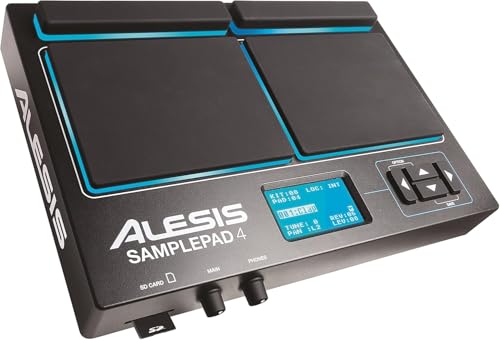
- Expand Your Performance - Add any sound sample to your drum or percussion setup via standard SD card
- In-Demand Sound - Built-in library of the 25 most-commonly requested percussion and electronic drum sounds mapped across 8 ready-to-play kits
The Alesis Sample Pad 4 is a completely different animal than the PD-140DS. While the Roland is a dedicated, high-resolution snare replacement designed for realism, the Alesis is a compact, four-pad sampling instrument. It’s built for drummers who want to add electronic “claps,” “sub-drops,” or specific sound effects to their existing kit. It doesn’t offer the mesh-head feel or the digital triggering of the Roland, but for a budget-conscious player looking to trigger a few samples, it’s a great entry-level choice. However, it cannot replace a primary snare drum in terms of expression or playability.
2. Pyle Electronic Drum Pad Set with 8 Touch Sensitive Pads

- 8 TOUCH-SENSITIVE DRUM PADS - Experience the ultimate drum set with 8 touch-sensitive pads, allowing for dynamic and expressive playing. Store up to 10 custom user kits and explore different cymbal...
- COMPLETE ELECTRIC DRUM SET - The electric drum set Includes 4x5" rubber drums, 4x3.5" rubber cymbals, (2) digital foot pedals, and (2) drumsticks. Customize your sound with built-in EQ effects, making...
The Pyle Tabletop Set is aimed squarely at the beginner or the casual “desktop” hobbyist. It features eight touch-sensitive pads in a single unit. Compared to the professional-grade Roland PD-140DS 14-Inch Electronic Drum Pad, this feels more like a sophisticated toy. It lacks the positional sensing, the mesh heads, and the durability required for serious performance. However, for a kid wanting to learn the basics of rhythm or someone with zero space, it’s an affordable way to get started. Just don’t expect the nuanced ghost notes or the “acoustic” feel that the Roland provides.
3. Pyle Pro Electronic Drum Kit

- COMPLETE DRUMSET SOUND: This electronic drum kit has 7 drum pad and hi-hat and kicks bass drum digital pedal controller to reproduce full drumset sound with tom-toms, hi-hat, snare, crash and ride...
- PRESET DRUM KITS: Pyle portable electric tabletop drum set machine comes packed with 55 preset plus 10 custom preloaded drum kits, 300 plus cymbal or drum sounds, and it also has a drum trainer...
The Pyle Pro PTED06 is another tabletop solution that includes 7 pads and pedals for hi-hat and kick. Much like the previous Pyle model, it’s built for portability and casual fun rather than professional recording or practice. While it’s impressive that it packs so many sounds into a small frame, the rubber pads are loud and offer a very high rebound that can lead to wrist fatigue if played for long periods. If you are a serious drummer, the Pyle Pro serves as a fun distraction, whereas the Roland PD-140DS serves as a serious instrument.
The Final Verdict: Is the PD-140DS Worth It?
After extensive testing and comparison, it is clear that the Roland PD-140DS 14-Inch Electronic Drum Pad is currently in a league of its own. It is not just an incremental upgrade; the shift from analog to digital triggering is a fundamental change in how an electronic drum communicates with its module. The combination of the 14-inch acoustic size, the three-ply mesh head, and the automatic hand-sensing for cross-sticks makes it the most expressive drum pad we have ever evaluated. While the price reflects its premium status and the module compatibility is limited to Roland’s upper-tier brains, the payoff in playability is immense.
If you are a serious drummer looking to eliminate the “electronic feel” from your kit and you have a TD-27 or TD-50 module, this is the single best upgrade you can make. It restores the joy of playing the snare drum, allowing for every ghost note, rimshot, and subtle buzz roll to be heard exactly as you intended. To take your drumming to the next level and experience the pinnacle of digital percussion, we highly recommend you invest in the Roland PD-140DS today and feel the difference for yourself.
Last update on 2026-09-26 / Affiliate links / Images from Amazon Product Advertising API