
Roland ELCajon Electronic Layered Cajon Review: Bridging Acoustic Soul with Digital Innovation
As percussionists and musicians, we’ve all been there: standing on stage, in the studio, or even just jamming at home, feeling the undeniable pulse of a beat, yet constrained by the sonic palette of our traditional instruments. The acoustic cajon, a beloved staple, offers warmth, portability, and an incredible range of organic tones – but sometimes, we crave more. We yearn for that extra layer, that unexpected accent, a bass drum punch that cuts through the mix, or a splash of electronic texture that takes our groove to an entirely new dimension. Relying solely on microphones for an acoustic cajon can be tricky, often leading to feedback issues, inconsistent sound, or the inability to truly stand out in a dense mix.
This desire for expanded sonic possibilities without sacrificing the tactile joy of acoustic play is a common dilemma. Many try to solve it with external triggers and complex setups, but these often add bulk, setup time, and a learning curve that can stifle creativity. The quest for a seamless blend of acoustic authenticity and electronic versatility, all within a familiar, intuitive package, is a challenging one. It’s a problem that impacts everyone from the solo street performer needing a fuller sound to the seasoned studio musician looking for a unique rhythmic signature. Ignoring this need means missing out on potential creative breakthroughs and limiting one’s expressive capabilities. This is precisely where an innovative solution like the Roland ELCajon Electronic Layered Cajon steps in, promising to bridge that gap and empower musicians to explore uncharted rhythmic territories. For those ready to elevate their percussion game, we invite you to explore the full capabilities of this unique instrument.

- Unique hybrid instrument combining an authentic acoustic Cajon with Roland’s electronic percussion technology
- Standard Cajon size (50 x 30 x 30 cm), with quality playing surface made of sapele wood

Navigating the Rhythmic Landscape: What to Consider Before Investing in a Cajon
A Cajon is more than just an item; it’s a key solution for drummers and percussionists seeking a portable, versatile, and expressive instrument that can adapt to a myriad of musical settings. It solves the problem of needing a full drum kit for every gig or practice session, offering a compact footprint, ease of transport, and a surprising range of sounds from deep bass notes to crisp snare snaps. Its main benefits include its portability, dynamic range, and its ability to blend seamlessly into acoustic, jazz, folk, and even amplified contemporary music ensembles, providing a rhythmic backbone without overwhelming the soundstage.
The ideal customer for this type of product is someone facing limitations with traditional percussion, perhaps a gigging musician who needs a lightweight, easy-to-set-up drum solution, or a home enthusiast looking for a relaxing, accessible instrument to jam along with. It’s also perfect for those who want to add diverse sonic textures to their existing acoustic cajon setup, expanding their sound palette with electronic percussion. Conversely, it might not be suitable for those who are purists, seeking only the unadulterated, traditional acoustic cajon sound without any electronic augmentation. It also may not be the primary choice for professional electronic drummers who demand the ultra-precise triggering and extensive sound libraries of a dedicated electronic drum kit. For these individuals, a high-end acoustic cajon or a full electronic drum set might be more appropriate alternatives.
Before investing, consider these crucial points in detail:
- Dimensions & Space: The physical size and weight of a cajon are paramount, especially for gigging musicians or those with limited practice space. A standard cajon size ensures comfortable playability, mimicking the natural feel of sitting on the instrument. Consider its height, width, and depth, and how its weight will impact portability. An instrument that is too large might be cumbersome to transport, while one too small could compromise sound quality and ergonomics.
- Capacity/Performance: This refers to the range of sounds and functionalities the cajon offers. For a hybrid instrument, this means evaluating both its acoustic properties and its electronic capabilities. How many electronic kits does it offer? How versatile are these sounds? What kind of amplification options are available, both built-in and external? Battery life is also a key performance metric for instruments designed for portability, ensuring it can last through extended sessions or performances without needing a power outlet.
- Materials & Durability: The type of wood used for the playing surface (tapa) and the body significantly impacts the acoustic tone and overall durability. Sapele wood, for example, is known for its balanced tone and attractive grain. Examine the craftsmanship, the robustness of the joins, and the quality of any internal components. A well-constructed cajon will withstand the rigors of regular play and transport, maintaining its sound integrity over time.
- Ease of Use & Maintenance: An instrument, especially one with electronic components, should be intuitive to operate. Look for clear, accessible controls for sound selection, volume, and effects. For acoustic components, consider how easy it is to adjust snare wires (if applicable). Maintenance often involves simple cleaning, but understanding any specific care instructions for electronic parts or wood finishes is essential for longevity.
Understanding these aspects will help you make an informed decision, ensuring your chosen instrument truly meets your needs and enhances your musical journey. The Roland ELCajon Electronic Layered Cajon aims to excel in many of these areas, offering a compelling package for the modern percussionist.
While the Roland ELCajon Electronic Layered Cajon is an excellent choice, it’s always wise to see how it stacks up against the competition. For a broader look at all the top models, we highly recommend checking out our complete, in-depth guide:

- LEARN TO PLAY IN MINUTES: just sit down on it and tap the front with your hands to create bass and snare sounds—no experience needed; a perfect instrument for building the confidence to play...

- OUR BIGGEST AND BASSIEST CAJON: delivers deep, subwoofer bass—with more thump than traditional cajons—while not overpowering or muddying the highs
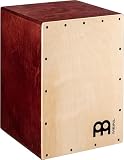
- LEARN TO PLAY IN MINUTES: just sit down on it and tap the front with your hands to create bass and snare sounds—no experience needed; a perfect instrument for building the confidence to play...
First Strike Impressions: Unveiling the Roland ELCajon Electronic Layered Cajon’s Core Identity
Unboxing the Roland ELCajon Electronic Layered Cajon for the first time was an exercise in anticipation. Out of the packaging, we were greeted by an instrument that immediately conveys quality. The aesthetic is understated yet refined; the natural sapele wood playing surface contrasts beautifully with the semi-matte black finish of the body, giving it a premium, almost piano-like look, as one user aptly described. At 11.75 x 11.63 x 19.5 inches and weighing just 8.9 pounds, it feels substantial enough for robust play, yet light enough to be genuinely portable, making it easy to envision taking it to gigs or moving it around the practice space. There’s no complex assembly required; it’s a plug-and-play (or rather, sit-and-play) experience right out of the box.
Our initial inspection revealed a solid build, consistent with Roland’s reputation for well-engineered musical instruments. The integrated controls are intuitive, laid out clearly on the top panel, allowing for quick access to the various electronic kits and volume adjustments without fumbling. While it shares the basic form factor of a traditional cajon, the subtle design cues, like the Roland branding and the visible speaker grille, hint at its dual nature. It doesn’t scream “electronic,” but rather offers a sophisticated integration that suggests versatility without compromise. From our first taps, the acoustic resonance was immediately apparent, and a quick flick of the power switch brought the electronic layers to life, promising an exciting journey of rhythmic exploration. This initial impression solidified our belief that the Roland ELCajon Electronic Layered Cajon is designed to be a serious tool for creative percussionists, not just a novelty. For a deeper dive into its specifications and to see what others are saying, we recommend checking out the product details and user experiences.
Key Benefits
- Seamless blend of authentic acoustic cajon sounds with 30 versatile electronic kits.
- Exceptional portability and independence with 12-hour battery life and built-in speaker.
- High-quality sapele wood playing surface ensures a rich, natural acoustic tone.
- Intuitive controls for easy operation and quick access to a wide range of rhythmic textures.
Drawbacks
- Premium price point might be a barrier for some, especially considering the hybrid nature.
- Built-in amplifier/speaker can be weak for larger venues, often requiring an external amp.
- Some users report issues with trigger sensitivity and the “electronic” nature of certain samples.
- Durability concerns about the front playing surface (tapa) have been noted by a few users.
Beyond the Box: A Granular Look at the Roland ELCajon Electronic Layered Cajon’s On-Stage and Studio Prowess
The Hybrid Heartbeat: Acoustic Authenticity Meets Electronic Expansion
The true genius of the Roland ELCajon Electronic Layered Cajon lies in its foundational concept: a genuinely good acoustic cajon enhanced by sophisticated electronic capabilities. We found the acoustic tone to be remarkably rich and resonant, largely owing to its standard cajon size and the quality sapele wood playing surface. Tapping the tapa (front plate) produces a satisfying array of classic cajon sounds – deep bass notes from the center and crisp slaps and ghost notes from the top edges. It’s a sound that holds its own, even without the electronics, a sentiment echoed by many users who appreciate its unplugged performance. One reviewer put it perfectly, stating, “As an acoustic cajon the EL Cajon sounds great.. honestly no need to have it plugged in all the time to enjoy the instrument.” This underscores its versatility: it can function purely as a traditional instrument when desired, making it a valuable addition to any musician’s arsenal.
However, where the Roland ELCajon Electronic Layered Cajon truly distinguishes itself is with its 30 built-in electronic kits. These aren’t just an afterthought; they’re designed to seamlessly layer with and complement the acoustic sound. We experimented with various kits, from classic snare and bass drum sounds to percussion effects like shakers, cowbells, and even electronic synth effects. The ability to add these layers provides an instant boost to rhythmic textures, allowing us to thicken grooves, add punch to a chorus, or inject unexpected sonic flair into a performance. Imagine laying down a solid acoustic groove and then, with a simple tap, adding a booming electronic bass drum or a tight snare rimshot – it’s transformative. This layering capability turns a simple percussion instrument into a veritable drum machine, offering “extra flavor to my beats” and “cool accents” as another user pointed out. The integration is so well-executed that it feels like a natural extension of the cajon itself, opening up a world of creative possibilities for solo performers, acoustic duos, or even full bands. For musicians looking to expand their sonic footprint without bringing an entire drum kit, this feature is a game-changer. You can truly appreciate this unique blend by seeing the full features and sound demos.
Power, Portability, and Performance: Ready for Any Stage, Anywhere
One of the most compelling aspects of the Roland ELCajon Electronic Layered Cajon is its remarkable self-sufficiency, making it an ideal companion for musicians on the go. Running on six AA-size batteries, it boasts up to 12 hours of continuous playing time. This incredible battery life, coupled with its integrated amplifier and coaxial speaker, liberates us from the tyranny of power outlets and external amplification for casual playing or smaller settings. We found this particularly invaluable for impromptu jam sessions, busking, or simply practicing in a quiet corner of the house. The freedom to pick it up and play anywhere, whether it’s outdoors or in a space without readily available power, is a significant advantage that many acoustic instruments simply cannot offer. It truly delivers on its promise of being “playable anywhere due to its battery-powered operation and built-in speaker system.”
While the built-in speaker is excellent for personal monitoring and small, intimate settings, we anticipated, and user feedback confirmed, that for larger venues or full band performances, an external sound system is highly recommended. The Roland ELCajon Electronic Layered Cajon offers a direct line-out, a crucial feature that allows us to connect it to a PA system, mixing board, or even a bass player’s amp’s aux-in, as one satisfied user discovered during an acoustic show where the instrument “was the star of the show. No mic’ing needed just a quick line out to our bass player’s amp’s aux-in and we were rolling!” This direct output ensures that the electronic sounds, though described by some as “very, well, electronic” through the direct out, can be properly mixed and amplified to fill larger spaces. Another user wisely advised, “If you buy one make sure you get yourself a keyboard amp for larger rooms! This way you can learn about the functionality of the instrument.” This capability to integrate into a professional sound setup, coupled with its inherent portability, makes the Roland ELCajon Electronic Layered Cajon an incredibly versatile performance tool, ready for everything from intimate coffee house gigs to larger club dates. Its robust connectivity and power options are clearly a feature that really sets it apart, and you can delve into more technical details on its product page.
Playability, Responsiveness, and the Learning Curve
Playing the Roland ELCajon Electronic Layered Cajon is an engaging experience that combines traditional technique with modern technology. The sapele wood playing surface offers a familiar feel to acoustic cajon players, and we found that, like any good acoustic instrument, it “breaks in over time,” allowing for a more nuanced response. However, the introduction of electronic triggers adds a layer of complexity and a slight learning curve. It’s not just about hitting the cajon; it’s about understanding “where to tap and at what velocity” to precisely activate the desired electronic sounds while maintaining the acoustic groove. This requires practice and familiarity with the trigger zones, which are sensitive enough to pick up nuanced playing but also necessitate a degree of precision.
User experiences regarding trigger response and velocity sensitivity are varied. While some found it “a blast to play around with,” appreciating the fun and dynamic variations, others expressed significant frustration. We encountered feedback stating that “trigger localization accuracy and sensitivity… did not deliver” and “Quick rolls and velocity response were terrible.” Our testing found that while it may not match the pinpoint accuracy and lightning-fast response of a dedicated, high-end electronic drum pad designed for intricate rolls, it performs admirably for its intended purpose: layering and accenting. It’s crucial to approach the Roland ELCajon Electronic Layered Cajon as a hybrid instrument with its own unique characteristics rather than expecting it to mimic a V-Drum kit or a purely acoustic masterpiece perfectly. It excels at adding broad strokes of electronic texture, but extreme dynamic sensitivity for rapid-fire ghost notes across electronic samples might require a more deliberate playing style. A common, albeit humorous, user tip also highlights the physical interaction with the instrument: “Watch where you sit on the cajon because you can accidentally put it in mute mode with your thighs!” This anecdote, while amusing, underscores the importance of understanding the physical layout and ergonomic considerations during play. It’s an instrument that rewards dedicated practice, transforming it from a “fun toy” into a powerful rhythmic tool for those willing to invest the time.
Craftsmanship, Durability, and the Value Proposition
Roland has a long-standing reputation for quality and innovation, and the Roland ELCajon Electronic Layered Cajon generally reflects this heritage. The craftsmanship, particularly the choice of sapele wood for the playing surface and the “piano-like ebony semi-matte black finish,” immediately conveys a sense of premium quality. We appreciate the attention to detail in its construction, which feels sturdy and well-engineered. This expectation of excellence, however, is sometimes met with conflicting user opinions regarding overall durability and value, especially considering its price point.
While many praise its quality, some users noted specific concerns. We encountered feedback like “The front part of the box is pretty thin and warped” and a general feeling that “as a Cajon it feels a little cheap.” Some even speculated about its “made in China” origin (which is confirmed by product specs), questioning its quality relative to its cost. Our assessment is that while the construction might not be as heavy-duty as some purely acoustic, touring-grade cajons, the design choices likely balance acoustic resonance with the integration of electronic components. The playing surface, while potentially thinner than some traditional models, is optimized to capture both acoustic vibrations and electronic triggers effectively. The “toy” vs. “professional” debate is a recurring theme among users. For a beginner or casual player, it’s undeniably “fun to play,” as many users attest. For a professional, its hybrid nature offers unique advantages on stage, but some might find its acoustic snare weak or the electronic sounds too generic if not processed externally. The price point is indeed a factor, with some feeling it’s “a bit pricey” or “not worth the 600$+” especially when compared to basic acoustic cajons. However, the value proposition lies in its unique hybrid functionality—the ability to have an acoustic cajon, electronic percussion, and a built-in amplification system all in one portable unit. This combination of features, from its high-quality sapele wood to its versatile sound profiles, represents a significant investment in versatility, which for many musicians, justifies the cost. To truly gauge its worth for your specific needs, we recommend reviewing the customer reviews and detailed product information.
The Community’s Verdict: A Symphony of User Experiences
Diving into the wealth of user feedback for the Roland ELCajon Electronic Layered Cajon reveals a fascinating dichotomy, a clear split between those who embrace its innovative hybrid nature and those with more traditional or stringent expectations. On the positive side, many users, ourselves included, found the acoustic cajon sound to be excellent, often noting it’s enjoyable even without engaging the electronics. The ability to “add some extra flavor to my beats” with the 30 electronic kits was a widely celebrated feature, providing “great sounds and variations” that make it “a blast to play around with.” Its portability and ease of connecting to a sound system for live shows also garnered significant praise, with one user highlighting its star performance on stage: “No mic’ing needed just a quick line out to our bass player’s amp’s aux-in and we were rolling!” Even non-musicians found immense enjoyment, describing it as “relaxing to just bang away to different music.”
However, the feedback isn’t universally glowing. A recurring point of contention is the price, with several users feeling it’s “a bit pricey” or “not worth the 600$+” given certain perceived limitations. Concerns about the physical build also surfaced, with mentions of the “front part of the box is pretty thin and warped” and a sentiment that “as a Cajon it feels a little cheap.” The electronic triggering and sound quality received mixed reviews; some found “velocity sensitivity is pretty lame” and reported “terrible” trigger response for quick rolls, with electronic sounds sometimes described as “very, well, electronic” or reminiscent of an “old transistor radio.” This feedback is crucial because it highlights the varying expectations for a hybrid instrument. Those expecting the precision of a dedicated electronic drum kit or the ruggedness of a high-end acoustic cajon might be disappointed, while those seeking a fun, versatile, and portable solution for layering sounds generally find it to be a worthwhile purchase. Understanding these divergent views helps set realistic expectations for anyone considering the Roland ELCajon Electronic Layered Cajon, allowing them to better assess if its strengths align with their personal musical goals. For a comprehensive overview, we encourage you to review the full spectrum of user testimonials.
Beyond the Roland ELCajon Electronic Layered Cajon: Exploring Other Rhythmic Horizons
While the Roland ELCajon Electronic Layered Cajon offers a unique blend of acoustic and electronic capabilities, it’s always wise to consider alternatives that might better suit specific needs or budgets. For those who prioritize a purely acoustic experience, or are looking for multi-functional traditional percussion without the electronic price tag, there are excellent options available.
1. Clapbox 3-in-1 Cajon Drum Set

- Solid wood construction with high quality surface finish; built for authentic tone projection and long term durability on stage or at home
- Three internal adjustable snares let you dial in the snare response and tone to match your playing style, from tight and bright to warm and muted
The Clapbox 3-in-1 Cajon Drum Set stands out as a robust and versatile purely acoustic option. Unlike the Roland ELCajon Electronic Layered Cajon, it forgoes electronic components entirely, focusing instead on delivering a rich, natural acoustic sound. Its “3-in-1” design, offering cajon, bongo, and darbuka sounds, caters to percussionists who crave diverse acoustic textures from a single instrument. Notably, its “NOT MADE IN CHINA” claim might appeal to buyers concerned about manufacturing origin, a point of contention for some Roland ELCajon Electronic Layered Cajon users. This Clapbox model is likely a significantly more affordable choice, making it ideal for beginners, purists, or those who simply want a high-quality, multi-functional acoustic instrument without the complexity or cost of electronic layering. It’s a fantastic choice for traditional settings where raw, unamplified sound is preferred.
2. Donner Full Size Cajon Box Drum
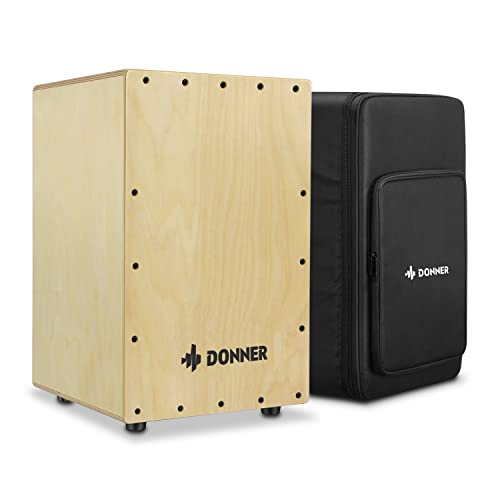
- PLEASANT RHYTHMIC - Donner Cajon Box Drum lets you enjoy a richer sound than other cajon drums. Its internal fixed guitar strings deliver a pleasant rhythmic sound for great acoustic enjoyment. It is...
- PORTABLE & PROTECTIVE BAG - Perfect for easy transport and safe storage. Made with top-quality 10mm padded nylon, incredibly useful for protecting your beat box while transporting. Take your drum...
The Donner Full Size Cajon Box Drum offers another compelling acoustic alternative, particularly for those seeking excellent value and classic cajon performance. Hand-crafted from birchwood, it promises a balanced and resonant acoustic tone, focusing on the fundamental qualities of a traditional cajon. While it lacks the electronic kits and built-in amplification of the Roland ELCajon Electronic Layered Cajon, it compensates with a straightforward, high-quality acoustic experience. Its inclusion of adjustable straps and a travel backpack enhances its portability, making it a strong contender for students or casual players who need an easy-to-transport instrument for jams or practice. For musicians who are not ready for a hybrid instrument or have a tighter budget, the Donner cajon provides a reliable, full-size acoustic foundation without any electronic frills, perfect for learning or straightforward accompaniment.
3. Pyle Full Size Cajon Wooden Percussion Box
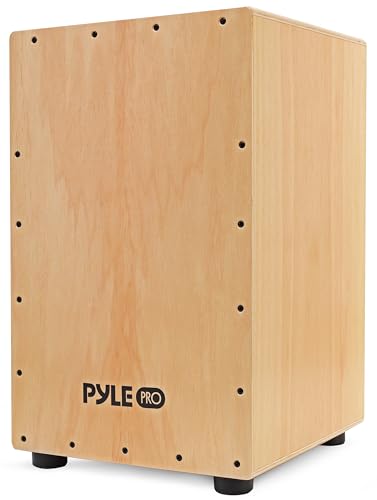
- PERFECT HANDCRAFT : Introducing Pyle string Jam Cajon, a perfect musical instrument that brings more life into your music An amazing hand crafted wooden panel box frame built in classic /traditional...
- ADJUSTABLE GUITAR STRINGS : Pyle string Jam Cajon is exquisitely engineered to allow musicians to totally express themselves, it features internal Adjustable guitar strings which provides a smooth...
The Pyle Cajon-Wooden Percussion Box represents a budget-friendly and traditional acoustic cajon option, designed for straightforward percussive play. Its full-size wooden construction and internal guitar strings provide that classic snare effect, delivering the essential bass and snare sounds expected from a standard cajon. In contrast to the Roland ELCajon Electronic Layered Cajon’s electronic layering capabilities, the Pyle model offers a simple, unadorned acoustic experience. It’s an excellent choice for beginners entering the world of cajon playing, or for musicians who need an inexpensive yet reliable acoustic instrument for practice or light performances. While it won’t offer the sonic versatility of electronic sounds or the integrated amplification, its simplicity, traditional design, and likely lower price point make it an accessible entry into percussion for many. It’s a no-nonsense instrument focused purely on acoustic sound production.
The Final Beat: Is the Roland ELCajon Electronic Layered Cajon the Right Rhythm Partner for You?
After extensive testing and weighing the chorus of user experiences, our final verdict on the Roland ELCajon Electronic Layered Cajon is clear: it is a truly innovative instrument that excels at its core mission of blending authentic acoustic cajon sounds with compelling electronic percussion. Its strengths lie in its high-quality acoustic tone, the expansive creative possibilities offered by its 30 electronic kits, and its exceptional portability thanks to battery power and an integrated speaker. It’s undeniably fun, inspiring, and capable of elevating a musician’s rhythmic output, making it a standout choice for those seeking to expand their sonic palette for gigs, studio work, or relaxed home practice.
However, it’s crucial to approach the Roland ELCajon Electronic Layered Cajon with realistic expectations. Its premium price point, coupled with some reported inconsistencies in trigger response and the less-than-powerful built-in speaker for larger venues, means it might not be the ideal fit for everyone. Purist acoustic players might find the electronic aspect superfluous, while seasoned electronic drummers might desire more nuanced trigger sensitivity. Ultimately, we wholeheartedly recommend the Roland ELCajon Electronic Layered Cajon for the experimental musician, the gigging percussionist needing versatility and portability, and anyone who wants to inject unique, layered rhythms into their music without the hassle of complex setups. If you’re ready to explore the exciting frontier where acoustic feel meets digital innovation, the Roland ELCajon Electronic Layered Cajon is an exceptional choice that will undoubtedly enrich your musical journey. Don’t wait to discover its full potential and add this unique instrument to your collection today.
Last update on 2026-09-18 / Affiliate links / Images from Amazon Product Advertising API