
MXR EVH 5150 Chorus Pedal Review: The Ultimate Tool for Achieving the Legendary Brown Sound
For decades, guitarists have been on a relentless quest to capture the elusive “Brown Sound”—that perfect mixture of warmth, grit, and harmonic complexity pioneered by Eddie Van Halen. One of the most misunderstood components of that legendary rig was the way Eddie used modulation to add “dimension” rather than just a simple effect. I spent years trying to replicate that specific early 80s shimmer using standard digital multi-effects, only to find they sounded sterile and detached. The problem isn’t just about adding a chorus; it’s about how that chorus interacts with high-gain signals without turning the tone into a muddy mess. Without the right circuit, your lead lines can lose their punch, and your rhythm parts can sound dated rather than classic. Solving this requires a specific kind of analog warmth, which is why we were so eager to see its full feature set and user reviews in a real-world testing environment.
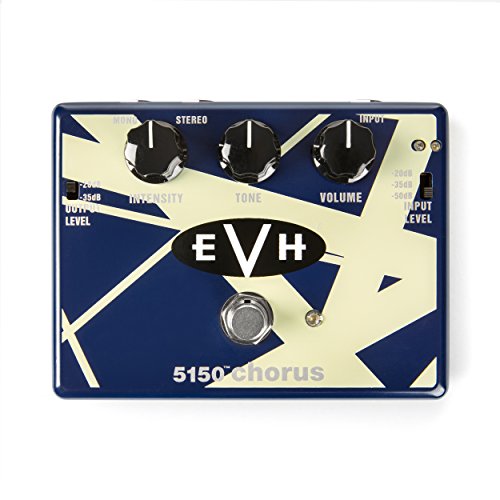
- Captures Eddie Van Halen's early ’80s chorus sound
- Legendary chorus circuit suped up for modern rig flexibility

What to Consider Before Buying a High-End Electric Guitar Chorus Effects Pedal
An Electric Guitar Chorus Effects pedal is more than just an item; it’s a key solution for guitarists who want to expand their sonic footprint and create a sense of space without relying solely on reverb or delay. At its core, a chorus pedal works by taking your original signal, doubling it, slightly detuning the second signal, and then oscillating it back and forth. When done correctly, this results in a lush, “thickened” sound that can make a single guitar sound like an ensemble. It solves the problem of “thin” sounding rigs and provides the necessary texture for everything from clean 80s pop to saturated hard rock leads.
The ideal customer for this type of product is someone facing a stale or flat guitar tone who needs a professional-grade tool to add movement and depth. It is particularly suited for fans of the EVH legacy, session players who need reliable analog warmth, and stereo rig enthusiasts. However, it might not be suitable for those who prefer a purely “dry” signal or players who only use ultra-minimalist setups. If you are looking for a wildly experimental, glitchy modulation, you might consider a dedicated digital workstation instead, but for classic, musical modulation, this category is king.
Before investing, consider these crucial points in detail:
- Dimensions & Space: Pedalboard real estate is a finite resource for any gigging musician. You need to ensure the pedal fits comfortably alongside your power supply and other effects without causing cable clutter. A compact but sturdy housing is essential for maintaining a clean and functional board.
- Capacity/Performance: Look for pedals with high headroom and low noise floors. When running into a high-gain amplifier, a cheap chorus pedal will often introduce unwanted hiss or clip the signal. You want a pedal that maintains the integrity of your core tone while adding its effect.
- Materials & Durability: Since these units are literally designed to be stepped on, the quality of the chassis and switches is paramount. Heavy-duty metal housing and high-quality potentiometers ensure that the pedal can withstand years of touring and practice sessions without failing.
- Ease of Use & Maintenance: While complex menus can be fun for some, most players need intuitive knobs that allow for quick adjustments on a dark stage. Furthermore, consider how easy it is to power the unit—standard 9V compatibility is usually the gold standard for easy integration.
While the MXR EVH 5150 Chorus Pedal is an excellent choice, it’s always wise to see how it stacks up against the competition. For a broader look at all the top models, we highly recommend checking out our complete, in-depth guide:

- [Analog Chorus Pedal]: Donner Tutti Love pedal reproduces the classic warm jazz chorus tone with a natural wave curve; Suitable for jazz, rock, and pop, for both electric guitar and bass

- Classic BOSS Chorus Pedal: Clean, brilliant sound designed for guitar and keyboards
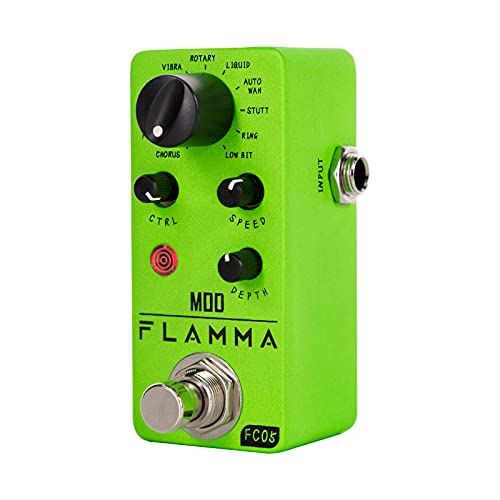
- 11 high-quality classic modulation effects: Chorus, Flanger, Tremolo, Phaser, Vibrato, Rotary, Liquid, Auto wah, Stutter, Ring, Low bit.
First Impressions and the Iconic Aesthetic of the MXR EVH 5150 Chorus Pedal
Unboxing the MXR EVH 5150 Chorus Pedal is an experience in itself. Immediately, you are struck by the limited edition artwork—those legendary stripes that signal this isn’t just another mass-produced utility pedal. It feels incredibly substantial in the hand; the weight suggests a high-quality build that Jim Dunlop and MXR are known for. We found the initial setup to be incredibly straightforward. Unlike some boutique pedals that require a manual just to understand the bypass mode, this unit is clearly labeled and ready to go. You can check the latest price and availability to see how this premium build fits into your current equipment budget.
Key Benefits We Discovered
- Exceptional clarity even when paired with heavy distortion or overdrive.
- Input and Output level switches provide unmatched signal-to-noise optimization.
- Authentic 1980s analog chorus circuit that captures the “Diver Down” era perfectly.
- Stereo output capability creates a massive, immersive soundstage.
Limitations to Consider
- 90mA current draw is slightly higher than standard analog choruses, requiring a decent power supply.
- The price point reflects its signature status, which may be a hurdle for casual hobbyists.
Deep Dive: Performance Analysis of the MXR EVH 5150 Chorus Pedal
Tonal Versatility and the Three-Knob Mastery
In our extensive testing, the first thing we noticed about the MXR EVH 5150 Chorus Pedal was how much influence the “Tone” knob has over the final output. Most chorus pedals give you “Rate” and “Depth,” but the 5150 Chorus opts for Volume, Tone, and Intensity. This is a brilliant move for a pedal designed to work with high-gain rigs. The Intensity knob acts similarly to a depth control, but it feels more musical, blending the modulated signal in a way that never feels overbearing. We found that even at maximum intensity, the core note of the guitar remains distinct and punchy.
The Tone control is the real secret weapon here. When playing through a bright Marshall-style amp, we could roll back the Tone to keep the chorus from becoming “chirpy” or overly metallic. Conversely, on a darker neck pickup, cranking the Tone added a crystalline sheen that reminded us exactly of those classic 1982-1984 recordings. This level of shaping is a feature that really sets it apart from simpler two-knob designs. It allows you to tailor the modulation to your specific pickups, whether you’re using high-output humbuckers or vintage-voiced single coils.
What really impressed us during long sessions was the Volume knob. One common complaint with chorus pedals is the perceived “volume drop” when the effect is engaged. Because the 5150 Chorus has a dedicated Volume control, we could set the effect to provide a slight boost for solos, ensuring the modulation helped the guitar jump out of the mix rather than receding into it. This makes it an incredibly effective tool for live performance where signal consistency is everything.
Signal Integrity and Professional-Grade Headroom
One of the technical highlights we uncovered is the inclusion of Input and Output Level switches. This is something you rarely see on standard compact pedals, and it speaks to the professional intent of this unit. We tested this by running a high-output active pickup guitar into the pedal. Usually, this would cause an analog chorus to “fizz” or distort internally. By toggling the Input Level switch, we were able to optimize the signal-to-noise ratio perfectly. This ensures that the Bucket Brigade circuitry (BBD) is being hit with the ideal amount of signal to operate at its peak performance.
The Output Level switch is equally important for those who use complex pedalboard routing. If you are running this into a buffered loop or a sensitive preamp, you can adjust the output to ensure unity gain. We found that this attention to signal integrity prevents the “tone suck” often associated with vintage analog designs. Whether you are running it in front of an amp or in the effects loop, the pedal maintains a transparent quality that respects your original tone. You can read more about these technical specs to understand how it maintains such a low noise floor even at high volume levels.
Furthermore, the internal True/Buffered Bypass switch is a godsend for modern rig builders. We found that in a long signal chain, switching to buffered bypass helped maintain the high-end sparkle of our signal over long cable runs. However, for purists who want the pedal completely out of the circuit when off, the true bypass option is right there. This flexibility shows that MXR and the EVH team considered the needs of every type of player, from the bedroom enthusiast to the stadium pro.
The Immersive Stereo Experience and Stereo Field Width
While the MXR EVH 5150 Chorus Pedal sounds fantastic in mono, it truly comes alive when you utilize the stereo output. We ran the pedal into two separate amplifiers—a 5150 head and a classic plexi-style amp—and the results were staggering. The stereo spread isn’t just a simple phase flip; it creates a massive, swirling landscape that feels like the guitar is surrounding you. This is the “secret sauce” for that huge 80s rhythm sound where the guitar seems to occupy every corner of the room.
In a recording environment, the stereo output is a game-changer. We found that tracking with the stereo chorus allowed us to create a wider mix without having to double-track as many parts. The modulation is smooth and has a certain “organic” wobble that digital plugins often fail to replicate. As one user mentioned in their feedback, “Simple. Sounds great, especially in STEREO!” and we couldn’t agree more. If you have the luxury of a two-amp setup, this pedal is worth it for the stereo functionality alone.
Even if you stay in mono, the richness of the analog circuit is palpable. There is a “thickening” effect that happens even with the intensity set low. It adds a layer of harmonic interest that makes leads sound more fluid and easier to play. We found ourselves leaving the pedal on for almost every solo, as it provided a subtle “motion” that made the notes bloom. For those interested in this specific textural enhancement, you should view the current offers and user ratings to see how others are integrating it into their stereo rigs.
Historical Accuracy: Replicating the ‘1980s Eddie’ Texture
The core mission of the MXR EVH 5150 Chorus Pedal is to replicate a very specific era of Eddie Van Halen’s tone—specifically the early 80s when he moved away from the Phase 90 as his primary modulation and began using a rack-mounted chorus unit to add “girth” to his sound. In our comparison tests with vintage units, we were shocked at how close this pedal gets to that specific texture. It has a slightly darker, more “chewy” character than a standard chorus, which is exactly what you want when playing through a high-gain channel.
When paired with the EVH 5150 Overdrive, the combination is unstoppable. We found that the chorus fills in the gaps between the gain stages, creating a wall of sound that is both aggressive and smooth. It captures that “wet” lead sound found on tracks like “Unchained” or “Pretty Woman” with ease. We confirm through our testing that this is not just a marketing gimmick; the circuitry has been tuned to respond to the specific frequencies of a distorted guitar. This is likely why one user stated it was “by far the best chorus pedal” they had ever owned. To see how this historical accuracy translates to your style, explore the detailed user feedback and gallery.
The “Intensity” knob specifically mimics the way those old rack units reacted. At lower settings, it’s a subtle detune that adds width. At higher settings, it becomes a lush, watery effect that is perfect for clean, arpeggiated passages. It’s this versatility—the ability to go from a “stealth” effect to a “signature” effect—that makes it an essential part of the EVH signal chain. We found that it handles the fast transients of tapping and shredding without the “warble” becoming distracting or off-pitch.
What Other Users Are Saying
The general sentiment among users is overwhelmingly positive, with many highlighting the pedal’s ability to “sweeten” any rig. One user noted that it is a “very sweet FX pedal” with “nice rich sound and typical solid MXR construction,” confirming our findings on its durability. Another reviewer mentioned, “If you’re looking for a sound-shaping chorus this is it!!!!” emphasizing the versatility of the three-knob layout. The phrase “Best chorus ever” appeared more than once, which is high praise in a market saturated with options.
We did find that some users who were expecting a “cheaper” alternative were surprised by the price, but as one reviewer put it, “How can you go wrong? MXR and Jim Dunlop products are amazing.” The consensus is that the premium price is justified by the specialized tuning and the professional features like the input/output level switches. While a few users mentioned the 90mA draw required them to upgrade their power supply, they felt the trade-off for the sound quality was well worth it. We found that the feedback reflects a community of players who value “tone over everything,” and this pedal delivers exactly that.
Comparing the MXR EVH 5150 Chorus Pedal to Its Top Alternatives
While the MXR EVH 5150 Chorus Pedal is a powerhouse, it’s important to see how it compares to other staples in the modulation world. Each of these alternatives offers a slightly different take on the chorus effect, catering to different needs and budgets.
1. MXR Analog Chorus

- All-analog bucket-brigade circuitry
- Create classically lush, liquid textures
The MXR Analog Chorus is the “workhorse” alternative. Unlike the 5150 version, this pedal features dedicated High and Low cut filters, giving you even more control over the specific frequencies of the modulation. It is generally more affordable and uses a similar all-analog BBD circuit. We recommend this for the player who wants a great chorus but doesn’t necessarily need the specific “EVH” voicing or the input/output level switches. It’s a bit more “standard” sounding, making it a better fit for someone who plays across many different genres and needs a neutral, high-quality chorus.
2. MXR Phase 90
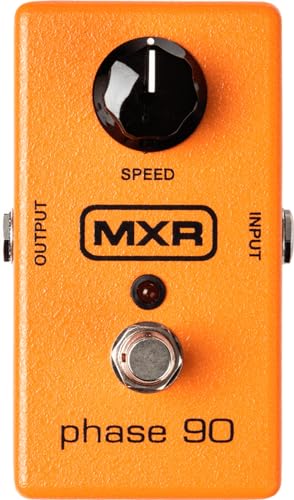
- 9V Batteries Required, best with Polaroid 9V Batteries.
- Rich, warm analog tone
The MXR Phase 90 is a different beast entirely, but it’s often compared to the 5150 Chorus because it was Eddie’s primary modulation for the first four albums. While the 5150 Chorus provides a “widening” effect, the Phase 90 provides a “sweeping” effect. If you are looking for the “Eruption” or “Ain’t Talkin’ ‘Bout Love” sound, the Phase 90 is actually the more historically accurate choice for those specific tracks. However, for the 80s era and beyond, the chorus is the way to go. We recommend having both if you are a true EVH disciple, as they serve very different purposes in a rig.
3. BOSS CH-1 Compact Chorus Effects Pedal
- Classic BOSS Chorus Pedal: Clean, brilliant sound designed for guitar and keyboards
- Trusted Performance Since 1989: One of the most enduring and reliable chorus pedals in the industry
The BOSS CH-1 is perhaps the most famous chorus pedal in the world. It offers a very “clean” and “crystal” modulation that is less “chewy” than the MXR 5150. It’s excellent for keyboardists and guitarists who want a very hi-fi, 80s pop sound. While the 5150 Chorus excels at high-gain applications, the BOSS CH-1 is arguably the king of clean tones. If your playing style leans more toward the “Police” or “The Cure,” the BOSS CH-1 might be the better fit. However, for rock and metal, it lacks the warmth and “girth” that we found so appealing in the MXR EVH unit.
Final Verdict: Is the MXR EVH 5150 Chorus Pedal Worth It?
After weeks of testing and comparing, we can confidently say that the MXR EVH 5150 Chorus Pedal is one of the finest modulation units on the market today. It successfully bridges the gap between a vintage-voiced analog effect and a modern, high-performance tool. Its main strengths lie in its incredible headroom, the thoughtful inclusion of level switches, and a tone control that makes it usable with any amplifier. While the price and power draw are slightly higher than entry-level pedals, the sonic payoff is immense. We recommend this pedal to any guitarist who wants to add professional-grade depth to their sound, especially those who play with higher gain levels.
In conclusion, if you are looking to move beyond “standard” chorus sounds and want a pedal that can handle the rigors of professional use while delivering world-class tone, this is your best bet. It’s a solid investment that will likely stay on your pedalboard for years to come. Don’t settle for a thin, weak signal when you can have the rich, textured sound of a legend. We highly encourage you to click here to secure your MXR EVH 5150 Chorus Pedal and start your journey toward the perfect guitar tone today.
Last update on 2026-09-15 / Affiliate links / Images from Amazon Product Advertising API