
Tascam Model 24 Multi-Track Live Recording Console Review: The Analog Soul in a Digital World
For years, I found myself trapped in a creative paradox. On one hand, the endless flexibility of a Digital Audio Workstation (DAW) offered infinite tracks and surgical editing. On the other, the sterile experience of staring at a computer screen and clicking a mouse often sucked the life out of my sessions. I missed the tactile response of a real fader, the immediate sweep of a physical EQ knob, and the ability to record a full band without a single “buffer size” error interrupting the flow. This is where many of us find ourselves—searching for a way to capture the energy of a live performance without losing the professional Polish of a modern studio. We need a solution that bridges the gap between the vintage workflow of a cassette 4-track and the high-fidelity power of a 24-bit interface. Failing to find this balance often leads to “analysis paralysis” or, worse, technical failures that kill the vibe during a crucial recording session. This is why I turned to the Tascam Model 24 Multi-Track Live Recording Console to see if it truly is the “all-in-one” solution it claims to be.
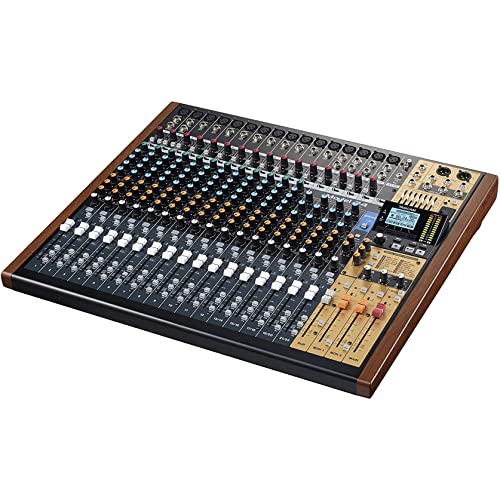
- A full set of familiar EQ and Auxiliary knobs remove the need to menu dive, and all inputs/outputs are all on the surface for easy access
- Features 16 high-grade TASCAM mic preamps and multiple stereo line inputs for studio-quality audio performance right out of the box
What to Consider Before Investing in a Digital Multitrack Recorder
A Digital Multitrack Recorder is more than just an item; it’s a key solution for capturing the raw essence of music without the friction of complex computer setups. In an era where “latency” and “software updates” can derail a rehearsal, these consoles offer a dedicated, stable environment. They solve the problem of portability for live bands who want to record every show and provide a physical workspace for home studio owners who prefer hands-on mixing. The main benefit is the integration—having a mixer, a recorder, and an audio interface in a single chassis simplifies your signal chain and reduces the potential for cable failure or configuration errors.
The ideal customer for this type of product is a band looking to record their live gigs with ease, a podcaster requiring multiple inputs with a professional “radio” feel, or a home producer who wants to get away from the computer screen. It’s perfect for those who grew up on analog desks but want the convenience of SD card recording. However, it might not be suitable for those who require deep MIDI integration, extensive plugin hosting within the hardware, or those who work exclusively with virtual instruments. If you only record one vocal track at a time, a 24-channel behemoth like this might be overkill, and a smaller interface would suffice.
Before investing, consider these crucial points in detail:
- Dimensions & Space: Recording consoles of this caliber are substantial. You need to ensure your studio desk or live rack can accommodate the physical footprint of a 24-channel board. It’s not just about the width; consider the depth needed for cable management and the height for comfortable fader access.
- Capacity/Performance: Look closely at the track count versus the physical input count. Some recorders might claim 24 tracks but only offer a fraction of those as XLR inputs. Ensure the bit depth and sample rate (like the 48 KHz found here) meet your professional standards for high-fidelity audio.
- Materials & Durability: Since these units often travel to gigs, the build quality is paramount. Check if the faders feel smooth or “scratchy,” and ensure the chassis is made of rigid materials that can withstand the rigors of the road. High-quality knobs and connectors are the difference between a tool that lasts decades and one that fails after a year.
- Ease of Use & Maintenance: The menu system should be intuitive. If you have to dig through five sub-menus just to arm a track, you’ll lose your creative spark. Additionally, consider the storage medium; using standard SD cards is generally more reliable and easier to maintain than proprietary internal drives.
While the Tascam Model 24 Multi-Track Live Recording Console is an excellent choice, it’s always wise to see how it stacks up against the competition. For a broader look at all the top models, we highly recommend checking out our complete, in-depth guide:

- CAPTURE BIGGER PROJECTS WITH CONFIDENCE – Record music, interviews, podcasts, video audio, and live performances with a 4-track recorder that helps you capture more of the moment without worrying...
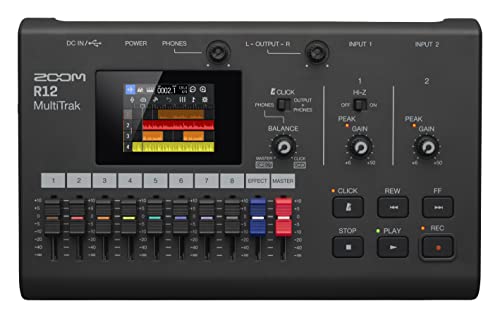
- EIGHT TRACKS WITH A TOUCHSCREEN – Records up to 8 tracks with two XLR/TRS inputs, a full-color LCD touchscreen, and DAW-style editing tools for cutting, copying, looping, and mixing without a...

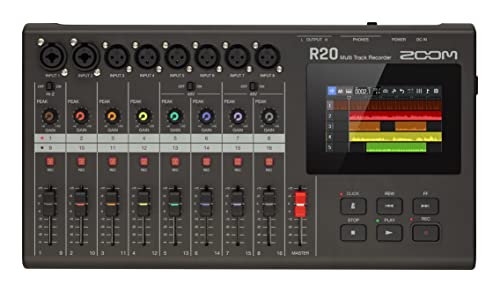
- RECORD WITHOUT A COMPUTER – DAW-style touchscreen interface lets you record, edit, and mix directly on the device with an intuitive, hands-on workflow
First Impressions: Unboxing the Tascam Model 24 Multi-Track Live Recording Console
When the Tascam Model 24 Multi-Track Live Recording Console first arrived at our studio, the sheer presence of the unit was the first thing that struck us. Unlike modern, sleek, “button-less” interfaces, this looks like a classic recording desk. The faux-wood side panels give it a timeless aesthetic that immediately makes you want to start seeing its full feature set and user reviews for yourself. Unboxing it revealed a heavy, professional-grade piece of equipment. It weighs in at about 10 kilograms, which gives it a reassuring “tank-like” feel, though it’s still portable enough for a gig bag.
Setting it up was remarkably straightforward. Within ten minutes, I had the power cord connected, a set of monitors plugged into the XLR outputs, and a microphone in Channel 1. There is no software to install if you are just using it as a standalone recorder, which is a massive plus for those who hate troubleshooting drivers. Comparing it to previous Tascam models or market leaders in the digital mixer space, the Model 24 feels much more “analog-forward.” The physical layout is 1-to-1; what you see on the channel strip is exactly what is happening in the signal path. It’s a refreshing departure from the “hidden layers” found on many digital consoles.
Key Benefits We Discovered
- Incredibly intuitive workflow that mimics classic 4-track cassette recorders.
- True multi-functionality: it’s a mixer, an SD recorder, and a 22-in/24-out USB interface.
- Warm, high-quality preamps that provide a professional sound without the need for external gear.
- The ability to record every live gig track-by-track without needing a laptop on stage.
Drawbacks and Limitations
- Windows driver setup can be finicky for some PC users, requiring specific configuration.
- The screen is somewhat small and, according to some users, can be a potential point of hardware failure.
Deep Dive: Putting the Tascam Model 24 Multi-Track Live Recording Console to the Test
The Hybrid Workflow: Standalone Recording Meets DAW Integration
In our extensive testing, the standout feature of the Tascam Model 24 Multi-Track Live Recording Console is its three-way workflow. You can use it as a standard analog mixer for your band’s rehearsal, record all 24 tracks directly to an SD card as WAV files, or plug it into your computer via USB to use it as a massive audio interface. When we used it as a standalone recorder, the experience was incredibly liberating. There is a certain magic to hitting a physical “Record” button and seeing the LEDs dance without worrying about a computer crashing. We found that the SD card recording is rock-solid. You can check the latest price and availability to see why this is such a sought-after feature for live engineers.
We found that the file structure on the SD card is clean and easy to import into any DAW later. This “record now, mix later” approach is perfect for capturing live energy. However, it’s worth noting that when using it as a USB interface, some users have reported challenges with Windows 10 configurations. In our studio, we had to ensure we were using the latest Tascam drivers to avoid signal issues. Once configured, having 22 inputs available in your DAW allows for incredibly complex recording setups, from full drum kits to entire orchestras, all flowing through the Model 24’s pleasant-sounding preamps.
The Tactile Mixing Experience: Preamps, EQ, and Faders
Recording is only half the battle; mixing is where the Tascam Model 24 Multi-Track Live Recording Console truly shines. Each of the 12 mono and 4 mono/stereo channels features a dedicated 100mm long-throw fader. These faders feel smooth and provide the kind of precise control that a mouse simply can’t replicate. During our mixdown sessions, we appreciated the 3-band EQ with a sweepable mid-frequency on the mono channels. This is a feature that really sets it apart from smaller, more “budget” consoles. It allows for surgical carving of your sound right on the board.
The preamps themselves are surprisingly quiet and transparent. They don’t color the sound excessively, which is exactly what you want when you’re looking for a faithful reproduction of your instruments. We pushed the gain on several tracks to see where the “hiss” would start, and we were impressed by the headroom available. The inclusion of a simple one-knob compressor on the first 12 channels is another stroke of genius. It’s perfect for taming a dynamic vocalist or adding a bit of punch to a snare drum without needing to menu-dive. It’s these small, thoughtful analog touches that make the Model 24 feel like a “real” instrument rather than just a piece of tech gear.
Live Performance and Routing Versatility
Taking the Tascam Model 24 Multi-Track Live Recording Console into a live environment is where you truly appreciate its design. It features multiple monitor outs (Mon 1 and Mon 2) and an FX send, allowing you to create custom monitor mixes for your band members while still using the onboard digital effects for the front-of-house mix. The built-in effects—reverbs, delays, and choruses—are high-quality and very usable. We particularly liked the “Hall” reverb for adding space to vocals in a dry room. You can easily view the technical specs and routing options to understand how flexible this board really is.
One detail we confirmed through both our testing and user feedback is the “Main Mix” recording capability. Not only can you record individual tracks, but you can also record your final stereo mixdown directly back onto the SD card. This means you can finish a song, mix it on the faders, and have a mastered-ready WAV file without ever touching a computer. This “old-school” approach is addictive. However, we must address the concerns raised by some users regarding the screen and build longevity. While our unit performed flawlessly, we recommend handling the faders with care during transport, as they are the most exposed part of the console. Using a dedicated flight case is a wise move for any touring musician.
Technical Connectivity and Compatibility Realities
The Tascam Model 24 Multi-Track Live Recording Console offers a wide array of connectivity, including XLR and 1/4″ TRS inputs, as well as a dedicated Bluetooth channel. The Bluetooth integration is a lifesaver for playing backing tracks or walk-in music at a gig directly from a smartphone. We tested the range and found it to be stable within about 10 meters. For those looking for a robust studio centerpiece, the 24-track playback capability means you can play along to pre-recorded tracks during a live set, effectively turning the console into a high-end backing track machine. This is an essential feature for modern solo performers and bands alike.
However, we must mention the technical hurdles some users face. We found that the PC interface mode requires a modern system with ample RAM to handle 24 simultaneous streams of 48KHz audio. Some users have reported “device errors” or blank screens after several months of use. While these instances seem to be in the minority, they highlight the importance of purchasing from a reputable source with a good warranty. In our experience, the Tascam’s reliability is on par with other major brands in this price bracket, but like any sophisticated piece of digital/analog hybrid gear, it deserves a stable power source and a clean environment. If you treat it like a professional console, it performs like one.
What Other Users Are Saying
The general sentiment among users is overwhelmingly positive, especially regarding the unit’s ease of use. One user compared it to the “old 4-track cassette” days, praising how it simplifies the recording process. This echoes our finding that the Model 24 removes the technical barriers between an idea and a recording. Another user highlighted the “excellent value” for the number of channels and features provided, making it a “no-brainer” for budget-conscious studios. You can read more user testimonials here to see the wide range of applications people have found for this console.
On the flip side, some users have encountered significant hurdles. One reviewer mentioned being unable to set up the unit as an interface with Windows 10 despite following all tutorials. This is a crucial point: if your primary goal is USB interfacing with a PC, be prepared for some potential driver troubleshooting. Another user reported a “device error” after four months of use, where the screen went blank and stayed that way. These reports are a reminder that while the Model 24 is a powerhouse, quality control can occasionally vary, and shipping damage—like bent faders—can occur if the unit isn’t handled properly before it reaches your door. We found these critiques to be valid “edge cases” that prospective buyers should keep in mind.
Comparing the Tascam Model 24 Multi-Track Live Recording Console to Its Top Alternatives
To help you make the best decision, let’s look at how the Model 24 compares to other popular options in the digital multitrack world.
1. TASCAM DP-008EX 8-Track Digital Multitrack Recorder
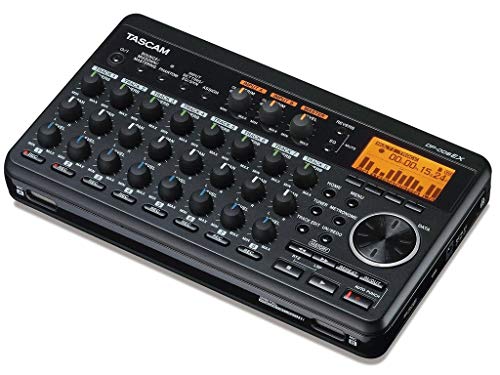
- Item Package Dimension: 12.51L x 9.68W x 6.76H inches
- Item Package Weight - 2.44 Pounds
If the Model 24 is a full-sized sedan, the DP-008EX is a pocket-sized scooter. This alternative is designed for the songwriter on the move. It offers 8 tracks and built-in microphones, making it incredibly portable and battery-operated. While it lacks the 24-channel mixing desk and the high-end preamps of its larger sibling, it’s the perfect choice for someone who wants to record acoustic guitar and vocals in a park or a hotel room. You would choose this if portability is your absolute priority and you don’t need to record a full live band. It provides that same “no-DAW” simplicity but in a much smaller, more affordable package.
2. Zoom H8 Digital Multitrack Recorder

- ONE RECORDER THAT ADAPTS TO YOUR WORKFLOW – The Zoom H8 is built for creators who switch between setups, with dedicated modes for field recording, music, and multi-person recording.
- TEN TRACKS FROM FOUR XLR INPUTS AND TWO COMBOS – Capture up to 10 individual tracks plus a stereo mix using 4 XLR inputs and 2 combo jacks for microphones, instruments, and more.
The Zoom H8 is a different beast entirely. It’s a handheld recorder that uses an innovative “app-based” touchscreen system to switch between podcasting, music, and field recording modes. With its modular capsule system, it is much more versatile for sound designers and field recordists than the Model 24. However, it doesn’t offer the tactile fader-per-channel mixing experience that the Tascam provides. The Zoom H8 is better for someone who needs a “Swiss Army Knife” for various audio tasks, whereas the Model 24 is for the purist who wants a traditional console experience with modern recording capabilities.
3. Zoom L-8 Digital Podcast Mixer/Recorder

- EIGHT CHANNELS FOR BANDS AND PODCASTERS – Captures 12 tracks simultaneously at 24-bit/96kHz directly to SD card, delivering professional-quality audio for podcasts, live performances, and studio...
- SIX PREAMPS WITH -121DBU NOISE FLOOR – Features a -121dBu noise floor with up to +54dB of gain, 3-band EQ, and onboard effects on every channel for clean, versatile signal handling across your...
The Zoom L-8 is aimed squarely at podcasters and small ensembles. It features sound pads for triggering jingles and is much lighter than the Model 24. While it offers multitrack recording to SD and can function as an interface, it feels more “plastic” and “digital” compared to the Tascam’s sturdy, analog-inspired build. The L-8 is an excellent choice if you are primarily a podcaster who occasionally records music. But if you are a serious musician or a live sound engineer who needs more than 8 channels and a professional channel strip, the Tascam Model 24 remains the superior choice for its depth and audio quality.
The Final Verdict: Is the Tascam Model 24 Multi-Track Live Recording Console for You?
After weeks of testing and comparing it with both user feedback and industry alternatives, the Tascam Model 24 Multi-Track Live Recording Console stands out as a unique and powerful tool. It successfully marries the warmth and tactile satisfaction of an analog board with the clean, efficient power of a digital recorder. Its greatest strengths lie in its “no-fuss” standalone recording, its generous 24-track count, and a physical layout that makes mixing feel like an art form again. While there are some concerns regarding Windows driver compatibility and long-term screen durability, these are manageable hurdles for most users who prioritize workflow and sound quality.
We recommend this console to any band that wants to capture their live sound without the headache of a computer, and to home producers who are tired of “mouse-mixing” and want to bring some soul back into their studio. It is a robust, versatile, and inspiring piece of gear that has earned its place as a modern classic. If you’re ready to transform your recording process and get back to the music, we highly suggest you grab the Tascam Model 24 Multi-Track Live Recording Console today and start creating.
Last update on 2026-09-14 / Affiliate links / Images from Amazon Product Advertising API