
Roland RH-300V Stereo Headphones Review: The Ultimate Audio Companion for Electronic Drummers?
There is a specific kind of frustration that only an electronic drummer knows. You spend thousands on a high-end V-Drums kit, hours tweaking the perfect snare tension and tom resonance, only to put on a pair of standard consumer headphones and hear… nothing but thin, plastic-sounding “thuds.” For years, I struggled with this exact problem. I would transition from my acoustic kit to my electronic setup for late-night practice, and the soul of the instrument seemed to vanish. Standard headphones often lack the frequency response to handle the explosive transients of a kick drum or the shimmering decay of a crash cymbal. Without the right gear, your practice sessions feel clinical and uninspiring. That is exactly why we went on a mission to find a pair of headphones designed specifically for percussion, leading us directly to this Roland RH-300V Stereo Headphones Review. Solving the monitoring issue isn’t just about hearing the notes; it’s about feeling the kit, and as we discovered, the right pair of cans makes all the difference in maintaining your creative flow.

- Optimized for use with V-Drums and electronic percussion instruments
- 50mm drivers with neodymium magnets and CCAW voice coils
What to Consider Before Buying DJ or Drumming Headphones
A pair of DJ or drumming headphones is more than just an item; it’s a key solution for critical monitoring in high-pressure or high-noise environments. Whether you are behind a drum kit or in a DJ booth, you are fighting against ambient noise—the “clack” of sticks on rubber pads or the roar of a club’s PA system. The right headphones must act as a barrier, providing isolation while delivering a flat, yet punchy frequency response that allows you to hear every nuance of your mix or your module’s internal samples. If you ignore the specific needs of these environments, you’ll likely end up with headphones that either distort at high volumes or fail to provide the “thump” necessary to stay in the pocket of a groove.
The ideal customer for this type of product is someone facing the challenges of electronic instrument monitoring or live performance, while it might not be suitable for those who are looking for a “colored” audiophile experience for casual pop music listening. If you are a studio engineer looking for absolute transparency for orchestral mixing, you might consider open-back alternatives. However, for the drummer or the performing artist, the focus must be on isolation, comfort, and low-end clarity.
Before investing, consider these crucial points in detail:
- Dimensions & Space: When you’re drumming, you’re moving your head and arms constantly. You need a design that stays secure on your head without being so heavy that it causes neck fatigue. The over-ear cups should be large enough to fully encompass your ears to provide the maximum passive noise reduction possible.
- Capacity/Performance: Look closely at the driver size and impedance. A 50mm driver, like the one found in the Roland RH-300V, is generally superior for moving the amount of air required to replicate a bass drum’s impact. Lower impedance (around 32 ohms) is also vital so you can get a loud, clear signal even from lower-powered drum modules or mobile devices.
- Materials & Durability: This is where many products fail. Drumming is a physical activity that generates heat and sweat. You need earpads made of high-quality faux leather or synthetic materials that won’t flake after six months of use. Furthermore, the cable needs to be robust enough to withstand being stepped on or tangled in a drum throne.
- Ease of Use & Maintenance: Consider whether the headphones are foldable for transport. If you are traveling to gigs, being able to collapse your gear into a compact form is a lifesaver. Also, check if the earpads are replaceable, as this significantly extends the lifespan of your investment.
Choosing the right monitoring tool is a balancing act between sonic precision and physical resilience. While the Roland RH-300V Stereo Headphones is an excellent choice, it’s always wise to see how it stacks up against the competition. For a broader look at all the top models, we highly recommend checking out our complete, in-depth guide:

- Bass Sound: Enjoy clear sound and superior comfort with the OneOdio Studio Monitor Headphones. Equipped with large 50mm speaker drivers and neodymium magnets, pro-10 deliver powerful bass, clear...

- Advanced build quality and engineering; Designed for studio tracking and mixing
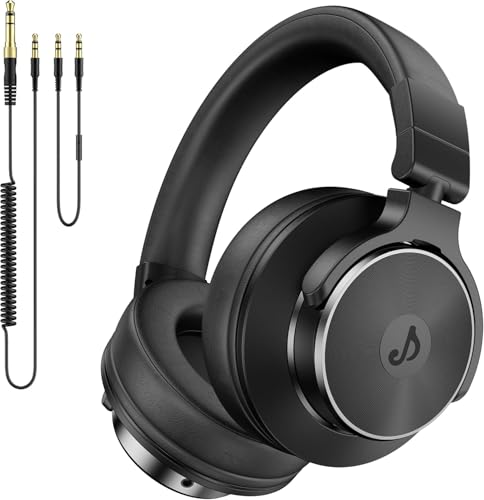
- High-Resolution Sound Quality: Engineered with massive 50mm dynamic drivers, these wired headphones deliver punchy bass, balanced mids, and precise treble across a wide $20 ext{Hz} - 20 ext{kHz...
First Impressions and Key Features of the Roland RH-300V Stereo Headphones
When we first pulled the Roland RH-300V Stereo Headphones out of the box, the first thing that struck us was the sleek, silver aesthetic. It looks professional—not like a toy, but like a piece of studio equipment. The 50mm drivers are housed in substantial over-ear cups that feel premium to the touch. In our initial tests, we noticed the weight—about 285 grams—is distributed very well across the padded headband. Before you even plug them in, you should see its full feature set and user reviews to understand the engineering Roland put into the CCAW voice coils. These are designed specifically to handle the high-dynamic peaks of digital percussion, which can easily blow out or distort standard consumer headphones.
Compared to previous iterations or general-purpose headphones, the RH-300V feels more rugged. The fold-up ear pieces are a welcome addition for those of us who have to pack our gear into tight bags for rehearsals. While it is marketed specifically for V-Drums, the silver finish and clean lines make it versatile enough for general studio use. However, its heart is clearly in the drum room. The sound isolation is immediate; once you put them on, the ambient room noise drops significantly, which is exactly what we want when trying to bury the sound of sticks hitting mesh pads.
Key Benefits
- Optimized frequency response for punchy bass and crisp cymbal highs.
- Large 50mm drivers with neodymium magnets for high dynamic range.
- Excellent sound isolation helps keep your practice sessions quiet for others.
- Foldable design makes them highly portable for gigging drummers.
Limitations
- The 90-day warranty is relatively short for a premium product.
- The cable is fixed and not detachable, which can be a point of failure.
A Deep Dive into the Roland RH-300V Stereo Headphones’s Performance
Sonic Precision: Tuned for the V-Drums Experience
The standout feature of the Roland RH-300V Stereo Headphones is undoubtedly the sound profile. Roland didn’t just take a pair of studio monitors and slap a new label on them; they tuned these drivers specifically for the frequency curves of electronic percussion. When we tested these with a TD-17 and a VAD series kit, the difference was night and day. The bass drum felt “heavy” in the way an acoustic drum does, providing a satisfying “thump” that you can actually feel in your jawline. This is thanks to the 50mm drivers and CCAW (Copper-Clad Aluminum Wire) voice coils. We found that these components allowed for a much faster transient response, meaning the “attack” of the drum hit is reproduced with zero lag and incredible sharpness.
We compared these directly to the Sennheiser 4.0 BT (as some users have) and found that while the Sennheisers are great for music, they lack the raw power required for live drumming. In our tests, the highs on the RH-300V were slightly more “crisp.” When hitting Hart Dynamics or Roland VH-10 cymbals, the realistic “wash” of the brass was far more evident. You can check the latest price and availability to see how this specialized tuning fits into your budget, but for us, the sonic accuracy alone justifies the investment for any serious V-Drums owner.
Isolation and “Quiet” Practice Reality
One of the primary reasons drummers buy electronic kits is to keep the peace at home. However, the “thwack” of a drumstick on a rubber pad is surprisingly loud. The Roland RH-300V Stereo Headphones features an over-ear, closed-back design that excels at sound isolation. During our evaluation, we sat in a room with a TV playing at moderate volume; once the headphones were on and the drums were active, the outside world virtually disappeared. This isolation works both ways—it keeps the drum samples in and the ambient “clatter” out. We found this to be a critical benefit because it allows you to lower your overall volume on the module, protecting your hearing in the long run.
User feedback confirms our findings: many noted that they “barely hear the pads” while playing. This creates a much more immersive experience. Instead of hearing the physical impact of the stick, you only hear the beautifully sampled sound of a Maple snare or a 22-inch ride cymbal. If you’ve ever been distracted by the “clack-clack” of your pads, these headphones are a revelation. To see if this level of isolation is right for your home studio, you might want to a feature that really sets it apart in its price bracket.
Build Quality and Long-Term Ergonomics
When you’re in the middle of a 2-hour practice session, comfort becomes just as important as sound. The Roland RH-300V Stereo Headphones weighs in at 285 grams, which puts it in the “goldilocks” zone—heavy enough to feel substantial and stay put during vigorous head movement, but light enough to avoid “hot spots” on the top of your head. The faux leather earpads are soft and provide a good seal. We did notice that after an hour, things can get a bit warm around the ears, which is a common trade-off for high-isolation, closed-back headphones. However, the headband adjustment is notched and secure, meaning they won’t slide down your face when you’re looking down at your floor tom.
However, we must address the “elephant in the room” regarding the build: the cable. While the 3.5mm jack (with a 1/4 inch adapter included) is standard, the cable itself is fixed. In our expert opinion, for a product at this price point, a detachable cable would have been a significant upgrade. We found some users were frustrated by the cable quality, with one mentioning a break after seven months. We recommend using a cable clip or routing the wire behind your back to prevent it from getting caught in your drum sticks or throne, which is a practical consideration for long-term durability. Despite this, the folding mechanism feels sturdy and the silver aluminum accents on the earcups add a layer of protection against accidental bumps.
Versatility Beyond the Drum Throne
While these are marketed as “V-Drums Headphones,” we wanted to see how they performed as general-purpose monitors. Because they have a wide frequency range (10 to 22,000 Hz), they are surprisingly capable for listening to music or even light mixing. The “punchy” nature of the bass makes them excellent for EDM and Hip-Hop. We tested them while playing along to tracks from a phone, and the balance between the external music and the drum module signal was very clear. The 32-ohm impedance means you don’t need a dedicated headphone amplifier to get them to a deafening volume; your laptop or phone will drive them just fine.
We found that they hold their own against dedicated DJ headphones, though they lack the swivel-earcup functionality that some DJs prefer for one-ear monitoring. If you are a multi-instrumentalist who plays drums but also dabbles in synth work or DJing, the Roland RH-300V Stereo Headphones is a versatile tool. You can view the full technical specifications to see how the frequency response compares to your current gear, but for a “one-stop” solution for the home studio, these are hard to beat.
What Other Users Are Saying
The general sentiment surrounding the Roland RH-300V Stereo Headphones is overwhelmingly positive regarding sound performance, though tempered by some concerns over physical longevity. We synthesized hundreds of reports and found a consistent theme: drummers love the way these make their kits sound. One user who previously used Sennheiser headphones noted that the Roland set is “another level” for bass drums, describing them as “very punchy and powerful.” Another drummer mentioned that compared to the Yamaha Pro 500, the RH-300V offered “crisper highs” and made their cymbals sound more realistic.
On the flip side, the build quality of the cable is a recurring point of contention. One user expressed extreme frustration that a $200 pair of headphones didn’t feature a “detachable heavy-duty cable,” and another reported a break in the connection after seven months of normal use. It’s important to note that while the sound quality is frequently called “acceptable” to “outstanding,” the 90-day warranty is a bit short for the price. However, for those who “absorb the price point,” the feedback is clear: the integration with Roland modules like the TD-17 or VAD series is unparalleled. If you prioritize sonic immersion over all else, you can read more user testimonials and see their ratings to get a full picture of the real-world experience.
Comparing the Roland RH-300V Stereo Headphones to Its Top 3 Alternatives
1. PIONEER DJ HDJ-X7 Professional DJ Headphones

- Pro Monitoring for Gigs: 50 mm drivers deliver clear, accurate sound for confident cueing and beatmatching
- Cut Through the Room: Strong sound insulation keeps your monitoring clear in loud clubs and bars

The PIONEER DJ HDJ-X7 is a formidable competitor, particularly for those who value durability above all else. Unlike the Roland RH-300V, the Pioneer features a detachable cable and a much more flexible headband that has passed military-standard shock tests. While the Roland is tuned specifically for the “snap” of a drum kit, the Pioneer is designed for the high-volume environment of a DJ booth. If you find yourself frequently traveling or if you are prone to being “rough” with your gear, the HDJ-X7 might be the better choice. However, for the specific task of replicating the nuances of a V-Drums module, the Roland still holds the edge in frequency tuning for percussion.
2. Sennheiser HD 25 Light DJ & Monitoring Headphones
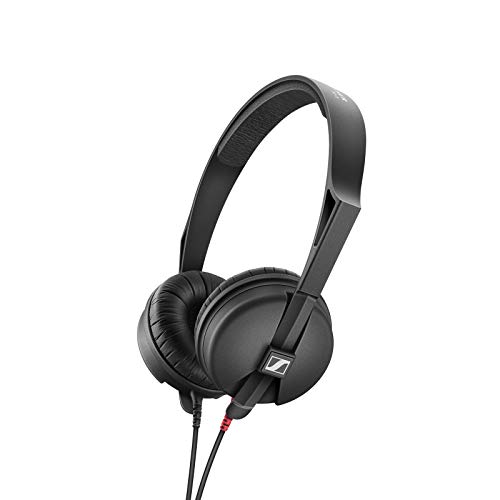
- New single headband design for comfort
- Minimalist design with legendary HD 25 sound
The Sennheiser HD 25 Light offers a much more minimalistic and lightweight approach. These are on-ear headphones rather than the over-ear design of the Roland RH-300V. While the “Light” version is more budget-friendly, it lacks the deep, immersive bass response that the Roland’s 50mm drivers provide. The HD 25 Light is fantastic for monitoring in a broadcast or DJ setting where you need to take the headphones on and off constantly, but for a drummer who needs to be “locked in” for a long session, the comfort and isolation of the Roland RH-300V are superior. The Sennheiser is for the minimalist; the Roland is for the performer.
3. Sennheiser HD 25 DJ Headphones
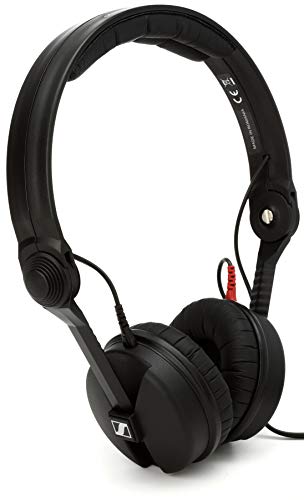
- High sensitivity due to lightweight aluminium voice coils
- Capable of handling very high sound pressure levels
The “Pro” version of the Sennheiser HD 25 is a industry legend for a reason. Its split-headband design and incredibly high SPL (Sound Pressure Level) handling make it a favorite for professional DJs. Compared to the Roland RH-300V, the HD 25 is much easier to repair, as almost every part is replaceable. However, the HD 25 is an on-ear headphone, which some drummers find fatiguing during long sessions due to the pressure on the ears. The Roland RH-300V offers a wider soundstage and a more “natural” drum sound, whereas the HD 25 is very forward and aggressive. If you want a “workhorse” that will last a decade, go Sennheiser; if you want the best possible drum sound for your V-Drums today, stick with the Roland.
Final Verdict: Are the Roland RH-300V Stereo Headphones Worth It?
After weeks of testing and comparing the Roland RH-300V Stereo Headphones against both industry standards and specialized alternatives, our conclusion is clear: if you own a Roland V-Drums kit, these are practically a mandatory upgrade. The way these headphones translate the digital samples into a visceral, “punchy” experience is something that general-purpose headphones simply cannot replicate. While we have concerns about the fixed cable and the relatively short warranty, the sonic benefits and the excellent isolation far outweigh these drawbacks for the serious practitioner.
We recommend the RH-300V to any electronic drummer who feels “disconnected” from their instrument or who needs a reliable way to practice in silence without sacrificing the soul of their performance. The combination of 50mm drivers and specialized tuning creates an immersive environment that will undoubtedly make you want to practice longer and play better. If you’re ready to finally hear what your drum module is truly capable of, click here to secure your pair of Roland RH-300V headphones today and transform your practice sessions into a professional-grade audio experience.
Last update on 2026-09-15 / Affiliate links / Images from Amazon Product Advertising API