
Pioneer DJ HDJ-X5 Professional DJ Headphones Review: A Pro-Grade Entry with a Plastic Problem?
Step into any DJ booth, and you are immediately met with a wall of sound. Between the massive front-of-house speakers and the local booth monitors, the environment is sonic chaos. For any performer, the ability to isolate the next track and hear the nuances of a beat-match is the difference between a seamless transition and a “train wreck.” We have all been there: you are halfway through a set, the energy is peaking, and suddenly you realize your headphones can’t cut through the room noise, or worse, the plastic hinge snaps right when you need to cue up the drop. This frustration led us to scrutinize the Pioneer DJ HDJ-X5 Professional DJ Headphones. Finding a pair of cans that balances professional audio fidelity with the ruggedness required for life on the road is a monumental task. If your gear fails, your performance suffers, and in the professional world, your reputation is only as good as your last set. Choosing the wrong pair doesn’t just cost money; it costs confidence behind the decks.
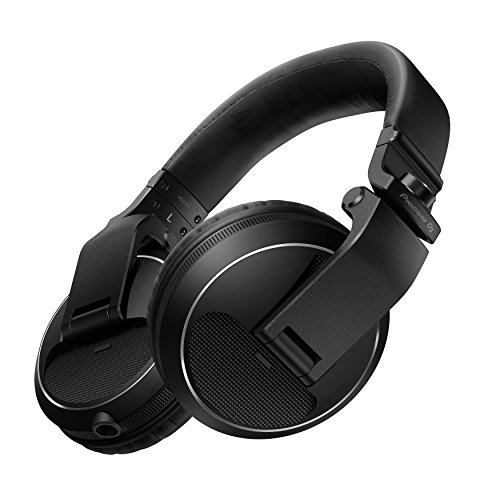
- Reliable DJ Monitoring: 40 mm drivers give clear, accurate sound so beginners can cue and beatmatch with confidence
- Clear in the Booth: Good sound insulation keeps your monitoring clean in loud rooms

What to Consider Before Buying Professional DJ Headphones
A pair of DJ headphones is more than just an item; it’s a key solution for real-time critical listening in high-pressure environments. Unlike studio headphones, which are designed for a flat, analytical response in a quiet room, DJ headphones need to provide high output, excellent isolation, and the ability to withstand physical abuse. They solve the problem of “audio bleed” and provide the tactile feedback a DJ needs to feel the rhythm through the earcups. The Pioneer DJ HDJ-X5 Professional DJ Headphones are positioned as an entry-to-mid-level solution that promises pro-level features without the flagship price tag.
The ideal customer for this type of product is an aspiring DJ or a working professional who needs a reliable secondary pair for travel. It is a fantastic choice for those who value the Pioneer DJ ecosystem and want a sound signature that mirrors what they hear on club-standard gear. However, it might not be suitable for those who are extremely rough on their equipment or mobile DJs who frequently pack their gear into overstuffed backpacks without a hard shell case. If you require absolute “tank-like” metal construction, you might want to look at higher-tier models or specific competitors known for modularity.
Before investing, consider these crucial points in detail:
- Isolation and Sound Pressure: In a loud club, you need headphones that block out the room. Look for over-ear designs with high sensitivity ratings (around 102 dB or higher) so you don’t have to max out your mixer’s headphone amp, which can lead to distortion.
- Frequency Response: While the human ear typically hears up to 20kHz, DJ headphones like the Pioneer DJ HDJ-X5 Professional DJ Headphones often reach 30kHz. This extended range ensures that the highs remain crisp and the bass remains tight and punchy, helping you find the “one” in every kick drum.
- Materials & Durability: This is the most debated aspect of modern gear. While plastic keeps the weight down for long sessions, the quality of that plastic matters. Look for reinforced hinges and flexible headbands that can survive being twisted for one-ear monitoring.
- Ease of Use & Maintenance: Always prioritize headphones with detachable cables. The cable is usually the first thing to break; if it’s fixed, the whole unit is trash. A detachable system, like the one found when you check the latest price and availability for these headphones, ensures longevity.
Understanding these factors is essential before diving into a specific model. While the Pioneer DJ HDJ-X5 Professional DJ Headphones is an excellent choice for many, it’s always wise to see how it stacks up against the competition. For a broader look at all the top models, we highly recommend checking out our complete, in-depth guide:

- Bass Sound: Enjoy clear sound and superior comfort with the OneOdio Studio Monitor Headphones. Equipped with large 50mm speaker drivers and neodymium magnets, pro-10 deliver powerful bass, clear...
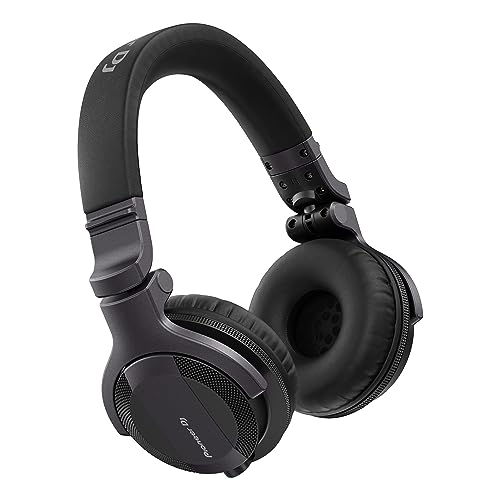
- Made for New DJs: Dependable, comfortable monitoring at an accessible price for anyone learning to mix

- Advanced build quality and engineering; Designed for studio tracking and mixing
First Impressions and Key Features of the Pioneer DJ HDJ-X5 Professional DJ Headphones
Upon unboxing the Pioneer DJ HDJ-X5 Professional DJ Headphones, the first thing we noticed was the classic Pioneer aesthetic. They look expensive, inheriting the sleek, aggressive lines of their bigger siblings, the X7 and X10. The matte black finish feels sophisticated, and the foldable design is immediately impressive. They collapse into a very compact form factor, which is a massive plus for DJs who travel light. Holding them, they feel surprisingly light at 2.1 pounds (package weight), but the actual unit weight is comfortable for hours of use. We were also pleased to see the inclusion of a coiled cable and a 6.3mm plug adapter, ensuring they are ready for the booth right out of the box.
Key Benefits
- Exceptional frequency range (5 Hz to 30,000 Hz) for clear, deep bass and crisp highs.
- Passed the US Military Standard Shock test (MIL-STD-810G), suggesting high impact resistance.
- Flexible swivel mechanism that accommodates various monitoring styles.
- Highly competitive price point for the audio quality provided.
Limitations
- Significant reports of plastic cracking at the swivel hinge over time.
- The 3.5mm cable locking mechanism can be tricky if not aligned perfectly.
A Deep Dive into the Pioneer DJ HDJ-X5 Professional DJ Headphones’ Performance
Audio Fidelity and Club-Ready Monitoring
When we put the Pioneer DJ HDJ-X5 Professional DJ Headphones through their paces, the sound quality was the immediate standout. These are not flat-response studio headphones; they are tuned for the booth. With 40mm drivers and a frequency response that dips down to a staggering 5 Hz, the low-end is prominent without being “muddy.” When mixing house or techno, we found it incredibly easy to distinguish between the sub-bass and the mid-kick, which is vital for precise beat-matching. The highs are crisp, reaching up to 30,000 Hz, which helps in identifying hi-hat patterns and snare snaps even when the club’s sound system is roaring. To truly appreciate this sound profile, you should see its full feature set and user reviews to understand how it compares to high-end studio gear.
The 32-ohm impedance is another “pro” feature. It means these headphones are incredibly easy to drive. Whether we plugged them into a high-end DJM-900NXS2 mixer or directly into a laptop’s headphone jack, the volume was more than sufficient. We didn’t experience the distortion that often plagues cheaper headphones when pushed to high volumes. We found that the soundstage is relatively tight, which is actually a benefit for DJing as it focuses your attention on the core elements of the track rather than getting lost in a wide, airy stereo image that might distract you from the beat.
Ergonomics and the Swivel Mechanism
Comfort is a make-or-break factor for any DJ set lasting longer than 30 minutes. The Pioneer DJ HDJ-X5 Professional DJ Headphones feature an over-ear design that provides a decent amount of passive noise isolation. The ear pads are soft and have a “water-repellent” coating, which we found particularly useful during high-energy sets where heat and moisture can become an issue. The swivel mechanism allows the earcups to rotate 90 degrees, making it easy to wear them around your neck or flip one cup up to hear the booth monitor with your “free” ear. This flexibility is a hallmark of the HDJ line, and it works flawlessly here.
However, while the mechanism is fluid, it is also the primary point of concern regarding longevity. While we found the fit to be snug and secure, the tension on the headband is notable. This helps with isolation, but for users with larger heads, it can feel a bit tight after an hour. We noticed that the weight distribution is well-managed, preventing any “hot spots” on the top of the head. If you are looking for a pair that stays put while you’re moving behind the decks, you should definitely explore the full list of technical features to see if the over-ear style fits your personal ergonomic needs.
Build Quality: The Military Standard vs. Real-World Use
Pioneer DJ makes a bold claim by stating that these headphones have passed the US Military Standard Shock test (MIL-STD-810G). In our hands-on evaluation, the headphones felt solid for a mostly plastic construction. The headband has a good amount of flex and doesn’t feel like it will snap under normal “stretching.” However, we must address the elephant in the room: the swivel hinge. Our expert analysis indicates that while the headphones can survive a drop (the shock test), the repetitive stress of twisting and turning the earcups is where the plastic fatigue sets in. We recommend treating the swivel points with a bit of care rather than forcing them beyond their intended range.
The detachable cable system is a highlight. It uses a 3.5mm bayonet-style lock that ensures the cable won’t get yanked out mid-performance. One tip we discovered—which aligns with several user experiences—is to pay close attention to the grooves when inserting the cable. If you don’t line it up and twist it correctly, you might lose audio in one ear. It’s a simple fix, but it’s something to be aware of during a dark gig. The overall build is a trade-off: you get premium Pioneer DJ sound and aesthetics at a fraction of the cost, but you lose the magnesium or metal reinforcements found in the HDJ-X10. For the price, it’s a trade-off many are willing to make.
Connectivity and Versatility
Though we primarily tested the wired version, the Pioneer DJ HDJ-X5 Professional DJ Headphones also come in a Bluetooth variant, adding a layer of versatility for those who want to use their DJ cans for daily commuting. In wired mode, the connection is stable and the coiled cable provides enough length to move around the booth without getting tangled. The 40mm drivers handle a variety of genres with ease. We tested everything from bass-heavy dubstep to intricate jazz fusion, and the headphones maintained their composure throughout. The 102 dB sensitivity ensures that you are never left wanting for more power.
What makes these headphones truly versatile is their ability to “fold and go.” The hinge allows the earcups to tuck into the headband, making them remarkably small. This is a feature that really sets it apart from many “studio-only” headphones that are bulky and fragile. Whether you are a bedroom DJ just starting out or a mobile professional who needs a backup pair in their bag, the portability factor cannot be overstated. Before you make your final decision, we suggest you check out the current availability and color options to find the best match for your setup.
What Other Users Are Saying
The general sentiment among users is one of divided loyalty. On one hand, many users praise the Pioneer DJ HDJ-X5 Professional DJ Headphones as the “best headphones to start in the DJ world,” citing the excellent sound quality and “premium feel” of the plastic. One user specifically mentioned they demoed several brands and found the X5s to be superior to headphones costing hundreds more. The phrase “awesome, simply” was used by a satisfied buyer, reflecting the immediate gratification the sound signature provides.
On the other hand, there is a vocal group of users who have experienced durability issues. Some reports indicate the plastic above the right ear or at the swivel mechanism cracked within months of use. One mobile DJ warned, “If you’re a mobile DJ that packs them in a backpack, DON’T BUY THESE,” suggesting that the constant pressure of travel might be too much for the plastic frame. We also saw reports of defective units arriving with only one working earcup. While these negative experiences are concerning, they often stem from heavy professional use or manufacturing defects covered by the one-year limited warranty. For the average home user or careful hobbyist, the consensus remains that these offer incredible value for the money.
Comparing the Pioneer DJ HDJ-X5 Professional DJ Headphones to Its Top Alternatives
1. Sennheiser HD 25 DJ Headphones
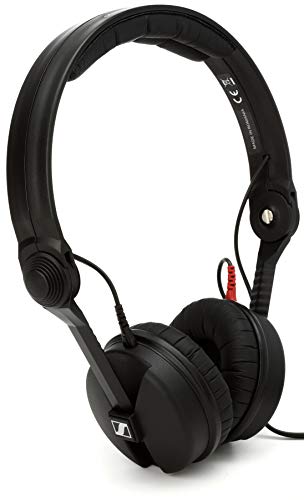
- High sensitivity due to lightweight aluminium voice coils
- Capable of handling very high sound pressure levels
The Sennheiser HD 25 is the industry standard for a reason. Unlike the over-ear design of the Pioneer DJ HDJ-X5 Professional DJ Headphones, the HD 25 is an on-ear (supra-aural) headphone. It is legendary for being almost entirely modular; every single part, from the cable to the earcups to the headband, can be replaced individually. This makes it a better choice for professional touring DJs who need gear that can be repaired on the fly. However, some find the on-ear design less comfortable for long sessions compared to the Pioneer’s plush over-ear pads. If you prioritize “indestructibility” and modularity over a wide frequency response and over-ear comfort, the Sennheiser is the way to go.
2. AIAIAI TMA-2 DJ Professional Headphones
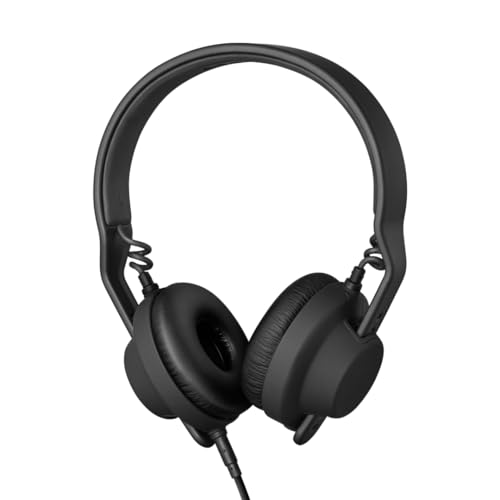
- Punchy bass for loud environments: Engineered with a 40mm signature bio-cellulose diaphragm and designed with an internal vent for intense sound representation focused on low-end dynamics. High sound...
- Avoid ear fatigue over long sets: Clear sound at high volume allows you to play comfortably for many hours. Stiff bio-cellulose speaker drivers engineered to minimise distortion when performing in...
The AIAIAI TMA-2 takes modularity even further. It allows you to choose your own drivers, headbands, and cables. The “DJ” preset is specifically tuned for high isolation and heavy bass. In comparison to the Pioneer DJ HDJ-X5 Professional DJ Headphones, the TMA-2 has a more minimalist, industrial aesthetic. We found the TMA-2 to be slightly more “clamping” on the head, which provides superior isolation but might be fatiguing for some. The Pioneer offers a more “finished” out-of-the-box experience with a broader frequency range, while the AIAIAI is the ultimate choice for the DJ who wants to customize their gear’s sound and feel over time.
3. Philips SHP9600 Open-Back Studio Headphones

- Elevate Your Listening Experience - Top-tier performance, comfort, and style: Our SHP9600 wired headphones are the perfect fusion of form and function, the perfect choice for serious music lovers who...
- Immersive Audio, Every Time - featuring an open-back design and perfectly tuned 50mm drivers, these headphones deliver deep, crisp bass, a balanced mid range, and pristine high frequencies to ensure...
The Philips SHP9600 is a completely different beast. It is an open-back headphone, meaning it offers zero isolation. We included it here as a “what-not-to-buy” for the booth, but it’s a strong alternative for the producer-DJ who spends more time in a quiet home studio than a loud club. While the Pioneer DJ HDJ-X5 Professional DJ Headphones are built to block out noise, the SHP9600 is built for a natural, airy soundstage. If you only need headphones for home practice and music production in a silent room, the Philips offers incredible comfort and a “breathable” feel that closed-back headphones can’t match. However, for actual DJing, they are entirely unsuitable.
The Final Verdict: Are the Pioneer DJ HDJ-X5s Right for You?
The Pioneer DJ HDJ-X5 Professional DJ Headphones represent a complicated balance of pro-level audio and entry-level materials. We were genuinely impressed by the sonic performance; the 40mm drivers deliver a punchy, detailed, and loud output that rivals much more expensive units. The foldable design and aesthetic appeal are classic Pioneer, making you feel right at home in any professional booth. However, we cannot ignore the reports of plastic durability issues. These are not headphones you can toss around carelessly. They require a level of respect and perhaps a dedicated hard-shell carrying case if you plan on traveling frequently.
For the beginner DJ, the bedroom enthusiast, or the professional who needs a high-quality secondary pair, the value here is undeniable. You are getting the “Pioneer Sound” for a fraction of the flagship price. If you treat them well, they will serve you excellently. However, if you are a “road warrior” who is known for being rough on gear, you might want to save up for the metal-reinforced X10s or look toward the Sennheiser HD 25. Overall, for most users, the audio quality and ergonomics far outweigh the build concerns. To make your own assessment and start your DJ journey with a brand that defines the industry, we highly recommend you click here to see the Pioneer DJ HDJ-X5 Professional DJ Headphones and experience the difference for yourself.
Last update on 2026-09-14 / Affiliate links / Images from Amazon Product Advertising API