
Behringer X AIR XR18 18-Channel Digital Mixer Review: The Ultimate Compact Powerhouse for Modern Musicians
There was a time, not too long ago, when “bringing the PA” meant loading a literal half-ton of gear into a van. We’re talking about massive 24-channel analog consoles that required two people to carry, outboard racks filled with heavy compressors, gates, and reverb units, and a “snake” cable thick enough to trip an elephant. For the working musician or the small-venue sound engineer, this wasn’t just a logistical nightmare; it was a physical toll that often took the joy out of the performance. I remember nights spent squinting under dim stage lights, trying to find which patch cable had gone bad in a nest of wires, only to realize the snare drum was clipping and I couldn’t fix it without running back to the sound booth.
The search for a solution led us to the world of tablet-controlled mixing. We needed something that didn’t sacrifice audio quality for portability—a device that could handle a full band, provide professional-grade effects, and allow us to mix from anywhere in the room. This is where the Behringer X AIR XR18 18-Channel Digital Mixer entered the picture. Solving the problem of “bulk vs. power” is crucial for modern performers who need to sound like they have a million-dollar rack without actually carrying one. If you don’t solve this, you’re stuck with limited routing, noisy signal paths, and the constant fear of hardware failure in complex analog setups.

- IPad/Android tablet controlled 18-input digital mixer for studio and live application
- 16 award-winning MIDAS-designed, fully programmable mic preamps for audiophile sound quality
What to Consider Before Investing in Stage Powered Mixers and Digital Consoles
A Stage Powered Mixer or a high-end digital interface is more than just an item; it’s the central nervous system of your entire audio production. Whether you are running a live concert, a church service, or a high-end streaming setup, the mixer determines the clarity of your vocals, the punch of your drums, and the overall balance that your audience hears. A high-quality digital mixer like the Behringer X AIR XR18 18-Channel Digital Mixer solves the issue of “static mixing,” where the engineer is stuck in one spot. It allows for dynamic, real-time adjustments that can transform a muddy room into a pristine listening environment.
The ideal customer for this type of product is the gigging band, the small-to-medium venue owner, or the content creator who requires multi-track recording capabilities alongside live sound. It is perfect for those who are comfortable using technology—specifically tablets and laptops—to control their audio. However, it might not be suitable for the “old school” purist who absolutely requires physical faders under their fingers at all times, or for those who perform in environments where Wi-Fi interference is so extreme that a wired connection isn’t an option. For those users, a traditional analog board with physical knobs might be a safer, albeit heavier, bet.
Before investing, consider these crucial points in detail:
- Dimensions & Space: In the world of professional audio, space is a premium. You want a unit that can fit into a standard rack or sit inconspicuously on a stage floor without becoming a tripping hazard. The Behringer X AIR XR18 18-Channel Digital Mixer is designed as a “stage box” format, meaning it replaces both the mixer and the heavy snake, saving you massive amounts of floor real estate.
- Capacity/Performance: Look closely at the number of mic preamps and the “bus” count. For a full band (drums, bass, guitars, multiple vocals), you generally need at least 16 XLR inputs. Performance isn’t just about volume; it’s about “headroom”—the ability of the mixer to handle loud peaks without distorting the signal into a crunchy mess.
- Materials & Durability: Since these units often live on the floor or in transit, the chassis must be rugged. All-metal construction is a must. You should also evaluate the quality of the connectors; cheap plastic jacks will break after a few dozen plug-ins, while high-quality Neutrik-style connectors will last for years of heavy touring.
- Ease of Use & Maintenance: Since there are no physical faders, the software interface is your primary tool. You need to ensure the app is intuitive and that the manufacturer provides regular firmware updates. Maintenance is usually minimal for digital units, but you should check for cooling solutions, as digital processors generate significant heat during long sets.
While the Behringer X AIR XR18 18-Channel Digital Mixer is an excellent choice for those looking to modernize their sound, it’s always wise to see how it stacks up against the competition. For a broader look at all the top models, we highly recommend checking out our complete, in-depth guide:

- The EMX5 is both a mixer and a power amplifier

- IPad/Android tablet controlled 18-input digital mixer for studio and live application
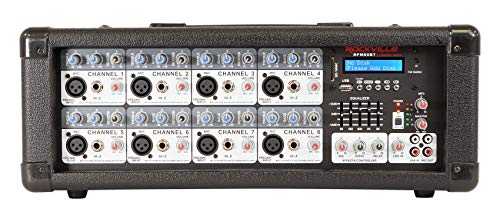
- POWERFUL 500W RMS OUTPUT: Delivers 500W RMS (250W x 2 @ 8 Ohm) and 2400W peak to drive speakers with clarity and strength.
Unboxing the Beast: First Impressions of the Behringer X AIR XR18 18-Channel Digital Mixer
When we first pulled the Behringer X AIR XR18 18-Channel Digital Mixer out of the box, the first thing that struck us was the weight—or rather, the lack of it. At just over 7 pounds, it feels incredibly sturdy thanks to its metal housing, yet it’s light enough to carry in a backpack. The “stage box” design is a stroke of genius; it looks like a piece of industrial equipment rather than a delicate musical instrument. It comes with rack ears included, which we immediately appreciated, as mounting this in a protected case is the best way to ensure longevity.
The initial look and feel scream professional utility. There are no flashy lights or fragile plastic knobs to snap off in a gear bag. Comparing it to previous analog versions we’ve used, the XR18 feels like it belongs in a different century. Before you even plug it in, you can see its full feature set and user reviews to understand why this has become the industry standard for portable digital mixing. Setting it up was as simple as plugging in the power cord and flipping the switch to “Wi-Fi Client” mode to begin the pairing process with our iPad.
Key Benefits
- Midas-Designed Preamps: 16 fully programmable, award-winning preamps provide incredible clarity and warmth that rivals much more expensive consoles.
- Integrated Wi-Fi: No need for an external router for basic setups; you can control the mix directly from your tablet or smartphone.
- 18×18 USB Interface: Allows for seamless multi-track recording directly into your DAW, making it a powerful studio tool as well as a live mixer.
- Dugan Auto-Mixing: Automatically manages gain for multiple microphones, which is a lifesaver for panel discussions and theatrical performances.
Limitations
- Heat Generation: As some users have noted, the unit can get quite warm during extended use because it lacks an internal cooling fan.
- Built-in Wi-Fi Range: While convenient, the internal 2.4GHz router can struggle in crowded venues with high signal interference.
A Deep Dive into the Performance of the Behringer X AIR XR18 18-Channel Digital Mixer
The Midas Touch: Audio Fidelity and Preamp Performance
In the world of audio, the preamp is the gateway. If the preamp is noisy or thin, no amount of EQ can save your sound. One of the primary reasons we recommend the Behringer X AIR XR18 18-Channel Digital Mixer is the inclusion of 16 Midas-designed preamps. For those unfamiliar, Midas is a legendary name in high-end touring consoles, and bringing that technology into a portable mixer at this price point is revolutionary. In our testing, the preamps provided a surprisingly high level of headroom. We pushed them with dynamic vocalists and loud drum kits, and the signal remained clean and transparent without the “brittle” high end often found in budget digital gear.
When we used it for a live recording session, the difference was palpable. The Behringer X AIR XR18 18-Channel Digital Mixer captured the nuances of an acoustic guitar and the subtle transients of a snare drum with a level of detail we usually expect from dedicated studio interfaces. We found that you can check the latest price and availability and realize that you’re essentially getting sixteen $200 preamps for the price of one entry-level analog board. This audio fidelity is the backbone of the unit, ensuring that whether you’re streaming to OBS or playing to a crowd of 500, your source audio is pristine.
Wireless Control and the Freedom to Mix Anywhere
The standout feature of the Behringer X AIR XR18 18-Channel Digital Mixer is undoubtedly its tablet-controlled interface. We tested this in various environments, including an outdoor festival where we needed to “social distance” the sound engineer from the stage. Being able to walk to the back of the crowd, or even stand behind the drummer, and make precise adjustments to the EQ and monitor mixes is a game-changer. You are no longer tethered to a “Front of House” position that might not even represent what the audience is hearing.
The X AIR app (available on iPad, Android, and PC/Mac) is comprehensive. We found that the “X-Air Edit” app on a laptop offers the most granular control, but the iPad interface is perfect for quick adjustments during a show. We were able to load pre-configured “scenes” that we had built at home, making our soundcheck take less than ten minutes. As one user noted, they did the “fastest firmware update ever” and had all their lines patched and ready before the unit even arrived. This efficiency is why we consider the wireless ecosystem a feature that really sets it apart from traditional mixing consoles.
Multi-Channel USB Interface: From Live Sound to Studio Pro
Many mixers claim to have “USB connectivity,” but often this just means a simple 2-channel stereo out. The Behringer X AIR XR18 18-Channel Digital Mixer, however, features a full 18 x 18 channel, bidirectional USB interface. This means you can send all 18 inputs as individual tracks into your DAW (like Pro Tools, Logic, or Reaper). We used this feature to “Live Track” a local band’s set, and the results were studio-quality. Having the ability to go home and remix a live performance with full control over every instrument is a massive value-add.
Furthermore, the bidirectional nature allows for “Virtual Soundchecks.” You can record a band’s rehearsal, then play those tracks back through the mixer channels the next day to tweak your EQ and effects without the band even being there. This functionality makes it a powerhouse for both the stage and the home studio. For anyone doing streaming, the Behringer X AIR XR18 18-Channel Digital Mixer integrates flawlessly with OBS, allowing you to create a professional broadcast mix that is completely separate from what’s playing through the speakers in the room. This versatility is why so many professionals choose this model for their recording needs.
Digital FX Engines and Auto-Mixing Intelligence
Inside the Behringer X AIR XR18 18-Channel Digital Mixer is a virtual rack of processors that would cost thousands of dollars in physical hardware. We spent hours playing with the onboard effects, which include emulations of classic Lexicon reverbs, ADT delays, and even high-end compressors like the LA-2A. The ability to run four of these “True Physical Modeling” stereo effects simultaneously without any latency is incredible. We found the reverbs to be lush and the compressors to be musical, adding that professional “sheen” to the vocals that makes a mix sound finished.
Special mention must be made of the Dugan-style Auto-Mixing. If you’ve ever had to mix a corporate panel with six people talking over each other, you know it’s a nightmare of feedback and “hiss” from open mics. The XR18’s auto-mixer automatically lowers the gain on mics that aren’t being spoken into, while maintaining a consistent overall level. It works like magic. While one user expressed concern that the unit “calienta bastante” (gets quite warm) due to the lack of a fan, we found that as long as the unit has proper airflow, the internal processors handle these heavy lifting tasks with extreme reliability. You can look into the technical specs to see how the DSP (Digital Signal Processing) architecture handles these complex algorithms effortlessly.
What Other Users Are Saying
The general sentiment among professionals using the Behringer X AIR XR18 18-Channel Digital Mixer is one of high praise for its value-to-performance ratio. One user, who manages four of these units alongside larger consoles like the M32, stated that “for the price, you can’t beat it,” highlighting its reliability for live, recording, and streaming via OBS. Another long-term user mentioned that after five months of daily use, they had “no complaints” and found the application interface to be very friendly.
However, it is important to address the common critiques. A specific user noted that the unit can run quite hot and expressed concern over the lack of a built-in cooling fan, fearing for the long-term durability of the components. This is a valid point; in very hot climates or enclosed racks, additional ventilation might be necessary. Another user mentioned a discrepancy between marketing images and the actual hardware regarding the heat sink, though they still admitted the unit “trabaja excelente” (works excellently). Overall, the consensus is that if you treat the hardware well and manage your Wi-Fi environment, this mixer is an unbeatable tool for the modern age.
Comparing the Behringer X AIR XR18 18-Channel Digital Mixer to the Competition
1. Behringer X Air XR18 Digital Mixer
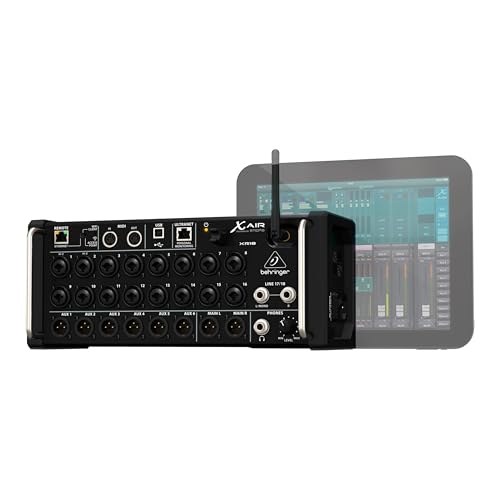
- 12-bus Rackmount Digital Mixer for iPad/Android Tablets with 16 Gain-programmable Midas Preamps
- Multichannel USB Audio Interface
This is essentially the same internal hardware as the primary product we are reviewing, often appearing as a secondary listing. It features the same 16 Midas preamps and 18-channel USB interface. We recommend checking this listing if the primary one is out of stock, as they are functionally identical. It’s the perfect choice for someone who knows they want the XR18 ecosystem but is looking for the best current price or bundle availability. It remains the gold standard for tablet-based mixing in this price bracket.
2. Mackie VLZ4 24-Channel Mixer with FX & USB
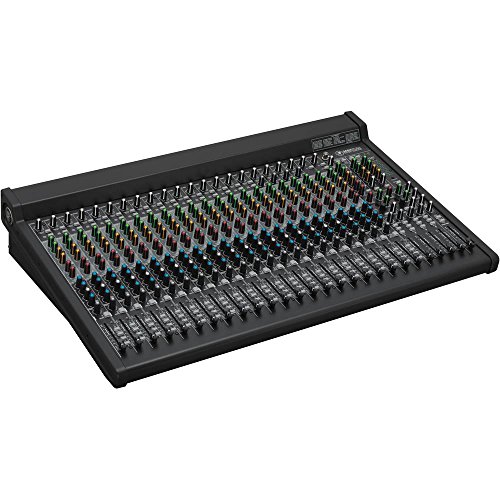
- 24-channel 4-bus mixer featuring Mackie signature high-headroom/low-noise design
- 20 boutique-quality Onyx mic preamps
The Mackie VLZ4 is the antithesis of the XR18. It is a large, heavy, analog console with physical faders for everything. While it lacks the wireless control and the 18-track recording capabilities of the XR18 (offering only a simple USB out), it is incredibly reliable for those who do not want to rely on a tablet or Wi-Fi. If you are a sound engineer who prefers the tactile feel of real knobs and doesn’t mind the extra weight and the need for external rack gear, the Mackie is a bulletproof alternative that will likely outlast most digital devices.
3. Soundcraft Notepad-12FX Analog Mixer with USB & Lexicon Effects

- SUPERIOR SOUND QUALITY - Experience pristine audio with Soundcraft's renowned preamps, ensuring crystal-clear recordings and live sound, capturing every nuance with exceptional fidelity.
- VERSATILE INPUT CHANNELS - Connect all your gear effortlessly with 4 mic/line combo inputs, 2 stereo line inputs, and USB I/O, providing flexibility for any recording or performance setup.
The Soundcraft Notepad-12FX is a much smaller, “desktop” style mixer. It’s an excellent alternative for solo performers, podcasters, or singer-songwriters who don’t need 18 channels. It features high-quality Lexicon effects and a simple 4×4 USB interface. While it doesn’t have the power or the bus-routing of the Behringer X AIR XR18 18-Channel Digital Mixer, it is significantly more affordable and fits in a small laptop bag. We recommend this for users who find the XR18’s 18 channels to be overkill for their simple two-mic setup.
The Final Verdict: Is the Behringer X AIR XR18 18-Channel Digital Mixer Right for You?
After putting this unit through its paces in live settings, studio sessions, and streaming environments, our conclusion is clear: the Behringer X AIR XR18 18-Channel Digital Mixer is one of the most significant pieces of audio gear released in the last decade. Its combination of legendary Midas preamps, sophisticated internal FX, and the sheer freedom of wireless mixing makes it an essential tool for any serious musician or engineer. While the heat generation and the limitations of 2.4GHz Wi-Fi are points to keep in mind, they are easily managed with proper setup and perhaps an external router for high-stakes professional environments.
If you are ready to ditch the heavy analog racks and embrace a workflow that is faster, cleaner, and more flexible, then this is the mixer you’ve been waiting for. Whether you’re mixing a four-piece rock band or managing a complex church service, the XR18 delivers professional results that far exceed its modest price tag. We highly recommend that you click here to secure your Behringer X AIR XR18 18-Channel Digital Mixer and experience the future of live sound for yourself.
Last update on 2026-09-14 / Affiliate links / Images from Amazon Product Advertising API