
Aquila C4-CE Classical Acoustic-Electric Guitar Review: A Modern Masterpiece for the Versatile Player
For many of us, the journey into the world of nylon strings begins with a desire for that mellow, haunting resonance that only a classical instrument can provide. However, many players—myself included—often hit a wall when transitioning from steel-string acoustics or electric guitars. Traditional classical guitars usually feature exceptionally wide necks (often 52mm or more) and flat fingerboards that can feel like trying to play a literal 2×4. This ergonomic hurdle can stifle creativity and make complex chord shapes feel impossible. We search for an instrument that offers the warmth of nylon but the “fast” feel of a modern neck. This is where the Aquila C4-CE Classical Acoustic-Electric Guitar enters the frame, promising to bridge the gap between old-world tradition and contemporary playability. Without a solution like this, many guitarists simply give up on the nylon sound, missing out on the rich textures of bossa nova, folk, and fingerstyle blues because the hardware feels too restrictive.
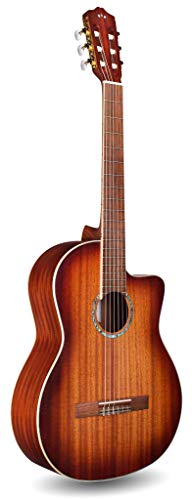
- Solid African Mahogany top
- Fishman Sonitone classical piezo
What to Consider Before Buying a Classical & Nylon-String Guitar
A Classical & Nylon-String Guitar is more than just an item; it’s a key solution for musicians looking to expand their tonal palette, reduce finger fatigue, and explore genres that require a softer attack. Unlike steel strings, which provide a bright, “zingy” sound, nylon strings offer a rounded, percussive quality that sits beautifully in a mix. Whether you are a student of the conservatory or a singer-songwriter looking for a “mellow fingerpickin’ machine,” the right nylon-string guitar can transform your practice sessions into something much more comfortable and expressive.
The ideal customer for this type of product is someone facing the physical strain of high-tension steel strings or a player who wants a “crossover” feel—an instrument that allows for easy upper-fret access and a slimmer nut width. It is perfect for the stage-performing musician who needs reliable electronics to plug into a PA system. However, it might not be suitable for those who demand the booming, percussive bass of a dreadnought or those strictly studying traditional Segovia-style repertoire where a full 52mm nut width and flat radius are mandatory. In those cases, a strictly traditional concert guitar would be a better alternative.
Before investing, consider these crucial points in detail:
- Dimensions & Space: Consider the body depth and the presence of a cutaway. A “soft cutaway” is vital if you plan on playing lead lines or jazz chords above the 12th fret. Furthermore, the scale length (usually 25.5 inches) affects the tension of the strings; a standard scale provides better projection but requires slightly more finger strength.
- Capacity/Performance: Look closely at whether the guitar is “Acoustic-Electric.” Having a built-in pickup system, like the Fishman Sonitone found in many high-end models, allows you to perform in loud venues without the feedback issues common when using an external microphone.
- Materials & Durability: The choice of the “top” wood is the most important factor in sound. A solid wood top (like solid Mahogany or Cedar) will vibrate more freely and actually sound better as it ages, whereas laminate tops are more durable and resistant to humidity but lack tonal complexity.
- Ease of Use & Maintenance: Nylon strings are easier on the fingers, but the bridge systems are different. Most classical guitars use a “tie-block” bridge. Consider how comfortable you are with this method of string changing compared to the bridge pins found on steel-string guitars.
Choosing the right instrument requires balancing these technical specs with your personal playing style. While the Aquila C4-CE Classical Acoustic-Electric Guitar is an excellent choice, it’s always wise to see how it stacks up against the competition. For a broader look at all the top models, we highly recommend checking out our complete, in-depth guide:
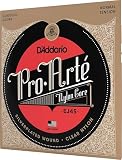
- STANDARD CLASSICAL TONE - Pro -Arte’ Nylon strings offer the standard classical guitar tone many players hold dear.


- ✅CLASSICAL GUITAR KIT: Vangoa 39" classical guitar set is a great value and represents the best entry-level guitar, with most accessories you might need: Full Size Nylon String Guitar, guitar tuner...

- ♫【COMPREHENSIVE BEGINNERS SET WITH FREE LESSONS】This 39 inch right-handed classical guitar starter kit comes with novice essential accessories at an affordable price. One waterproof guitar bag...
First Impressions: Unboxing the Aquila C4-CE Classical Acoustic-Electric Guitar
When we first took the Aquila C4-CE Classical Acoustic-Electric Guitar out of its packaging, the visual impact of the “Edge Burst” finish was immediate. It’s a striking aesthetic that sets it apart from the often-plain, natural-colored classical guitars found in most music shops. The maple binding against the dark African Mahogany provides a premium, boutique look that punches well above its price point. Picking it up, the first thing we noticed was the weight—at just around 3 to 4 pounds, it is incredibly lightweight and balanced. You can see its full feature set and user reviews to get a sense of just how much value is packed into this frame.
The build quality feels robust yet delicate where it matters. The abalone rosette adds a touch of class that we usually associate with much more expensive custom builds. During the initial setup, the tuners felt smooth and held pitch relatively well for new nylon strings, which famously take a few days to stretch and settle. Compared to other “Iberia Series” models we’ve tested, the C4-CE feels like a more modern, “stage-ready” sibling that prioritizes comfort without sacrificing the soul of the mahogany wood.
Advantages
- Solid African Mahogany top delivers a warm, punchy, and articulate tone.
- Slimmer 50mm nut width is significantly more comfortable for those with smaller hands.
- Discrete Fishman Sonitone electronics provide a clean, natural amplified sound.
- Beautiful Edge Burst finish and Maple binding give it a high-end, “boutique” aesthetic.
Drawbacks
- Factory strings may have tension issues; we recommend a quick upgrade to high-quality strings immediately.
- The saddle slot can occasionally be loose, requiring a professional setup for perfect intonation.
Deep Dive: Performance Analysis of the Aquila C4-CE Classical Acoustic-Electric Guitar
Tonal Character: The Warmth of Solid African Mahogany
In our extensive testing, the standout feature of the Aquila C4-CE Classical Acoustic-Electric Guitar is undoubtedly the choice of tonewoods. While many classical guitars opt for Spruce (for brightness) or Cedar (for warmth), the C4-CE uses solid African Mahogany for the top. This results in a very specific sonic profile: it is incredibly “woody” and midrange-focused. We found that this guitar doesn’t just sound like a classical instrument; it sounds like a “mellow fingerpickin’ blues and folk machine.” The mahogany back and sides complement the solid top, creating a balanced volume and sustain that is surprisingly loud for a cutaway body.
When playing complex chords, each note remains articulate rather than getting lost in a wash of overtones. This clarity is a direct result of the solid top construction. We noticed that when we pushed the guitar with more aggressive thumb-picking, the mahogany top compressed the sound beautifully, preventing the “harshness” that sometimes occurs with spruce-topped nylon guitars. If you’re looking for an instrument that excels in intimate settings or recording studios, you should definitely check the latest price and availability for this mahogany marvel.
Ergonomics and Playability: A Neck Built for Speed
The playability of the Aquila C4-CE Classical Acoustic-Electric Guitar is where it truly outshines its traditional competitors. The 50mm nut width is the “secret sauce” here. To put that in perspective, a standard classical guitar is usually 52mm, while a steel-string is around 43mm. At 50mm, the Aquila C4-CE feels like a comfortable middle ground. We found that our hands didn’t cramp during long sessions, and the slimmer neck profile allowed for “thumb-over” techniques that are virtually impossible on a standard classical neck. This is a feature that really sets it apart for modern players.
The soft cutaway is another major ergonomic win. We were able to reach the 15th and 17th frets with ease, which is crucial for those of us who like to incorporate jazz melodies or high-register solos into our playing. The Pau Ferro fretboard felt smooth under the fingers, providing a snappy response that matches the mahogany’s punch. User feedback confirms our findings, with many noting that these “slimmer necks are phenomenal to play,” making it an ideal choice for guitarists transitioning from other styles.
Electronics: The Fishman Sonitone Advantage
A significant portion of our evaluation focused on the electronic performance of the Aquila C4-CE Classical Acoustic-Electric Guitar. It comes equipped with the Fishman Sonitone active pickup system. Unlike some systems that require cutting a large hole in the side of the guitar for a bulky preamp box, the Sonitone is discrete. The volume and tone controls are tucked neatly inside the soundhole. We found this to be a major aesthetic plus—it maintains the traditional look of the guitar while providing modern utility.
When plugged into a dedicated acoustic amplifier, the Fishman system captured the natural resonance of the mahogany without that “quacky” piezo sound that plagues cheaper acoustic-electrics. We found that the tone control was particularly effective; rolling it back slightly helped emphasize the warmth of the nylon strings, making it perfect for a lush, amplified bossa nova sound. Whether you’re playing a small coffee shop or a larger church hall, the reliability of the Fishman electronics ensures you’ll be heard clearly. You can find more details on the electronics here.
Build Quality and Aesthetic Details
Finally, we have to talk about the “fit and finish.” The Aquila C4-CE Classical Acoustic-Electric Guitar is a stunning instrument. The Maple binding isn’t just a decorative choice; it’s a mark of quality craftsmanship that protects the edges of the guitar. The Abalone rosette is perfectly inlaid, catching the light in a way that suggests a much higher price point. The Edge Burst finish is applied evenly, with no “bleeding” into the binding or the soundhole.
However, we did notice a few areas where QC (Quality Control) could be improved. In some units, as noted by some users, the saddle can be a bit thin for the slot, which causes it to tilt slightly toward the neck. While this didn’t immediately affect our playability, it’s something to keep an eye on over time. Additionally, the factory strings are “high tension,” but we found them to be the weakest link in the package. Swapping them out for a premium set of D’Addario or Savarez strings immediately elevated the guitar’s voice. Despite these minor nitpicks, the overall build quality is exceptionally high for this price bracket.
What Other Users Are Saying
The general consensus among the community is overwhelmingly positive, with many users describing the Aquila C4-CE Classical Acoustic-Electric Guitar as their “dream guitar.” One user highlighted that even as a used instrument, the build quality held up perfectly, stating that the “slimmer necks are phenomenal to play.” Another player praised its versatility, noting that it’s less of a traditional classical tool and more of a “mellow fingerpickin’ blues and folk machine,” which aligns perfectly with our expert testing.
On the critical side, a few users experienced issues with the factory strings, with one reporting that the “D string snapped after just 2 days of standard tuning.” This is a common complaint with factory-installed strings across many brands and shouldn’t be a dealbreaker. More significantly, one user pointed out that “the saddle is too thin for the slot so it tilts,” which is a valid concern for long-term bridge health. Overall, however, the sentiment is that this guitar offers “fantastic” value, with many users being pleasantly surprised by the high quality relative to the price point.
Comparing the Aquila C4-CE Classical Acoustic-Electric Guitar to the Competition
1. Yamaha SLG200S Silent Steel-String Guitar

- Steel Strings, Translucent Black Finish
- The SLG is the perfect instrument for practice, travel or stage use – any time an acoustic guitar just won’t do
The Yamaha SLG200S is a completely different beast, designed for the “silent” player or the traveling musician. While the Aquila C4-CE Classical Acoustic-Electric Guitar relies on its solid mahogany body for natural resonance, the Yamaha has no body at all. It uses an advanced SRT powered preamp system to simulate a high-end acoustic sound through headphones. We recommend the Yamaha for those who need to practice in total silence or want a very futuristic look on stage. However, if you want the “feel” and acoustic vibration of a real wooden instrument, the Aquila is the far superior choice for traditional playability.
2. Cordoba C5 CD Classical Nylon-String Guitar

- PERFECT ENTRY LEVEL GUITAR: Ideal for aspiring classical guitarists, as well as anyone looking for the warm sound of nylon strings and comfortable playability
- POWERFUL TONE: One of Córdoba's flagship models, the C5 is perfect as a first nylon-string guitar, this lightweight model is built with a solid Cedar top and mahogany back and sides to produce a...
The Cordoba C5 CD is perhaps the closest relative to our review model. The main difference lies in the tonewood and the design; the C5 CD features a Canadian Cedar top and a traditional full-bodied design without a cutaway or electronics. While the C5 CD offers a more traditional, “darker” classical tone, it lacks the versatility of the Aquila C4-CE Classical Acoustic-Electric Guitar. If you are a stage performer who needs to plug in and reach high frets, the C4-CE is the better investment. If you are a student strictly focused on classical technique and want the loudest acoustic projection possible, the C5 CD is a legendary choice.
3. Master Play 30″ Classical Guitar with Case (Pink)

- THE PERFECT FIRST GUITAR FOR YOUR CHILD: The MasterPlay acoustic youth guitar with 3 steel and 3 nylon strings
- REAL WOOD GUITAR QUALITY BUILD – QUALITY SOUND: Made from top-notch basswood (linden wood), our learner guitar delivers excellent sound effects for a smooth and enjoyable learning experience...
It is important to distinguish the Aquila C4-CE Classical Acoustic-Electric Guitar from entry-level “toys” or beginner kits like the Master Play 30″. This 30-inch guitar is specifically designed for very young children (ages 4-8) as a starter instrument. It lacks a solid wood top, electronics, and the professional build quality of the Aquila. We would only recommend this for a parent looking for a low-cost “disposable” first guitar for a child. For any serious player, even a beginner teenager or adult, the Aquila C4-CE is a vastly superior instrument that you won’t “outgrow” in six months.
The Final Verdict: Is the Aquila C4-CE Classical Acoustic-Electric Guitar Right for You?
After putting the Aquila C4-CE Classical Acoustic-Electric Guitar through its paces, our conclusion is clear: this is one of the most versatile and comfortable nylon-string guitars on the market today. It successfully solves the “wide neck” problem that keeps many steel-string players away from the classical world. The solid African Mahogany top provides a unique, warm voice that is perfect for a wide variety of genres beyond just classical music. While the factory strings and the saddle slot might require a bit of attention from a technician, the bones of this instrument are absolutely world-class for the price.
We recommend this guitar to anyone looking for a “crossover” nylon-string that is stage-ready and easy to play. Whether you are recording in a studio or performing live, the Fishman electronics and the ergonomic cutaway will serve you well for years to come. If you’re ready to add that rich mahogany warmth to your sound, we suggest you take the next step and check the current availability to secure this beautiful instrument for your collection.
Last update on 2026-09-14 / Affiliate links / Images from Amazon Product Advertising API