
Behringer X32 40-Input Digital Mixing Console Review: The Industry Standard for Professional Versatility and Value
For years, many of us in the live sound and recording world were tethered to massive, heavy analog consoles that required outboard racks taller than the engineers themselves. I remember the days of lugging around 32-channel snakes, patched with dozens of compressors, gates, and reverb units that hissed if you looked at them the wrong way. The problem wasn’t just the weight; it was the lack of recall. If a band returned for a second set or a theater production moved to the next scene, we had to manually reset every single knob and fader. One wrong move, and the entire mix was ruined. Missing a cue in a high-stakes environment is a nightmare every sound engineer has lived through.
When we first looked into the Behringer X32 40-Input Digital Mixing Console, we were searching for a solution that could handle complex routing without the “analog tax” of physical clutter and inconsistent signal paths. In professional environments like medium-sized theaters or houses of worship, the need for high channel counts—often 20+ mics for a musical plus a full band—demands a level of organization that analog simply can’t provide efficiently. Solving this isn’t just about convenience; it’s about sonic reliability. Without a digital backbone, you are constantly fighting noise floors and mechanical failures. We needed a console that felt professional but remained accessible, and that is exactly where our journey with the Behringer X32 began.
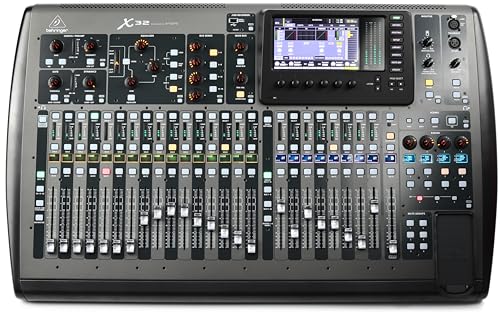
- 40-input channel, 25-bus digital mixing console for Studio and Live application
- 32 MIDAS-designed, fully programmable mic preamps for audiophile sound quality

What to Consider Before Investing in Unpowered Recording Mixers
An unpowered recording mixer is more than just an item; it’s a key solution for capturing high-fidelity audio and managing complex signal flows in both studio and live environments. Unlike powered mixers, these consoles focus entirely on signal processing, routing, and preamplification, allowing you to pair them with the high-end power amplifiers or active speakers of your choice. This category solves the problem of “locked-in” hardware, giving you the flexibility to scale your PA system or studio monitors independently of your mixing surface. The main benefit here is the purity of the signal path and the depth of control over every nuance of the sound, from EQ curves to dynamic compression.
The ideal customer for this type of product is someone facing high-pressure live environments, such as a touring sound tech, a church media director, or a studio owner who needs to track full bands simultaneously. It is perfect for those who require “Total Recall”—the ability to save every setting and bring it back instantly. However, it might not be suitable for those who only need to plug in a single microphone for a podcast or those who find digital menus intimidating. If you are a solo acoustic performer playing small coffee shops, a 40-input console is likely overkill, and you might consider a more compact, streamlined digital interface instead.
Before investing, consider these crucial points in detail:
- Dimensions & Space: A console of this caliber has a significant footprint. You need to ensure your front-of-house (FOH) desk or studio workstation can accommodate a unit that is over 40 inches deep. Consider the space needed for cabling behind the unit and the ergonomic height for long mixing sessions.
- Capacity & Performance: Look closely at the input-to-bus ratio. For complex setups, having 40 inputs and 25 buses is a game-changer, allowing for multiple monitor mixes, subgroups, and matrix sends. Ensure the processing power (DSP) can handle effects on every channel without latency.
- Materials & Durability: Since these mixers often travel, the chassis material is vital. A rigid steel frame and high-quality fader tracks are non-negotiable for longevity. You want a piece of gear that can withstand the rigors of the road and the occasional environmental challenge.
- Ease of Use & Maintenance: Digital consoles have a learning curve. Look for features like “Scribble Strips” and motorized faders that provide visual feedback. Maintenance involves keeping firmware updated and ensuring the faders stay clean to prevent “ghosting” or mechanical sticking over years of use.
Understanding these factors will help you determine if a professional-grade console fits your workflow. While the Behringer X32 40-Input Digital Mixing Console is an excellent choice, it’s always wise to see how it stacks up against the competition. For a broader look at all the top models, we highly recommend checking out our complete, in-depth guide:

- Works out of the box with mics, instruments, phones, and computers
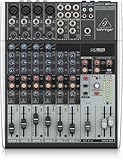
- Premium ultra-low noise, high headroom analog mixer

- 5-channel compact mixer with proven high-headroom, low-noise performance
First Impressions and Key Features: The Behringer X32 40-Input Digital Mixing Console Experience
Unboxing the Behringer X32 40-Input Digital Mixing Console is a two-person job. At nearly 46 pounds and over 40 inches wide, it immediately commands respect in the room. Our first impression was one of structural integrity; the matte black finish and the weighted feel of the 25 motorized faders suggest a build quality that punches far above its price bracket. When we first powered it on, the dance of the motorized faders and the glow of the individual LCD Scribble Strips felt like stepping into a high-end recording suite. It doesn’t feel like “budget” gear; it feels like the centerpiece of a professional operation. To get a better sense of its physical presence, you can see its full feature set and user reviews to understand why it’s become a staple in the industry.
Compared to previous generations of Behringer gear, the X32 represents a massive leap forward, largely due to the integration of Midas-designed preamps. These aren’t just generic inputs; they provide a level of transparency and headroom we previously only found in consoles costing three times as much. The layout is surprisingly intuitive, with dedicated sections for channel strips, routing, and the 7-inch main display. Even for those transitioning from analog, the “one knob per function” philosophy in the channel strip section makes the learning curve significantly flatter than competitors like the older Yamaha or Soundcraft digital boards.
Key Benefits
- 32 Midas-designed programmable mic preamps that deliver audiophile-grade sound quality with incredible headroom.
- 25 fully automated 100mm motorized faders that allow for instant scene recall and precise mix management.
- Individual LCD Scribble Strips on every channel, making it nearly impossible to lose track of your inputs during a show.
- Extensive connectivity including 16 XLR outputs, 6 line I/O, and dual AES50 ports for massive expansion possibilities.
Limitations
- The physical size and weight make it less ideal for small, mobile “man-with-a-van” setups compared to rack-mount versions.
- The onboard screen is not a touchscreen, which may feel slightly dated to users accustomed to modern tablet workflows.
A Deep Dive into the Performance of the Behringer X32 40-Input Digital Mixing Console
Sonic Purity: The Midas Preamp Advantage
In our extensive testing, the standout feature of the Behringer X32 40-Input Digital Mixing Console is undoubtedly the preamp section. Historically, Behringer was known for functional but somewhat “noisy” preamps. The X32 changed that narrative completely by incorporating Midas-designed circuitry. When we pushed these preamps with high-output condenser mics during a live musical recording, the sound remained remarkably clean and transparent. There is a specific “warmth” to the Midas design that avoids the sterile, brittle high-end often found in entry-level digital mixers. We found that even when the gain was cranked for quiet dynamic microphones, the noise floor stayed impressively low.
This audiophile-grade performance is confirmed by users who have transitioned from high-end analog desks. One user noted that the preamps are “quiet and responsive,” which matches our experience exactly. Whether you are tracking a delicate violin or a thunderous kick drum, the 40-bit floating-point DSP ensures that the internal dynamic range is virtually limitless. This means you won’t experience digital clipping internally, allowing for a “musical” headroom that feels very much like working on a classic large-format console. If you want to experience this level of clarity, you should check the latest price and availability for this powerhouse.
Workflow Efficiency: Motorized Faders and Scribble Strips
The workflow of the Behringer X32 40-Input Digital Mixing Console is built around the concept of “speed of thought.” In a live environment, you don’t have time to menu-dive to find your lead vocal. The 25 motorized faders are the heart of this efficiency. When switching between layers (Inputs 1-16, 17-32, Aux/USB, and Bus Masters), the faders snap into position instantly. We found the “Sends on Fader” feature to be particularly transformative. By hitting a single button, the faders jump to represent the mix for a specific monitor wedge or IEM (In-Ear Monitor) feed. This allows an engineer to dial in a performer’s mix in seconds, which is a feature that really sets it apart from hybrid or budget digital mixers.
Accompanying the faders are the LCD Scribble Strips. Gone are the days of white console tape and Sharpies. Each channel has a small, customizable screen where you can name the input (e.g., “Lead Vox,” “Kick,” “Snare”) and even color-code them. We found that color-coding the drums in green, vocals in blue, and guitars in red drastically reduced the cognitive load during a complex 32-mic theater production. It’s an intuitive system that allows you to manage a high channel count without the “where is that mic?” panic. This visual feedback is why so many professional venues have standardized on the X32 platform.
Advanced Routing and Expansion: The Power of AES50
One of the most powerful aspects of the Behringer X32 40-Input Digital Mixing Console is its ability to grow with your needs. While it has 32 local XLR inputs, the dual AES50 ports allow you to connect digital snakes (like the S16 or S32) via a single Cat5e cable. We tested this by running a 150-foot ethernet cable from the stage to the FOH position, effectively replacing a heavy, expensive, and noise-prone copper snake. The console instantly recognized the stage boxes, giving us up to 96 inputs and outputs over the network. This level of scalability is almost unheard of at this price point.
Furthermore, the integrated 32×32 channel USB 2.0 audio interface makes the X32 a formidable studio tool. We were able to multi-track an entire 24-piece band directly into a DAW with zero latency issues. This dual-purpose nature—acting as both a live powerhouse and a studio interface—provides incredible value for the money. You can even swap out the expansion card for Dante or MADI if your environment requires a different protocol. To see how these expansion options can fit into your setup, explore the detailed technical specs here.
Remote Control and Ecosystem Integration
The modern sound engineer isn’t always sitting behind the desk. We spent significant time using the X32-Edit software on a laptop and the iPad remote control app. The integration is seamless. By connecting a standard Wi-Fi router to the console’s ethernet port, we were able to walk around the venue and adjust the mix from the audience’s perspective. For monitor mixing, this is a lifesaver; you can stand next to the drummer and hear exactly what they are hearing while adjusting their mix on the fly. This “untethered” mixing style is now a standard requirement for professional gigs, and the Behringer X32 handles it flawlessly.
The ecosystem also includes the P16 Personal Monitoring System. Each performer can have their own small mixer on their mic stand, controlling their own “more me” mix via an Ultranet connection. We’ve found that this significantly reduces the workload on the FOH engineer and leads to much happier musicians. The synergy between the console, the digital snakes, and the personal monitoring system creates a professional environment that used to cost tens of thousands of dollars. It’s a comprehensive solution that addresses every pain point of modern audio production.
What Other Users Are Saying
The general sentiment among users is one of high praise, particularly regarding the value-to-performance ratio. Many long-term owners describe it as the “best in its class,” often highlighting that it offers way more versatility than any sound engineer could ask for in this price range. We’ve found that users particularly appreciate the durability; one user even noted that the unit continued to function perfectly after being exposed to rain during an outdoor event—though we certainly don’t recommend testing that yourself! If you want to read more about these real-world experiences, check out the latest user feedback here.
However, the feedback isn’t without its warnings. One notable issue raised by a buyer involved receiving a unit that appeared used, with channel names already programmed into the console. This serves as a critical reminder to always purchase from reputable sellers and inspect the “out of the box” state of your firmware. Additionally, some users from non-English speaking backgrounds have noted how easy it is to use (“muy fácil de usar”), which speaks to the intuitive UI design that transcends language barriers. Overall, the consensus is that while the packaging can sometimes arrive a bit “beaten up” due to its weight, the hardware inside is a reliable workhorse for everything from YouTube live streams to professional theater productions.
Comparing the Behringer X32 40-Input Digital Mixing Console to Its Top Alternatives
While the X32 is a titan in the industry, it’s helpful to see how it compares to other mixers in the Behringer and Mackie families, especially if your needs are slightly different in terms of scale or portability.
1. Mackie ProFX10v3+ 10-Channel Professional Mixer with Bluetooth
- Works out of the box with mics, instruments, phones, and computers
- Run the gig and capture it: stream, record, and mix from one desk
The Mackie ProFX10v3+ is a completely different beast, designed for small-scale creators and solo acts rather than large theater productions. While the Behringer X32 40-Input Digital Mixing Console offers 40 channels and massive digital routing, the Mackie provides 10 channels of high-quality analog feel with Onyx preamps. It’s perfect for someone who needs a simple, reliable USB interface with built-in effects and Bluetooth connectivity for backing tracks. If you are a podcaster or a singer-songwriter, the X32 would be massive overkill, whereas this Mackie unit provides the “grab-and-go” simplicity you need without the steep learning curve of a digital console.
2. Behringer FLOW 8 Digital Mixer with Bluetooth

- Ultra-low noise, high headroom digital mixer with wireless remote control
- FLOW App for Bluetooth remote control from iOS/Android mobile phones or tablets
The Behringer FLOW 8 is the “little brother” that focuses on ultra-portability and app-based control. While the X32 is meant to be the centerpiece of a venue, the FLOW 8 is designed to fit in a gig bag. It features 60mm faders and a very clever “assisted gain” feature that helps beginners set levels correctly. It lacks the motorized faders and the massive I/O of the Behringer X32 40-Input Digital Mixing Console, but it’s an excellent choice for small acoustic duos or corporate presenters who want digital effects and remote iPad control in a footprint no larger than a textbook.
3. Behringer XENYX 1204USB 12-Input Mixer with USB Interface
- Premium ultra-low noise, high headroom analog mixer
- Neo-classic "British" 3-band EQs for warm and musical sound. Maximum input level plus12 dBu @ plus10 dB gain Maximum input level 30 dBu
The XENYX 1204USB is a classic analog solution for those on a tight budget. It provides the “British EQ” and “one-knob compressors” that Behringer made famous. Compared to the X32, it is very limited—no motorized faders, no scribble strips, and only a simple 2×2 USB interface. However, for a small home studio or a rehearsal space where you just need to plug in a few mics and a keyboard, it’s a cost-effective workhorse. It doesn’t offer the professional routing or scene recall of the X32, but it’s a great entry point for those who prefer the tactile, “what you see is what you get” nature of analog mixing.
The Final Verdict: Is the Behringer X32 40-Input Digital Mixing Console Right for You?
After years of evaluating digital consoles, we can confidently say that the Behringer X32 40-Input Digital Mixing Console remains the gold standard for anyone needing professional-grade features without a five-figure price tag. Its strengths lie in its incredible Midas-designed preamps, its intuitive motorized fader workflow, and an expansion ecosystem that allows it to grow alongside your career. While its size and weight might be a deterrent for the most casual of users, its reliability in high-stakes environments—from theaters to live-streaming houses—is undisputed. We found it to be a transformative piece of gear that simplifies complex audio tasks while delivering a sonic clarity that rivals much more expensive competitors.
Whether you are upgrading an aging theater sound system, outfitting a modern house of worship, or building a high-end project studio, the X32 offers a level of control and flexibility that is hard to beat. It bridges the gap between amateur gear and “tour-grade” equipment perfectly. If you are ready to move away from analog limitations and embrace the power of total recall and digital expansion, this is the console that will take your productions to the next level. We highly recommend that you take the next step and secure yours today to experience the industry’s most versatile mixing solution.
Last update on 2026-09-15 / Affiliate links / Images from Amazon Product Advertising API