
Yamaha DGX-670B 88-Key Weighted Digital Piano Review: The Ultimate Hybrid for Performers and Songwriters
I remember the specific frustration of sitting down at a high-end digital piano and feeling inspired by the touch, only to realize ten minutes later that I was bored. As a musician who fluctuates between classical practice and modern songwriting, a standard “piano-only” instrument often feels like a beautiful but empty room. Conversely, a typical arranger keyboard usually feels like a plastic toy under the fingers, sacrificing tactile realism for a million sounds you’ll never use. We spent months searching for a bridge between these two worlds—an instrument that could satisfy a serious pianist’s need for weighted action while offering the creative tools of a professional workstation. This search is what led us to spend significant time with the Yamaha DGX-670B 88-Key Weighted Digital Piano. Solving this “hybrid” problem is crucial; if you choose wrong, you end up with an instrument that either hinders your technique or stifles your creativity. After extensive testing, we’ve found that this model aims to be the definitive answer for those who refuse to compromise on either side.
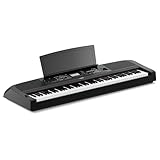
- Acoustic Piano Touch: Weighted keyboard action is heavier in the low keys and lighter in the high keys for practice or playing for friends and family
- Grand Piano Sound: CFX Stereo Sampling faithfully reproduces the sound of Yamaha's flagship CFX Full Concert Grand complete with the natural resonance and rich, full tones of its internal mechanics

What to Consider Before Investing in a Professional Digital Piano
A digital piano is more than just a piece of musical equipment; it is a comprehensive solution for developing technical proficiency, exploring complex arrangements, and enjoying a world-class grand piano experience without the logistical nightmares of tuning and climate control. When you invest in a high-quality digital piano, you are essentially buying a portal to consistent practice and professional-grade recording capabilities. For the modern home, it solves the problem of space and volume, allowing for late-night sessions that don’t disturb the household while maintaining the “feel” of a traditional acoustic instrument.
The ideal customer for the Yamaha DGX-670B 88-Key Weighted Digital Piano is someone facing the limitation of having only one space for both practice and production. It is perfect for the intermediate student who wants to stay engaged through variety, or the semi-professional gigging musician who needs a “band in a box” for solo performances. However, it might not be suitable for the strictly classical purist who demands a wooden-key action and nothing else, nor is it for the ultra-mobile musician who needs a feather-light board for subway travel, as this unit carries significant weight. Those seeking a permanent furniture piece might also need to factor in the cost of the optional stand.
Before investing, consider these crucial points in detail:
- Dimensions & Space: At 55 inches wide and nearly 18 inches deep, the Yamaha DGX-670B 88-Key Weighted Digital Piano requires a dedicated footprint. Unlike slim-line portable pianos, its substantial chassis accommodates a powerful speaker system and a large color display. You must ensure your room or stage can handle its 67-pound frame, which often necessitates a sturdy, permanent stand rather than a flimsy X-stand.
- Key Action and Performance: Not all “weighted” keys are created equal. You should look for Graded Hammer Standard (GHS) or better, which mimics the heavier feel in the low end and lighter touch in the highs. High polyphony (at least 256 notes) is also essential if you plan to use layering or heavy sustain, ensuring that notes don’t “drop out” during complex passages.
- Sound Engine and Sampling: The quality of the primary piano sound is the heart of the instrument. Look for samples from world-class concert grands, such as the Yamaha CFX. Beyond the piano, the quality of “Super Articulation” voices can make or break the realism of non-piano instruments like saxophones or guitars during accompaniment play.
- Connectivity and Future-Proofing: In the modern era, a piano should talk to your devices. Built-in Bluetooth audio allows you to stream backing tracks, while a USB-to-Host connection turns your piano into a MIDI controller for software. Microphone inputs with internal processing are a massive bonus for singer-songwriters looking to simplify their setup.
Choosing the right digital piano is a long-term commitment to your musical journey. While the Yamaha DGX-670B 88-Key Weighted Digital Piano is an excellent choice, it’s always wise to see how it stacks up against the competition. For a broader look at all the top models, we highly recommend checking out our complete, in-depth guide:

- Acoustic Piano Feel - Touch-sensitive keys allow for true expression and dynamic performance. The weighted action replicates the acoustic piano experience

- 🎹【Weighted Digital Piano】- The digital piano with 88 SEMI-Weighted Keys simulates the real touch of playing the piano. Half-weighted keys reduce the sense of strength than full-weighted keys...

- The Ultimate Practice Keyboard for Beginners - Portable, lightweight, and easy-to-use music keyboard with built-in speakers delivering rich sound for an authentic and inspiring playing experience
Unboxing and First Impressions: A Beast with a Brain
When the Yamaha DGX-670B 88-Key Weighted Digital Piano first arrived at our studio, the first thing we noticed was the sheer weight of the box. This is not a “toy” keyboard; it is a serious piece of musical furniture. Unboxing it reveals a sleek, matte black finish that feels premium to the touch. The interface is dominated by a beautiful, high-resolution color screen which immediately sets it apart from the older DGX-660. Before you even play a note, you can see its full feature set and user reviews, which highlight just how much tech Yamaha has packed into this chassis.
The assembly is straightforward but requires two people due to the 67-pound weight. Once placed on a stand, the layout feels logical. Yamaha has moved away from the cluttered look of previous generations, opting for a cleaner design where the “Piano Room” button takes center stage. This button is a stroke of genius—it bypasses all the complex menus and returns you instantly to a pure, optimized grand piano setting. Comparing it to the older models, the build quality feels more “pro” and less “consumer,” suggesting that this instrument is built to handle years of enthusiastic playing. You can check the latest price and availability to see why this model has become a staple for home studios.
What We Love
- Exquisite Yamaha CFX Concert Grand sampling with Virtual Resonance Modeling.
- Incredible 630 high-quality voices including “Super Articulation” instruments.
- Smart Chord and Adaptive Style features that follow your playing intensity perfectly.
- Integrated microphone input with professional-grade vocal effects and harmony.
What Could Be Better
- At nearly 68 pounds, it is quite difficult to transport for regular gigging.
- The furniture stand and three-pedal unit are sold separately, adding to the total cost.
A Deep Dive into the Performance of the Yamaha DGX-670B 88-Key Weighted Digital Piano
The Foundation: GHS Action and the CFX Sound Engine
As we spent more time with the Yamaha DGX-670B 88-Key Weighted Digital Piano, it became clear that Yamaha didn’t compromise on the fundamental piano experience. The Graded Hammer Standard (GHS) keyboard action is a feature we found to be remarkably consistent. For those transitioning from an acoustic piano, the weight in the lower octaves provides that necessary resistance for building finger strength, while the higher keys feel light and nimble. One user noted that the “sound quality and feel are perfect,” and we tend to agree, especially considering the price bracket. The CFX Stereo Sampling is the crown jewel here; it’s a bright, expressive sound that cuts through a mix but remains delicate enough for solo classical work. When we tested the Virtual Resonance Modeling (VRM), the way the “strings” interact when the damper pedal is pressed felt eerily close to a real acoustic grand. It’s a feature that really sets it apart from more basic digital pianos that often sound “static” or “looped.”
Adaptive Style: Your Personal, Intelligent Backup Band
The “arranger” side of the Yamaha DGX-670B 88-Key Weighted Digital Piano is where the fun truly begins. We were particularly impressed with the “Adaptive Style” feature. Unlike traditional accompaniment that just loops a drum beat, Adaptive Style actually monitors the velocity and complexity of your playing. If you play softly, the band stays in a “mellow” groove; as you dig in and play more aggressively, the drums and bass respond with more intensity. It feels less like playing along to a MIDI file and more like interacting with actual musicians. With 263 styles ranging from Jazz to EDM, the creative possibilities are staggering. We spent hours layering “Super Articulation” voices—like a saxophone that includes the sound of breath and key clicks—over these styles. This level of detail makes the Yamaha DGX-670B 88-Key Weighted Digital Piano an incredible tool for songwriters who want to sketch out full band arrangements quickly. You can explore the full range of sounds and styles to see the sheer depth of this engine.
The Singer’s Advantage: Mic Input and Vocal FX
For the performing singer-songwriter, the Yamaha DGX-670B 88-Key Weighted Digital Piano offers a massive convenience: a dedicated microphone jack. We tested this by plugging in a standard dynamic mic and were shocked by the quality of the built-in vocal effects. It’s not just a basic reverb; it includes professional-grade compressors, EQs, and most impressively, vocal harmony. The piano can actually “read” the chords you are playing and generate three-part harmonies for your voice in real-time. This transforms a solo performance into a full-sounding production. For home users, the built-in score display on the color screen makes learning new songs a breeze, as it can display MIDI files as sheet music. We found this to be an excellent motivator for students who want to see their progress visually. The ability to record your performance—vocals and all—directly to a USB thumb drive as a high-quality WAV file is a workflow dream for anyone looking to share their music quickly.
Modern Connectivity and the “Piano Room” Experience
One of the most modern touches on the Yamaha DGX-670B 88-Key Weighted Digital Piano is the Bluetooth audio integration. We found ourselves frequently streaming backing tracks from a tablet directly through the piano’s 10W+10W speaker system. The speakers are surprisingly robust, with a dedicated tweeter and woofer setup that provides a clear high end and a punchy low end. This isn’t just a gimmick; it makes practicing along with your favorite recordings an immersive experience. Additionally, the “Piano Room” feature allows you to customize your environment. You can “place” your piano in a concert hall, a cathedral, or a small room, and even adjust the lid position. This level of customization ensures that you never feel stuck with just one sound. For those looking to integrate with modern tech, the compatibility with Yamaha’s “Smart Pianist” app is a game-changer, allowing you to control almost every function of the piano from your iPad’s touchscreen. We recommend you check out the detailed compatibility specs to see how it fits into your existing gear setup.
Real World Feedback: What Other Users Are Saying
The general consensus among the musical community regarding the Yamaha DGX-670B 88-Key Weighted Digital Piano is overwhelmingly positive, though it does cater to a specific type of player. Many users have described it as a “professional sounding keyboard for the price,” with one reviewer highlighting that it holds its own even when run through a large PA system. The Bluetooth function is frequently cited as a favorite “experience” feature, making practice feel more like a performance.
However, the feedback isn’t without its nuances. A professional classical pianist mentioned that while they “wanted to love it,” they ended up only “liking it” because the key action, while good, didn’t quite match the nuance of a high-end acoustic grand for extremely complex pieces. Another user noted that the action felt “kind of funny,” sitting somewhere between a piano and a keyboard. Despite these specific critiques from purists, the vast majority of users—from beginners to studio musicians—praise its versatility. One veteran player of 40 years even called it the “best all-around do-it-all keyboard” they have ever owned. This reinforces our finding that while it may not replace a $20,000 Steinway for a concert pianist, it is arguably the most versatile instrument in its price bracket for everyone else.
How the Yamaha DGX-670B Compares to the Competition
To help you make the most informed decision, we’ve compared the Yamaha DGX-670B 88-Key Weighted Digital Piano against three other popular models in the category. Each offers a slightly different focus, from portability to traditional aesthetics.
1. Donner DDP-90 88-Key Weighted Digital Piano
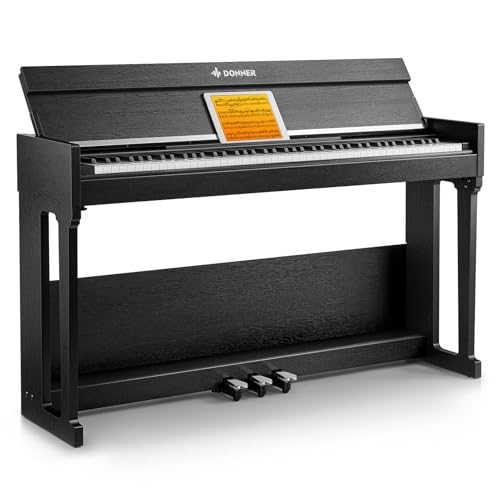
- Updated DDP-90 Pro: This upgraded digital piano now features 238 tones, 200 rhythms, and 100 songs, giving players far more options for practice, composition, and performance
- First Digital Piano For Modern Living Space: DDP-90 Pro is smaller and lighter than the normal piano without affecting sound quality, specially designed for the Compact Family Room. With a...
The Donner DDP-90 is a stark contrast to the DGX-670B in terms of design. While the Yamaha is a tech-heavy powerhouse, the Donner DDP-90 focuses on a minimalist, “furniture-first” approach with a slim profile that fits into tight spaces. It features a weighted action and three pedals included in the box, which is a value-add over the Yamaha. However, it lacks the massive sound library, the color screen, and the sophisticated arranger features of the DGX-670B. If you are a beginner looking for a simple, attractive digital piano that looks like a piece of art and you don’t care about backing tracks or vocal effects, the Donner is a solid, budget-friendly alternative. However, for those who want to grow into music production, the Yamaha remains the superior choice.
2. Yamaha P45B 88-Key Weighted Digital Piano
- Acoustic Piano Keyboard Feel – Touch-sensitive keys allow for dynamic performances. The 88-key weighted keyboard action replicates the acoustic piano experience
- Variety of Instrument Sounds – Choose from 10 unique Voices, including the richness and resonance of a Yamaha grand piano, with full immersive sound and deep bass
The Yamaha P45B is the “little brother” in the Yamaha lineup. It shares a similar GHS key action, making the tactile feel comparable, but it is stripped of almost every “extra” feature found on the DGX-670B. It is significantly lighter and more portable, making it the better choice for students who need to carry their piano to lessons or rehearsals. However, it only offers 10 basic sounds and has no built-in screen or accompaniment styles. If you are a purist on a strict budget who only needs a “piano” and nothing else, the P45B is a reliable workhorse. But if you have the extra budget, the jump to the DGX-670B provides a thousand times more creative utility.
3. Donner DDP-300 88-Key Digital Piano

- 【88 Weighted Key Digital Piano】Experience the authentic touch of an acoustic piano from a digital piano. With bass keys that feel heavier and treble keys that are lighter, the DDP-300 electric...
- 【High-Quality Sound Selection】Savor 10 HD timbres from top grand pianos & 128 polyphony for intricate melodies. MIDI output empowers creativity. Metal pedals elevate live performances
The Donner DDP-300 attempts to bridge the gap between a traditional digital piano and a modern feature set. It offers 10 voices and Bluetooth connectivity, housed in a more traditional wooden cabinet. While its Graded Hammer Action is impressive for the price, it still feels a bit less refined than the Yamaha’s GHS system. The DDP-300 is an excellent mid-range choice for home use if you prefer the “upright piano” look and don’t need the hundreds of voices and complex arranger styles that the Yamaha provides. It’s a “classic” experience, whereas the Yamaha DGX-670B 88-Key Weighted Digital Piano is a “modern” experience. If you enjoy experimenting with different genres and recording, the Yamaha’s tech-heavy interface is well worth the investment over the Donner.
The Final Verdict: Is the Yamaha DGX-670B Right for You?
After weeks of testing and comparing, we can confidently say that the Yamaha DGX-670B 88-Key Weighted Digital Piano is one of the most impressive “bang-for-your-buck” instruments currently on the market. It successfully bridges the gap between a serious practice tool and a professional creative workstation. Its primary strength lies in its versatility; it is just as comfortable playing a Chopin Nocturne as it is backing a singer with a full Brazilian bossa nova band. While it is heavy and the optional stand/pedals add to the cost, the quality of the CFX sound engine and the intelligence of the Adaptive Styles are features you simply won’t find combined anywhere else at this price point.
We recommend this piano to intermediate players who are bored with traditional practice, singer-songwriters who want a one-stop shop for recording, and families who want an instrument that can grow with their children’s changing musical tastes. If you are ready to take your musical journey to the next level, we highly suggest you check the current price and secure yours today—this is an investment in your creativity that will pay dividends for years to come.
Last update on 2026-10-17 / Affiliate links / Images from Amazon Product Advertising API