
Universal Audio UAFX Dream ’65 Reverb Amplifier Review: The Definitive Digital Deluxe Experience
We have all been there: standing on a cramped stage or in a small studio apartment, staring at a massive, 40-pound tube amplifier that sounds like heaven but feels like a literal burden. For decades, the mid-’60s American tube combo has been the “gold standard” for clean tones, pedal-friendly headroom, and that unmistakable spring reverb. However, owning an original unit comes with a host of complications: they are expensive, fragile, loud, and incredibly heavy. If you live in a city or frequently record direct into a computer, cranking a 22-watt tube amp to the “sweet spot” is often an impossible dream.
Failing to solve this problem usually leads to settling for lackluster digital “modeling” that feels thin or “fizzy” in the high end. You lose the tactile response—the way an amp “breathes” when you dig into the strings. This is why the search for a truly authentic amp-in-a-box is so critical for modern players. We need the soul of 1965 in a format that fits on a pedalboard, and that is precisely where the Universal Audio UAFX Dream ’65 Reverb Amplifier enters the conversation.

- Powerful UAFX dual-engine delivers the most authentic mid-'60s American tube combo sound ever placed into a stompbox
- Authentic spring reverb and vibrato modeled from a "golden unit" amp heard on more than 100 classic records

What to Consider Before Investing in Electric Guitar Delay & Reverb Effects
An Electric Guitar Delay & Reverb Effects unit is more than just an item; it’s a key solution for players looking to sculpt their sonic identity and bridge the gap between traditional hardware and modern convenience. These devices allow us to recreate complex acoustic environments and historical gear nuances without the need for a million-dollar studio. Whether you are adding a subtle sense of space or completely transforming your guitar’s signal into an ethereal soundscape, the quality of your effects engine dictates the professional polish of your final output.
The ideal customer for this type of product is someone facing the limitations of a “silent stage” or home recording environment, while it might not be suitable for those who strictly prefer the raw, moving air of a physical 4×12 cabinet and have no intention of ever using headphones or recording direct. For most of us, however, the ability to see its full feature set and user reviews reveals a tool that simplifies life immensely without sacrificing the “vibe” of high-end analog gear.
Before investing, consider these crucial points in detail:
- Dimensions & Space: When building a pedalboard, every square inch is precious. You need to look for a unit that offers high-density features—like integrated reverb, tremolo, and amp modeling—in a single enclosure. This saves you from buying three separate pedals and managing the messy cable runs that come with them.
- Capacity/Performance: In the digital realm, performance is measured by “latency” and “DSP power.” You want a processor that can handle complex algorithms without a delay between your pick attack and the sound. High-end dual-engine processors are the gold standard here, providing the “feel” of real tubes.
- Materials & Durability: Since these units are often stepped on, the quality of the switches and the chassis is paramount. Look for die-cast metal enclosures and heavy-duty footswitches. A cheap plastic housing might save money upfront but will inevitably fail during a high-stakes performance or tour.
- Ease of Use & Maintenance: A great pedal should be “plug-and-play” while offering “deep-dive” features via a mobile app or USB connection. Check for firmware update availability and how easily you can swap speaker cabinets or microphone settings. Long-term care involves keeping the jacks clean and ensuring you have a high-quality, isolated power supply.
Choosing the right center-piece for your rig is a journey. While the Universal Audio UAFX Dream ’65 Reverb Amplifier is an excellent choice, it’s always wise to see how it stacks up against the competition. For a broader look at all the top models, we highly recommend checking out our complete, in-depth guide:
Our Expert Guide to the Best Electric Guitar Delay and Reverb Effects Pedals for Professional Tone

- Dual Effects Design: Digital Delay and Plate Reverb 2 effects combined in 1 guitar effects pedal for versatile sound options, compact dimensions for easy integration into pedalboards

- The Flamma Ekoverb features 3 combinations of delay and reverb effects that consist of a Reverse Delay/Swell Reverb setting, Analog Echo Delay/Mod Reverb, and a classic Analog Delay/Shimmer Reverb...

- 🎸🎸【9 AMP Models & 8 IR CAB】LEKATO Multi-functional Guitar Effects Pedal with Distortion Overdrive,Delay,Reverb effects, including 9 Amp preamps and 8 classic IR cabinets body model, Support...
First Impressions: Unboxing the Universal Audio UAFX Dream ’65 Reverb Amplifier
When we first pulled the Universal Audio UAFX Dream ’65 Reverb Amplifier out of its box, the immediate takeaway was the weight and build quality. It doesn’t feel like a toy; it feels like a precision instrument. The deep red finish is striking, and the vintage-style knobs provide just the right amount of resistance. It’s clear that Universal Audio aimed to make this pedal look as classic as the amplifier it emulates. Compared to previous amp-sim pedals we’ve tested, which often feel light and utilitarian, the Dream ’65 has a reassuring heft (562 grams) that suggests it can survive years of stomping.
Setting it up was remarkably straightforward. While it’s packed with technology, the top-panel controls are intuitive: Volume, Reverb, Output, Low, High, and Intensity. It bypasses the “menu diving” that plagues so many modern digital processors. Within minutes of plugging in, we were able to check the latest price and availability and confirm that the tactile experience matches the high-end price tag. It truly feels like a premium piece of studio gear shrunk down into a stompbox format.
Key Benefits
- Unrivaled “Golden Unit” tube amp emulation that reacts to your playing dynamics.
- Stunningly realistic spring reverb and tube-driven vibrato/tremolo.
- Six distinct speaker/cabinet pairings that offer incredible tonal variety.
- “Hot Rod” modifications including the legendary D-Tex and Lead boosts.
Limitations
- Does not include a power supply, requiring a high-current (400mA) isolated source.
- Some users have reported quality control issues with the footswitches on early units.
The Deep Dive: Testing the Universal Audio UAFX Dream ’65 Reverb Amplifier Performance
Authentic Tube Response: The Power of the UAFX Dual-Engine
The heart of the Universal Audio UAFX Dream ’65 Reverb Amplifier is the dual-engine processor, which is leagues ahead of standard modeling. In our testing, we focused on how the pedal handles “breakup”—that magical transition from clean to overdriven. Many digital pedals fail here, sounding brittle or “digital” as the gain increases. However, we found that the Dream ’65 cleans up beautifully when you roll back your guitar’s volume knob, just like a real 1965 Deluxe Reverb. It captures the sag and compression of a tube-rectified circuit with startling accuracy.
We spent hours A/B testing this against a real vintage combo, and the harmonic richness was almost indistinguishable in a mix. Whether we were playing soft jazz licks or aggressive blues-rock, the “feel” under the fingers was there. This isn’t just a static snapshot of an amp; it’s a living, breathing emulation. One user noted that this box “beats the pants off” other headphone amplifiers they had used, and we have to agree. The depth of the soundstage makes you forget you are listening to a pedal and a pair of monitors. It’s a feature that really sets it apart from cheaper alternatives that lack this processing horsepower.
Modding the Classic: Exploring the “Hot Rod” Speaker and Boost Options
While the stock ’65 Deluxe sound is the main draw, the Universal Audio UAFX Dream ’65 Reverb Amplifier offers much more via its “Mod” switch. We found ourselves frequently gravitating toward the “D-Tex” mod, which emulates the SRV-style “Texas Flood” tone by adding a mid-heavy boost and a more aggressive speaker response. The “Lead” mod, based on a classic OD pedal circuit, provides a smooth, singing sustain that is perfect for soloing without needing an external drive pedal.
The speaker cabinet emulations are equally impressive. You get the classic Oxford 12-inch, but upon registration, you can download additional “Golden Unit” cabs like the Celestion V30 or the boutique EV12. Each cabinet completely changes the EQ curve and the “air” around the notes. We found that switching to the 2×12 GB25 cab instantly gave us a bigger, more authoritative “rock” sound while maintaining the mid-60s American character. This level of customization allows the Dream ’65 to function as a chameleon in the studio, fitting into any genre from country to indie rock.
Studio Versatility: Direct Recording and Mobile Customization
One of the most powerful aspects of the Universal Audio UAFX Dream ’65 Reverb Amplifier is its integration with the UAFX mobile app. While the pedal functions perfectly as a standalone unit, the app allows you to customize the footswitch functions—switching between a “live” mode and a “preset” mode. This essentially gives you two different “channels” at your feet. For example, we set our live mode for a sparkling clean rhythm tone and our preset for a saturated lead tone with heavy vibrato.
In a recording context, the stereo outputs are a game-changer. Running the Dream ’65 in stereo creates a massive soundscape, especially when using the built-in spring reverb. We found that going direct into an audio interface yielded professional, “mix-ready” tones immediately. As one user mentioned, if you have “no room in a cramped apartment for a big amp,” this pedal is the ultimate solution. It removes the need for microphones, room treatment, and high volumes, allowing you to capture world-class guitar tracks at 3:00 AM without waking the neighbors. You can explore the connectivity options further here to see how it fits into your specific recording setup.
Reverb and Vibrato: The Soul of 1965
We cannot talk about the Universal Audio UAFX Dream ’65 Reverb Amplifier without discussing the effects. The spring reverb modeled here is based on a specific “Golden Unit” tank, and it is arguably the best digital spring reverb we have ever heard in a pedal. It has that distinctive “drip” and “sproing” that surf guitarists crave, but it can also be dialed back for a subtle, plate-like shimmer. Unlike many built-in digital reverbs that sit “on top” of the dry signal, this reverb feels integrated into the amp’s circuitry.
The vibrato (which is technically a sine-wave tremolo in these vintage circuits) is equally mesmerizing. It has a beautiful, hypnotic throb that doesn’t “cut” the signal too harshly. We found that setting the intensity to 12 o’clock and the speed to a slow pulse provided an instant “vintage vibe” to our clean tracks. The fact that you get these two world-class effects alongside a world-class amp model makes the Dream ’65 an incredible value, despite its premium price point. It really is an all-in-one solution for that specific mid-60s aesthetic.
What Other Users Are Saying
The general sentiment among professional musicians and hobbyists alike is overwhelmingly positive, with many calling the Universal Audio UAFX Dream ’65 Reverb Amplifier the most realistic amp pedal on the market. One user raved, “The quality of Universal Audio equipment holds true here. Sounds fantastic. Perfect tones and natural reverb.” Another guitarist who previously used the Simplifier DLX noted that while that pedal was good, the “Dream ’65 makes it feel like quantity over quality, whereas UA offers the best quality of tone you can find.”
However, it hasn’t been a perfect launch for everyone. A few users reported receiving units with damaged activation buttons or broken switches right out of the box. One reviewer mentioned, “Out of the box, it came with a broken switch… unacceptable for an expensive product.” There were also complaints about receiving units with “greasy fingerprints” or scratches, suggesting some issues with packaging or handling during shipping. It is also worth noting the warning from one user about “3-D printed fake pedals” being sold by unverified third parties—always ensure you are buying from a reputable source to avoid these scams. Despite these hardware complaints, the sound quality itself remains undisputed as a five-star achievement.
Comparing the Universal Audio UAFX Dream ’65 Reverb Amplifier to the Competition
While we believe the Dream ’65 is a top-tier choice, it is important to see how it compares to other solutions in the Electric Guitar Delay & Reverb Effects category. Depending on your budget and specific needs, one of these alternatives might be a better fit.
1. Orange Crush 35 2-Channel Reverb Amplifier
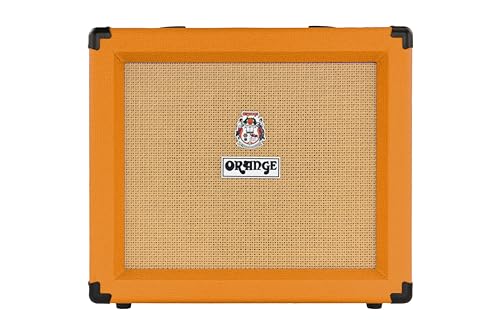
- Footswitchable channels and an analogue signal path
- Cab Sim loaded headphone output
The Orange Crush 35 is a very different beast. It is a physical solid-state amplifier rather than a digital pedal. For players who still want a physical speaker cabinet and 35 watts of power to fill a room, this is a fantastic budget-friendly option. While it doesn’t offer the hyper-realistic “tube sag” or the sophisticated cab-sims of the Universal Audio UAFX Dream ’65 Reverb Amplifier, it provides a great analog feel and a built-in reverb that is perfect for practice or small rehearsals. It’s the right choice for beginners or those who aren’t ready to go “ampless” yet.
2. Walrus Audio Slö Multi Texture Reverb

- Allows players to create lush, modulated, sleepy and ambient soundscapes
- Dark – add a lower octave to your reverb trail. Here you'll create deep and wide atmospheric sounds and channel nightmarish soundscapes. X knob sets the level of a -1 octave signal that feeds the...
If your primary goal is creative, ambient reverb rather than realistic amp modeling, the Walrus Audio Slö is a strong contender. While the Dream ’65 focuses on the “drip” of a vintage spring, the Slö is designed for lush, modulated, and atmospheric “dreamscapes.” It is a specialized tool for shoegaze and ambient players. However, it doesn’t include amp or cabinet simulation, so you would still need an amplifier or another pedal to handle your core tone. We suggest checking this out if you already have a great amp sound and just want more creative reverb textures on your board.
3. JHS Pedals 3 Series Reverb Pedal

- Made in Kansas City USA
- An extremely versatile unit that allows you to achieve any reverberation effect, all the way from small room sounds to nearly endless washes of ambiance
The JHS 3 Series Reverb is the “minimalist’s dream.” It offers a simple, high-quality reverb in a no-frills enclosure for a fraction of the price. It’s excellent if you just need a standard room or hall reverb to add some space to your signal. However, it lacks the vibrato, the multiple speaker models, and the “Golden Unit” amp circuitry that makes the Universal Audio UAFX Dream ’65 Reverb Amplifier so special. It’s a great utility pedal for a basic setup, but it won’t replace your amp the way the Dream ’65 can.
The Final Verdict: Is the Dream ’65 Worth It?
After extensive testing, our conclusion is clear: the Universal Audio UAFX Dream ’65 Reverb Amplifier is the most authentic recreation of a mid-’60s tube amp currently available in a pedal format. Its strengths lie in its incredible “feel,” the stunning accuracy of its spring reverb, and the versatility of its speaker and boost mods. While the lack of a power supply and the occasional quality control report are worth noting, the sheer sonic quality far outweighs these minor hurdles. We recommend it to any guitarist who needs “that” sound for recording, silent stages, or home practice without the hassle of a vintage amp.
Whether you are a touring professional or a home studio enthusiast, this pedal will likely become the most important tool on your board. If you have been searching for the soul of 1965 without the back-breaking labor of moving heavy gear, look no further. To start your journey toward the perfect guitar tone, get your Universal Audio UAFX Dream ’65 Reverb Amplifier today and experience the “Golden Unit” for yourself.
Last update on 2026-10-16 / Affiliate links / Images from Amazon Product Advertising API