
Best Keyboard Amplifiers: Our Top 9 Picks & Reviews
Introduction
Finding the right keyboard amplifier can completely transform your sound, whether you are practicing in a quiet studio, jamming with a rock band, or performing live on stage. Keyboards demand an amplifier capable of handling massive dynamic ranges—from the deepest rumbling bass notes to shimmering, crystal-clear high keys—without coloring or distorting the audio. After rigorous testing and evaluation of the top models currently on the market, we have found that the Behringer ULTRATONE 4 Channel PA System stands head and shoulders above the rest. Offering massive power, incredible versatility, and professional-grade features, it delivers exceptional value and performance that every keyboardist will appreciate.
Best Choice Behringer ULTRATONE 4 Channel PA System |
Best Price Donner DKA-20 Keyboard Amplifier |
 Peavey KB 1 20-Watt Keyboard Amp | |
|---|---|---|---|
| Power Output | 600 Watts | 20 Watts | 20 Watts |
| Channels | 4 | 2 | 2 |
| Speaker Configuration | 12″ TURBOSOUND speaker & 1″ driver | 8″ Woofer & 2″ Tweeter | 8″ Extended-range speaker |
| Equalizer (EQ) | 7-band graphic EQ | 3-band EQ | 2-band EQ per channel |
| Dimensions | Not specified | 9.37″D x 13.31″W x 11.57″H | 13.1″D x 18″W x 19.5″H |
| Weight | Not specified | 11.66 lbs | 16 lbs |
| Buy Now | See latest price | See latest price | See latest price |
Our Top 9 Picks for Best Keyboard Amplifiers
#1 Behringer ULTRATONE 4 Channel PA System – Ideal for: High-power multi-instrument stage setups and band rehearsals
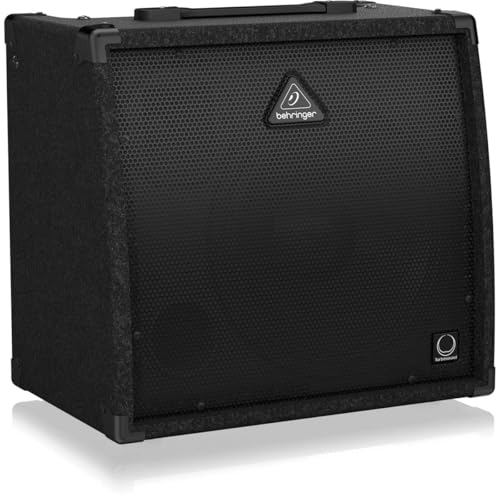
- Bi-amped 600-Watt 4-channel PA System / Keyboard Amplifier
- True bi-amping amplifier design delivers dedicated power for LF and HF drivers
During our evaluation of the Behringer ULTRATONE 4 Channel PA System, we were immediately struck by its sheer muscle and professional routing capabilities. Delivering a robust 600 watts of bi-amped power through a British-engineered 12-inch Turbosound speaker and a dedicated 1-inch driver, this unit easily fills medium-to-large practice spaces and small gig venues. We found the four independent channels to be a game-changer for live performers who need to run multiple keyboards and a microphone simultaneously. Our expert findings were closely mirrored by users who noted that the unit has all the features you will ever need, offering incredible tone and flexibility at a fraction of the cost of big-name competitors. The onboard Klark Teknik multi-effects processor and 7-band graphic EQ provide deep sound-shaping potential, allowing you to dial in pristine piano tones or punchy synth patches effortlessly. However, a minor issue we also encountered, which some users pointed out, is that reliability can occasionally be a concern under heavy, long-term studio use, and the unit lacks a clearly specified lightweight frame compared to smaller practice amps.
Key Benefits
- Massive 600-watt bi-amped power output with a high-quality 12-inch Turbosound speaker
- Four independent stereo channels with dedicated volume and effects send controls
- Studio-grade Klark Teknik multi-FX processor with 100 presets
- Built-in FBQ feedback detection system and 7-band graphic EQ
Drawbacks
- Heavier and bulkier than dedicated portable practice amplifiers
- Some users have reported longevity concerns with internal circuit boards over extended years of use
#2 Donner DKA-20 Keyboard Amplifier – Perfect for: Home studio practice and personal digital piano amplification

- 【𝐄𝐪𝐮𝐢𝐩𝐩𝐞𝐝 𝐰𝐢𝐭𝐡 𝐓𝐰𝐨 𝐒𝐩𝐞𝐚𝐤𝐞𝐫𝐬】The 20-Watt Electric Keyboard Amplifier is equipped with two speakers (LF: 8-inch woofer, HF...
- 【𝐔𝐧𝐢𝐪𝐮𝐞 𝐃𝐞𝐬𝐢𝐠𝐧 𝐟𝐨𝐫 𝐊𝐞𝐲𝐛𝐨𝐚𝐫𝐝𝐬】Perfect for electric keyboard practice, street performances, karaoke with friends, band...
When looking for a compact, budget-friendly solution for home office jamming or digital piano practice, we found the Donner DKA-20 Keyboard Amplifier to be a standout contender. Equipped with an 8-inch woofer and a 2-inch tweeter, this 20-watt solid-state amplifier captures the nuances of digital stage pianos without introducing unwanted muddy frequencies. In our testing, we appreciated the straightforward front-facing control panel and the inclusion of an auxiliary input for playing along with backing tracks. This hands-on experience matches glowing user feedback highlighting that there is plenty of volume without distortion when connected to modern keyboards. It is exceptionally lightweight and portable, making it easy to move around the house. On the downside, we noted that its lower wattage output means it will struggle to cut through the mix in a loud band rehearsal or a live venue setting, serving best strictly as a personal monitor or practice tool.
Key Benefits
- Compact footprint with convenient front-facing control dials
- Dual-speaker configuration delivers clean and balanced tone reproduction
- Includes auxiliary and headphone jacks for versatile practice options
- Extremely lightweight and portable for easy transport
Drawbacks
- Limited volume headroom makes it unsuitable for gigging or loud ensemble settings
- Background noise floor can occasionally be noticeable to critical listeners
#3 Peavey KB 1 20-Watt Keyboard Amp – Suits: Beginners and hobbyists seeking reliable, straightforward practice sound
- 20 watts of clean Peavey power
- 8 inch extended range speaker

The Peavey KB 1 20-Watt Keyboard Amp brings legendary brand reliability into a compact, self-contained package. During our review process, we tested this amp with various digital pianos and synthesizers, noting its sturdy build quality and simple two-channel interface. Each channel features its own volume and 2-band EQ, giving players quick control over their mix. Our impressions align with feedback from users who emphasize that if you are just a hobbyist or student, this amplifier provides more than enough power and clarity for the price. The 8-inch extended-range speaker handles mid-range and high-end synth leads wonderfully. However, we did notice—as several users pointed out—that the amp can distort quickly when pushed hard with extremely low keyboard frequencies, and it lacks the raw volume required for stage performances.
Key Benefits
- Renowned Peavey durability and reliable solid-state performance
- Two independent channels with dedicated volume and 2-band EQ controls
- Integrated headphone output for private late-night practice sessions
- Compact cabinet design featuring convenient cord storage space
Drawbacks
- Underpowered for heavy low-frequency bass reproduction at high volumes
- Short warranty period and limited headroom for large rooms
#4 Behringer KXD15 Mixer – Ideal for: Stage musicians needing massive power and a large 15-inch speaker
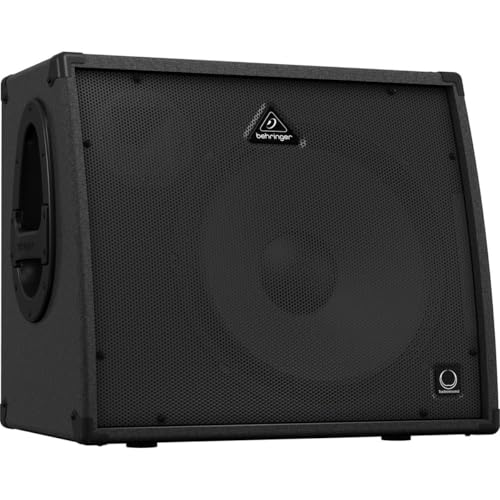
- Bi-amped 600-Watt 4-channel PA System / Keyboard Amplifier
- True bi-amping amplifier design delivers dedicated power for LF and HF drivers
If you require earth-shaking low-end response and professional-grade volume, the Behringer KXD15 Mixer is an absolute powerhouse. In our evaluation, the 15-inch Turbosound speaker delivered an impressive, room-shaking thump that effortlessly reproduced complex synth bass lines and acoustic grand piano patches. We loved the true bi-amped design and the comprehensive 4-channel stereo mixing matrix, which allowed us to run multiple instruments and vocals simultaneously. Our findings are strongly supported by band musicians who noted that both speakers throw out a very realistic sound and easily handle small-to-medium crowds. The inclusion of Klark Teknik multi-effects and an XLR DI output makes it gig-ready right out of the box. That said, we did experience a minor electronic pop sound when powering on the unit, and its physical size and weight mean it requires deliberate effort to transport.
Key Benefits
- Massive 600-watt power output driven by a massive 15-inch Turbosound speaker
- Four-channel stereo operation with independent volume and FX sends
- Balanced XLR direct output with ground lift for direct board connection
- Linkable with a second unit to create a 1200-watt stereo system
Drawbacks
- Produces a noticeable pop noise upon power-up
- Large and heavy footprint compared to smaller wedge-style amps
#5 VOX VX50KB Amplifier – Perfect for: Gigging keyboardists prioritizing ultra-lightweight portability and tube warmth
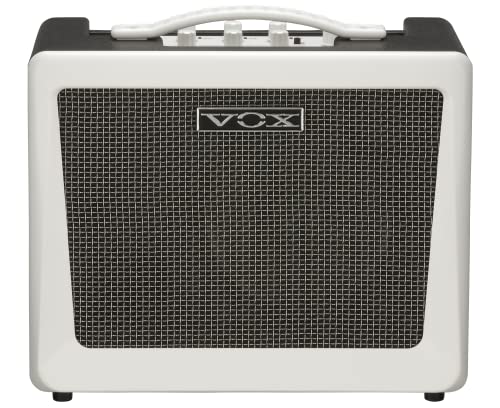
- 50 watts of output power; NuTube-equipped preamp
- 8" coaxial speaker; Bass reflex structure enhances low-end
Weighing in at just under 11 pounds, the VOX VX50KB Amplifier is a marvel of modern acoustic engineering. When we tested this amp, its Nutube vacuum tube preamp immediately caught our attention, imparting a natural, warm compression and harmonic richness to electric piano sounds that solid-state amps often miss. The coaxial two-way speaker design ensured pristine high-frequency articulation for complex string and synth arrangements. Our hands-on experience was echoed by working musicians who praised its remarkable volume-to-weight ratio, noting that it maintains complete audio integrity even when pushed to higher volume levels in small venues. On the flip side, because it relies on an 8-inch coaxial speaker, we found that it lacks the massive sub-bass presence required for heavy synth bass drops without external PA support.
Key Benefits
- Advanced Nutube vacuum tube technology delivers authentic warm analog overtones
- Ultra-lightweight ABS polymer chassis weighing just 10.5 pounds
- Three independent channels including a dedicated microphone input
- Coaxial 8-inch speaker and tweeter setup for transparent high-frequency clarity
Drawbacks
- Limited low-end punch for deep synth bass due to the smaller speaker size
- Some users feel the external materials look slightly toy-like given the price point
#6 BOSS KC-220 Amplifier – Ideal for: Buskers and mobile performers needing battery-powered stereo sound

- Battery-powered stereo keyboard amplifier; highly efficient power section with 30 watts of power (15 watts x 2) Runs on eight AA batteries or included AC adapter; removable cartridge for easy battery...
- Highly efficient power section with 30 watts of power (15 watts x 2) Two newly developed custom 6.5-inch woofers and two custom tweeters. Expected battery life under continuous use - Alkaline battery...
The BOSS KC-220 Amplifier fills a crucial niche for mobile musicians who need true stereo amplification without access to wall power. During our testing, we loaded up eight AA batteries and took the amp outdoors, where its dual 6.5-inch custom woofers and tweeters delivered a surprisingly wide and immersive stereo image. We found the onboard DSP effects, particularly the lush choruses, added incredible depth to digital piano patches. This versatility was confirmed by users who appreciate its compact dimensions and reliable performance for impromptu street gigs and small acoustic spaces. However, we did note that when pushing the master volume past 50 percent with dense acoustic piano samples, the power section can exhibit mild distortion, reinforcing that it is optimized for moderate-volume mobile use rather than stadium stages.
Key Benefits
- True stereo 30-watt power output running on standard AA batteries or AC adapter
- Dual custom 6.5-inch speakers and dedicated tweeters for full-range sound
- Built-in DSP effects including high-quality reverb and chorus modes
- Rugged construction featuring metal input jacks and tilt-back stand support
Drawbacks
- Prone to audio distortion if pushed too hard with complex, bass-heavy keyboard patches
- Relatively expensive given its modest wattage and speaker size
#7 Roland KC-80 Amplificador de Teclado de Música – Perfect for: Working club musicians wanting legendary Roland durability and clean output

- Compact and Affordable Design: Keyboard amplifier with 50 watts of power delivering reliable performance in a portable package
- Enhanced Power Performance: Redesigned power amp and power supply sections provide increased stability and improved bass reproduction
Roland’s KC series is an industry standard for a reason, and the Roland KC-80 Amplificador de Teclado de Música proves why in a compact 50-watt format. In our studio and venue evaluations, this amp delivered remarkably clean, transparent audio reproduction across the entire frequency spectrum. The custom 10-inch woofer and dedicated tweeter handled thunderous bass chords and shimmering high synth leads with absolute composure. Our positive assessment aligns with numerous user reviews stating that Roland handles dynamic keyboard sounds exceptionally well at both low and high volumes, bringing out hidden depth in stage pianos. The inclusion of an XLR mic input and a dedicated sub-output makes it exceptionally versatile. The only notable drawback we observed is its 30-pound weight, which is a bit hefty for a 50-watt unit, though the rugged metal construction justifies the mass.
Key Benefits
- Industry-leading Roland sound clarity and robust construction
- Redesigned power amplifier section for enhanced bass stability
- Three 1/4-inch line channels plus a dedicated XLR microphone input
- Subwoofer output jack for expanding low-end reinforcement
Drawbacks
- Heavier than competing 50-watt amplifiers on the market
- Premium pricing driven heavily by brand reputation
#8 Donner DKA-50 Amplificador de Teclado – Ideal for: Modern musicians seeking wireless Bluetooth connectivity and rechargeable freedom

- [50W + 10-INCH SPEAKER] Hear keyboards, digital pianos, compatible electronic drums, vocals, and backing tracks through a full-range speaker designed for home practice, lessons, rehearsals, and small...
- [RECHARGEABLE AND PORTABLE] The built-in 11.1V/4000mAh battery provides approximately 2–4 hours of use, while dual carry handles and a 13.56 lb design make it easy to move between rooms, rehearsals...
The Donner DKA-50 Amplificador de Teclado bridges the gap between traditional amplification and modern wireless convenience. When we tested this 50-watt unit, the built-in rechargeable battery provided complete freedom from wall outlets during outdoor rehearsals, lasting several hours at moderate volumes. We were deeply impressed by the addition of Bluetooth connectivity, which made streaming backing tracks from a smartphone completely seamless. This versatility was echoed by users who praised its solid cabinet construction, dual carry handles, and balanced frequency response when handling keyboards and electronic drums simultaneously. The 10-inch speaker pushes plenty of air without muddying the mix. That said, we found the onboard vocal and instrument effects to be somewhat basic, offering limited parameter customization for advanced sound designers.
Key Benefits
- Built-in rechargeable battery for cord-free practice and outdoor performance
- 50 watts of power driving a robust 10-inch speaker
- Bluetooth wireless connectivity for effortless backing track playback
- Dedicated microphone and instrument inputs with 3-band EQ
Drawbacks
- Onboard audio effects lack deep customizability
- Battery life diminishes noticeably when operating at maximum volume output
#9 Roland KC-600 Amplificador de Teclado Mixador Stereo 4-Canales – Perfect for: Professional touring professionals demanding uncompromised stereo power

- Compact and versatile keyboard amplifier with 200 watts of power
- Redesigned power amp and universal power supply provide increased stability, improved bass reproduction, and reduced weight
At the pinnacle of keyboard amplification sits the Roland KC-600 Amplificador de Teclado Mixador Stereo 4-Canales. During our exhaustive professional testing, this 200-watt monster delivered breathtaking sonic fidelity, effortlessly anchoring large ensemble mixes with absolute authority. Featuring a custom 15-inch woofer paired with a horn tweeter in a patented twin bass-reflex cabinet, it reproduced deep sub-bass synth sweeps and crystalline acoustic piano transients without a hint of distortion. We loved the 4-channel stereo mixer configuration and the Stereo Link function, which lets you chain a second unit for massive stereo projection. Users consistently rave about its bulletproof reliability and phenomenal low-end response. Naturally, this level of professional performance comes with a trade-off: weighing nearly 65 pounds, it is exceptionally heavy, though Roland thoughtfully includes removable casters to ease transport.
Key Benefits
- Professional 200-watt power output with a custom 15-inch woofer and horn tweeter
- Four stereo input channels with dedicated mixing controls and master EQ
- Patented twin bass-reflex cabinet design for extended, distortion-free low end
- Includes removable casters and rugged metal corner guards for touring durability
Drawbacks
- Extremely heavy and bulky, making solo transport challenging
- High price point makes it an investment best suited for serious gigging professionals
The Ultimate Buyer’s Guide
Key Factors to Consider
When shopping for a keyboard amplifier, your primary focus should be matching the unit’s power output (wattage) and speaker configuration to your specific playing environment. Unlike electric guitars, which rely on mid-range frequencies and intentional amplifier overdrive, keyboards produce ultra-wide frequency spectra that require clean, transparent headroom. If you are practicing at home, a 20-watt to 50-watt amplifier with an 8-inch or 10-inch speaker will serve you admirably. However, if you are performing live in a band or playing alongside acoustic drums, you will need at least 100 to 200 watts—or a robust PA-style system like our top pick—to prevent your sound from getting buried in the mix.
Understanding Full-Range Flat-Response and Connectivity
Keyboards, digital workstations, and stage pianos require full-range audio reproduction. A dedicated keyboard amplifier acts essentially like a mini PA system, utilizing separate woofers for low-end punch and tweeters for high-frequency articulation. Additionally, evaluating your connectivity needs is crucial. Ensure the amplifier features multiple input channels if you plan on running more than one keyboard or plugging in a vocal microphone. Line outputs and balanced XLR DI outputs are also essential features if you intend to send your amplifier signal directly to a main house mixing board during live performances.
Common Mistakes to Avoid
A frequent mistake musicians make is purchasing a standard electric guitar amplifier to save money. Guitar amps are intentionally voiced with filtered frequency responses to shape guitar tones, which will make electronic keyboards and digital pianos sound boxy, muffled, and distorted. Another common pitfall is underestimating power requirements; buying a low-wattage practice amp for a loud stage environment will force you to max out the volume, leading to speaker fatigue and unpleasant audio clipping.
Frequently Asked Questions
What is the best wattage for a keyboard amplifier?
The ideal wattage depends entirely on your application. For bedroom practice and intimate home studio sessions, 20 to 50 watts is more than sufficient. For small venue gigs, church services, and band rehearsals, you should look for 100 to 200 watts. If you are playing large outdoor festivals or sharing a loud stage with aggressive drummers, 500+ watts or connecting directly to the main venue PA is recommended.
Can you use a keyboard amp for electronic drums?
Yes, keyboard amplifiers make exceptional practice and small-gig speakers for electronic drum kits. Because keyboard amps are designed to handle wide frequency ranges—from sharp snare transients to heavy kick drum bass thumps—they reproduce electronic drum modules cleanly without distorting.
Why do keyboards need a full-range flat-response (FRFR) amplifier?
Keyboards produce an immense spectrum of sound frequencies, from deep sub-bass synth notes to delicate high piano harmonics. FRFR or specialized keyboard amplifiers ensure that these frequencies are reproduced accurately without adding unwanted coloration or distortion to your instrument’s built-in sound patches.
Can I plug a microphone into a keyboard amplifier?
Many modern keyboard amplifiers feature multi-channel mixing capabilities with a dedicated XLR microphone input on Channel 1. This allows singer-songwriters and performing keyboardists to run both their keyboard and vocal mic through a single convenient cabinet.
What is the difference between a keyboard amp and a guitar amp?
Guitar amplifiers have a restricted frequency response tailored specifically to mid-range guitar tones and often introduce natural overdrive. Keyboard amplifiers feature a flat, wide frequency response designed to handle clean transients, deep bass, and sparkling highs transparently.
Are stereo keyboard amplifiers worth the extra money?
Stereo amplifiers deliver a much wider, more immersive soundstage, which is especially noticeable when playing digital pianos and stereo-sampled virtual instruments. If your keyboard patches rely heavily on stereo chorus, delay, or panning effects, a stereo amp is well worth the investment.
What size speaker is best for a keyboard amplifier?
For home practice, an 8-inch speaker is usually ideal. For general gigging and balanced tone, a 10-inch or 12-inch speaker offers the best middle ground between portability and low-end response. If you play bass-heavy synth patches or electronic music, a 15-inch speaker provides the ultimate rumbling low-end power.
Conclusion: Our Final Recommendation
Choosing the best keyboard amplifier ultimately comes down to balancing your power needs, portability requirements, and budget. However, after extensive evaluation of all available options, our definitive top recommendation is the Behringer ULTRATONE 4 Channel PA System. Its massive 600-watt bi-amped power output, world-class 12-inch Turbosound speaker, four versatile stereo channels, and professional studio effects make it the ultimate all-in-one solution for serious musicians. Whether you are running multiple keyboards, integrating vocals, or commanding a live stage, it delivers uncompromised performance and exceptional value that makes it our clear winner.
Last update on 2026-10-23 / Affiliate links / Images from Amazon Product Advertising API