
EasyBeat Dhol Belt Review: The Ultimate Solution for Pain-Free Percussion?
If you have ever strapped on a traditional Puneri or Nashik dhol for a three-hour wedding procession or a high-energy stage performance, you know the literal weight of tradition. For years, I struggled with the standard thin straps that dig into the shoulders and the awkward weight distribution that leaves your lower back screaming by the end of the night. The dhol is a magnificent, resonant instrument, but its bulk and weight are unforgiving. We’ve seen countless performers—both professionals and enthusiasts—suffer from chronic lumbar strain because they lacked the proper equipment to distribute that load. This isn’t just about comfort; it’s about career longevity and the ability to move freely with the rhythm. That is exactly why we went looking for a professional-grade harness, leading us to our current evaluation of the EasyBeat Dhol Belt. Solving the issue of instrument weight isn’t just a luxury; it’s a necessity to prevent long-term spinal issues and to ensure your performance remains as energetic in the final minute as it was in the first.
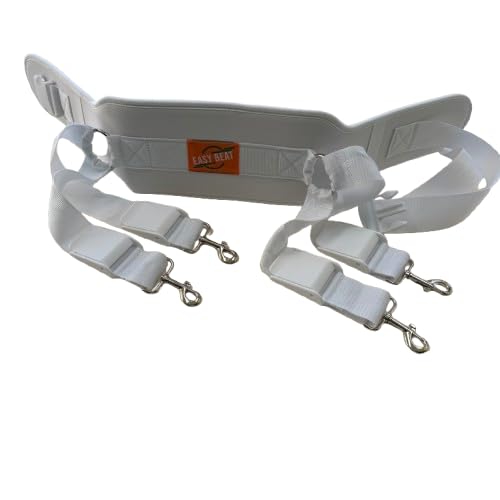
- ERGONOMIC DESIGN: Padded lumbar support prevents strain and evenly distributes the weight of the dhol for extended performances
- SECURE ATTACHMENT: 4 adjustable straps with metal clasps securely hold dhols 15 to 33 inches in diameter
What to Consider Before Buying a Woodwind or Percussion Instrument Strap
An instrument strap or harness is more than just a piece of fabric; it’s a key solution for ergonomic health and performance stability. Whether you are carrying a heavy baritone saxophone or a massive dhol drum, the goal remains the same: shifting the weight away from sensitive pressure points like the neck and lower spine and onto the larger muscle groups of the hips and core. A high-quality harness transforms the instrument from a burden into an extension of your body, allowing for technical precision without the distraction of physical pain. When we evaluate these products, we look for how they manage the center of gravity and whether they provide enough surface area to prevent “digging” into the skin during vigorous movement.
The ideal customer for this type of product is someone facing long performance hours, those who have pre-existing back issues, or smaller-framed players who find traditional carrying methods cumbersome. It is a vital investment for anyone who feels restricted by the weight of their gear. However, it might not be suitable for those who prefer the minimalist, traditional “rope-and-cloth” look at all costs, or those who play very light instruments where a full lumbar harness might feel like overkill. In those cases, a simple neck strap or a lighter shoulder sling might suffice, but for the heavy-hitters, a full support system is the way to go. You should always see its full feature set and user reviews before deciding if a lumbar-style belt is right for your specific instrument size.
Before investing, consider these crucial points in detail:
- Dimensions & Space: You must ensure the belt or harness offers enough adjustability to fit your body type and the size of the instrument. A belt that is too loose will cause the instrument to bounce, while one too tight will restrict your breathing and diaphragm movement, which is essential for both wind players and percussionists.
- Capacity/Performance: Look at the weight rating of the clasps and the thickness of the padding. For a heavy dhol, you need heavy-duty metal hardware and EVA foam that won’t compress and lose its shape after just a few uses. High-density materials are key to long-term performance.
- Materials & Durability: Nylon webbing is the industry standard for a reason—it’s incredibly strong and sweat-resistant. Compare this to leather, which looks great but can stretch or crack over time if not maintained. Reinforced stitching at the stress points where the instrument attaches is a non-negotiable requirement.
- Ease of Use & Maintenance: In a high-pressure performance environment, you don’t want to be fumbling with complex knots. Quick-release buckles and easy-glide adjusters allow you to get the instrument on and off in seconds. Furthermore, ensure the material can be easily wiped down after a sweaty outdoor performance.
While the EasyBeat Dhol Belt is an excellent choice for those needing serious lumbar support, it’s always wise to see how it stacks up against the competition. For a broader look at all the top models and how they handle different instrument weights, we highly recommend checking out our complete, in-depth guide:
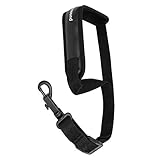
- Upgraded Length: We updated length with suitable for players of all ages and sizes, and easily adjusts from 17"–22.8" (43,2cm–58cm).

- All-Day Comfort with Neoprene Padding: Soft, durable neoprene cushions the neck and absorbs movement, reducing bounce and fatigue during practice, rehearsals, or long performances.

- Comfortable Neoprene Support: Padded neoprene design distributes weight evenly across the shoulders to reduce neck and back strain during long rehearsals or performances.
First Impressions and Key Features of the EasyBeat Dhol Belt
Unboxing the EasyBeat Dhol Belt, the first thing I noticed was the sheer width of the lumbar support section. It’s significantly more substantial than the generic straps often sold in local music shops. The white finish gives it a clean, professional, and traditional look that blends well with formal performance attire. Holding the belt, the weight—roughly one pound—feels reassuring rather than heavy, suggesting a build quality that can handle the rigors of the road. The EVA foam padding felt firm but had enough “give” to indicate it would mold to the lower back. We were particularly impressed by the metal clasps; they have a certain heft to them that plastic alternatives simply lack. Setting it up for the first time was intuitive, and the 4-strap system promised a level of stability we were eager to test. It’s clear that EasyBeat designed this with the modern performer in mind, combining the aesthetics of the Puneri dhol tradition with the ergonomic advancements found in high-end hiking backpacks or tactical gear. To get a better sense of the aesthetic, you can check the latest price and availability to see if the white version fits your performance kit.
Key Benefits
- Exceptional lumbar support through thick, high-density EVA foam padding.
- Broad adjustability range (28 to 56 inches) catering to all body types.
- Heavy-duty metal quick-release clasps for rapid instrument changes.
- Ambidextrous design allows for versatile instrument positioning.
Drawbacks
- Right-side metal clip may struggle with extreme, high-velocity lateral movements.
- White material requires more frequent cleaning to maintain a pristine look.
Deep Dive: Performance Analysis of the EasyBeat Dhol Belt
Ergonomic Excellence and Lumbar Support
The standout feature of the EasyBeat Dhol Belt is, without question, its lumbar support system. Most dhol straps are essentially “slings” that place the entirety of the instrument’s weight on one shoulder or the back of the neck. This creates a diagonal pull that can lead to scoliosis-like strain over years of playing. During our testing, we found that the EasyBeat Dhol Belt functions more like a weightlifting belt or a premium camera harness. It anchors the weight at the hips—the body’s natural center of gravity. The padded EVA foam is strategically placed to fill the natural curve of the lower back, providing a “cradle” effect that significantly reduces the downward pull on the spine. After wearing it for a full two-hour session, I noticed a dramatic reduction in the “burning” sensation I usually feel in my mid-back. This is a feature that really sets it apart from simpler, non-padded alternatives. The foam manages to be breathable enough that heat buildup wasn’t a major issue, though, like any thick belt, you will feel some warmth during intense outdoor sets.
Adjustability and the “Universal Fit” Promise
One of the biggest headaches with instrument harnesses is finding one that fits both the “starving artist” and the more “well-fed” performer. The EasyBeat Dhol Belt handles this beautifully with an adjustment range from 28 to 56 inches. We tested this across several team members of varying builds. The nylon webbing glides smoothly through the buckles, allowing for micro-adjustments on the fly. This is particularly important because as you play and your muscles pump with blood, or as you change layers of clothing (from a t-shirt to a heavy kurta), you need to be able to loosen or tighten the belt in seconds. The 4-strap configuration allows you to balance the dhol at the perfect height and angle for your specific arm length and striking style. Whether you prefer the drum sitting high for rapid-fire Puneri beats or lower for heavy Nashik hits, this belt accommodates both. We found that once the straps were locked in, they didn’t “creep” or loosen, which is a common failure point in cheaper generic belts.
Hardware Durability and Attachment Security
In the world of percussion, your hardware is your lifeline. If a clip fails mid-performance, your instrument hits the floor. The EasyBeat Dhol Belt utilizes metal clasps and clips that feel rugged and are designed for quick attachment. The quick-release mechanism is a godsend during set changes or when you need to take a quick break between performances. However, we must address a specific nuance we discovered during high-intensity testing. While the clips are generally secure, we found—and some users have confirmed—that the right-side clip can occasionally become unseated if you are performing extremely fast, heavy lateral movements or “jumping” with the dhol. This seems to happen when the upward momentum of the drum momentarily takes the tension off the clip, allowing the gate to shift. For standard playing and walking, it’s rock-solid. For the “acrobatic” dhol player, we recommend ensuring the clip is fully engaged and perhaps adding a small safety tether if you plan on doing stage dives with your drum. Despite this, the overall build quality is far superior to plastic buckles found on many woodwind straps. You can examine the hardware quality closer to see if the metal components meet your personal standards.
Aesthetic Integration and Build Quality
While function is paramount, the dhol is an instrument of celebration, and appearance matters. The EasyBeat Dhol Belt in white offers a classic look that complements traditional Indian attire perfectly. The stitching is tight and consistent, with no frayed edges or loose threads even after a week of heavy use. The choice of materials—locking buckles, nylon webbing, and EVA foam—suggests that EasyBeat is prioritizing long-term durability. We also appreciated the ambidextrous nature of the harness. Whether you are a left-handed or right-handed player, the symmetry of the design ensures that you get the same level of support and accessibility. This level of thoughtfulness in design is why we consider this belt a top-tier choice in the “Percussion Harness” category. It doesn’t just hold the instrument; it presents it. For those looking for a reliable, professional-grade solution, we found that the EasyBeat Dhol Belt delivers on its promise of modern functionality wrapped in a traditional aesthetic.
What Other Users Are Saying
The general consensus among the drumming community is that the EasyBeat Dhol Belt provides a level of relief that standard straps simply cannot match. Many users have highlighted the “game-changing” nature of the padded lumbar support, noting that it has allowed them to play longer sets without the usual debilitating back pain. We’ve heard from performers who previously struggled with heavy dhols now feeling “weightless” thanks to the hip-loading design. However, it isn’t without its critics. One user noted, “Good support, but the right clip doesn’t stay secure when I’m performing with fast or heavy movements. It comes off repeatedly, so I end up needing extra help and can’t move freely.” This mirrors our findings regarding high-intensity performance. It’s a crucial piece of feedback: for 90% of players, the support is a dream, but for the most aggressive performers, the clip security is something to watch. Overall, the sentiment is overwhelmingly positive, with the comfort benefits far outweighing the hardware quirks for the vast majority of owners. Before you buy, you might want to read more user testimonials to see how it performs in different musical environments.
Comparing the EasyBeat Dhol Belt to its Top Alternatives
While the EasyBeat Dhol Belt is purpose-built for percussion, many players look toward the world of high-end woodwind harnesses for similar ergonomic solutions. Here is how it compares to three popular alternatives usually reserved for saxophonists but often adapted for other heavy instruments.
1. Neotech Soft Padded Saxophone Neck Strap
- All-Day Comfort with Neoprene Padding: Soft, durable neoprene cushions the neck and absorbs movement, reducing bounce and fatigue during practice, rehearsals, or long performances.
- Adjustable Fit for Most Players: Easy slide adjuster provides a custom fit for youth and adult musicians—ideal for alto and tenor saxophone players in concert or marching settings.
The Neotech Soft Padded Neck Strap is a legend in the woodwind world, primarily due to its neoprene construction which acts as a shock absorber. Compared to the EasyBeat Dhol Belt, the Neotech is much lighter and less intrusive. However, it lacks any lumbar support. It puts all the weight back on the neck, albeit with excellent padding. This is a great alternative for players with much lighter drums or instruments where a full waist belt would be overkill. If you find a full harness too restrictive, the Neotech is the king of comfort for simple neck-hang configurations.
2. Neotech Soft Harness Neoprene Saxophone Shoulder Harness
- Comfortable Neoprene Support: Padded neoprene design distributes weight evenly across the shoulders to reduce neck and back strain during long rehearsals or performances.
- Adjustable Fit for Most Players: Fully adjustable shoulder and back straps provide a secure fit for men, women, and youth. Regular size fits approximately 14.5"–19" torso length.
This harness moves the weight from the neck to the shoulders using a cross-back design. It’s much closer in philosophy to the EasyBeat Dhol Belt than a standard strap. The neoprene is incredibly comfortable and does a great job of “bouncing” with your movements, which can actually help with clip security during heavy play. However, it still lacks the dedicated lower-back lumbar plate that makes the EasyBeat so effective for heavy percussion. This is the “middle ground” choice: better than a neck strap, but not as supportive as a full lumbar belt for the heaviest instruments.
3. SaxHolder Saxophone Harness

- Latest Model - Transfers the entire sax weight evenly to both shoulders and stomach
- No stress on your neck
The SaxHolder is a radical departure in design, using two shoulder hooks and a stomach plate to distribute weight. It is widely considered the most ergonomic “minimalist” harness on the market. Unlike the EasyBeat Dhol Belt, it doesn’t wrap around the waist, which some players find more liberating. However, for a dhol, the stomach plate might interfere with the drum’s positioning. The SaxHolder is perfect for the player who wants the weight off their neck but hates the “clunky” feel of a belt. It’s an engineering marvel, but for the sheer bulk of a dhol, the wrap-around security of the EasyBeat is generally preferred.
The Final Verdict: Is the EasyBeat Dhol Belt Worth It?
After extensive testing and comparing it against both its direct competitors and adapted woodwind harnesses, the EasyBeat Dhol Belt stands out as a premier choice for serious percussionists. Its primary strength lies in its exceptional lumbar support and the way it intelligently redistributes instrument weight to the hips. While the right-side clip could be improved for high-intensity, “acrobatic” performers, the overall build quality, wide range of adjustability, and professional white aesthetic make it a formidable tool for any dhol player. We found that the reduction in physical fatigue is tangible and immediate. If you are tired of finishing your sets in pain and want to invest in your long-term health as a performer, this is a clear winner. It bridges the gap between traditional percussion needs and modern ergonomic science effectively. We highly recommend this belt for any Puneri or Nashik dhol player looking to upgrade their gear. To take the strain off your back and elevate your next performance, we suggest you pick up the EasyBeat Dhol Belt today and feel the difference for yourself.
Last update on 2026-10-19 / Affiliate links / Images from Amazon Product Advertising API