
Otto Link Metal Tenor Sax Mouthpiece Review: Is This Legendary Jazz Piece Still the Ultimate Tone Sculptor?
Every tenor saxophone player eventually hits a wall with their stock setup. You spend hours practicing long tones, scales, and transcription, yet your sound still lacks that professional core, edge, or depth you hear on your favorite jazz records. We have all been there—struggling with a stock or student mouthpiece that feels stuffy, clamps down on your dynamic range, and makes the low register feel like an exhausting chore. When your mouthpiece actively fights against your airflow, your musical expression suffers tremendously.
Switching to a professional-grade component is often the single most transformative upgrade a saxophonist can make. Without the right equipment, you compensate with improper embouchure pressure, leading to fatigue and intonation issues. We took it upon ourselves to put the Otto Link Metal Tenor Sax Mouthpiece through rigorous studio and live sessions to see if it truly lives up to its legendary reputation among jazz greats and contemporary players alike.

- A wide selection of facings offer superior tone quality and projection with complete control, making Otto Link Mouthpieces a top choice of professionals
- Cap and Ligature Included
What to Consider Before Buying a Tenor Saxophone Mouthpiece
A tenor saxophone mouthpiece is more than just a functional item; it is the absolute epicenter of your acoustic signature, acting as the primary transducer for your air column into the instrument. The ideal customer for this type of product is an intermediate to professional player seeking a richer, more expressive jazz tone with enhanced projection, while it might not be suitable for absolute beginners who still require the forgiving, closed facings of standard student mouthpieces like the Yamaha 4C series.
Before investing, consider these crucial points in detail:
- Dimensions & Space: Chamber size and baffle configuration dramatically alter your resistance and tonal color. A larger chamber typically yields a darker, more spread sound, whereas smaller chambers push brightness and cut. You must ensure the outer shank diameter matches your cork thickness to prevent tuning headaches.
- Capacity/Performance: Tip opening size dictates how much reed you can push and how much air volume the piece demands. Smaller sizes offer control and ease, while larger openings unlock immense dynamic projection and altissimo flexibility for advanced players.
- Materials & Durability: Metal mouthpieces, particularly brass or stainless steel constructions, offer brilliant harmonic overtones and durability compared to standard hard rubber or plastic. The polished finish on high-end models ensures smooth lip contact and long-lasting aesthetic appeal.
- Ease of Use & Maintenance: Metal pieces require careful cleaning to prevent saliva buildup and plating wear. Pairing your mouthpiece with a reliable ligature and reed strength that matches your embouchure strength is vital for daily playing comfort.
Understanding these variables ensures you select a tool that complements your physical playing habits rather than forcing bad habits upon your embouchure. Let us dive deeper into how our featured piece handles these critical performance metrics.
While the Otto Link Metal Tenor Sax Mouthpiece is an excellent choice, it’s always wise to see how it stacks up against the competition. For a broader look at all the top models, we highly recommend checking out our complete, in-depth guide:

- Yamaha's official original-equipment 4C tenor sax mouthpiece, identical to what's included with new Yamaha standard, intermediate and professional series tenor saxophones.

- Authentic Yamaha standard-series tenor sax mouthpiece.

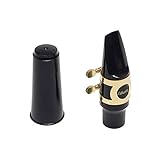
- 5C Standard Tip Opening Offers Comfortable Resistance For Beginners To Develop Tone And Breath Control With Ease
Unboxing and First Impressions of the Otto Link Metal Tenor Sax Mouthpiece
Opening the packaging of the Otto Link Metal Tenor Sax Mouthpiece instantly evokes a sense of jazz history. Out of the box, the polished gold-finished stainless steel gleams under the studio lights, presenting that iconic, slender Super Tone Master silhouette that has graced countless jazz stages for decades. We immediately noticed the meticulous attention to detail in the rails and the distinct baffle design. Unlike mass-produced plastic alternatives, this piece feels substantial, balanced, and ready for serious musical work.
Assembly is straightforward; it slides smoothly onto standard neck corks, and the included ligature and cap secure your reed with zero fuss. Holding it in our hands, we knew this was built for players who demand both aesthetic elegance and uncompromising acoustic output. If you are curious about current pricing and availability, you can easily check the latest price and availability online.
Key Benefits
- Exceptional tone quality and rich harmonic projection
- Professional Super Tone Master design with polished finish
- Immediate improvement in low-register response and stability
- Includes both a matching cap and a secure ligature
Drawbacks
- Requires a developed embouchure and may be too challenging for absolute beginners
- Comes with no manufacturer warranty
Deep Dive Into the Otto Link Metal Tenor Sax Mouthpiece Performance
Acoustic Core and Tonal Warmth
When we first stepped up to the microphone with the Otto Link Metal Tenor Sax Mouthpiece, the very first aspect that struck us was the sheer warmth and complexity of the acoustic core. Many modern metal mouthpieces suffer from an overly bright, piercing, or sterile edge that strips the tenor sax of its natural woody character. Otto Link has masterfully engineered this Super Tone Master to retain that coveted vintage depth while offering modern projection. When playing ballads, sub-tones bloom effortlessly with a smoky, velvety texture that fills the room without requiring excessive air pressure. We found that the large chamber design plays a massive role here, allowing the soundwaves to expand naturally before exiting the bell. It provides that classic American jazz sound reminiscent of the legends from the mid-20th century. For players looking to elevate their tonal palette, see its full feature set and user reviews to understand how it transforms daily practice sessions.
Response Across Registers and Low-Note Stability
One of the most common hurdles for intermediate tenor players is maintaining a clean, effortless attack on the bottom notes (low B-flat and low C) without cracking or squawking. During our evaluation, this was precisely where the mouthpiece shone brightest. When paired with a properly matched reed, we experienced an immediate, dramatic improvement in low-register stability. The facing curve allows the reed to vibrate freely right down to the fundamental frequencies, meaning you can whisper a low note at a pianissimo dynamic and still maintain absolute pitch stability. Moving upward into the palm keys and altissimo register, the intonation remained centered and remarkably well-behaved. There is none of that wild tuning drift or thinness in the upper register that plagues inferior mouthpieces. If you want a feature that really sets it apart from stock gear, the seamless transition from the bottom of the horn to the top is undoubtedly its greatest engineering triumph.
Dynamic Range and Articulation Agility
A professional mouthpiece must be a chameleon, capable of whispering subtle nuances in a quiet jazz quartet or screaming over a roaring big band horn section. We tested the articulation agility of the Otto Link Metal Tenor Sax Mouthpiece across various articulation styles—staccato, slurred runs, fast bebop lines, and aggressive tongue-slaps. The rails are impeccably balanced, resulting in a crisp, clean response that makes fast passages feel effortless. Staccato notes speak with a distinct, defined pop, while legato lines melt together smoothly. Dynamically, this piece rewards air support exponentially; pushing more air into it does not cause the tone to distort or break up unpleasantly. Instead, it unleashes a roaring, focused core that cuts through dense instrumentation with authority. Whether you are playing smooth jazz, blues, or contemporary fusion, the dynamic headroom here is staggering. To experience this level of professional control yourself, you can explore the ordering options on this page.
What Other Users Are Saying
Our expert findings are strongly echoed by real musicians in the field. Users consistently highlight how seamlessly this mouthpiece integrates with professional horns, with one player noting that it pairs exceptionally well with a Selmer Mark VI, playing easily across both upper and lower registers while delivering a slightly brighter, more projecting edge than standard rubber mouthpieces. Another player highlighted an immediate, noticeable improvement in low-note response compared to the restrictive stock mouthpiece that came bundled with their horn. While it requires a bit of embouchure adaptation due to its metal construction and facing curve, the consensus is clear: players who make the switch unlock a new level of confidence, projection, and expressive freedom in their playing.
Comparing the Otto Link Metal Tenor Sax Mouthpiece to Its Top Alternatives
To give you a complete picture of the market, we have evaluated three prominent alternative mouthpieces across different price points and design philosophies.
1. Yamaha Standard Tenor Saxophone Mouthpiece
- Yamaha's official original-equipment 4C tenor sax mouthpiece, identical to what's included with new Yamaha standard, intermediate and professional series tenor saxophones.
- The 4C size was designed by Yamaha so that even a beginner can make a terrific sound
The Yamaha Standard Tenor Saxophone Mouthpiece is widely considered the ultimate benchmark for students and educators. Crafted from durable phenolic resin, it offers incredible consistency, ease of blowing, and very predictable intonation. While it lacks the rich harmonic complexity, raw power, and jazz edge of a metal piece, it is an unbeatable, budget-friendly tool for building foundational embouchure strength and reading fundamentals.
2. Yamaha Tenor Sax 4C Mouthpiece

- Tenor sax mouthpiece
- Deliver the performance and comfort required where they are needed most: where instrument meets musician
Similar to its sibling standard series, the Yamaha 4C is engineered specifically to make sound production as effortless as possible for developing players. Its closed tip opening allows beginners to produce a clean tone without tiring their facial muscles prematurely. However, advanced players will quickly outgrow its limited dynamic ceiling and lack of tonal coloration compared to professional offerings.
3. D’Addario Metalite Tenor Sax Mouthpiece M7
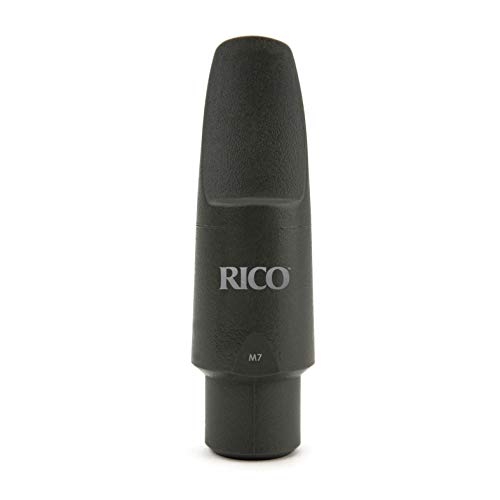
- M7 model for Tenor Saxophone
- Tip opening: .105"
The D’Addario Metalite Tenor Sax Mouthpiece M7 offers an interesting hybrid approach, featuring a metal-like polycarbonate construction with a medium-large chamber and step baffle. It is designed to deliver the projection and brightness of a metal mouthpiece at a fraction of the cost. While it is a fun, punchy option for rock and fusion players, purists seeking genuine brass resonance and traditional jazz warmth will still prefer the authentic tactile feedback of the Otto Link.
Final Verdict on the Otto Link Metal Tenor Sax Mouthpiece
The Otto Link Metal Tenor Sax Mouthpiece remains an absolute titan in the saxophone world for good reason. It bridges the gap between vintage warmth and modern projection, offering unmatched control over your dynamics, effortless low-register response, and a gorgeous polished finish that looks as professional as it sounds. While it demands a developed embouchure and is better suited for intermediate to advanced players rather than absolute beginners, the sonic rewards are well worth the transition.
If you are tired of fighting your current setup and want to unlock your true tonal potential on the tenor saxophone, upgrading to this legendary mouthpiece is a decision you will not regret. Ready to transform your sound? We highly encourage you to secure your Otto Link Metal Tenor Sax Mouthpiece today and experience the difference for yourself.
Last update on 2026-10-10 / Affiliate links / Images from Amazon Product Advertising API