
BERP Trombone Review: The Secret Weapon for Perfect Intonation and Muscle Memory
As a trombonist, I have spent countless nights in dimly lit hotel rooms, staring at my instrument case with a mixture of guilt and frustration. We all know the struggle: you have a major performance or a difficult rehearsal the next morning, but it is 10:00 PM, and the walls of your hotel are paper-thin. You can’t exactly blast out high Bb’s without the front desk calling your room. The alternative? Buzzing on just the mouthpiece. But let’s be honest—buzzing on a mouthpiece alone feels nothing like playing the actual horn. You lose the resistance of the instrument, and more importantly, you lose the physical connection to your slide. This disconnect is where bad habits are born. We found that the BERP Trombone was specifically designed to bridge this gap, offering a solution that allows for meaningful practice without waking the neighbors or compromising your technique. Solving this “practice gap” is crucial for any serious player; without a way to maintain the relationship between your embouchure and your slide movements during quiet hours, your muscle memory begins to fray, leading to missed partials and fuzzy intonation when it matters most.
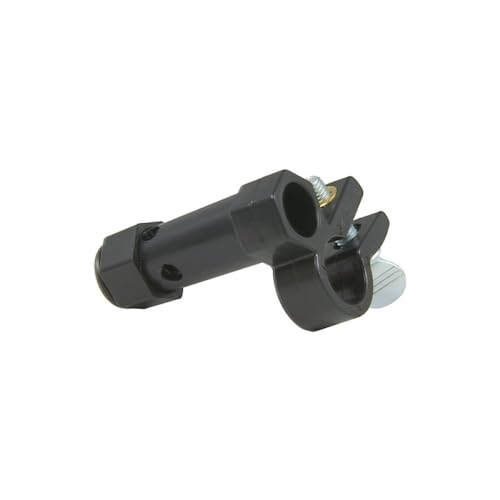
- Allows a player to practice in silence
- Builds embouchure
What to Consider Before Investing in a Trombone Practice Aid
A practice aid like the BERP Trombone is more than just a piece of plastic; it’s a key solution for developing a more efficient air stream and a more resonant sound. In the world of brass playing, efficiency is everything. When you use a tool that isolates the vibration of the lips while maintaining the physical posture of the instrument, you are essentially “weightlifting” for your face. This type of product category is designed to highlight the flaws in your air support that the resonance of a full brass bell often masks. By stripping away the instrument’s natural amplification, you are forced to create a pure, centered buzz that translates directly to a more powerful and stable tone once you return to the open horn.
The ideal customer for this type of product is the dedicated student, the touring professional, or the “comeback” player who needs to maximize their limited practice time. It is perfect for those facing noise constraints or those who feel their intonation has hit a plateau. However, it might not be suitable for those who are looking for a “silent mute” experience where they can play the full instrument at a whisper. The BERP Trombone is a specialized training tool, not a performance silencer. If your goal is to play your full repertoire at a low decibel, a traditional practice mute might be a better fit, though it won’t offer the same embouchure-building benefits as enhancing your practice routine with the BERP Trombone.
Before investing, consider these crucial points in detail:
- Dimensions & Fit: Not all trombone leadpipes are created equal. You must ensure that the tool matches your mouthpiece shank size. As we discovered, this specific model is tailored for small-shank instruments. Checking the compatibility with your current mouthpiece is the first step toward a successful practice experience.
- Resistance Adjustability: The ability to mimic the backpressure of your actual instrument is vital. Look for a tool that features a dial or a mechanism to restrict airflow. Without this, the transition from the practice tool back to the trombone will feel jarring and unnatural.
- Materials & Durability: While many of these tools are made of high-grade plastics or resins, they need to withstand the constant pressure of being clamped onto a metal leadpipe. A well-built aid should feel sturdy and secure, not flimsy or prone to cracking under the tension of the mounting screw.
- Ease of Use & Portability: The best practice aid is the one you actually use. It should be small enough to fit in your accessory pocket and easy to attach or detach in seconds. If a tool requires a toolbox to install, it will likely end up gathering dust in your drawer.
By keeping these factors in mind, you can ensure that your purchase actually contributes to your growth as a musician. Transitioning from a general understanding of practice aids to the specifics of this particular model reveals why it has remained a staple in brass studios for decades.
While the BERP Trombone is an excellent choice, it’s always wise to see how it stacks up against the competition. For a broader look at all the top models, we highly recommend checking out our complete, in-depth guide:
Mastering the Slide: Our Complete Guide to the Best Trombone Method Books for Self-Study

- 【CHOSEN BY MOST BEGINNERS】EASTROCK tenor trombones were designed to make it easier for beginning to sound good. Every single instrument is stringently test-played and inspected by an exper,yet are...

- Designed for Beginners: Eastar ETB-330 tenor trombone features patent-designed keys and a unique shoulder pad for added stability. Ergonomically crafted for beginners students to play and easy to...


- All-in-1 Starter Kit: Everything a beginner needs arrives in one box: the Bb tenor slide trombone, a mouthpiece, a hard case, a shoulder strap, a cleaning cloth and gloves. It also makes a thoughtful...
First Impressions: Unboxing the BERP Trombone
When the BERP Trombone arrived, my first thought was how deceptively simple it looked. Weighing in at less than an ounce, it’s a compact piece of black plastic with a brass-colored adjustment dial. For those unfamiliar with the acronym, BERP stands for “Buzz Extension and Resistance Piece,” and that is exactly what you get. The assembly is straightforward: it clamps onto the receiver of your trombone, and your mouthpiece then fits into the BERP Trombone rather than the leadpipe. This allows the mouthpiece to sit parallel to the instrument.
The initial feel is surprisingly robust for a plastic component. The screw mechanism that holds it onto the horn feels secure, though we found that placing a small piece of electrical tape or a rubber band on the receiver can help prevent any “walking” or sliding during an intense session. Compared to previous versions or DIY buzzing tubes, the BERP Trombone feels like a professional-grade piece of equipment. It doesn’t feel like a toy; it feels like a precision tool designed by someone who understands the physics of brass playing. You can immediately explore the full specifications of the BERP Trombone to see how this small device manages to change your entire warm-up routine.
Key Benefits
- Seamlessly integrates buzzing with actual slide positions for better muscle memory.
- Adjustable resistance dial allows you to match the “blow” of any trombone.
- Extremely lightweight and portable, fitting easily into any gig bag.
- Significantly quieter than playing the horn, making it ideal for hotel or apartment use.
Drawbacks
- The “squashed duck” sound can be grating for others in the house.
- This specific model is only compatible with small-shank mouthpieces.
Deep Dive: Why the BERP Trombone is a Masterclass in Efficiency
The Physics of Resistance: The Adjustable Dial
The standout feature of the BERP Trombone, and the reason we found it so effective, is the adjustable resistance dial. In the world of brass acoustics, the instrument provides a certain amount of backpressure that helps the lips vibrate. When you buzz on a mouthpiece alone, there is zero resistance, which often leads to “over-blowing” or using too much air to compensate. This is a recipe for fatigue and poor tone quality. The BERP Trombone solves this by allowing you to dial in the exact amount of resistance you need.
During our testing, we started with the dial wide open and gradually tightened it. The sensation is remarkable; you can actually feel the “shelf” of the note becoming more defined as the resistance increases. This mimics the feel of your actual horn, meaning that the work you do while buzzing translates 1:1 to when you are playing. For students who struggle with a “fuzzy” or “airy” sound, the BERP Trombone is a game-changer for intonation because it forces you to find the center of the pitch through lip tension and air speed rather than relying on the instrument’s resonance to pull you into tune.
Bridging the Gap: Slide Coordination and Embouchure
Perhaps the most profound benefit of using the BERP Trombone is the ability to use your slide while you buzz. Traditional mouthpiece buzzing is a static activity—you sit there with a mouthpiece in your hand, often staring at a tuner. But playing the trombone is a dynamic, physical dance between the arm and the face. By mounting the BERP Trombone onto the leadpipe, you maintain the proper playing posture. We found that practicing fast technical passages on the BERP allowed us to synchronize our slide movements with our tongue and air in a way that isolated the “engine” of the sound.
When you are buzzing a difficult passage with the slide moving, any slight hitch in your air support or any “smearing” between the notes becomes glaringly obvious. The “squashed duck” sound that some users mention is actually a feature, not a bug. That nasal, buzzy tone is the raw sound of your embouchure. If that sound is steady and centered, your trombone sound will be glorious. If that sound is wavering or weak, the BERP is telling you exactly where you need to improve. It’s like a magnifying glass for your technique. To see how this could fit into your setup, you can view the BERP Trombone’s current availability and start refining your slide-buzz coordination.
Intonation Mastery and the “Center” of the Note
One of the most difficult concepts for a developing trombonist to grasp is the “center” of the pitch. Because the trombone is a slide instrument, we have the “freedom” to be out of tune in infinite ways. We found that the BERP Trombone is an incredible tool for developing a “pitch map” in your mind. By practicing with a tuner while using the BERP, you learn exactly how much lip tension is required for every note in every register without the horn “correcting” you.
We spent several sessions working on long tones and lip slurs using the resistance dial set to a medium level. The feedback is instantaneous. If you are slightly off the center of the pitch, the buzz loses its core. This forces the player to engage their core muscles and refine their oral cavity shape. We also noted that for high-register work, the BERP provides a “safe space” to build strength. You can work on those high F’s and G’s without the physical strain of moving the massive air column of the full instrument, allowing you to focus purely on the efficiency of the vibration. It is truly a professional-grade training aid that fits in the palm of your hand.
The Professional’s Secret: Portability and Stealth Practice
Finally, we must discuss the lifestyle benefits of the BERP Trombone. As noted in several user reviews, the output of the BERP is significantly lower than that of an open horn—roughly 70-80 dB compared to 115 dB. This makes it a sanity-saver for anyone living in close quarters. I have personally used this tool in backstage dressing rooms to warm up before a show when a full-volume warm-up would have been disruptive to the actors or other musicians. It is small enough that TSA has never given it a second look, making it the ultimate travel companion.
Whether you are a student preparing for a chair placement or a professional maintaining your chops on a long flight, the convenience cannot be overstated. You don’t need a bulky practice mute that changes the weight and balance of your horn. You just need this tiny, effective tool. For those serious about their progress, we suggest you check out the latest pricing for the BERP Trombone to add this essential piece of kit to your arsenal.
What Other Users Are Saying
The general sentiment among the brass community regarding the BERP Trombone is overwhelmingly positive, though it comes with a few specific “pro-tips” from those who have used it for years. Many users highlight that their teachers specifically requested they purchase one, underscoring its status as a pedagogical standard. One user noted that it is a “big help in getting the buzz working” and found it much more motivational than just buzzing on a mouthpiece alone. This aligns with our findings that the connection to the instrument makes the practice feel more “real.”
On the critical side, a common piece of feedback involves the fit. Several users mentioned that they accidentally bought the small-shank version for a large-bore trombone. As one reviewer warned, “this is only for trombones with small shank mouthpieces.” It is vital to check your equipment before ordering. Additionally, the “squashed duck” sound is a frequent point of humor, with some users suggesting a bit of pipe insulation over the end if you have particularly sensitive housemates. Despite the funny sounds, the consensus is clear: for those who use it correctly, it is an indispensable tool for building a professional embouchure. As one satisfied user put it, “…der Name ist Programm” (the name says it all)—the progress in intonation and “Ansatz” (embouchure) is highly satisfying.
Comparing the BERP Trombone to Its Top Alternatives
While the BERP Trombone is a specialized tool, it’s helpful to see how it fits into the broader ecosystem of trombone gear. Depending on your needs—whether you need a tool, an instrument, or a book—here is how the competition looks.
1. Eastar Bb Tenor Slide Trombone
- Designed for Beginners: Eastar ETB-330 tenor trombone features patent-designed keys and a unique shoulder pad for added stability. Ergonomically crafted for beginners students to play and easy to...
- High Quality Assured: Built with a premium brass body, a 13.4mm bore, and a 206mm bell for stable vibration and powerful penetration. The dual-layer coating ensures maximum durability against wear for...
The Eastar Bb Tenor Slide Trombone is a full entry-level instrument, which is a completely different investment than the BERP Trombone. While the BERP is a tool to improve your playing on your current horn, the Eastar is a budget-friendly option for someone who doesn’t yet own a trombone. We would recommend the Eastar for a total beginner who needs an affordable way to start, but for an existing player looking to improve their technique, the BERP is the far more effective “upgrade” for your skills. The Eastar gives you a horn; the BERP gives you a better embouchure.
2. pBone Bb Plastic Trombone

- Music Transforms: The affordable pBone plastic trombone in bold, energizing colors is both fun and functional. Its standard .500" bore pitched in Bb produces a rich, authentic lower brass sound...
- Lightweight & Easy to Play: At half the weight of a traditional brass trombone, the pBone is easy to hold and promotes proper playing form. Its ergonomic grip fits hands of all sizes, making it a...
The pBone is a world-famous plastic trombone that serves a very different purpose. It’s fantastic for outdoor gigs, pep bands, or young children who find a brass horn too heavy. In terms of practice, the pBone allows for full-volume playing in a durable package, but it doesn’t offer the resistance-training benefits of the BERP Trombone. If you are traveling and want to practice quietly, the BERP on your professional horn is a much more effective solution than carrying a separate plastic trombone. The pBone is about fun and durability; the BERP is about precision and training.
3. Essential Elements Trombone Book 1 Beginner Method
This is a foundational method book rather than a piece of hardware. Essential Elements is the gold standard for learning “what” to play, including notes, rhythms, and theory. However, it doesn’t teach you “how” to physically produce the best sound—that’s where the BERP Trombone comes in. We actually recommend using these two in tandem. Imagine using the BERP to buzz through the exercises in Essential Elements; you would develop perfect pitch and articulation much faster than by using the book alone. The book provides the roadmap, while the BERP tunes the engine.
The Final Verdict: Is the BERP Trombone Worth It?
After extensive testing and comparing it against both its peers and the needs of the modern player, our conclusion is that the BERP Trombone is one of the most cost-effective investments a brass player can make. It solves the three biggest hurdles to consistent practice: noise, lack of resistance, and the disconnect between the mouthpiece and the slide. While it may sound a bit like a “squashed duck” during use, the results you hear when you take the BERP off and play your first open note are nothing short of transformative. Your sound will feel more centered, your high range more accessible, and your intonation more locked-in.
We highly recommend the BERP Trombone for any student looking to level up their skills or any professional who needs a reliable way to maintain their playing on the road. It’s a durable, portable, and scientifically sound training aid that has earned its place in the gig bags of the world’s best players. Don’t let another quiet evening go by without making progress. If you’re ready to take your playing to the next level, secure your BERP Trombone today and experience the difference that focused, resistant buzzing can make for your musical journey.
Last update on 2026-10-25 / Affiliate links / Images from Amazon Product Advertising API