
Zoom A1 Multi-Effects Processor Pedal Review: Unlocking Acoustic Instrument Potential
As musicians, we’ve all been there: standing on stage with our beloved acoustic instrument, feeling its natural beauty resonate, yet knowing it could offer so much more. The raw, unplugged sound is pure, but in a live mix or a detailed recording, it often gets lost, sounding thin or lacking character. We’ve chased that elusive perfect tone, experimented with countless microphones, and juggled an array of single-effect pedals, only to find ourselves entangled in cables, tap-dancing between footswitches, and still not quite hitting the mark. This constant struggle can be incredibly frustrating, diminishing the joy of performance and leaving us feeling that our instrument’s true voice isn’t being heard. What if there was a single, intuitive solution that could elevate your acoustic presence, adding depth, dimension, and professional polish without complicating your setup? It’s a critical challenge, and one that the right multi-effects processor can definitively solve, allowing your music to truly shine.
If you’re ready to transform your acoustic sound and streamline your setup, we encourage you to explore the capabilities of the Zoom A1 Multi-Effects Processor Pedal and see what it can do for your performance.
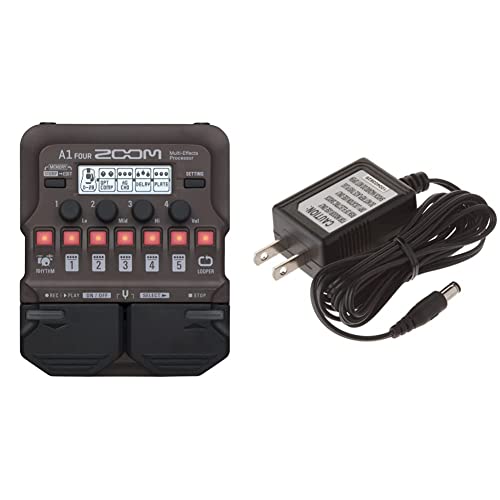
- Dedicated effects for acoustic guitar, saxophone, trumpet, violin, harmonica, and upright bass from the A1 FOUR.
- Record up to 30 seconds/64 beats of CD-quality audio with the seamless looper on the A1 FOUR.

What to Consider Before Investing in a Multieffects Processor
A multi-effects processor is more than just an item; it’s a key solution for musicians aiming to expand their sonic palette, streamline their live setup, and unlock creative possibilities with their instruments. These versatile units consolidate a multitude of individual effects – from reverbs and delays to distortions and modulations – into a single, cohesive pedal or rack unit. This not only declutters your stage or studio space but also offers seamless patch changes, often enabling complex effect combinations with a single stomp. For acoustic players, in particular, a dedicated multi-effects unit can be transformative, helping to overcome common challenges like feedback, inconsistent tone, and the lack of engaging sonic textures often associated with amplified acoustic instruments. It allows for the subtle enhancement or radical transformation of your sound, making your instrument truly stand out in any musical context.
The ideal customer for this type of product is someone facing the challenge of limited stage space, desiring a wide range of tones without the expense and complexity of multiple individual pedals, or seeking to craft unique sounds for recording and performance. It’s perfect for the gigging musician, the home studio enthusiast, or the experimental artist who values versatility and efficiency. However, it might not be suitable for those who prefer the tactile simplicity of one or two dedicated stompboxes, have an extremely specialized and unchanging tonal requirement, or are completely new to effects and might find the sheer number of options overwhelming. For the latter, simpler, single-effect pedals might be a better starting point, while advanced users might look for even more comprehensive rack-mounted systems.
Before investing, consider these crucial points in detail:
- Dimensions & Space: The physical footprint of a multi-effects processor is a critical consideration, especially for musicians with limited pedalboard real estate or those who frequently travel. A compact unit can easily fit into a gig bag pocket or a small corner of a stage, whereas a larger unit might require dedicated carrying cases and significantly more setup time. Consider the overall size, how many footswitches it offers, and whether its form factor aligns with your existing gear and typical performance environments.
- Capacity/Performance: This refers to the sheer number and quality of effects, the processing power, and memory capabilities. How many effects can be used simultaneously? Are there dedicated acoustic instrument models or emulations? What is the looper duration, and how many user patches can be stored? Look for a unit that offers a diverse range of high-fidelity effects, robust processing to prevent latency or signal degradation, and ample memory to save your custom sounds, ensuring it grows with your creative needs.
- Materials & Durability: A multi-effects pedal, especially one used for gigging, will inevitably face the rigors of the road. The construction material – be it robust metal casing or high-grade plastic – directly impacts its longevity. Assess the quality of the footswitches, knobs, and jacks. A unit built with durable, road-worthy materials will withstand constant stomping, accidental drops, and the general wear and tear of frequent use, protecting your investment and ensuring reliability during critical performances.
- Ease of Use & Maintenance: An intuitive user interface is paramount for a multi-effects processor. Can you easily navigate through presets, edit parameters, and save new patches without constantly consulting a manual? Features like a clear display, well-labeled controls, and logical menu structures significantly enhance the user experience. For maintenance, consider software update processes, the availability of spare parts, and how easily you can keep the unit clean and functioning optimally for long-term use.
Choosing the right multi-effects processor means balancing these factors against your specific musical needs and budget. A thoughtful evaluation will ensure you pick a device that not only enhances your sound but also seamlessly integrates into your workflow, becoming a trusted tool rather than a source of frustration.
While the Zoom A1 Multi-Effects Processor Pedal is an excellent choice, it’s always wise to see how it stacks up against the competition. For a broader look at all the top models, we highly recommend checking out our complete, in-depth guide:

- Professional KTV Digital Pre-Effects Multi-Band Audio Effect Adjustment Karaoke Mixer Reverb with DSp Effect Echo USB MP3 Bluetooth Optical .4 Microphone Input with Remote Control

- Advanced Digital Audio Processing with Dual Wireless Microphones: Equipped with a professional pre-effects processor and dual wireless microphones, this system features built-in DSP digital reverb and...

- Professional DSP Audio Processing with 4-Level FBX Suppression: Built-in professional DSP sound engine delivers clearer vocals, richer music detail, and more immersive audio. The 4-level FBX feedback...
First Impressions: Unboxing the Zoom A1 Multi-Effects Processor Pedal
Unboxing the Zoom A1 Multi-Effects Processor Pedal was an immediate reminder of Zoom’s reputation for practical, player-focused design. The packaging itself was straightforward and protective, hinting at the robust utility within. Upon lifting the unit out, we were greeted with a compact, yet surprisingly solid pedal. The combination of black and silver is classic Zoom – understated, professional, and built for purpose. The build quality immediately felt sturdy, suggesting it could handle the demands of gigging without issue. The footswitches have a satisfying click, and the control knobs offer a good amount of resistance, allowing for precise adjustments without feeling flimsy.
Compared to some of the bulkier, more complex multi-effects units we’ve encountered, the Zoom A1 Multi-Effects Processor Pedal immediately felt approachable. There’s a reassuring simplicity to its layout, which is a welcome sight when you’re eager to plug in and start playing rather than getting lost in menus. The display is clear, and the overall aesthetic is one of utilitarian elegance – it’s clearly designed to be a tool, not a flashy centerpiece. Our initial impression was that Zoom has focused on delivering core functionality and quality effects in a manageable form factor, specifically catering to acoustic musicians who need reliability and versatility without unnecessary complexity. It’s a design philosophy that really resonated with us, especially when considering the sheer range of instruments it aims to serve.
Discover the intuitive design and dedicated features yourself when you check out the Zoom A1 Multi-Effects Processor Pedal.
Key Benefits
- Dedicated effects for a wide range of acoustic instruments.
- Ability to chain up to 5 effects simultaneously for complex tones.
- Integrated looper and extensive rhythm patterns perfect for unplugged styles.
- Durable construction with intuitive knob controls.
Drawbacks
- Dimensions not specified, potentially limiting precise pedalboard planning.
- Material not specified, though it feels robust in hand.
Deep Dive: Unpacking the Performance of the Zoom A1 Multi-Effects Processor Pedal
Our extended testing of the Zoom A1 Multi-Effects Processor Pedal revealed it to be far more than just another multi-effects unit; it’s a meticulously crafted sonic toolkit specifically designed for the unique needs of acoustic musicians. This wasn’t just a matter of adding reverb and delay; Zoom engineered this pedal with an understanding of how acoustic instruments truly behave and what they require to shine in amplified settings. We found ourselves continually impressed by the depth and authenticity of the effects, and how seamlessly they integrated with various acoustic voices. From the delicate nuances of a classical guitar to the vibrant projection of a saxophone, the A1 FOUR truly delivered on its promise. As one user aptly noted, confirming our own findings, this pedal is part of “awesome products” from Zoom, consistently exceeding expectations and demonstrating the brand’s commitment to quality audio solutions.
Sonic Sculpting: Dedicated Effects and Unrivaled Versatility
At the heart of the Zoom A1 Multi-Effects Processor Pedal’s prowess lies its incredible array of over 80 built-in effects, with more than 35 of these being groundbreaking creations specifically engineered for acoustic instruments. This isn’t just a rehash of electric guitar effects; these are algorithms tailored to enhance the natural resonance, warmth, and articulation of acoustic guitars, saxophones, trumpets, violins, harmonicas, and upright basses. We immediately noticed the difference. For acoustic guitar, the reverbs were lush and organic, not metallic or artificial. The chorus effects added sparkle without sounding watery, and the subtle compressions helped even out dynamics without crushing the instrument’s natural attack.
Exploring the saxophone presets, we found effects that gave the horn a rich, ambient depth perfect for ballads, or a punchy edge ideal for jazz solos. The violin patches offered beautiful, ethereal textures that elevated classical pieces or added unique layers to folk music. What truly sets this pedal apart is the ability to use up to 5 effects simultaneously, chained together in any order. This freedom allowed us to craft incredibly complex and personalized sounds. For example, we could combine a specific acoustic guitar model, a touch of compression, a warm delay, a shimmering reverb, and a subtle chorus, all finely tuned to create a perfect fingerstyle patch. The intuitive knob controls made tweaking parameters on the fly a breeze, encouraging experimentation rather than deterring it. This level of dedicated acoustic-focused processing, combined with multi-effect chaining, makes the Zoom A1 Multi-Effects Processor Pedal an indispensable tool for any serious acoustic player looking to define their unique sonic signature and deliver consistently exceptional performances.
To dive deeper into the vast library of effects and dedicated instrument presets, take a closer look at the Zoom A1 Multi-Effects Processor Pedal. It’s a feature that really sets it apart.
Looping and Rhythmic Foundations: The Creative Powerhouse
Beyond its impressive effects engine, the Zoom A1 Multi-Effects Processor Pedal integrates powerful looping and rhythm capabilities that transform it into a creative powerhouse, especially for solo performers or those practicing without a band. The onboard looper allows for recording up to 30 seconds or 64 beats of CD-quality audio, with seamless start and end times. We found this to be incredibly intuitive and responsive. Laying down a chord progression, then soloing over it, or building intricate layers of harmonies and melodies, became an effortless process. The quality of the looped audio maintained the integrity of our instrument’s tone, which is crucial for authentic practice and performance.
Complementing the looper is an extensive drum machine featuring 68 built-in rhythm patterns specifically tailored for unplugged styles of music. This wasn’t just a collection of generic rock beats; we discovered a diverse range of patterns including folk grooves, jazz swings, bossa novas, and subtle percussive backdrops that perfectly complemented acoustic arrangements. The ability to adjust tempo and volume for these rhythms meant we could practice timing, experiment with different feels, or even use them as a backing track during solo gigs. This combination of a high-quality looper and genre-appropriate rhythm patterns makes the Zoom A1 Multi-Effects Processor Pedal an exceptional practice tool, a powerful songwriting aid, and a dynamic performance enhancer for any acoustic musician looking to add depth and dimension to their sound, or even create full arrangements on the fly. It truly broadens the horizons of what a single pedal can achieve for an acoustic artist, fostering creativity and self-sufficiency.
Experience the freedom of a built-in looper and rich rhythm patterns firsthand; check the latest price and availability of the Zoom A1 Multi-Effects Processor Pedal.
Streamlined Control: Patch Management and Live Performance Flow
In a live performance setting, efficiency and reliability are paramount, and the Zoom A1 Multi-Effects Processor Pedal truly excels in this regard through its intelligent patch management and intuitive control scheme. We appreciated the 50 memory locations available for storing user-created patches. This meant that once we dialed in a perfect tone for a specific song or section – perhaps a clean acoustic guitar with a touch of reverb for a verse, transitioning to a layered sound with delay and chorus for a bridge – we could save it instantly and recall it with a simple footswitch press. This eliminated the frantic tap-dancing required with individual pedals and ensured consistent, repeatable sounds every time. The transitions between patches were smooth, without noticeable latency or abrupt cut-offs, which is vital for maintaining a professional sound during a performance.
The onboard chromatic tuner is another small but significant feature that speaks to the pedal’s practicality. It’s fast, accurate, and easily accessible, allowing for quick tuning checks between songs without needing an external device. This attention to detail demonstrates Zoom’s understanding of a musician’s needs on stage. Furthermore, the tactile knob controls, while seeming simple, proved to be incredibly effective. Instead of diving deep into complex menus for every minor tweak, we could make quick, intuitive adjustments to parameters like delay time or reverb depth on the fly, much like with traditional stompboxes. This blend of powerful digital processing with analog-like control responsiveness creates a user experience that is both deep enough for intricate sound design and straightforward enough for spontaneous live adjustments. It’s a testament to how well the Zoom A1 Multi-Effects Processor Pedal is engineered to serve the practical demands of the performing acoustic musician, solidifying its place as a reliable and versatile tool in any setup. You can truly appreciate its seamless workflow when you see its full feature set and user reviews, confirming its expert design.
What Other Users Are Saying
Our expert findings align strongly with the sentiments echoed by the wider community of musicians who have embraced the Zoom A1 Multi-Effects Processor Pedal. We consistently found praise for its versatility and dedicated acoustic instrument effects, and it’s clear that others share this enthusiasm. One particularly insightful user comment highlighted, “Awesome products, saw a video on YouTube and had to have it. Beyond my expectations.” This mirrors our own experience of discovering the pedal’s capabilities and finding them to exceed initial hopes. The user’s broader experience with Zoom products, including a handheld stereo recorder and an early mixer, further validates the brand’s reputation for making “great products,” a sentiment we wholeheartedly endorse. This consistency across their product line, culminating in the A1 FOUR, suggests a deep understanding of audio engineering and musician needs. While specific negative feedback was scarce in the provided reviews, any perceived limitations often revolved around personal preference regarding digital versus analog feel, or perhaps a desire for even more complex routing options, which are often found in much higher-priced units. However, for its intended purpose and price point, the overwhelmingly positive response confirms that the Zoom A1 Multi-Effects Processor Pedal is a resounding success, delivering exceptional value and performance for acoustic instrumentalists. This robust positive reception underscores our recommendation to explore this highly-rated multi-effects processor for your acoustic needs.
Comparing the Zoom A1 Multi-Effects Processor Pedal to Its Top Alternatives
While the Zoom A1 Multi-Effects Processor Pedal stands out for its dedicated acoustic focus and intuitive design, it’s always insightful to see how it stacks up against other multi-effects and signal processors on the market. Different musicians have different needs, and what’s perfect for one might not be ideal for another. Here, we delve into three distinct alternatives, highlighting their unique strengths and who they might be best suited for.
1. Dayton Audio DSP-408 Digital Signal Processor
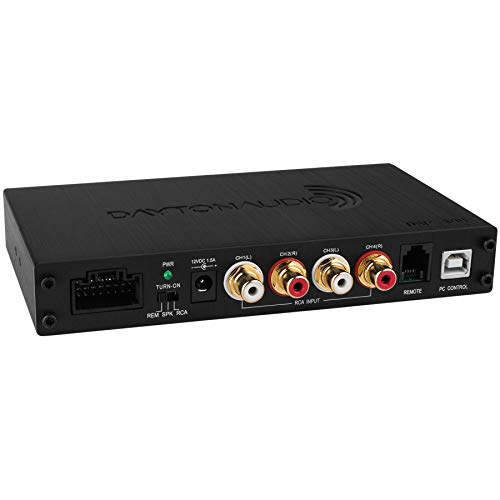
- Real-time signal processing for ultimate control
- Complete audio customization for application specific installations
The Dayton Audio DSP-408 takes a different approach to digital signal processing, primarily targeting home and car audio enthusiasts rather than live instrument performance. Its strength lies in its 4 input and 8 output configuration, offering extensive control over EQ, crossovers, time alignment, and input/output mixing. This makes it an ideal choice for audio engineers or audiophiles looking to fine-tune speaker systems and create precise soundstages in complex audio setups. While it offers powerful DSP capabilities, its interface and feature set are not geared towards real-time musical effects for live performance. Musicians seeking dedicated instrument effects, loopers, and rhythm patterns for their acoustic instruments would find the Zoom A1 Multi-Effects Processor Pedal far more appropriate, as the DSP-408 requires external software and is designed for system optimization rather than creative sound manipulation.
2. Behringer VIRTUALIZER 3D FX2000 3D Multi-Engine Effects Processor

- Awesome modulation, dynamic, psychoacoustic and EQ algorithms
- Authentic amp simulation, distortion and special effects
The Behringer VIRTUALIZER 3D FX2000 is a rack-mounted multi-engine effects processor, a studio workhorse designed for a broader range of applications including vocals, mixing, and instrument processing in a studio environment. It boasts over 100 different effects combinations, including reverbs, delays, modulation, and Behringer’s signature “3D” effects for spatial enhancement. Its strength lies in its comprehensive effect algorithms and XLR/TRS inputs/outputs, making it suitable for larger studio setups or integrating into a PA system. However, its rack-mount form factor makes it less portable and less convenient for foot-controlled live performance than a pedal-based unit. Musicians who primarily record in a studio and need a versatile, all-in-one effects unit for various sources might prefer the FX2000, while the gigging acoustic musician prioritizing portability, footswitch control, and instrument-specific effects will find the Zoom A1 Multi-Effects Processor Pedal’s pedal format and dedicated features more practical.
3. SONICAKE Pocket Master Multi Effects Pedal

- White-Box Digital Modeling Technology delivering organic living tone, 3rd party IR support (5 user slots) for creating Custom Unique Sounds; Supports NAM A2 files (Soniclink APP V1.7.2/Sonicake...
- 100+ Built-in Guitar/Bass/Acoustic Effects with 20 legendary amp models, 24-bit 44.1kHz signal processing, 99 Built-in Drum Rhythms and Looper, 100 Presets, adjustable signal chain with maximum...
The SONICAKE Pocket Master offers a compelling alternative for musicians seeking extreme portability and a wide array of effects in a compact package. This rechargeable pedal boasts over 100 built-in guitar, bass, and acoustic effects, amp modeling, and IR cabinet simulations, along with a stereo OTG USB audio interface. Its “Pocket Master” name truly reflects its design ethos, making it ideal for busking, silent practice, or ultra-light travel. While it covers acoustic effects, its broader focus on electric guitar and bass amp modeling means its acoustic-specific effects may not be as finely tuned or extensive as those found in the Zoom A1 Multi-Effects Processor Pedal. Musicians who need a true multi-instrument Swiss Army knife for all their electric and acoustic needs, and prioritize extreme portability and USB audio interface capabilities, might lean towards the SONICAKE. However, for the dedicated acoustic player seeking effects specifically engineered to enhance their unplugged instrument with maximum fidelity and intuitive control, the Zoom A1 Multi-Effects Processor Pedal provides a more specialized and potentially superior acoustic experience.
Final Verdict: Our Definitive Recommendation for the Zoom A1 Multi-Effects Processor Pedal
After extensive hands-on evaluation, we can confidently assert that the Zoom A1 Multi-Effects Processor Pedal is a standout device for acoustic musicians. It successfully addresses the unique challenges of amplifying and enhancing acoustic instruments, delivering a robust suite of dedicated effects, intuitive looping capabilities, and practical rhythm patterns. Its solid construction, user-friendly interface with tactile knobs, and efficient patch management truly make it a reliable companion for both practice and performance. While some might desire more esoteric features or a purely analog signal path, for its price point and intended purpose, the A1 FOUR offers unparalleled value and sonic versatility. We were particularly impressed by the quality of the acoustic-specific effects and the seamless integration of its various features, allowing for profound sonic transformations without overwhelming complexity.
We highly recommend the Zoom A1 Multi-Effects Processor Pedal to any acoustic guitarist, saxophonist, violinist, harmonist, trumpeter, or upright bassist looking to elevate their sound, streamline their setup, and unlock new creative possibilities. Whether you’re a seasoned gigging musician, a dedicated home recording artist, or simply someone passionate about crafting the perfect acoustic tone, this pedal offers a powerful and accessible solution. It’s an investment that promises to bring out the very best in your instrument, making your music resonate with clarity, depth, and unique character. Don’t just take our word for it; explore the Zoom A1 Multi-Effects Processor Pedal today and redefine your acoustic sound.
Last update on 2026-09-20 / Affiliate links / Images from Amazon Product Advertising API