
Zoom AC-2 Acoustic Pedal with DI Review: Restoring Natural Tone for the Modern Performer
Every acoustic guitarist who has ever plugged into a PA system knows the sinking feeling of the “piezo quack.” You spend thousands of dollars on a beautifully crafted instrument made of solid spruce and rosewood, only to have it sound like a sterile, plastic toy the moment you hit the stage. I’ve spent years chasing a sound that actually resembles my guitar’s unplugged resonance while performing live. For many of us, the problem isn’t the guitar; it’s the signal chain. Without a dedicated preamp and DI, your signal loses its warmth, depth, and character by the time it reaches the front-of-house speakers.
Failing to address this “quack” leads to a disconnect between the performer and the audience. If you don’t feel inspired by your tone, your performance suffers. This is exactly where a tool like the Zoom AC-2 Acoustic Pedal with DI comes into play. It’s designed to bridge the gap between the thin signal of an undersaddle pickup and the rich, complex vibrations of a real wooden body. We found that this pedal isn’t just an effect; it’s a fundamental utility for anyone serious about their live acoustic sound, and you can see its full feature set and user reviews to understand how it transforms the gigging experience.

- 16 source Guitar type/Body presets for accurate tone reproduction
- Includes high-quality preamp, reverb effect, piezo/magnetic input pickup select, and 3-band equalizer
What to Consider Before Buying Acoustic Guitar Effects
An acoustic guitar effect or preamp is more than just an item; it’s a key solution for the inherent limitations of acoustic-electric technology. Most acoustic guitars use piezo pickups because they are feedback-resistant, but they lack the “air” and harmonic complexity of a microphone. A quality pedal like the Zoom AC-2 Acoustic Pedal with DI acts as an “acoustic creator,” adding back the body resonance that the pickup misses. It’s about more than just volume; it’s about tonal integrity and providing a balanced, professional signal to the sound engineer.
The ideal customer for this type of product is the gigging singer-songwriter, the church worship leader, or the multi-instrumentalist who needs a reliable, “set-it-and-forget-it” solution for great tone. If you are a professional who plays through large PA systems, the XLR output and anti-feedback features are non-negotiable. However, if you only play at home and prefer the sound of a high-end condenser microphone in a treated room, a pedal like this might be secondary to a good mic. For those who need extreme portability, simpler DI boxes exist, but they lack the tone-shaping power found here.
Before investing, consider these crucial points in detail:
- Dimensions & Space: When you’re building a pedalboard or cramming gear into a gig bag, every inch matters. We noticed that the Zoom AC-2 Acoustic Pedal with DI is surprisingly compact given its feature set, fitting easily on a small board alongside a looper or a delay pedal without feeling cramped.
- Capacity & Tone Modeling: Look for how many “source” models the pedal offers. Some pedals only have one generic “acoustic” setting, while the Zoom AC-2 Acoustic Pedal with DI provides 16 different body types. This ensures that whether you’re playing a tiny Parlor guitar or a massive Dreadnought, the pedal can accurately restore the specific frequencies of that body size.
- Materials & Durability: Live performance is hard on gear. You need a chassis that can withstand heavy stomping. We found the metal construction of this unit to be robust enough for regular touring, which is vital for long-term reliability.
- Ease of Use & Maintenance: On a dark stage, you don’t want to be diving through digital menus. The best pedals have tactile knobs and instant access. The Zoom AC-2 Acoustic Pedal with DI excels here with its analog-style interface, allowing for quick EQ adjustments mid-set without a learning curve.
Understanding these factors will help you decide if a specialized acoustic processor is the right move for your rig. To see how this fits into a wider setup, it’s worth taking a look at the latest price and availability for this essential piece of kit.
While the Zoom AC-2 Acoustic Pedal with DI is an excellent choice, it’s always wise to see how it stacks up against the competition. For a broader look at all the top models, we highly recommend checking out our complete, in-depth guide:

- Transform any guitar into a ToneWoodAmp smart guitar! No Amp Required: Acoustic guitar effects that work directly from your guitar's body without needing an amplifier

- Analog Preamp and Digital Reverb
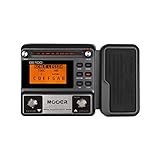
- 80 preset patches and 80 user patches, enough for creating your sound library. You can save any preferred tones by simply pressing down the SAVE button.
First Impressions and Key Features of the Zoom AC-2 Acoustic Pedal with DI
When we first unboxed the Zoom AC-2 Acoustic Pedal with DI, we were struck by its professional aesthetic. It doesn’t look like a cheap plastic toy; it feels like a piece of studio equipment shrunk down for a pedalboard. The silver-and-black finish is sleek, and the knobs have a satisfying resistance to them. Unlike some other “multi-effects” units that require a manual and three hours of menu-diving, the AC-2 is refreshingly intuitive. You select your source guitar, adjust your EQ, and you’re ready to go.
In our initial testing, the “Source Guitar” dial was the standout feature. By selecting the body type that matches your actual instrument, the pedal uses an internal algorithm to compensate for the piezo pickup’s deficiencies. We compared it to simple direct boxes, and the difference was night and day. The AC-2 adds a layer of “air” and woodiness that makes the guitar feel alive. It’s a significant step up from standard DI units and even rivals some of the more expensive boutique preamps on the market today. You can check out the technical specs to see exactly how Zoom engineered this tone restoration technology.
Key Benefits
- 16 Source Presets: Tailors the sound restoration to your specific guitar body type (Dreadnought, Jumbo, etc.).
- Professional DI: Includes a balanced XLR output for direct connection to PA systems, eliminating the need for a separate DI box.
- Built-in Features: Comes with a high-quality tuner, reverb, and an incredibly useful 9dB boost for solos.
- Dual Power Options: Can be powered via AA batteries or the included AC adapter, making it great for busking or stage use.
Limitations
- No Compression: Unlike its bigger brother (the AC-3), this unit lacks a dedicated compressor knob.
- Manual Localization: Some units may ship with non-English manuals, requiring a quick visit to the Zoom website for a PDF download.
Deep Dive: A Comprehensive Performance Analysis of the Zoom AC-2 Acoustic Pedal with DI
The Science of Tone Restoration: Making Piezo Sound Like Wood
The core selling point of the Zoom AC-2 Acoustic Pedal with DI is its “Acoustic Tone Restoration.” During our testing sessions, we plugged in several different guitars—a high-end Taylor with an Expression System, a budget Yamaha with a simple piezo, and even a mandolin. The results were consistently impressive. We found that the pedal effectively “rounds off” the harsh transients of the pickup. It’s not just an EQ preset; it feels like the pedal is adding the missing harmonic content that usually only a microphone can capture.
When you select the “Dreadnought” setting while playing a dreadnought, the low-end resonance becomes more pronounced and authentic. It doesn’t sound boomy or muddy; it sounds like the air inside the guitar is actually moving. We noticed that for church worship settings, where the acoustic guitar often has to sit in a dense mix of drums and electric guitars, this restoration helps the acoustic retain its “acoustic-ness” rather than just sounding like a percussive click. It is a feature that really sets it apart in this price bracket, providing a level of realism that usually costs twice as much.
One user mentioned that their sound engineer was immediately impressed by the signal quality. In our experience, this is the highest praise a pedal can get. If the person behind the mixing board is happy, your job as a performer becomes much easier. The AC-2 provides a clean, hot signal with very low noise, which is crucial when you’re boosting the signal for a quiet fingerstyle passage.
The Musician-Friendly Interface: Practicality for the Stage
In a live environment, you don’t have time to mess with tiny buttons. We found the layout of the Zoom AC-2 Acoustic Pedal with DI to be exceptionally well-thought-out. The three-band EQ knobs are large and easy to grab, allowing for quick “on-the-fly” adjustments if the room starts to sound too bright or too muddy. The inclusion of a dedicated Reverb knob is a masterstroke. While it’s a simple one-knob reverb, the algorithm is lush and musical, adding just enough depth without washing out the guitar’s natural tone.
The built-in tuner is another highlight. It’s a chromatic visual-LED tuner that is bright and easy to see even under harsh stage lights. When you engage the tuner, it automatically mutes the output, which is the professional way to tune between songs. We also extensively tested the Boost switch. It provides up to 9dB of additional gain, which is perfect for shifting from rhythmic strumming to a melodic flatpicking solo. We found that the boost remains transparent; it increases the volume without significantly coloring the tone or adding unwanted distortion. This level of utility makes the Zoom AC-2 Acoustic Pedal with DI an all-in-one workstation for the gigging guitarist.
Connectivity and the Integrated DI: The Sound Engineer’s Best Friend
One of the most common mistakes guitarists make is running a long ¼” cable from their pedalboard to the stage snake. This leads to signal degradation and noise. The Zoom AC-2 Acoustic Pedal with DI solves this with its high-quality XLR balanced output. By converting the signal to balanced right at the pedal, we ensured a crystal-clear tone even over long cable runs. We tested this in a large venue and found no perceptible hum or hiss, which speaks to the quality of the internal preamp.
Furthermore, the pedal offers dual ¼” outputs for stereo connection. While many acoustic players stick to mono, having the option to run a stereo reverb into two amps or a stereo PA setup is a great “pro” feature. For those who practice at home, the headphone jack is a lifesaver. You can plug in your headphones and hear your guitar with the tone restoration and reverb, making for a much more pleasant practice experience than just hearing the dry, unamplified strings. If you want to see how this connectivity can simplify your setup, check out the full hardware interface details.
Anti-Feedback and Gain Management: Controlling the Chaos
Feedback is the arch-nemesis of the acoustic performer. The moment you turn up to a volume where you can actually hear yourself, the guitar starts to howl. The Zoom AC-2 Acoustic Pedal with DI includes a dedicated Anti-Feedback button that is remarkably effective. We found that it acts as a sharp notch filter, identifying and cutting the offending frequency almost instantly. During our testing, we pushed the volume to uncomfortable levels, and the AC-2 managed to keep the guitar stable and feedback-free.
The single volume knob is also “patent pending” for a reason—it controls both input and output gain simultaneously. This simplifies the gain-staging process, which is often a point of confusion for many players. We found that this helps maintain a healthy signal-to-noise ratio regardless of how hard you are playing. Whether you have a heavy hand or a light touch, the AC-2 adapts to your dynamics. This combination of feedback control and smart gain management makes it a reliable companion for high-pressure live performances where you can’t afford any technical glitches.
What Other Users Are Saying
The general consensus among those who have integrated the Zoom AC-2 Acoustic Pedal with DI into their rigs is overwhelmingly positive. Many users highlight that it is “the best of its kind” for the price. One frequent traveler and performer noted that they have bought the pedal three separate times—having given one away and sold another, they realized they couldn’t live without it. This speaks volumes about its utility; once you hear what it does for your tone, it’s hard to go back to a standard setup.
We found support for our findings in the stories of church musicians. One user mentioned that their soundboard operator, a seasoned pro, noticed a massive difference in the richness and fullness of a Taylor guitar signal. Instead of the engineer having to “fix” the tone at the board, the AC-2 delivered a pre-sculpted, professional sound. On the negative side, a few users pointed out that the physical manual included in some regions was not in English, and some faced issues with firmware updates on the latest Mac operating systems. However, these are logistical hurdles rather than flaws in the sound quality itself. Most users agree that for the “quacky” edge common in direct acoustic guitars, this pedal is a “very nice addition” and well worth the investment. You can read more user testimonials here to see if your specific guitar model is mentioned.
Comparing the Zoom AC-2 Acoustic Pedal with DI to Its Top Alternatives
While the Zoom AC-2 is a powerhouse, it’s important to see how it compares to other options on the market. Depending on your specific needs—whether it’s extreme portability or unique effects—one of these alternatives might catch your eye.
1. SONICAKE Acoustic Guitar Effects Pedal
- Analog Preamp and Digital Reverb
- Built-in Notch Filter and Mute with gain and frequency range adjustment capabilities to quickly eliminate whistling and shape your sound in detail
The SONICAKE is a more budget-friendly alternative that focuses on the essentials. It features an analog preamp and a digital reverb, much like the Zoom AC-2. However, it lacks the sophisticated “Source Guitar” modeling that makes the AC-2 so special. We found that the SONICAKE is an excellent “first pedal” for someone just starting to gig who needs a reliable XLR output and a decent reverb without the complexity of tone restoration. It’s smaller and simpler, making it a great choice for minimalist setups, but it doesn’t offer the same level of tonal “realism” as the Zoom.
2. MOOER Acoustikar Acoustic Guitar Simulator

- [Warm Sound] Restore the sound of the acoustic guitar. Play the sound texture of an acoustic guitar with an electric guitar.
The MOOER Acoustikar is a micro-pedal that aims to turn an electric guitar into an acoustic, but it can also be used to color an acoustic guitar’s signal. It offers three modes: Piezo, Standard, and Jumbo. While it is incredibly compact and fits on even the most crowded pedalboards, it lacks the DI output, EQ, and tuner found on the Zoom AC-2 Acoustic Pedal with DI. We recommend the MOOER for electric players who need an occasional acoustic sound for one or two songs, but for a dedicated acoustic guitarist, the AC-2 is a far more comprehensive toolkit.
3. ToneWoodAmp SOLO Multi-Effect Processor
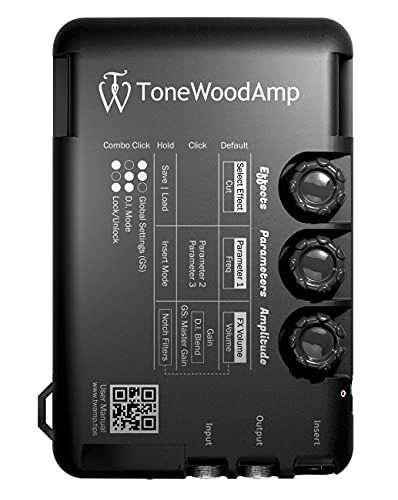
- 【One Of A Kind Experience】The ToneWoodAmp works on virtually any acoustic guitar! Adds beautiful sounding organic guitar effects to your acoustic* and acoustic-electric guitar, NO AMP REQUIRED...
- 【No Amp Required】 XXXX Get Reverbs like Hall, Room, Plate, Delay, Leslie, Auto-Wah, and Chorus, no amp required! All sounds come from the soundhole of your guitar organically. Buy one ToneWoodAmp...
The ToneWoodAmp is a completely different beast. Instead of sitting on the floor, it attaches to the back of your guitar and uses the body of the instrument as a speaker. It’s incredible for adding effects like delay and reverb while playing unplugged. However, it doesn’t serve the same purpose as a DI/Preamp on stage. While it’s an amazing tool for inspiration and small room performances, it lacks the professional XLR connectivity and tone restoration algorithms for a PA system. We found that the AC-2 is the better choice for the stage, while the ToneWoodAmp is the king of “couch playing” and acoustic exploration.
Final Verdict: Is the Zoom AC-2 Acoustic Pedal with DI the Right Choice for You?
After putting the Zoom AC-2 Acoustic Pedal with DI through its paces, we can confidently say it is one of the most practical and effective tools for the acoustic guitarist today. It solves the primary problem of direct-input acoustic tone—the lack of natural resonance—while providing all the “must-have” stage features like a tuner, boost, and anti-feedback in a single, rugged unit. Its ability to make a $500 guitar sound like a $2,000 one through a PA is its greatest strength, and the professional-grade DI output ensures that your sound reaches the audience with total clarity.
While the lack of a compressor might be a minor disappointment for some, the overall value proposition is hard to beat. Whether you’re a weekend warrior playing at the local pub or a professional leading worship for thousands, this pedal provides a level of consistency that is invaluable. If you’re tired of that thin, plastic-sounding guitar tone and want to finally hear the true voice of your instrument through the speakers, we highly recommend you order the Zoom AC-2 Acoustic Pedal with DI today and transform your live sound forever.
Last update on 2026-10-25 / Affiliate links / Images from Amazon Product Advertising API